[View-Throughs] Best Budget Binoculars Under $150
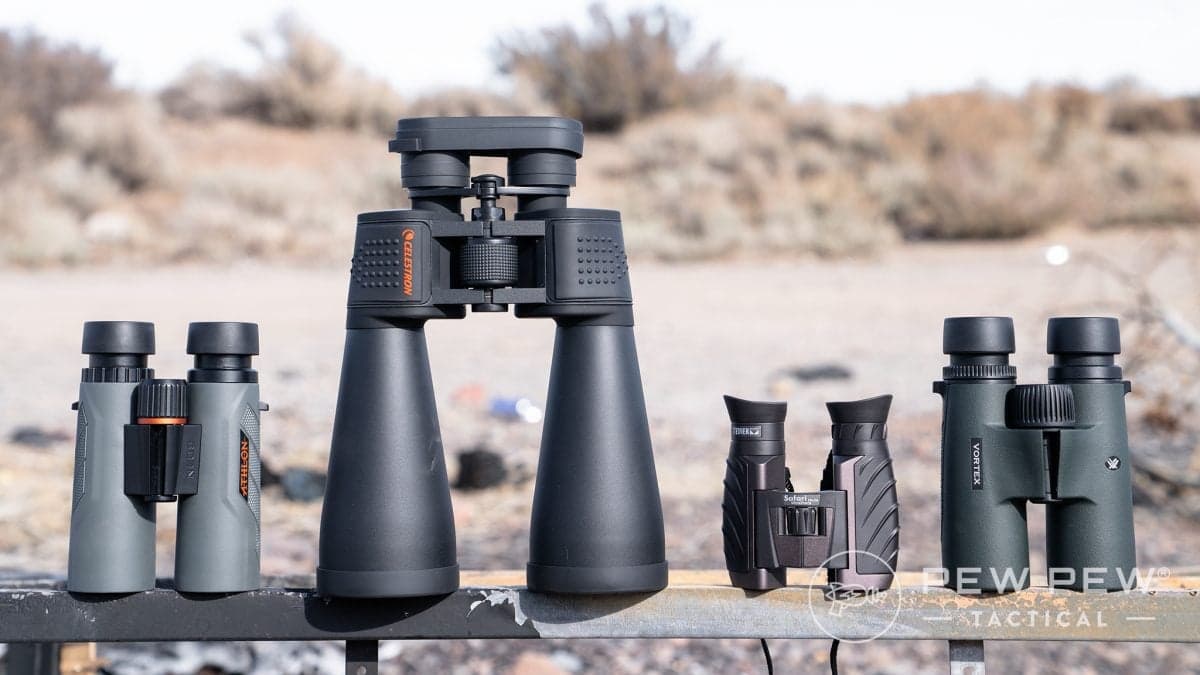
We've thrown together a list of the best binos money can buy...under $150, that is. If you're on a tight budget, save cash with these models.

PPT Editor. Marine vet, hunter, and long-range shooter. Articles in 10+ major publications
We review products independently. When you buy through links on our site, we may earn a commission to help support our testing. Learn more.
The Quick List
- Best Overall: Vortex Triumph HD 10x42Jump to details ↓
- Best 8x Binocular: Athlon Neos G2 HD 8x42Jump to details ↓
- Best Lightweight: Steiner Safari Ultrasharp 10x26Jump to details ↓
- Best High-Power: Celestron SkyMaster 15x70Jump to details ↓
The whole point of using binoculars is to see better than you can with your eyes alone. But can you do that without spending hundreds of dollars?
That’s harder than it sounds these days, when prices are climbing and manufacturers are discontinuing some of the most affordable binoculars.
I rounded up some of the most popular entry-level binoculars around and compared them with two mid-tier options to see how much performance you can get on a shoestring budget.
Here are the results: the best binoculars under $150, hands-on tested with view-throughs so you know what you’re getting into.

Table of Contents
Best Binoculars Under $150 Comparison Chart
| Magnification | Objective Lens | Field of View | Dimensions | Weight | Price | |
|---|---|---|---|---|---|---|
| Athlon Neos G2 HD | 8x | 42 mm | 367’ at 1,000 yds | 6.38” x 4.5” x 2.25” | 21 oz | $84 |
| Celestron SkyMaster | 15x | 70 mm | 231' at 1,000 yds | 11” x 8.7” x 4.3” | 48 oz | $89 |
| Steiner Safari Ultrasharp | 10x | 26 mm | 302’ at 1,000 yds | 4.7” x 4.6” x 1.8” | 11 oz | $149 |
| Vortex Triumph HD | 10x | 42 mm | 334' at 1,000 yds | 6” x 4.13” x 2.75” | 23 oz | $87 |
How We Tested the Best Binoculars Under $150
All the binoculars you see here underwent thorough hands-on testing by yours truly. I rounded up a handful of binoculars to see if I could find a quality pair for less than $150.
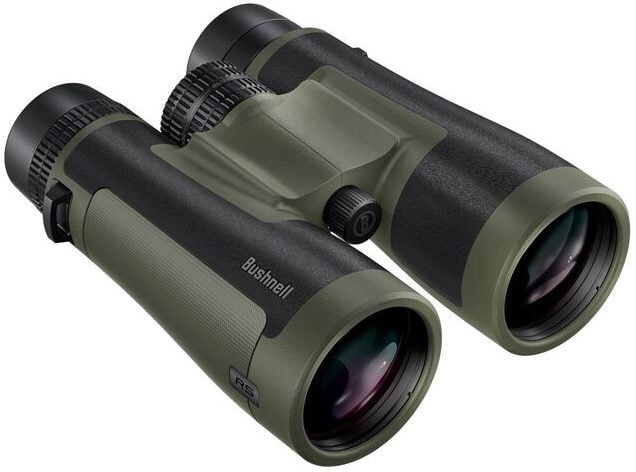
I used two slightly more expensive options, the Burris Droptine HD 8x42 and the Bushnell R5 12x50, as benchmarks to inform my perspective and see how much capability you have to give up to keep prices under $150.
Optical Testing
After filtering contenders by price and availability, I prioritized optical quality.
To properly gauge the view through each binocular, I assessed the view-throughs of the natural environment first. Then, I added a distortion grid and looked at it through the binoculars. The purpose of the grid is to expose color, clarity, and distortion flaws.
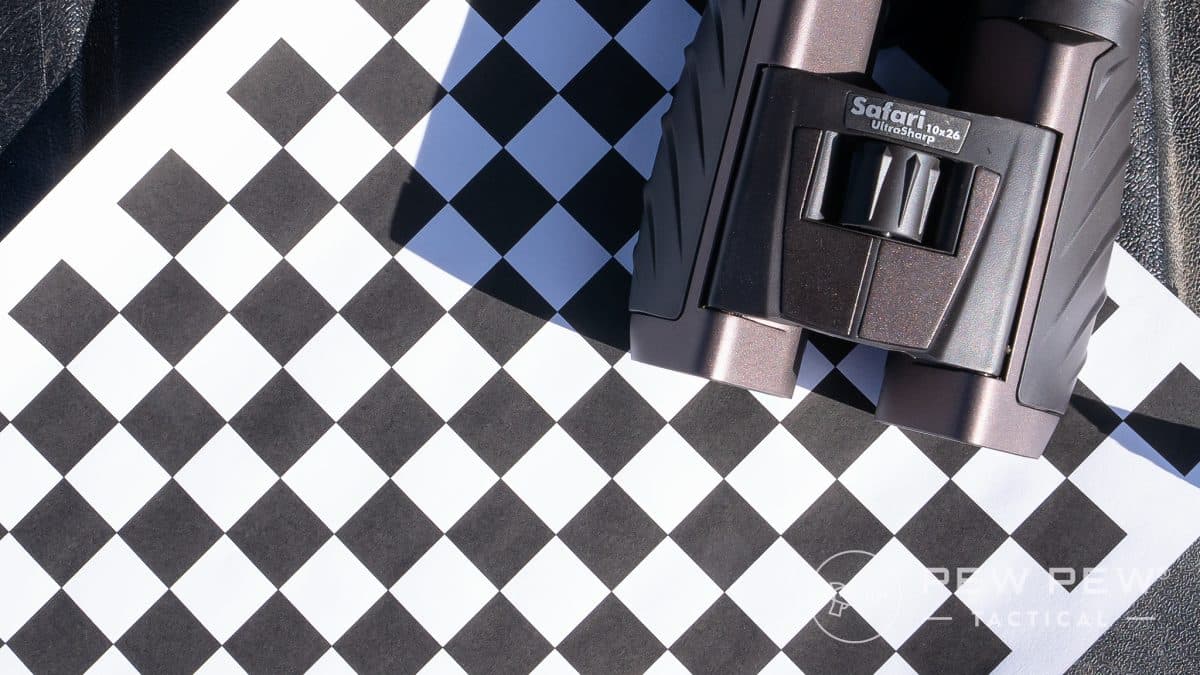
You will see photos I took of both the surrounding environment and the distortion grid throughout the article.
Durability Testing
I expect any gear I bring into the field to be durable, so I also set up a protocol that would put these binos to the test.
Every pair of binoculars underwent a drop test to see if they could survive a fall from a standard height. Next, I sprayed them with the garden hose to see how they would react with water.
Meet the Experts
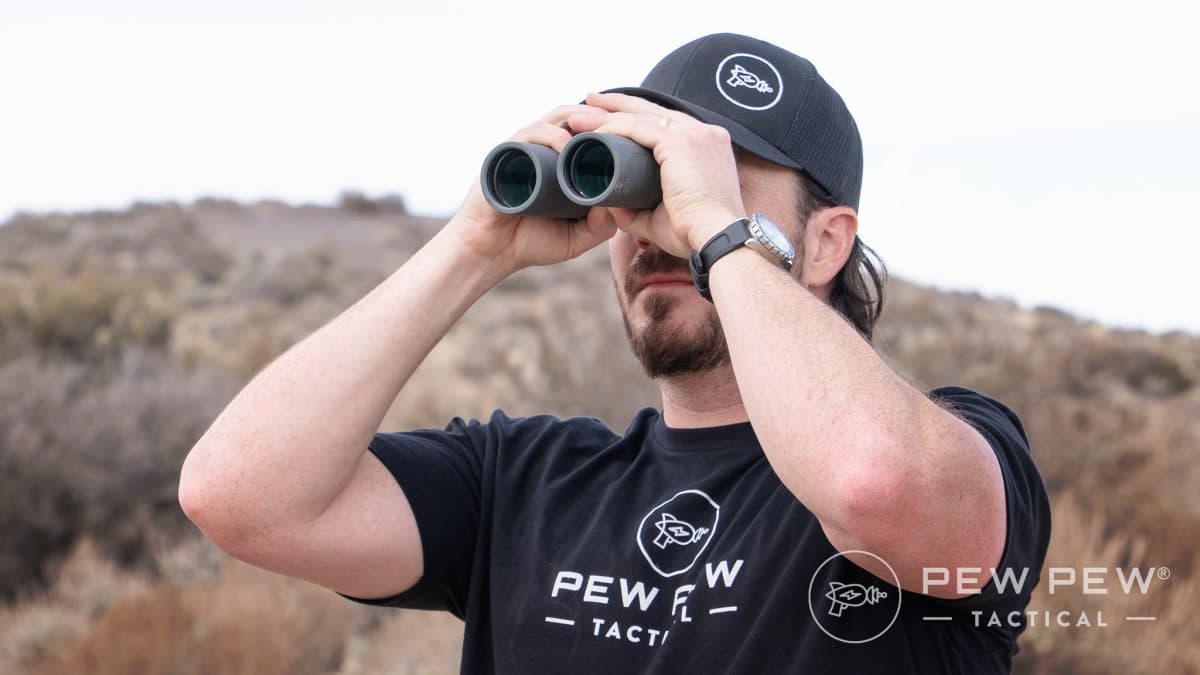
Hands-on testing and reviewing of these products was conducted by Editor & Senior Review Analyst Scott Murdock. Scott's Marine Corps experience included the tactical use of binoculars for observation and calling for fire. He's also worked closely with manufacturers to understand the factors and techniques that go into building quality optical systems.
That knowledge base informs his day-to-day binocular use, as well as the testing and evaluation that went into this article.
Best Binoculars Under $150
1. Vortex Triumph HD 10x42 - Best Overall
Pros
- Respectable optical quality
- Durable with a fantastic warranty
- Chest harness included
- Awesome value
Cons
- Some edge blur
- Very slight color fringing
Specs
- Magnification: 10x
- Objective Lens: 42 mm
- Prism: Roof
- Field of View: 334’ at 1,000 yds
- Minimum Focus: 15’
- Dimensions: 6” x 4.13” x 2.75”
- Weight: 23 oz
- Country of Origin: China
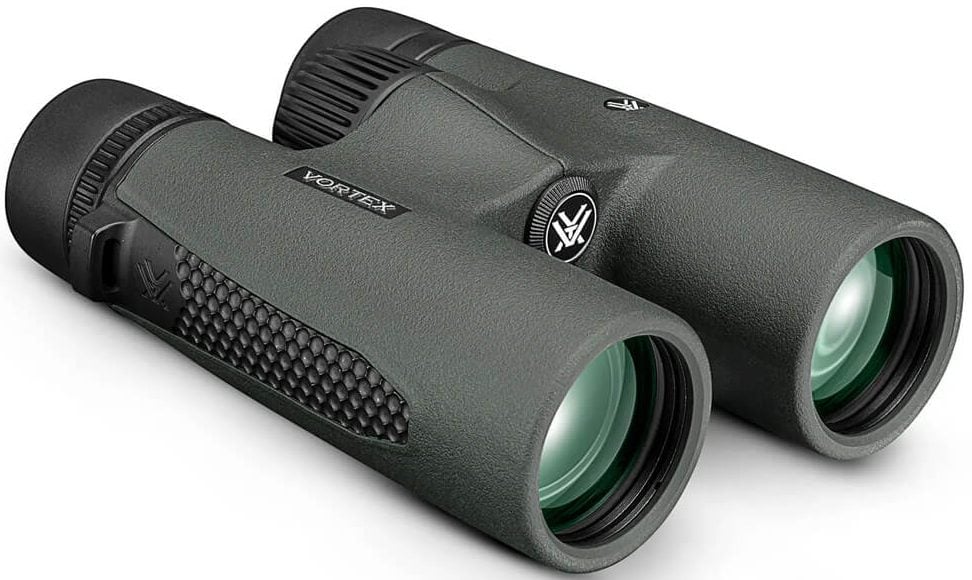
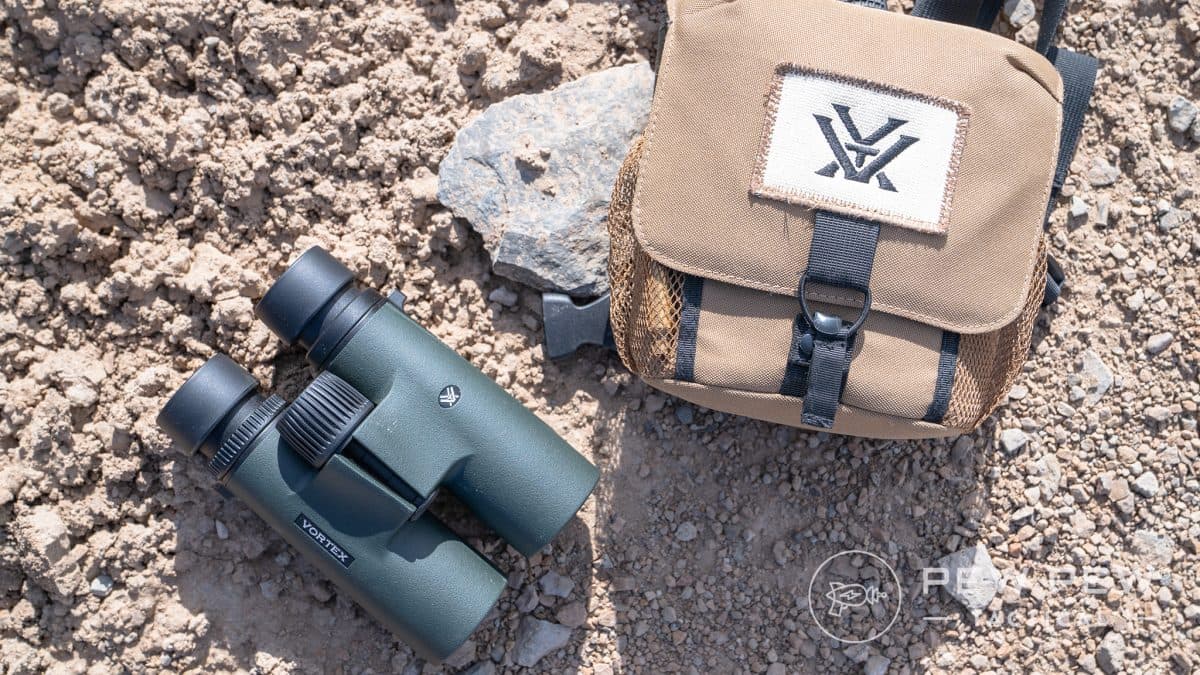
I’ve been using the Vortex Triumph HD 10x42 binocular since it came out in 2023, and it’s one of the best values in the binocular game. It’s effective and tough, while remaining inexpensive enough that I don’t mind leaving it on the floor of my pickup year-round.
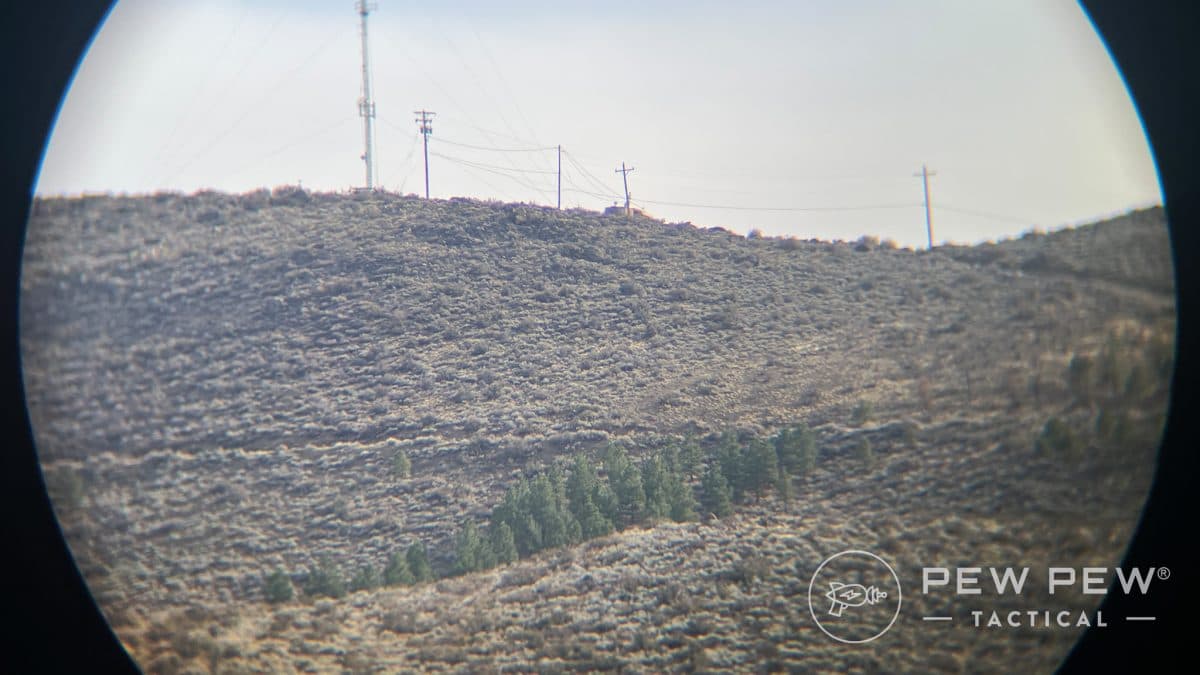
The 10-power magnification is a sweet spot for glassing in the field. It’s powerful enough to reach across canyons but not so magnified that I need a tripod to see clearly. It’s just as useful for scanning the landscape as it is for spotting a young buck in a group of muleys.
Do you see him?
Optically, the Triumph HD produces a balanced image, even at a mile. It’s not as crisp as some binoculars or as rich in color as others, but it’s respectable and usable across the board.
I noticed very little chromatic aberration with this binocular. That means the optical system was focusing all wavelengths at the same point, avoiding what looks like halos around certain objects.
I use these on the go, but they do have 1/4-20 threads under the forward endcap for a tripod adapter if that’s something you’re interested in.
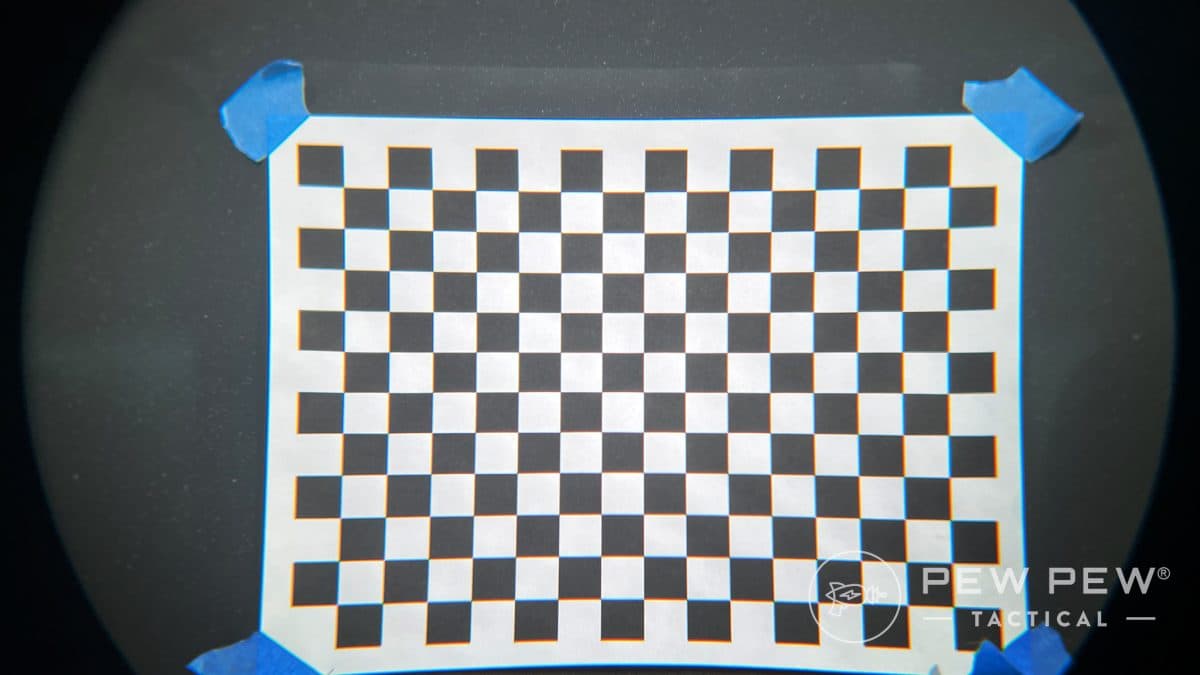
The grid test reveals a little bit of fisheye effect at the minimum focus distance, but nothing severe. The more noticeable issue is significant blur creeping in from the edge of the image. Some compromises are inevitable at this price.
The Triumph HD feels very solid for such an inexpensive optic. Shock-absorbing rubber wraps the metal tubes, and the ergonomic shape is comfortable to use for extended glassing sessions.
One nitpick I have is the placement of the texturing; it’s on a portion of the tubes that doesn’t contact my hands. It would be nice to see Vortex move that texture so either my thumbs or fingertips can take advantage of it.
These are great binoculars for the money, but it’s the add-ons that really put them over the top for me.
The Triumph HD 10x42 comes with a chest harness that’s much more comfortable than a neck strap. There are side pouches for items like a bottle of wind-checking powder and a hunting knife, and a zippered rear compartment that’s perfect for your hunting license.
If you like this kind of value, check out the rest of the Triumph line. Vortex has added a rangefinder and a rifle scope since these binos launched.
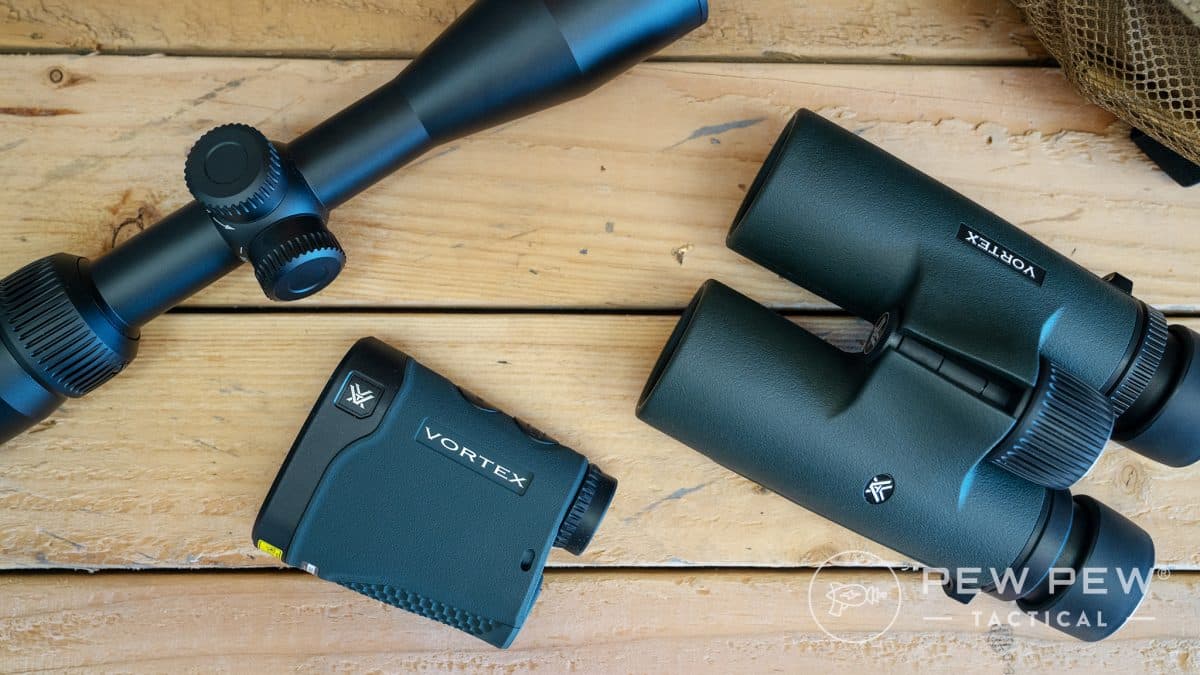
And, of course, there’s the unbeatable Vortex VIP Warranty. They’ll fix or replace your optics regardless of how they got damaged.
2. Athlon Neos G2 HD 8x42 - Best 8x Binocular
Pros
- Very sturdy construction
- Excellent grip texture
- Quality image
- Transferrable lifetime warranty
Cons
- Down on power
- Some edge distortion
Specs
- Magnification: 8x
- Objective Lens: 42 mm
- Prism: Roof
- Field of View: 367’ at 1,000 yds
- Minimum Focus: 13’
- Dimensions: 6.38” x 4.5” x 2.25”
- Weight: 21 oz
- Country of Origin: China
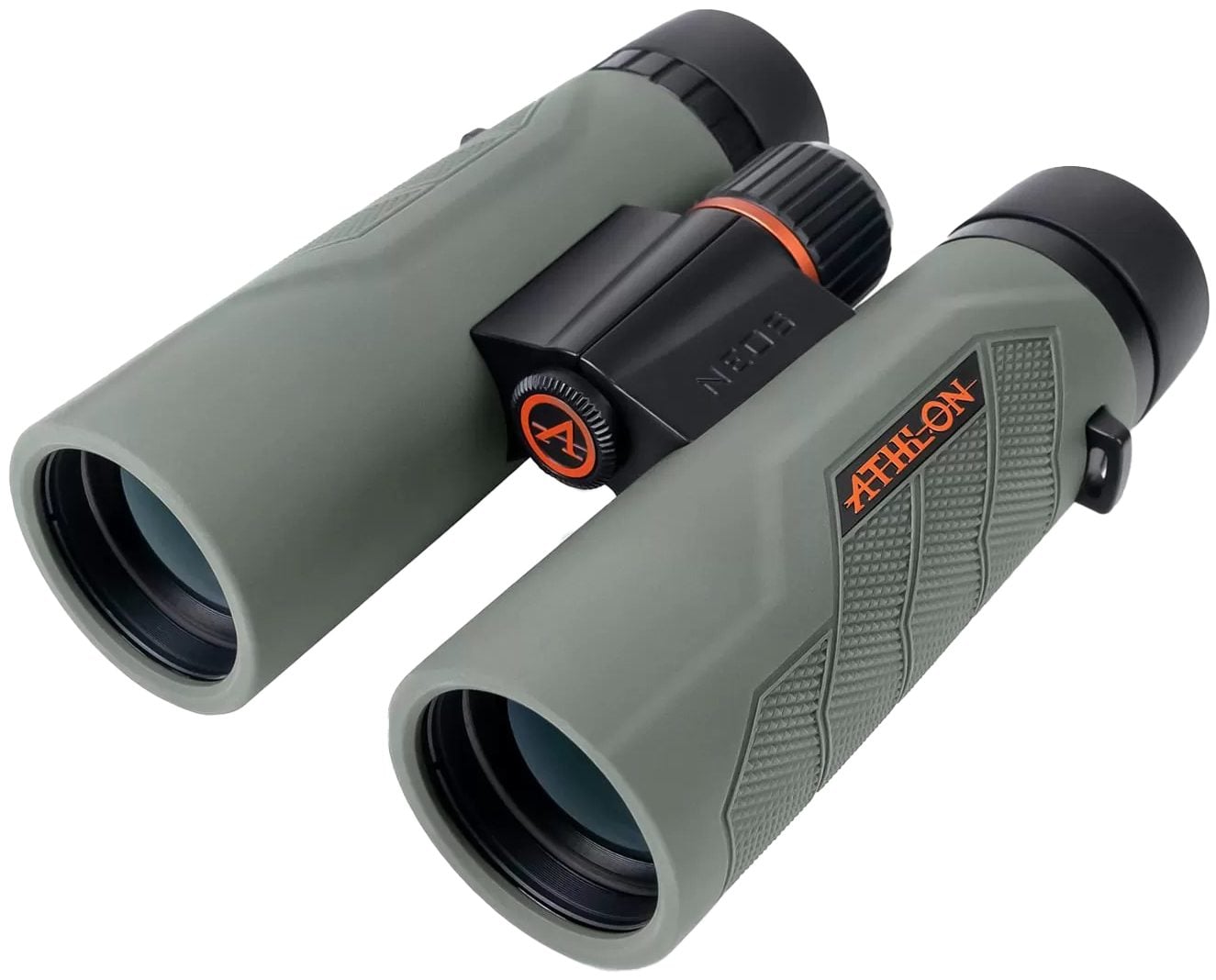
If you care more about optical quality than outright power, the rough and tumble Athlon Neos G2 HD 8x42 deserves a serious look. This binocular is going to get regular use around here now that testing is done.
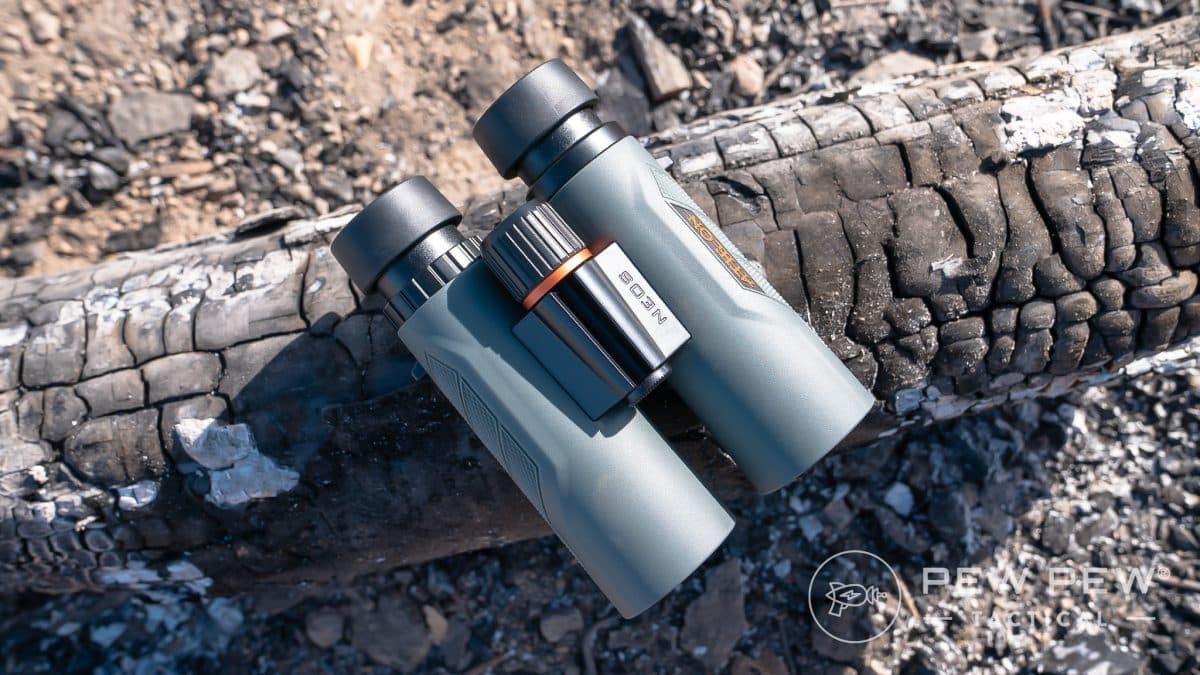
The Neos G2 HD has the lowest magnification in the bunch, but don’t make the mistake of thinking that’s a drawback. There are many situations where having a wider field of view is preferable to outright power. It also helps the image appear steadier when working freehand, which makes glassing on the go much more effective.
There are 1/4-20 threads for a tripod adapter, but that’s probably overkill on an eight-power binocular. It’s there if you need it, though.
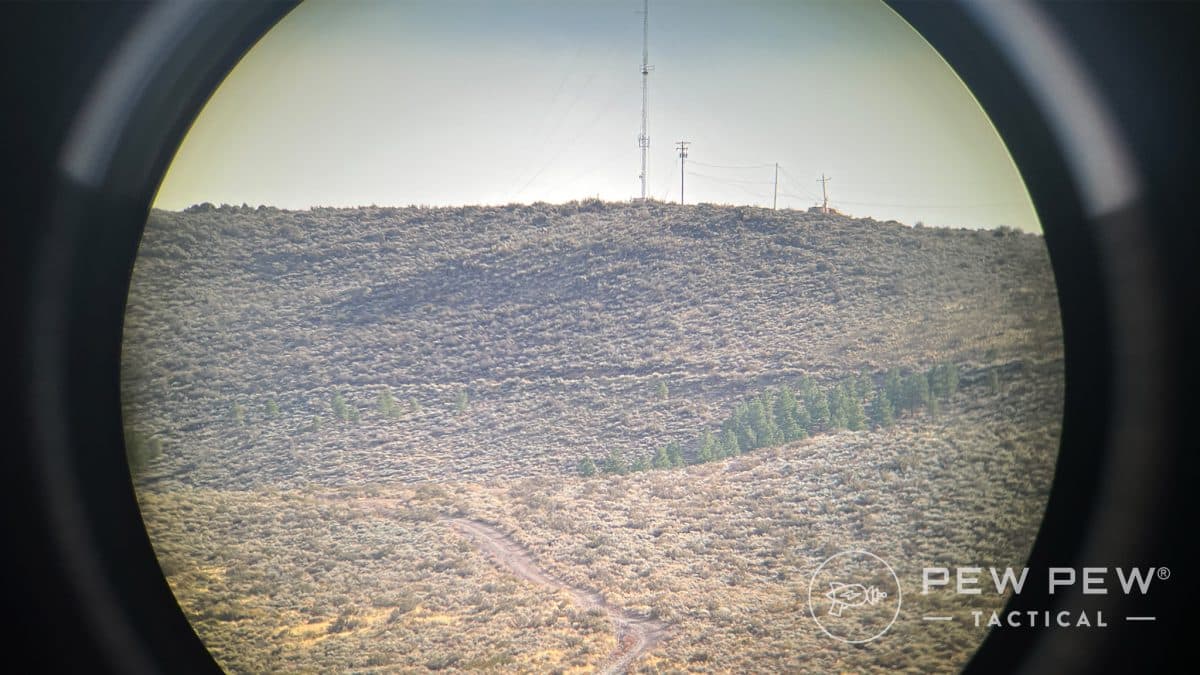
All of these budget binoculars produced some amount of edge blur, but the Neos suffered the least. It offered a clean image with decent clarity, well-saturated colors, and minimal chromatic aberration. If I could change anything, I’d like to see darker darks for increased contrast.
While I didn’t notice distortion in the field, the grid is less forgiving. The closer to the edge you look, the more pronounced the fisheye distortion becomes. Chromatic aberration becomes visible along with that distortion. See how the checkerboard starts to look like a 3D image without the 3D glasses?
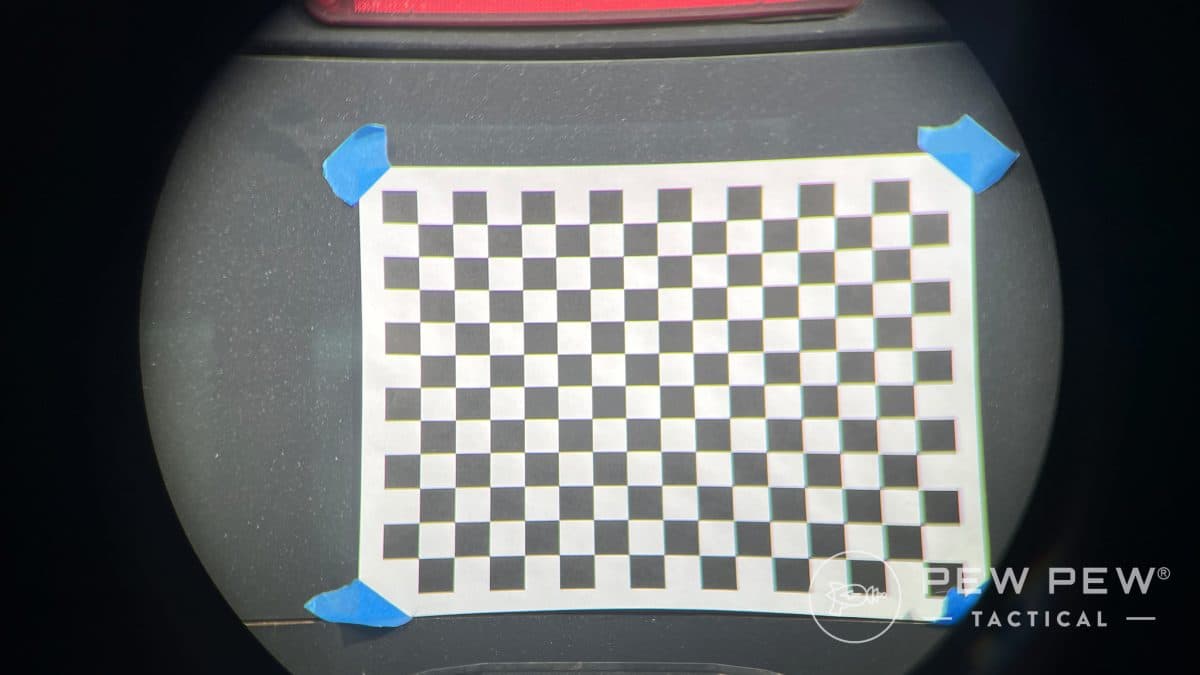
The key is to keep your subject in the middle of the frame whenever possible. That’s true for any of these binoculars.
I rate the Neos G2 HD right up there with the Triumph HD in terms of durability – maybe even better. The aggressive grip texture covers more of the rubberized surface, so you’re less likely to drop them in the first place.
If you do let them slip, the objective lenses are recessed further than most for extra protection. It’s nice to see magnesium alloy construction at this price.
The eight-power Neos G2 HD is great for regions with heavier vegetation. In dense woods, more magnification doesn’t really help because you can't see very far in the first place. If you hunt in the Eastern U.S. or want something to scan for critters before switching to a spotting scope, this would be my recommendation.
Athlon is another company that offers a fantastic lifetime warranty. It even applies if you’re not the one who purchased the product.
3. Steiner Safari Ultrasharp 10x26 - Best Lightweight
Pros
- Great optical quality
- Super lightweight and compact
- Well-built and strong
Cons
- Harder to hold steady
- The image looks comparatively tiny
Specs
- Magnification: 10x
- Objective Lens: 26 mm
- Prism: Roof
- Field of View: 302’ at 1,000 yds
- Minimum Focus: 11’
- Dimensions: 4.7” x 4.6” x 1.8”
- Weight: 11 oz
- Country of Origin: Germany
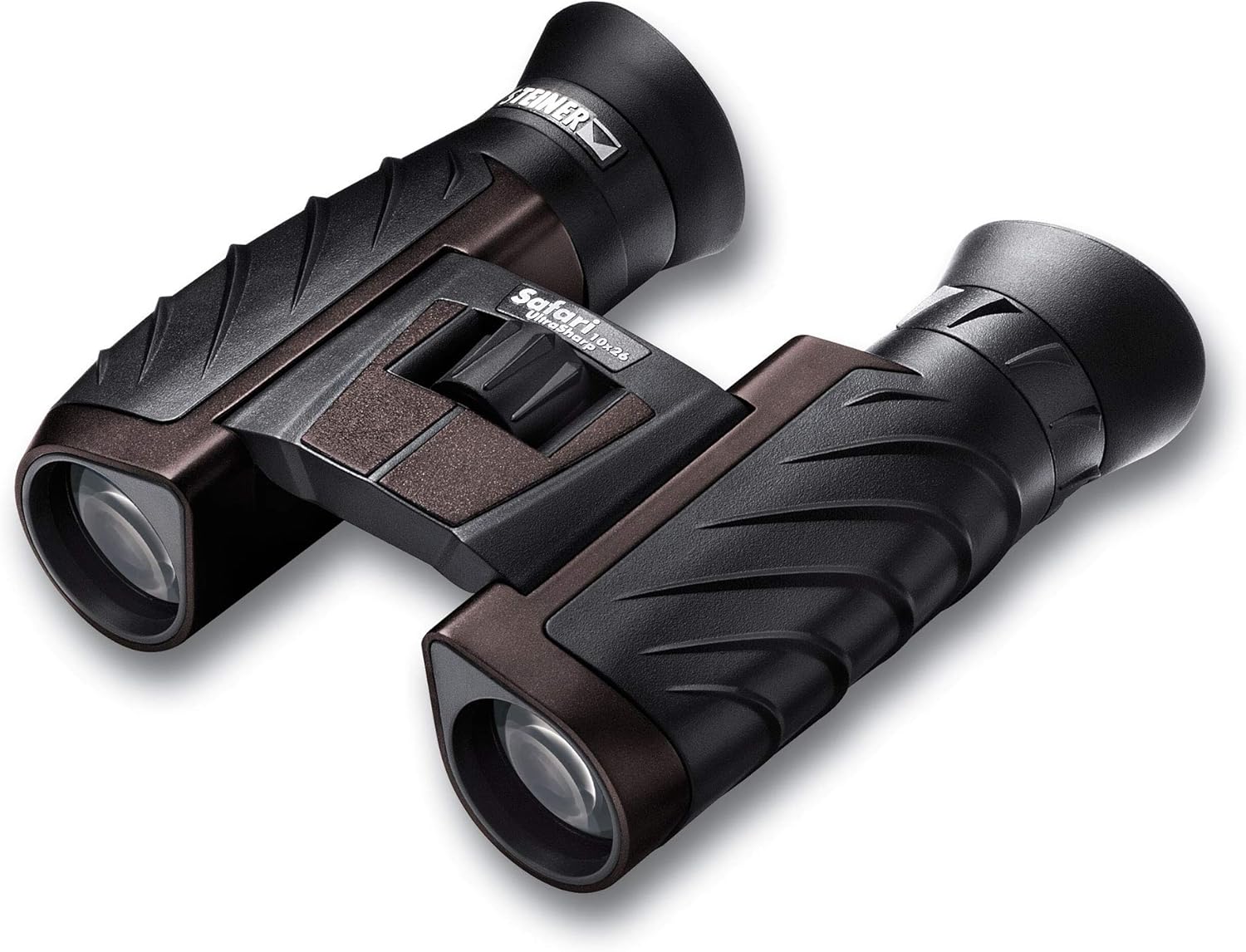
Let’s be honest, the main reason we leave binoculars behind is because we don’t want to lug around bulky optics. When you need to stay light and fast, the Steiner Safari Ultrasharp 10x26 is the way to go.
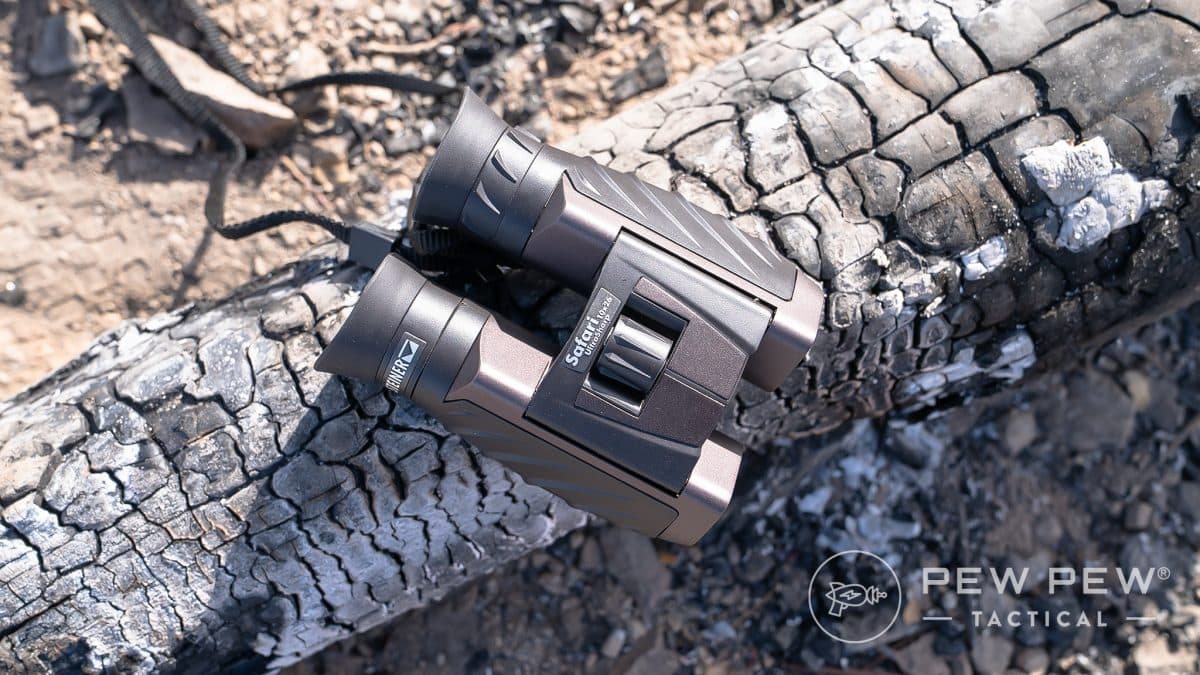
Even though this binocular is small enough to fit in a coat pocket, it still boasts 10-power magnification that makes it worth carrying a few extra ounces (11, to be exact).
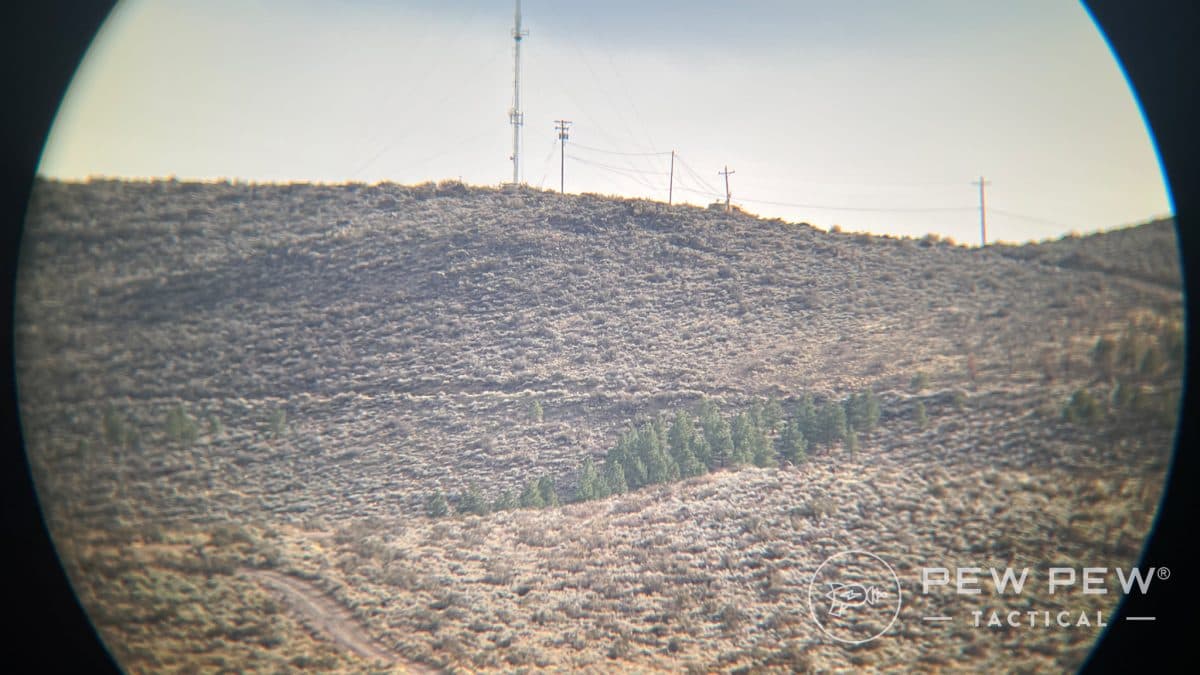
This tiny binocular is a powerhouse! The image suffered from some distortion and oversaturation at the edges, but the center is sharp and well-defined, with deep shadows and bright highlights.
My main issue in the field was keeping this binocular steady. Reduced mass makes it more susceptible to shaky hands and gusting winds than some of the larger alternatives.
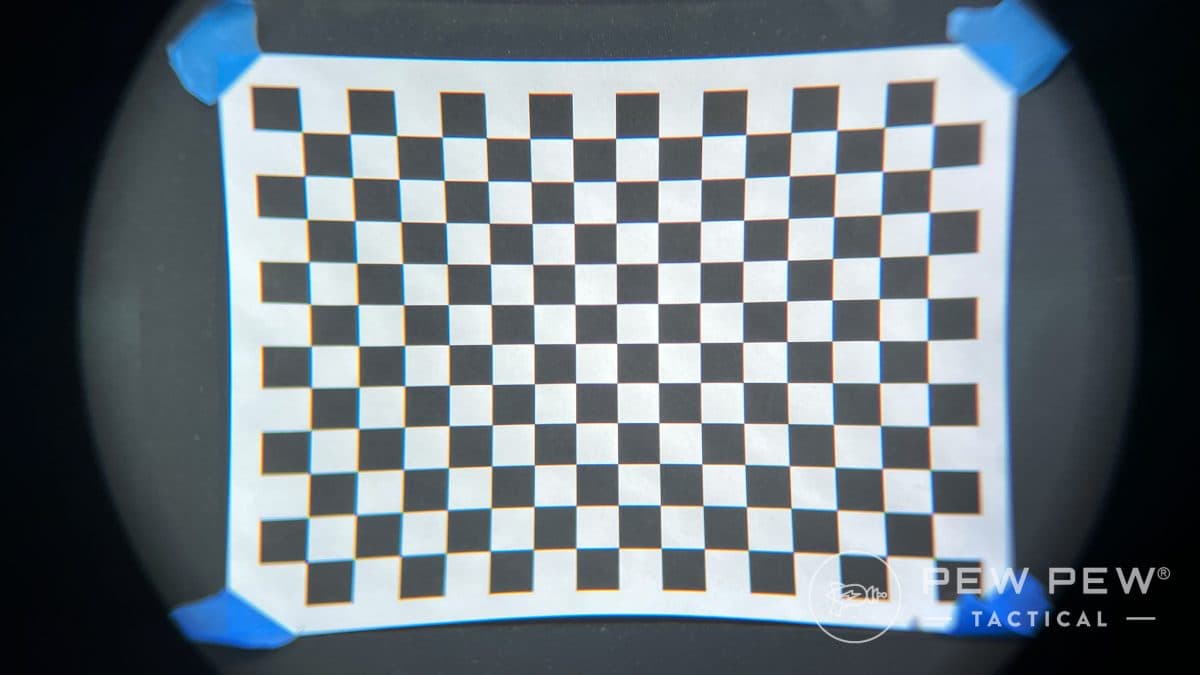
That edge distortion I mentioned is very noticeable on the grid at the minimum focus distance. It looks like someone is stretching that piece of paper from each corner. I chalk that up to the compact optical system and small-diameter lenses. In the field, it’s far less of an issue.
These binoculars did well during my durability test. That’s partially because it has a fair bit of armor, and partly because it doesn't weigh very much, so it hits the ground with very little force. Either way, there’s no damage.
The Safari Ultrasharp 10x26 wouldn’t be my recommendation for a primary binocular, but it’s a fantastic alternative when you need to keep weight to a minimum. For backpacking, sightseeing, and bug-out bags, this is a solid choice.
4. Celestron SkyMaster - Best High-Power
Pros
- Big-time power
- Lighter than they look
- Surprisingly affordable
Cons
- Tripod adapter didn't fit
- Very bulky to carry
Specs
- Magnification: 15X
- Objective Lens: 70 mm
- Prism: Porro
- Field of View: 231’ at 1,000 yds
- Minimum Focus: 43’
- Dimensions: 11” x 8.7” x 4.3”
- Weight: 48 oz
- Country of Origin: China
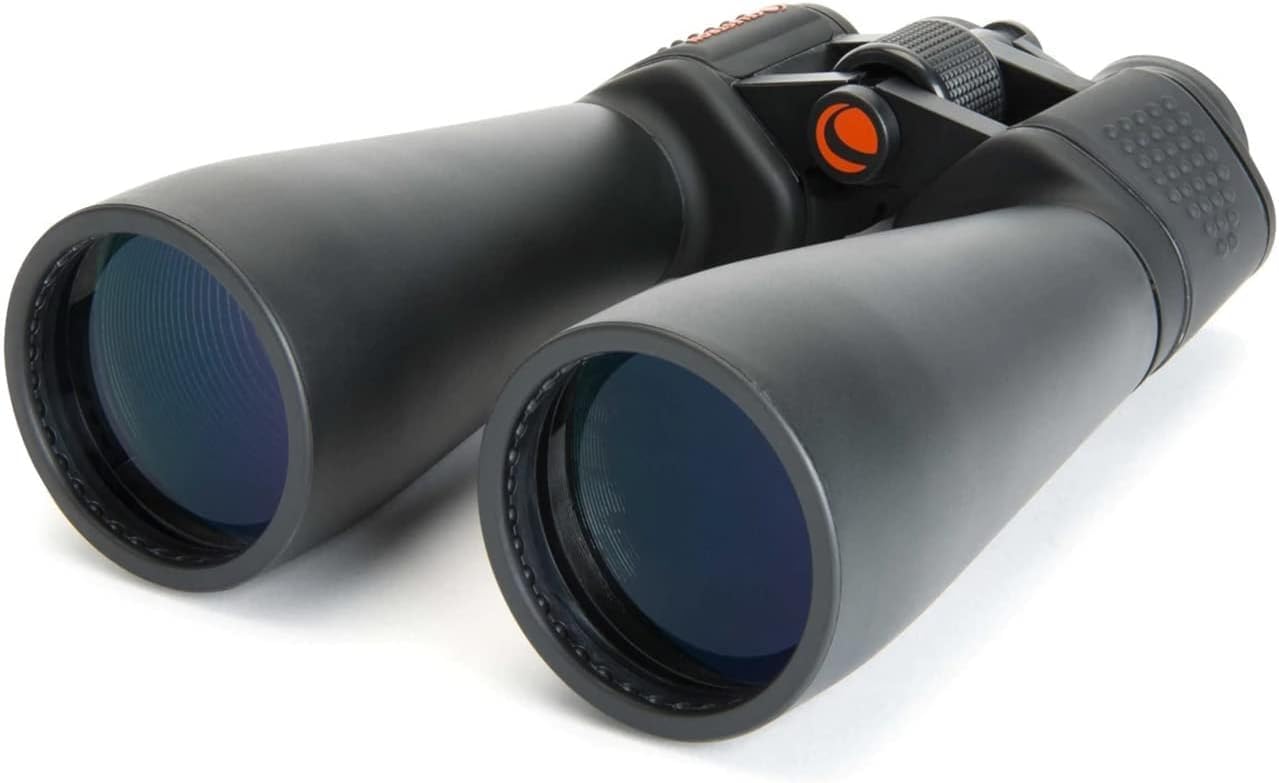
Can you get big-time power without spending hundreds of dollars on fancy binoculars? Yes, you can! The Celestron SkyMaster 15x70 is a powerful optic at a surprisingly affordable price.
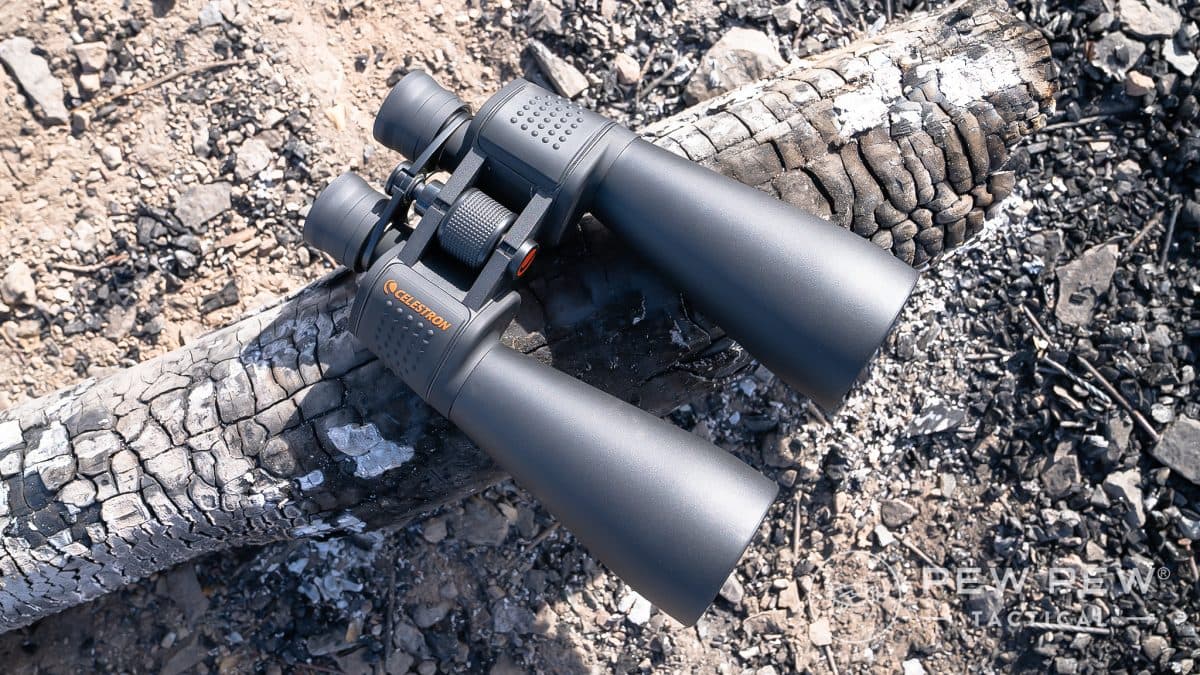
In terms of magnification, this is the big dog of the group at 15-power. That’s more than enough for checking targets, glassing for game animals, birdwatching, or stargazing. I was able to observe some subjects freehand, but I recommend using a tripod or rest when possible.
The SkyMaster comes with a tripod adapter, but – very annoyingly – the threads didn’t match on my test binocular. I guess that’s part of the tradeoff for paying less than $100 for a high-power binocular.
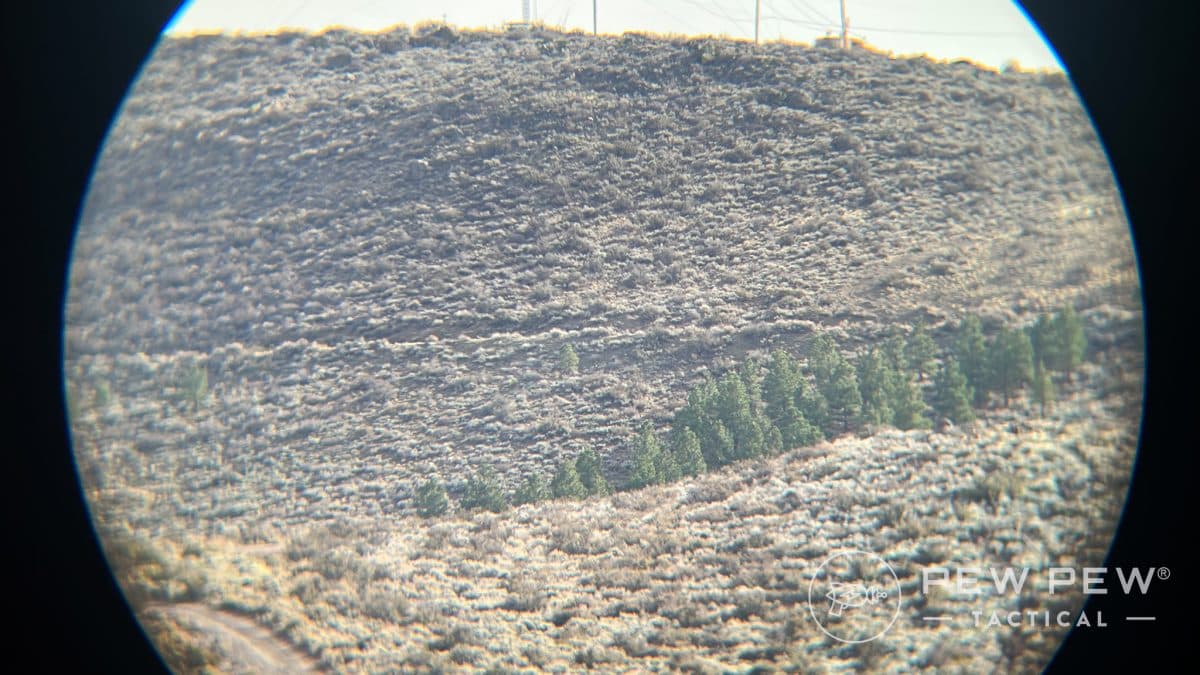
Optical quality from the SkyMaster is fair, but not great. In the view-through, you can see quite a bit of fisheye at a mile, and the spectrum of colors isn’t quite as realistic as I saw from the other binoculars here. Pine trees pop with a lovely green, but sagebrush, cheat grass, and dirt all blend into one generic tan tone.
If you look at the horizon, you’ll see a considerable degree of chromatic aberration, as well.
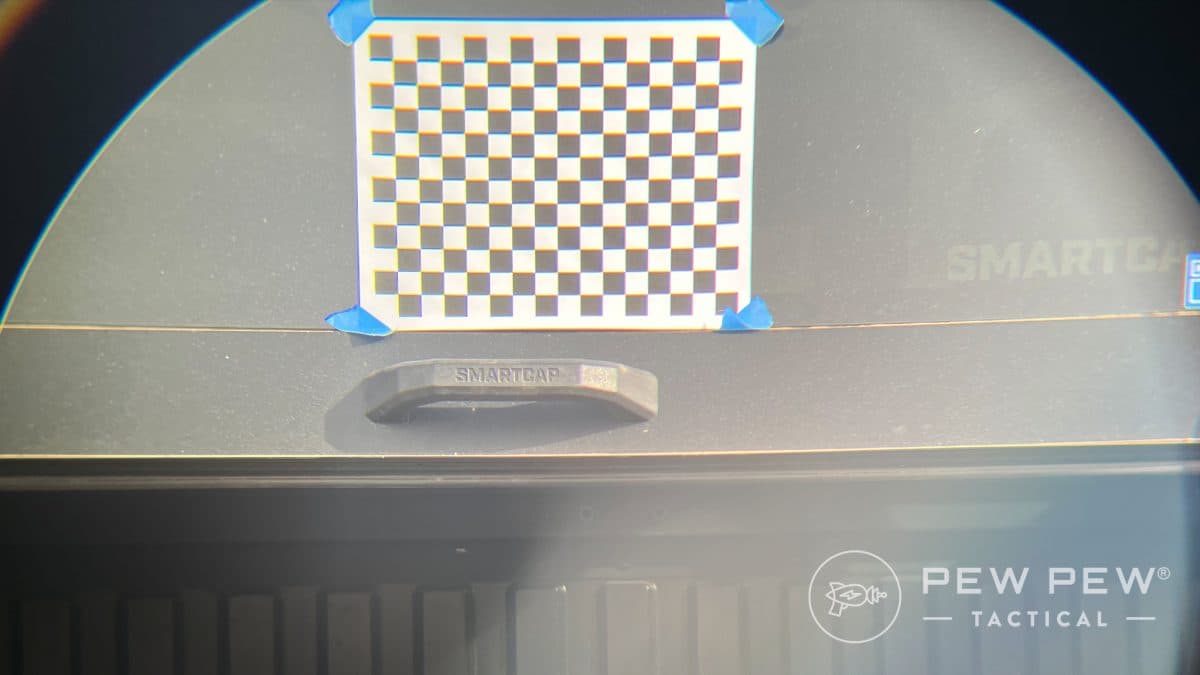
The grid test was tricky with the SkyMaster because the minimum focus distance is so far. I did my best, placing the grid at the edge of the image to reveal the long, linear warp and a bit of chromatic aberration.
I didn’t have any durability issues during my testing. That said, this is a very inexpensive optic with very large glass – I advise treating it with care to keep it working like new.
Like the Steiner Safari Ultrasharp, the SkyMaster is a niche optic. It’s big, bulky, and I have suspicions about its long-term durability if you’re hard on gear. On the other hand, it’s a great option for people who don’t want to carry a binocular and a spotting scope, or just want to check targets without walking downrange.
How to Pick the Best Budget Binoculars
Magnification
When you shop for binoculars, do you see numbers that look like math problems? Those give you some critical information.
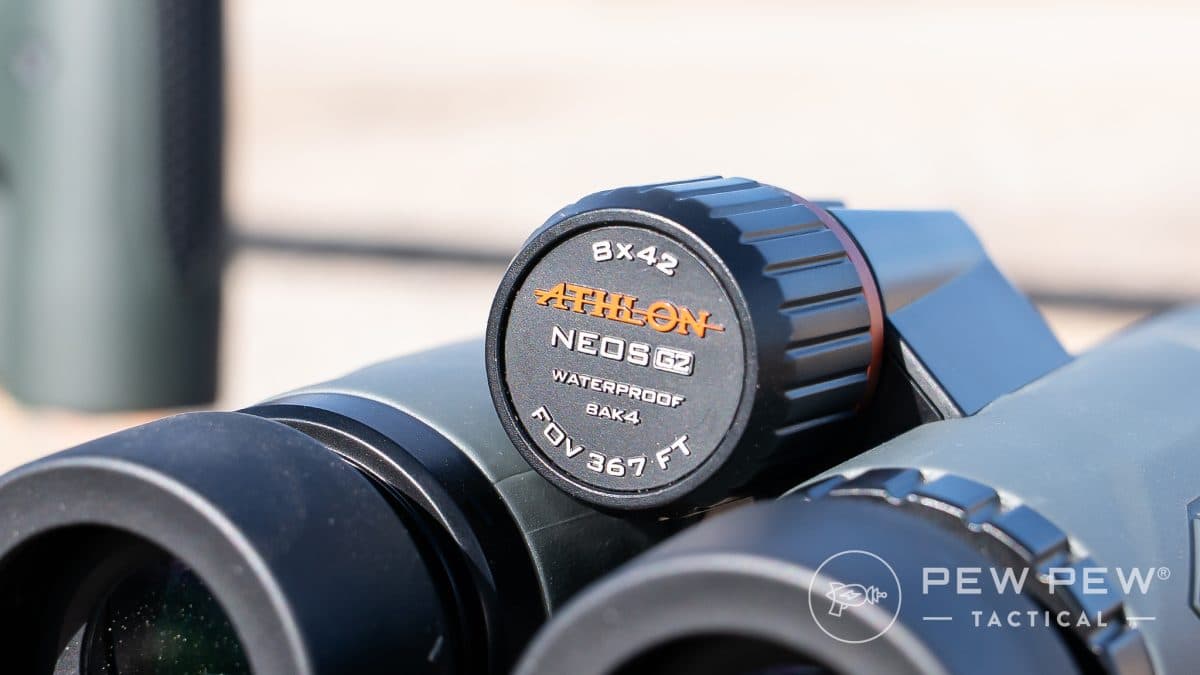
When a manufacturer labels binoculars as “8x42,” look at the number before the x first. That tells you the binoculars offer eight-power magnification.
More power isn’t always better. If you use binoculars freehand, too much magnification can make the image shaky and unusable. Stick to 8x or 10x for general use, and only go beyond that if you can reliably use a tripod or something else to stabilize your binoculars.
Objective Lens
The second part of that numerical designation tells you how large the objective lenses (the ones furthest from your eyes) are in diameter. In the case of our example, that’s 42 millimeters.
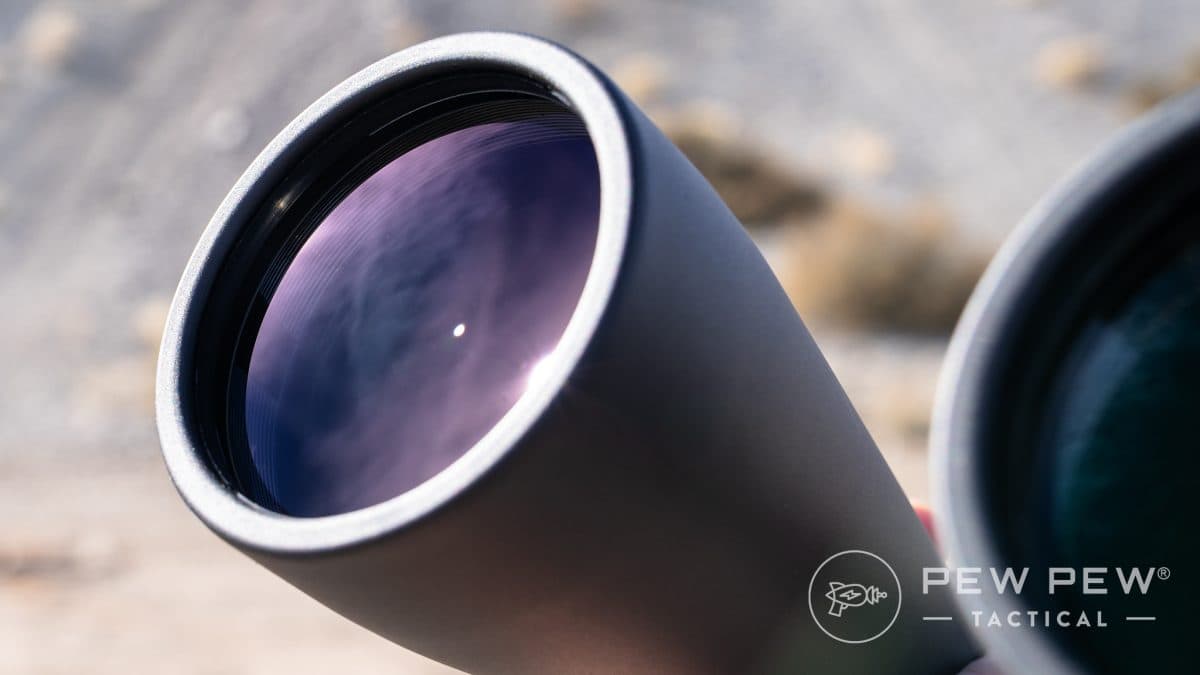
These are the light-gathering lenses within the optical system. Assuming the same glass and coatings, larger lenses will bring more light into the system and produce a brighter, clearer image.
More glass also means more weight, so you’ll have to decide how much you’re willing to tolerate. Putting binoculars on the bench to check targets is one thing; lugging them through the mountains all week is another.
Field of View
Imagine picking up a traffic cone and holding the small end up to your eye, then flipping it around and looking into the large end.
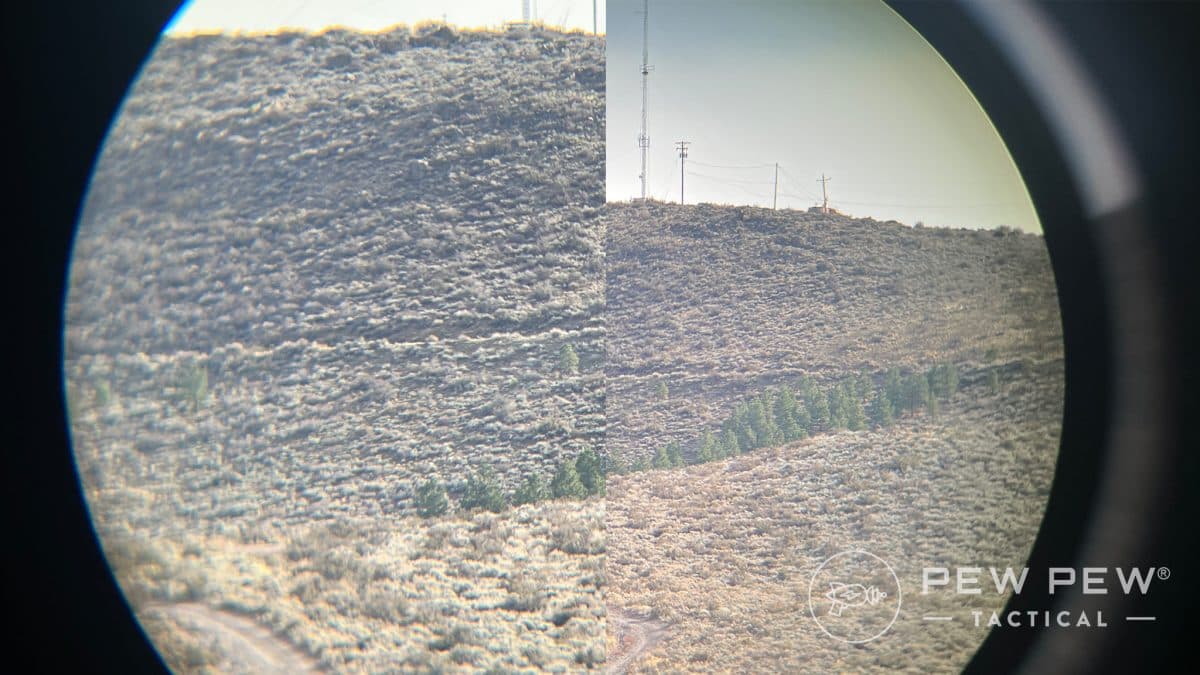
When the cone opens up away from you, you can see quite a bit of your surroundings. The other way around, it’s like looking through a straw. That’s a good way to think about field of view.
In the field, binoculars with a narrow field of view may show you a deer but not much else. A wider field of view will help you scan the landscape for animals, observe one in its surroundings, and improve your situational awareness.
Binocular field of view is commonly described by its width in feet at 1,000 yards or in degrees.
Optical Quality
Numbers tell us a lot about binoculars, but not everything. Optical quality is a little harder to quantify.
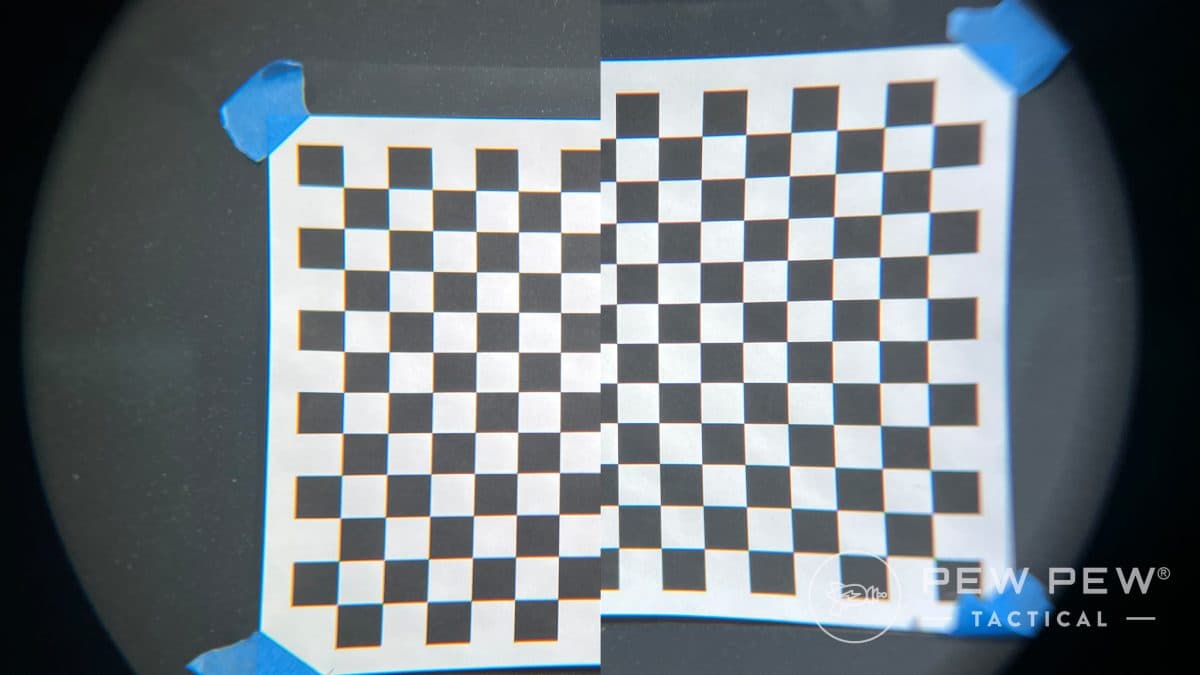
This includes things like light transmission correctness, color, and distortion. A bright, well-saturated image that looks true to life is much better than a dim, tinted picture that looks like you’re using a fisheye lens.
Here's a fantastic, thorough explanation of optical quality.
There are so many factors that affect optical quality that the only way to assess it is to take a look and judge for yourself. That’s what these view-through photos are for. Granted, they’re all processed by an iPhone’s automatic settings, but at least it’s a level playing field.
Size
Finally, think about how much bulky gear you’re willing to carry.
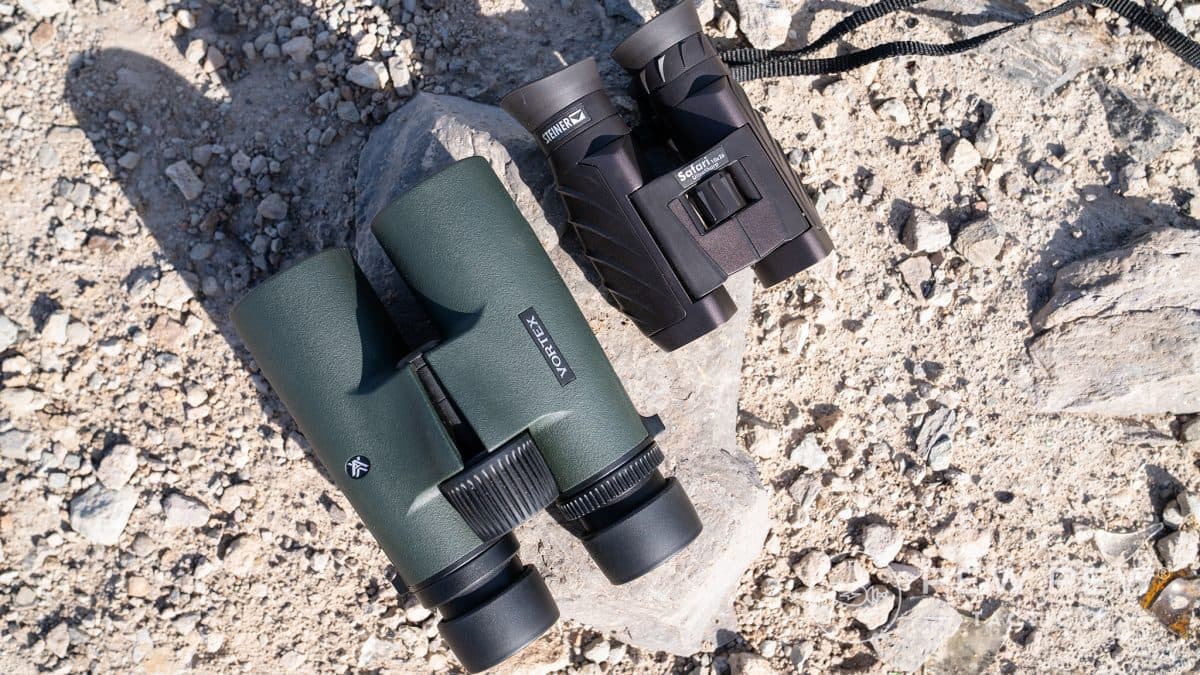
For example, the Steiner Safari Ultrasharp and Vortex Triumph HD both offer 10-power magnification. I could wear the Safari on a neck strap all day, whereas the Triumph HD comes with a binocular harness for a reason.
Do you want the lightest and most portable binoculars you can get, or are you willing to pack more weight in exchange for a brighter image and a wider field of view?
Value
These sub-$150 binoculars are extremely affordable, but how much value do they offer compared to something a little more expensive?
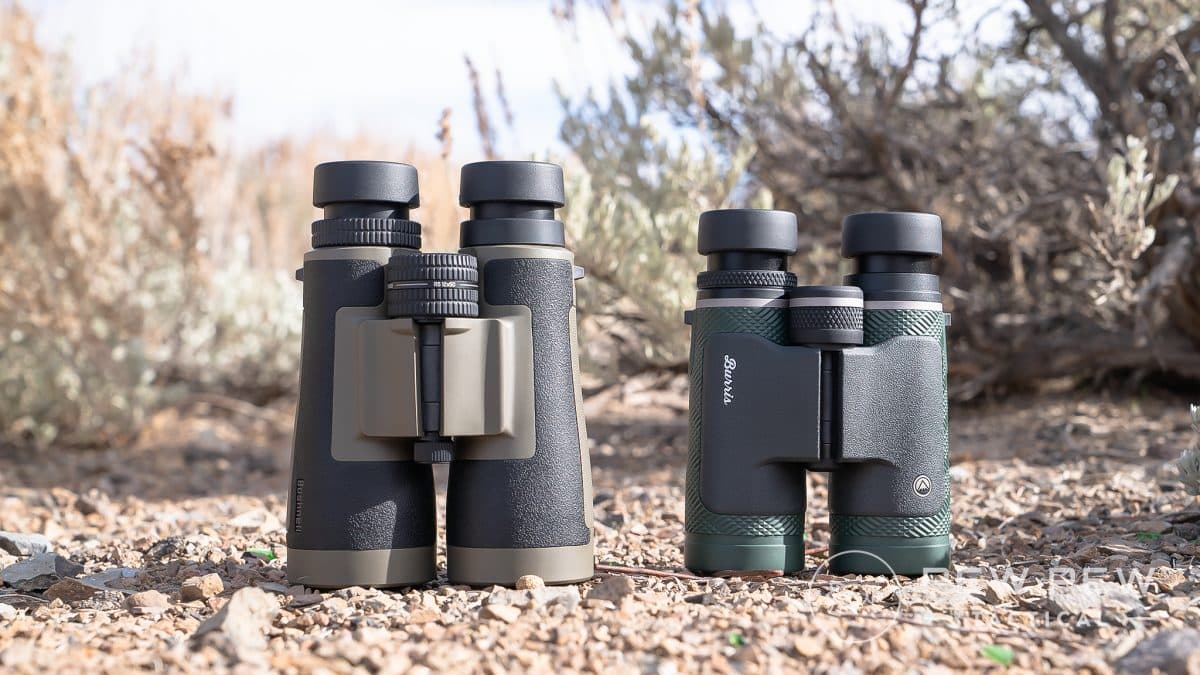
As you’ve seen, there isn’t necessarily a correlation between price and magnification. The Burris Droptine HD 8x42 costs 2.5 times more than the Celestron SkyMaster 15x70, for example.
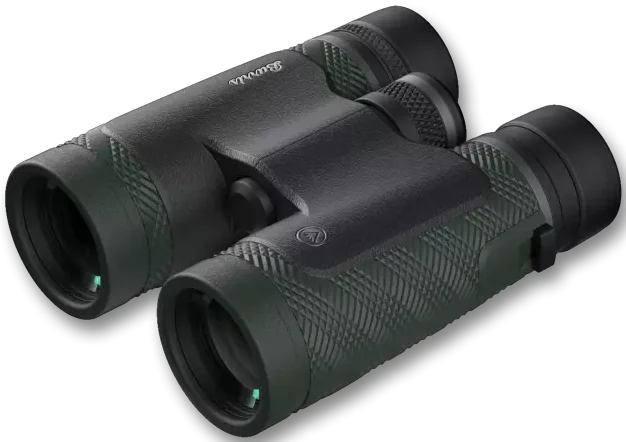
When I compared these budget binoculars to the more expensive Burris Droptine HD and Bushnell R5, the biggest difference was optical quality. The higher-end binoculars produced richer colors, deeper contrast, and sharper lines. The view was better, no doubt, but you can certainly get by with my budget picks if that’s what your budget allows.
The good news is that some very affordable binoculars come with a fantastic warranty. Athlon and Vortex have your back no matter what; Celestron and Steiner are more stingy with their product support.
Final Thoughts on the Affordable Binoculars
For my money, you can’t go wrong with the Vortex Triumph HD or Athlon Neos G2 HD. They’re both versatile, rugged, and punch way above their price tags.

There are times when you need something more specialized, and that’s when I’d encourage you to consider the Steiner Safari Ultrasharp and Celestron SkyMaster.
Regardless of what you pick, I bet you’ll end up using your binoculars more than you think – and it will be money well spent every time you do.
Latest Updates
November 2025: Complete overhaul with new testing, photos, and supporting content.