
Best Best Pistol Compensators [Tested]
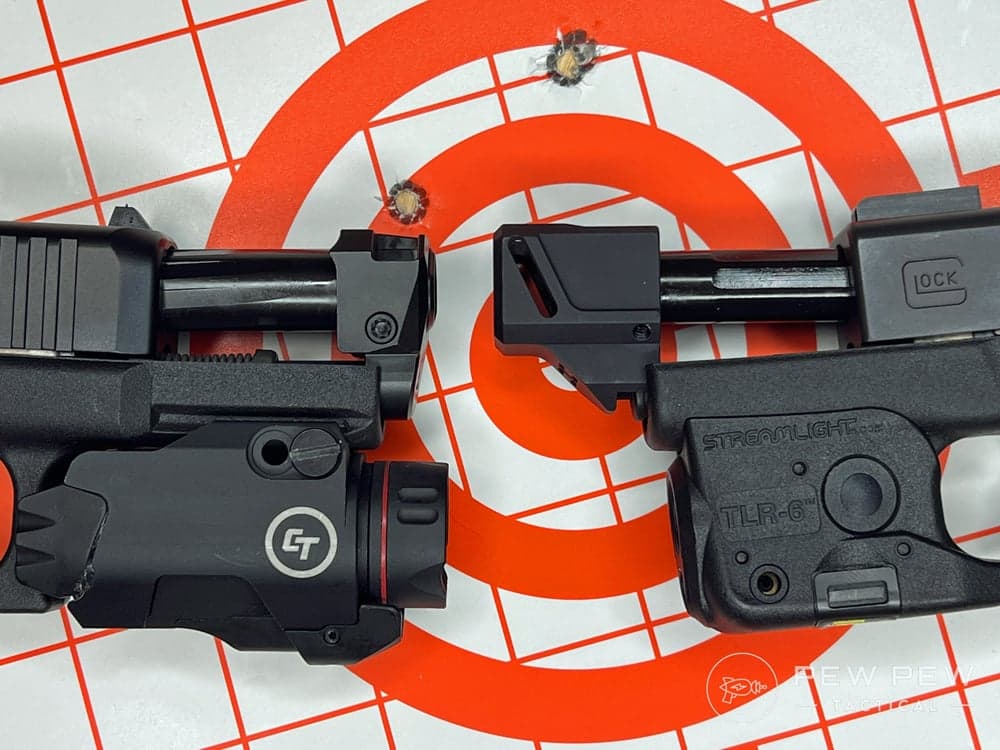
Want to reduce some recoil? How about tossing on a pistol compensator to your favorite handgun? We take a look at some options you might want to consider.

Retired LEO. SWAT Commander. POST/NLEFIA/USCCA Instructor. Former FFL. Gun Writer 10+ years
We review products independently. When you buy through links on our site, we may earn a commission to help support our testing. Learn more.
There’s been some resurging interest in compensators lately, as a few manufacturers have come out with options for various handgun models.
The argument could be made that anything improving our accuracy is worth checking out.
We gathered up a few models from different companies to try them out. We also list a few we haven't tried yet.
While we don’t have any hard science, the results were impressive, and we’ll share our thoughts, along with some videos, below.
The Quick List
- Best for Micro Compacts: Faxon Firearms EXOS-523Jump to details ↓
- Most Compact: Radian Afterburner + RamjetJump to details ↓
- Front Sight Ready: Agency Arms 417 CompensatorJump to details ↓
- Easiest to install: Tyrant Designs T-Comp CompensatorJump to details ↓
- Most Innovative: Killer Innovations Velocity CompensatorJump to details ↓
- Best for CCW: Griffin Armament Micro Carry Comp 1/2x28Jump to details ↓
- Best All in One: Strike Industries Mass Driver CompensatorJump to details ↓
Table of Contents
What Are Compensators?
Compensators are devices that are fixed to the end of a muzzle with the intention of making the gun shoot flatter. You’ve probably heard the term “shoot flat” before, but what does this mean?
It refers to the reaction of a handgun once you pull the trigger. Semi-automatics and revolvers both react to the small explosion we create when we press the trigger.
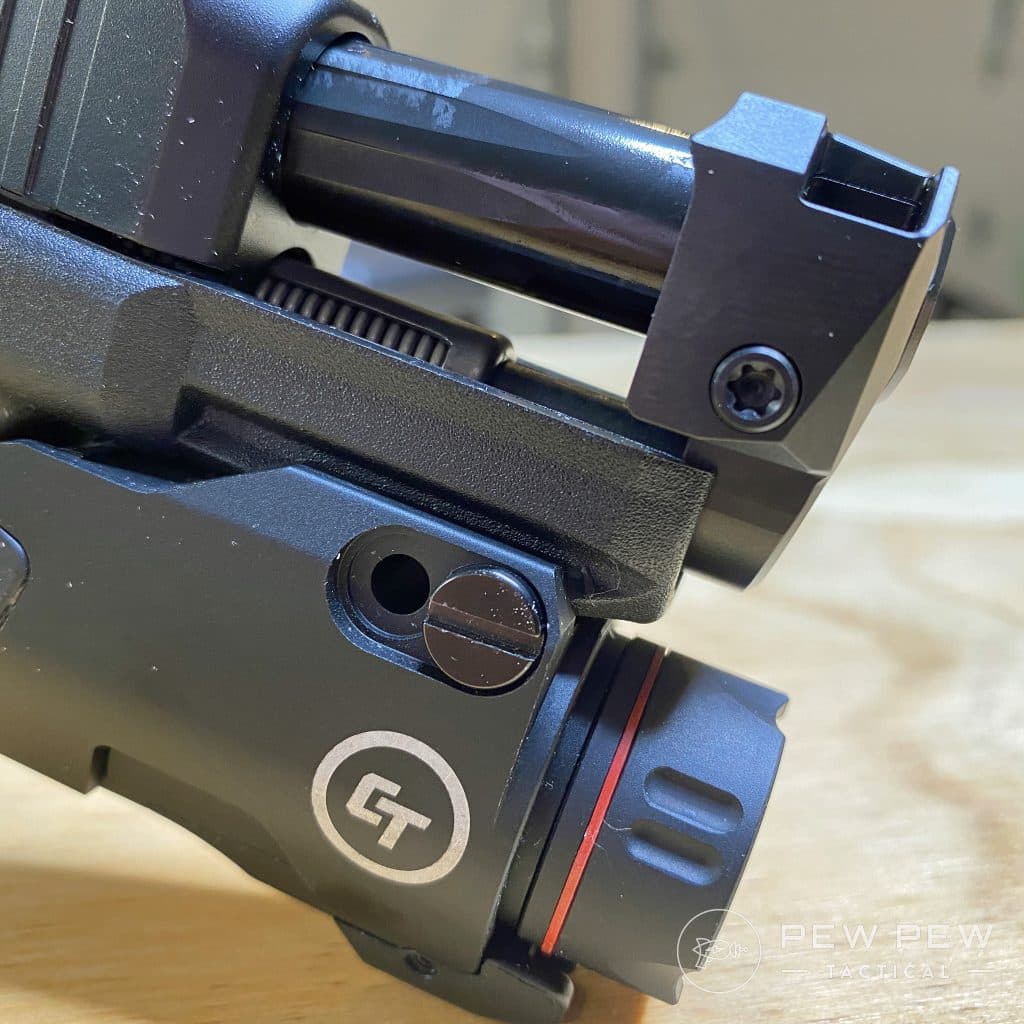
In the case of semis, the detonation sends gases and a bullet out the end of the barrel. The slide rocks to the rear, ejecting the spent casing, then inserting a fresh round from the magazine upon its return.
Revolvers have less going on after the shot happens but experience the same reaction of the gun. There is typically a bit of muzzle flip, meaning the muzzle goes in an upward direction under recoil.

Training, grip, weapon mass, bore axis, and caliber all apply to how much muzzle flip might occur. Compensators are designed to help tame muzzle flip.
Irresistible Force
Why would we want to try and stop this from happening? After all, you can’t deny physics!
While this is true, there are plenty of reasons you’d want to prevent or dampen muzzle flip. First off, it can make the weapon safer to handle.
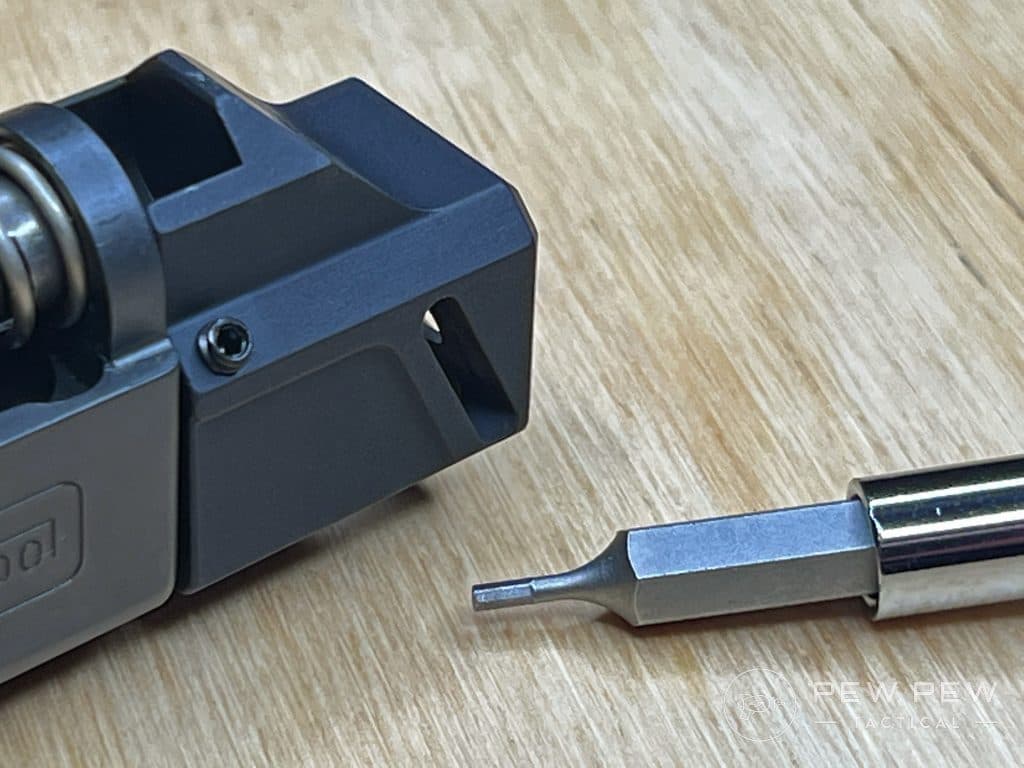
And most importantly, it can make follow-up shots a lot quicker.
Very often, we temporarily lose sight picture after we take a shot. How long it takes to recover often comes down to training, experience, rate of fire, and the gun. The bigger the caliber, the more forces at work.
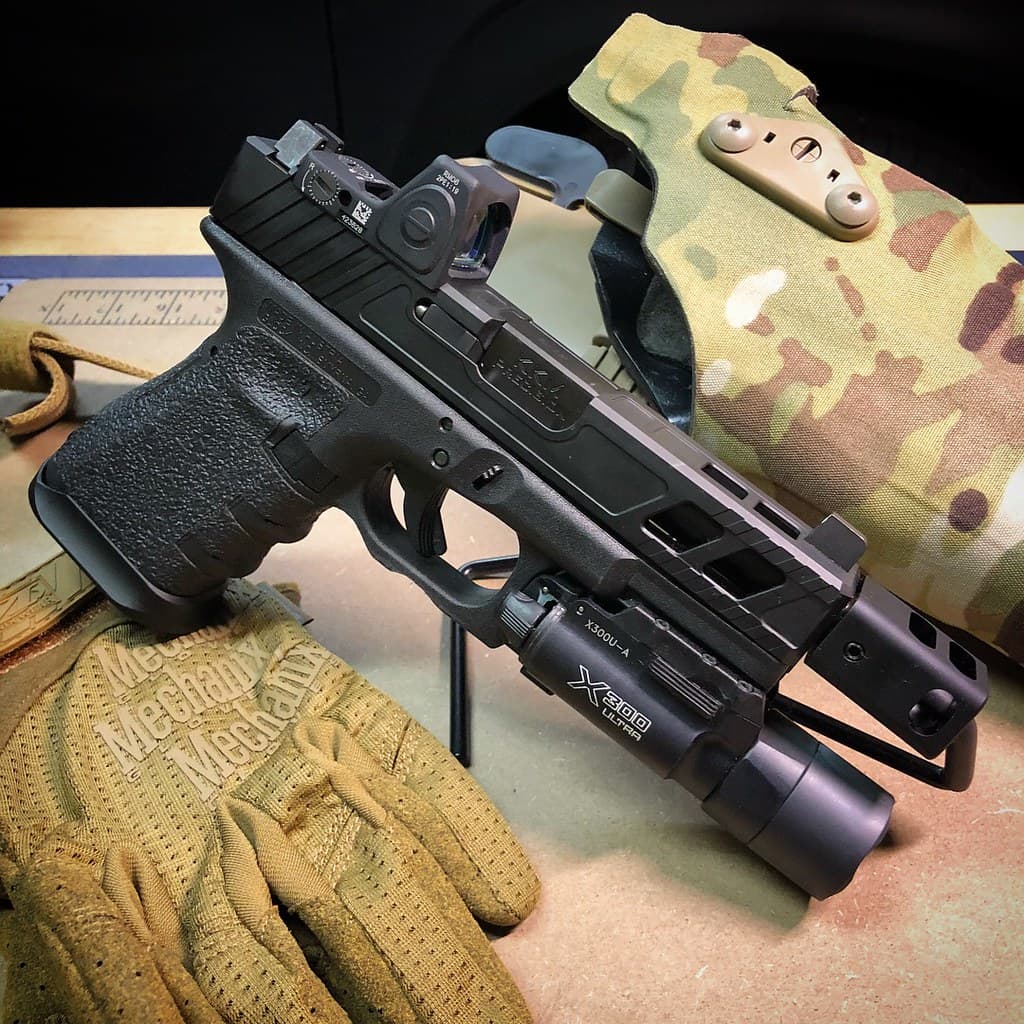
Compensators work by redirecting the expelled gasses that come out of the barrel. They generally direct these gasses up, creating downforce to counteract the upward motion of the barrel.
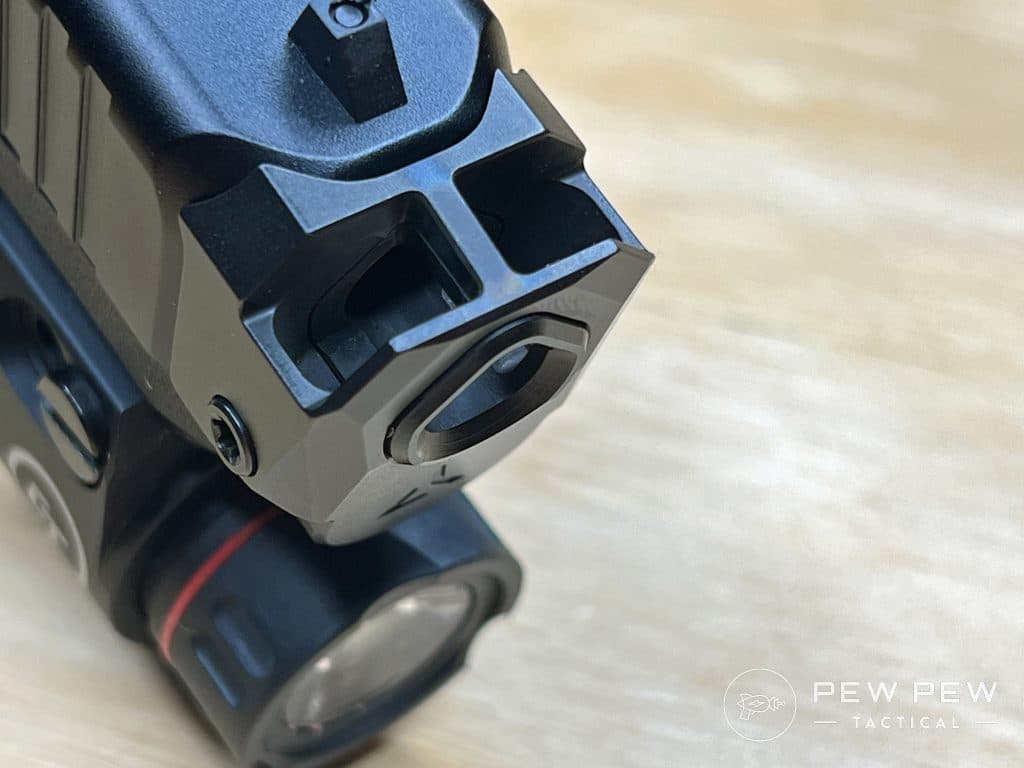
This allows the shooter to recover from recoil quicker and reobtain their sight picture. With the basics out of the way, let’s take a look at a few different options.
Best Pistol Compensators
1. Faxon Firearms EXOS-523
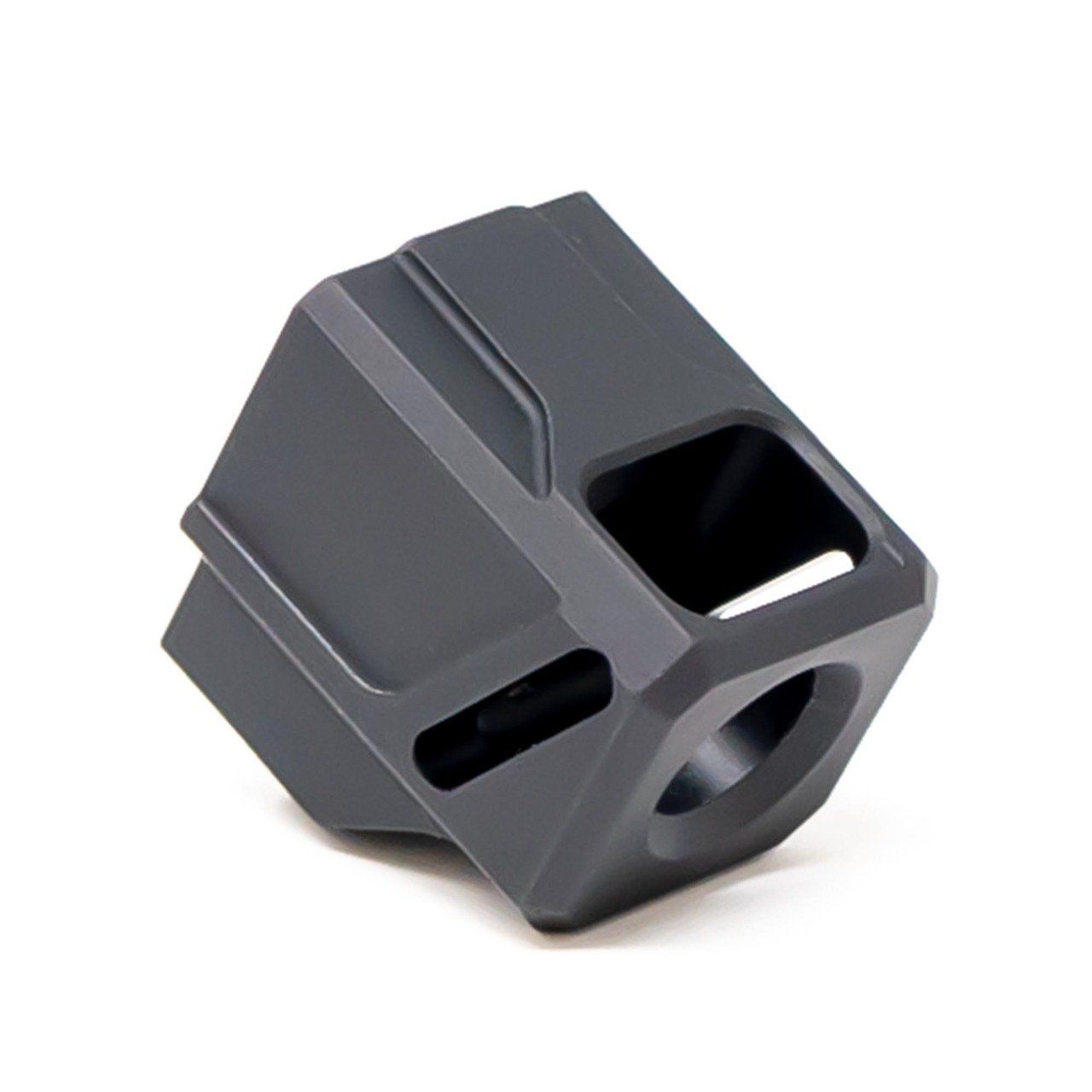
Faxon Firearms sent the EXOS compensator for both the Glock 43 and Glock 43X for us to try out. They included a couple of their barrels, too, but noted that their comps will work with other threaded barrels.
Installation was easy. We swapped out the stock barrels for the Faxon threaded variety.
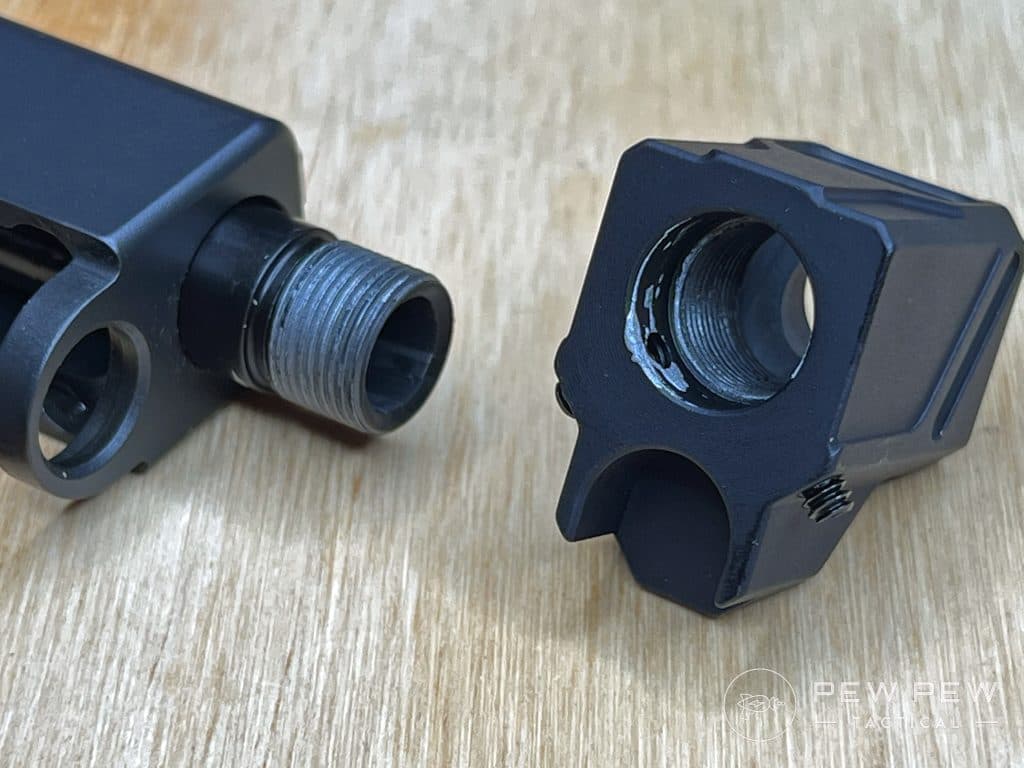
Next, we simply screwed on the 1/2x28 thread compensator until it was as far as it could go while still being timed -- meaning squared up with the slide of the pistol.
Faxon strongly recommends using a drop of red Loctite (included) on the threads when installing the EXOS. This is applied only to the threads of the barrel.
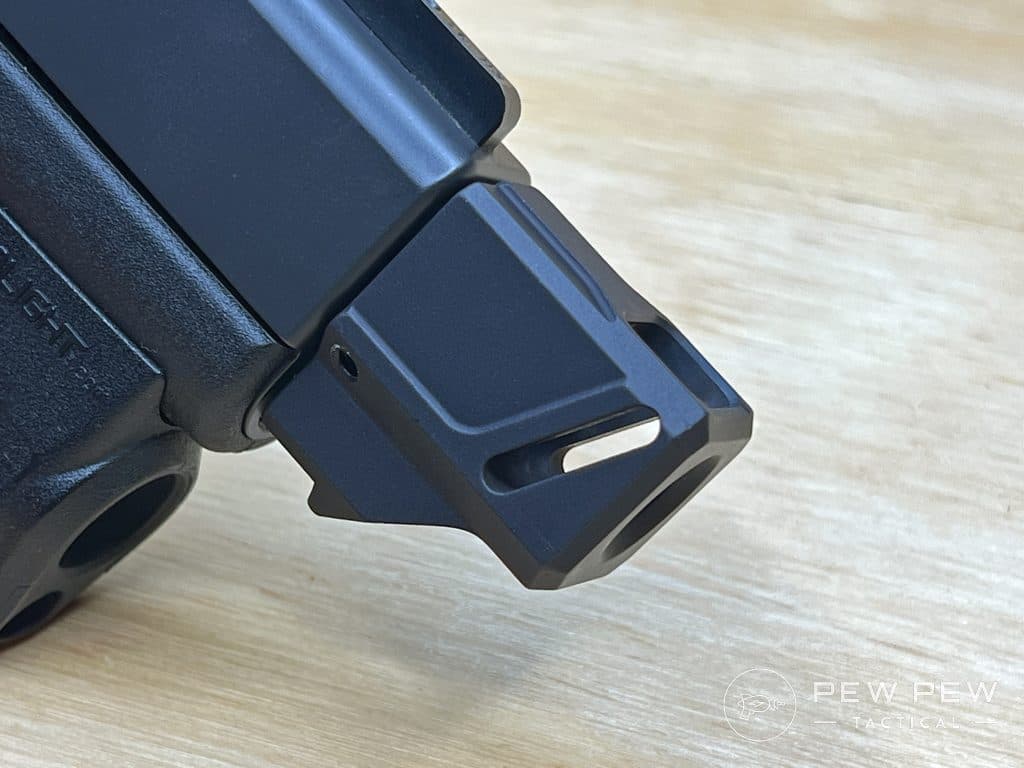
Once this was done, we screwed in the two set screws on either side of the device. With this done, we were off to the races.
I really wasn’t sure what to expect, but I started off slow enough, just seeing if I could tell any major difference. It was pretty clear I was getting back on target a little quicker.
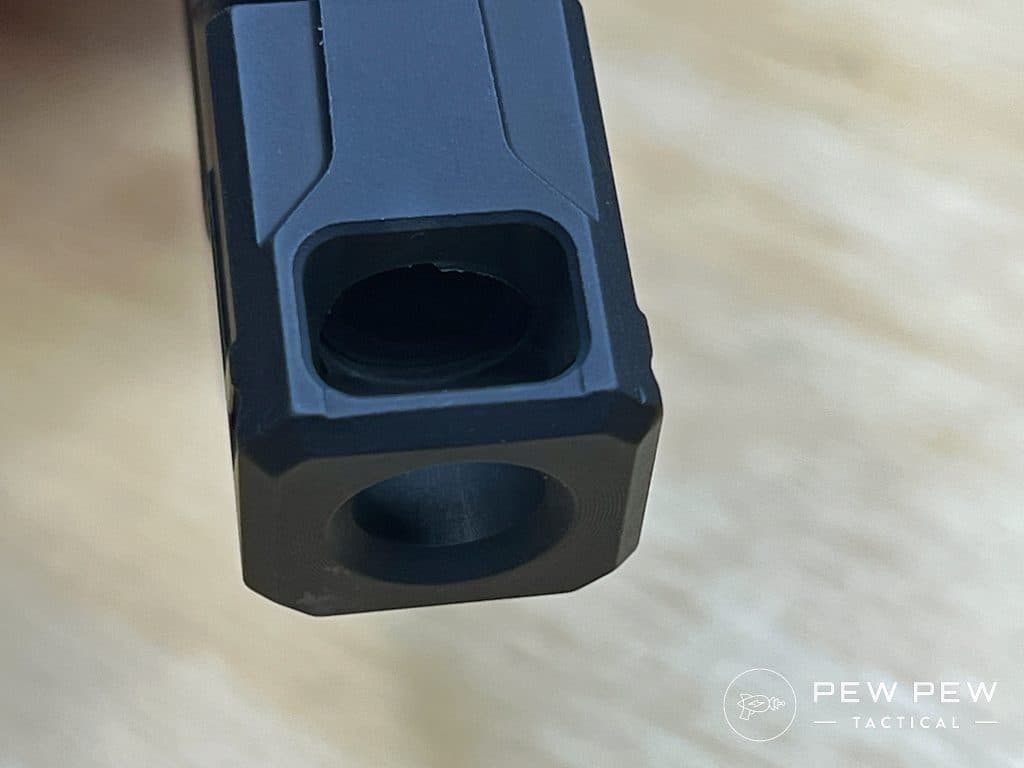
We ran both guns with the comps and could really tell the difference when we sped up the rate of fire. Normally I can only fire so fast before my rounds start walking up, then going over the target.
With the EXOS installed on both guns, we could fire at an impressive rate and still ring steel. The change in performance was impressive.
It’s no wonder when you look at the design. There are two tiny slots on the side, but a large hole up top to vent most of the escaping gasses in that direction.
2. Radian Afterburner
One of the downsides to running a comp is it adds a little extra length to your pistol. Sometimes, it’s enough to make your holsters not work anymore if they aren’t open on the bottom.
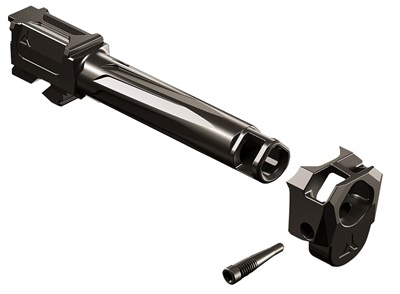
Radian took the idea of a compensator and made it even smaller. In this case, the Radian Afterburner only adds a half-inch!
That being the case, you might ask how it performs. We tested it out and can say it did extremely well!
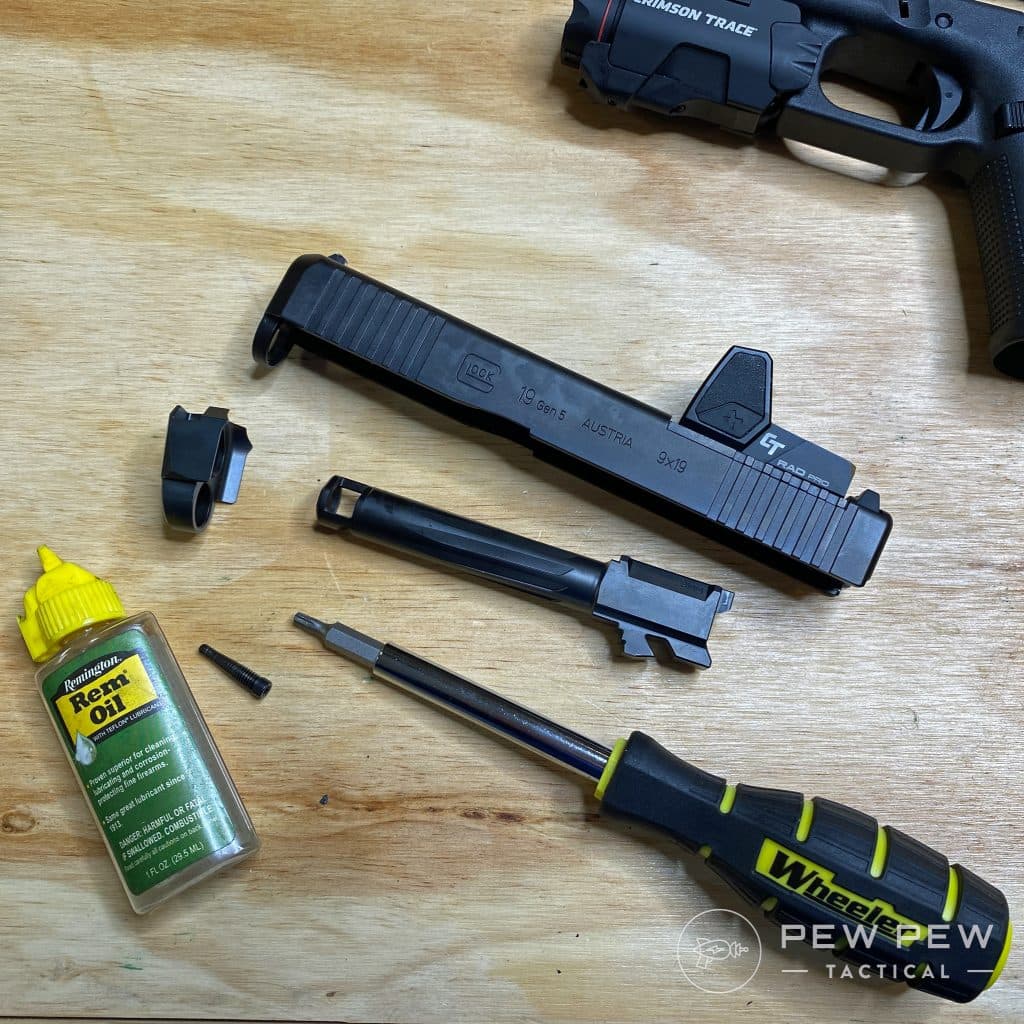
The Afterburner is part of a system that involves a proprietary barrel called the Ramjet. It is designed only for Gen 3, Gen 4, and Gen 5 Glock 19s.
The two work together to tame recoil. The fluted, match-grade barrel routes gasses to the comp, which expels them exclusively out the top.
The Afterburner and Ramjet mate up using a taper lock and angled v-groove on the underside of the barrel. A pin inserted on the side keeps the comp timed to the barrel.
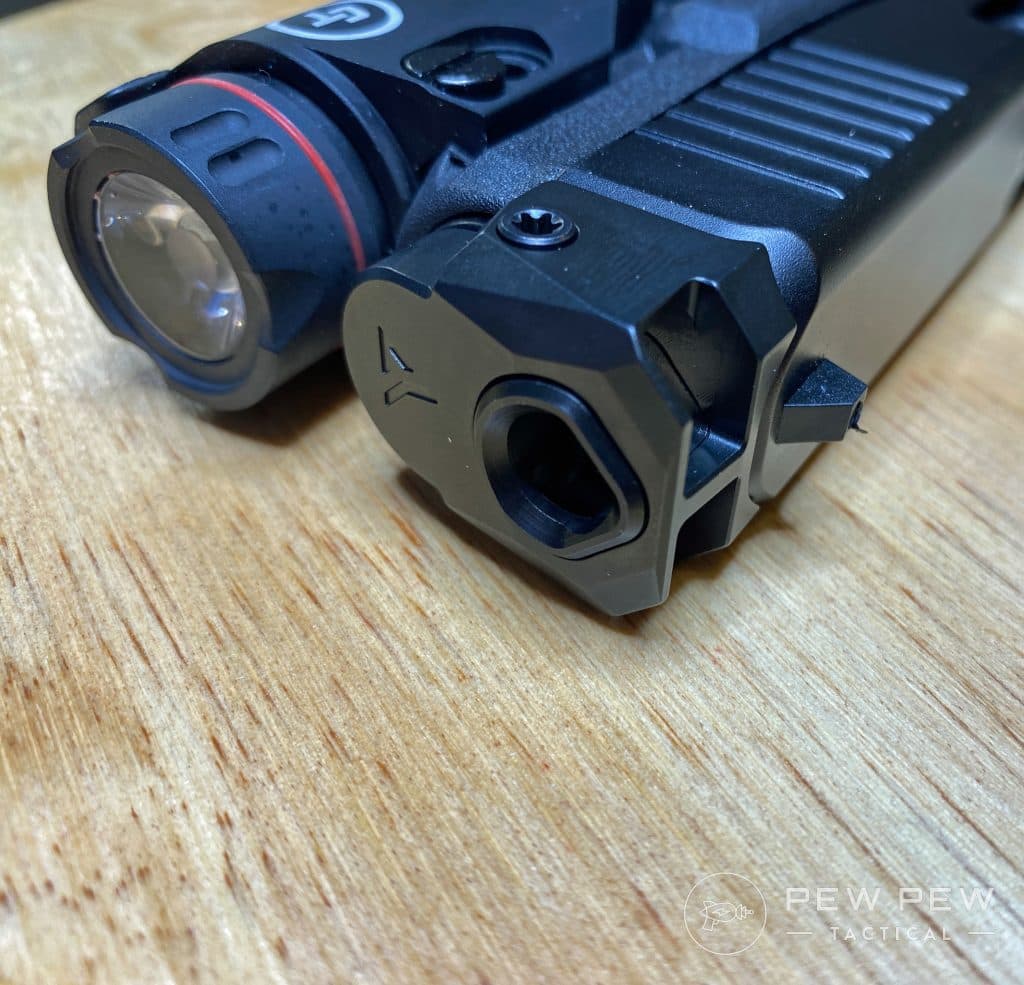
The result is impressive for such a small piece of hardware. Radian claims the combo reduces recoil up to 47% when using 115-grain ammunition.
During testing, we found a significant reduction in felt recoil and quick target reacquisition. However, I was eventually able to shoot too fast, which caused my rounds to track up and over the target.
But in my comfort zone, I was able to enjoy faster shooting speeds without missing. It’s also pretty cool that the comp only makes the G19 the equivalent length of the G17, so holstering issues need not be so daunting.
3. Agency Arms 417 Compensator
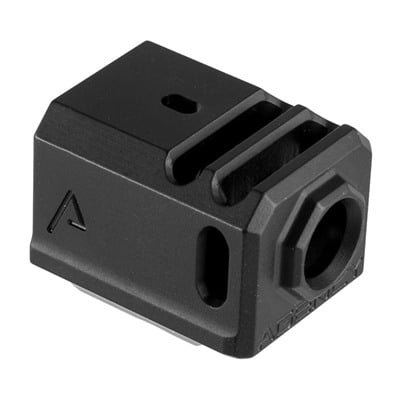
This compensator is made for a number of different Glock models from Gen 3 through Gen 5 and comes in a few different colors.
The 417 has single or dual port options for redirecting gasses. These are located on the top and sides.
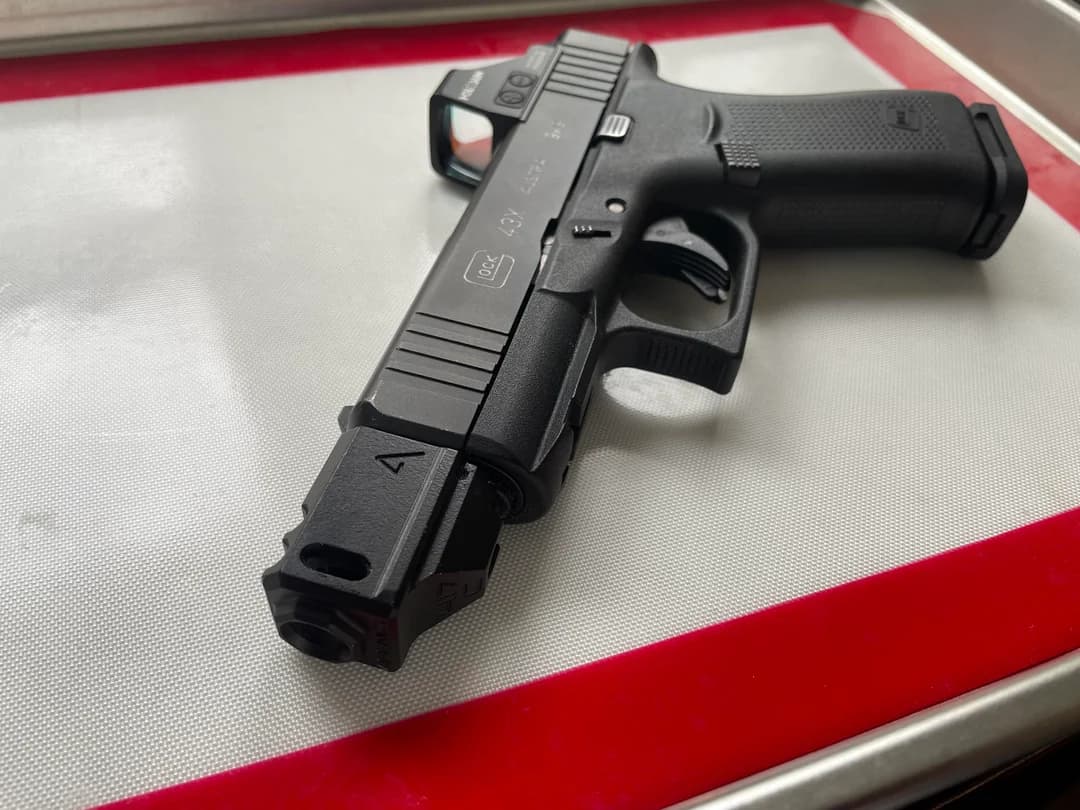
Another cool feature is the 417 has a hole to mount your front sight. This lets shooters take advantage of just a little bit more sight radius.
What's your take on the Agency Arms? Rate it below!
Readers’ Ratings
5.00/5 (1528 Votes)Your Rating
4. Tyrant Designs T-Comp Compensator
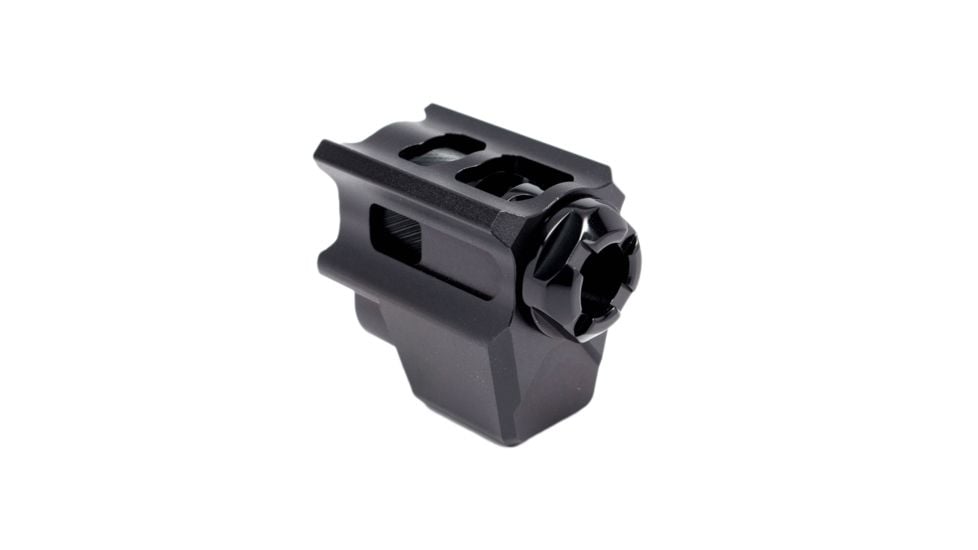
Like others, the T-Comp is designed to work with several Glock models across different generations. It differs quite a bit in its design, though.
Like most compensators, it relies on a threaded barrel, but the T-Comp has a barrel extension portion that threads on. There is another piece that looks like a slide extender that covers the barrel extension.
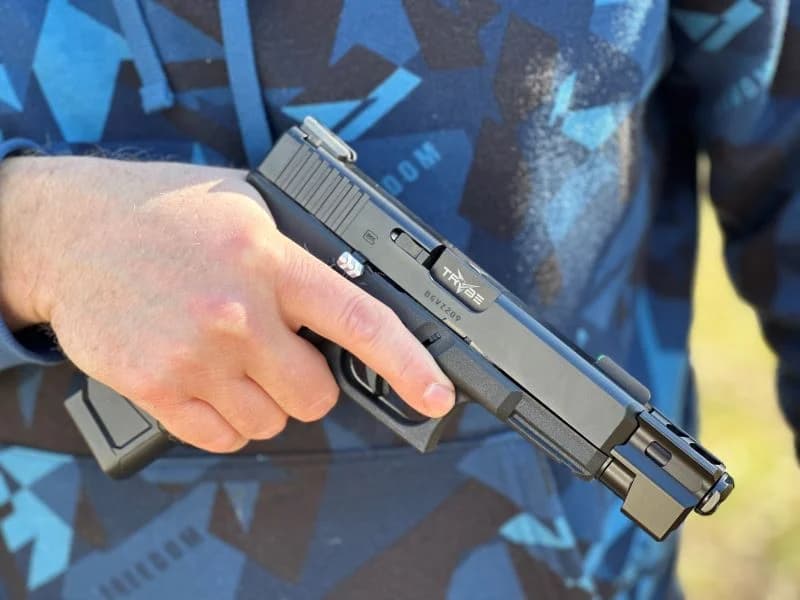
Both the barrel extension and slide extension are heavily ported and allow gasses to get directed up. This design definitely gets marks for looks.
5. Killer Innovations Velocity Compensator
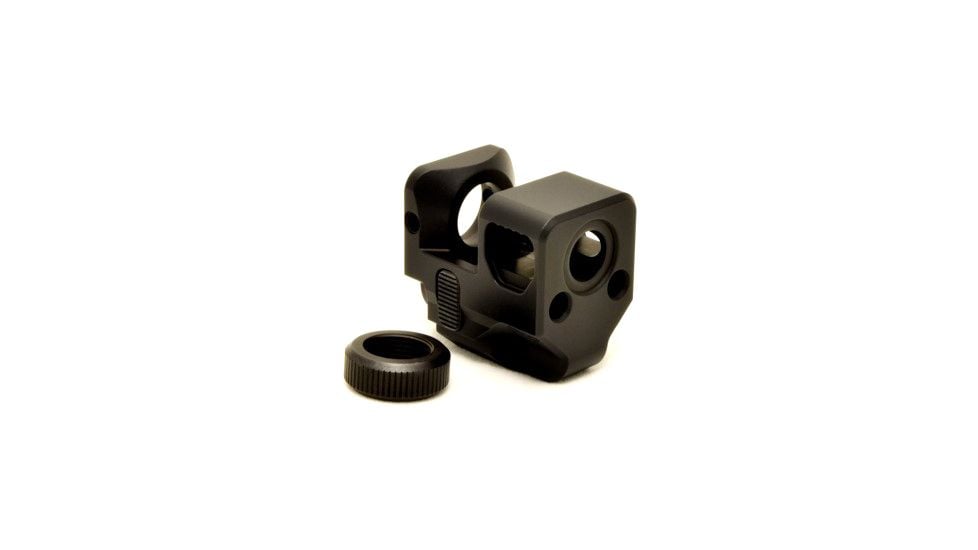
The Velocity Compensator from Killer Innovations has an innovative design feature. Sure, it routes gasses out to stabilize muzzle flip, but this innovation lies in the mounting.
Some compensators struggle to get a flush fit with the slide because of timing on the threads. The Velocity uses a large threaded locking ring to hold it right up against the shoulders of the barrel, making for a tight fit.
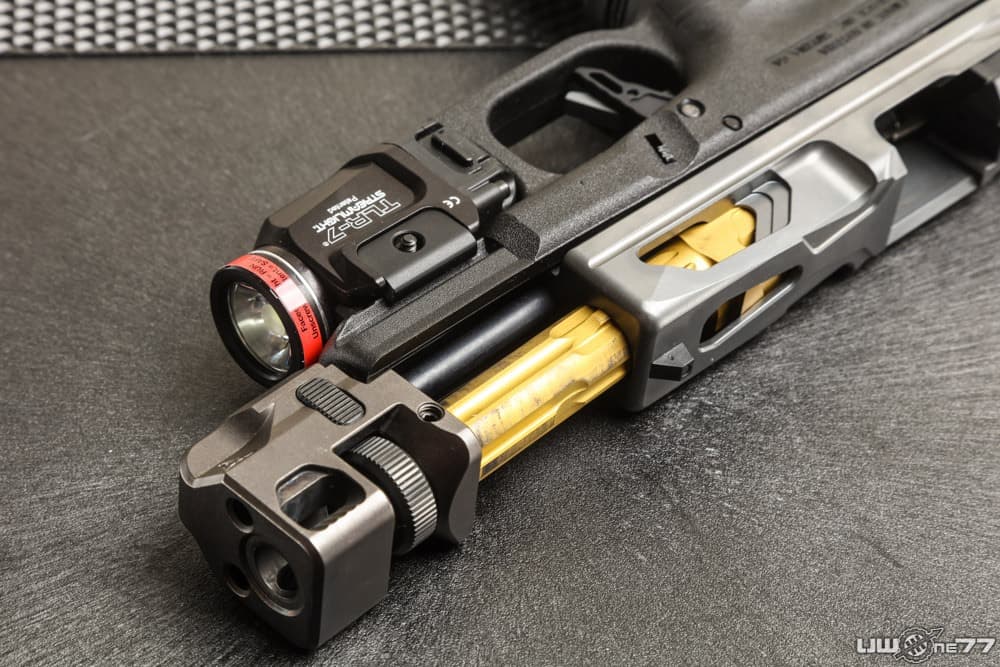
The company claims this also improves accuracy. The Velocity is available for the Glock G17 and Glock G19 in all generations.
6. Herrington Arms HC9C
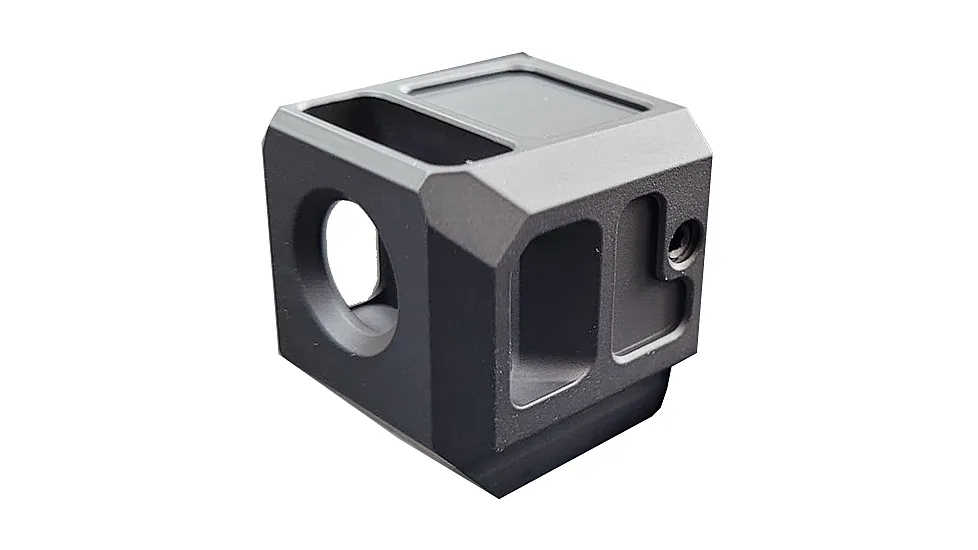
The Herrington Arms HC9C is probably one of the best compensators for people dipping their toes in the proverbial pool.
It’s pretty no-frills – but, at roughly 0.6 ounces, it does what it needs to do. The HC9C eliminates vertical and horizontal recoil.
What makes it so good for beginners? Well, it’s purpose-built for carry.
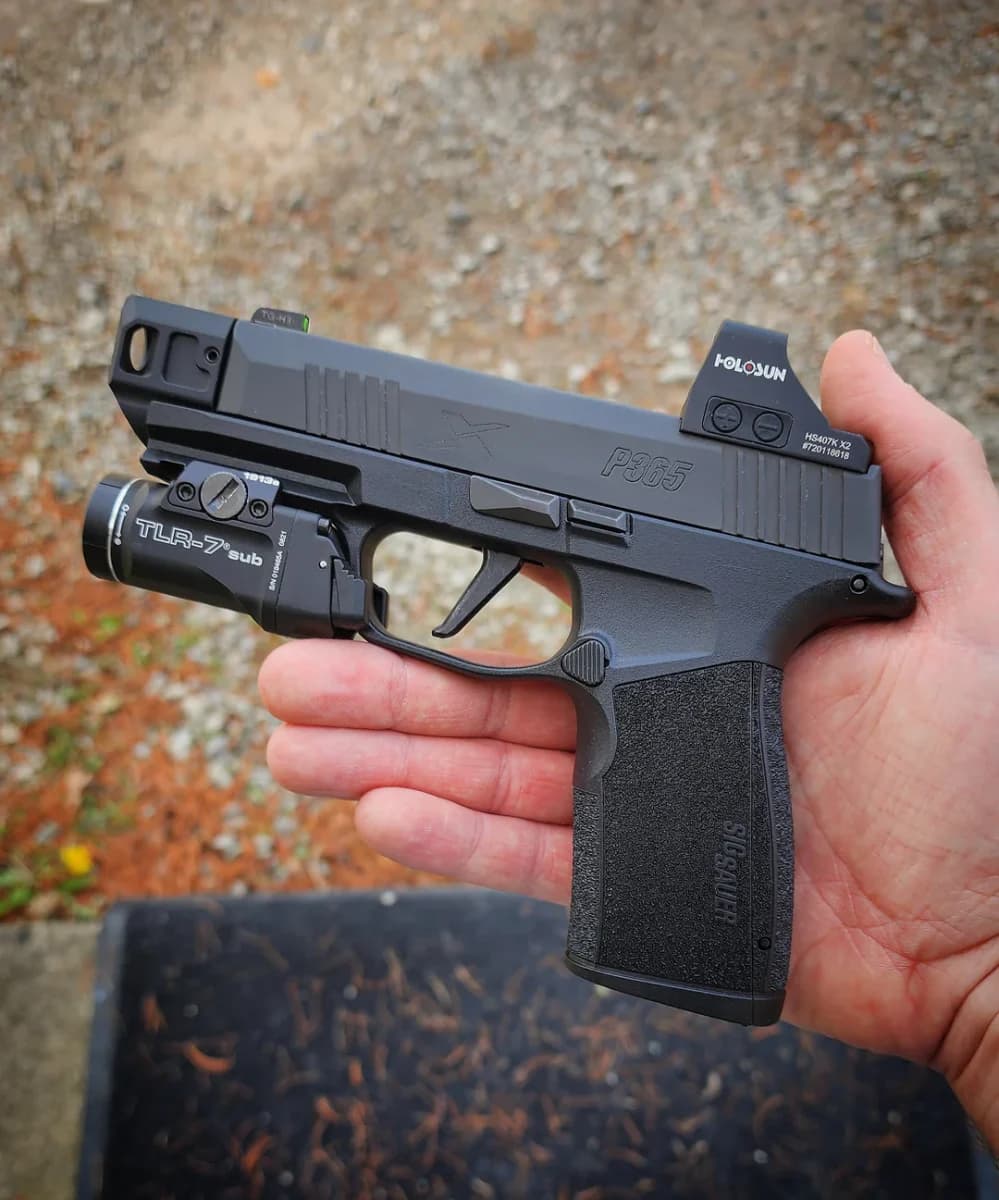
With a stock recoil spring, it’ll work reliably and eat any ammo you throw at it. For less than $90, a lightweight and well-engineered compensator is a steal.
Not rocking a Glock? No worries, Herrington has comps for Sig Sauer, Walther, and CZ.
7. Strike Industries Mass Driver Compensator
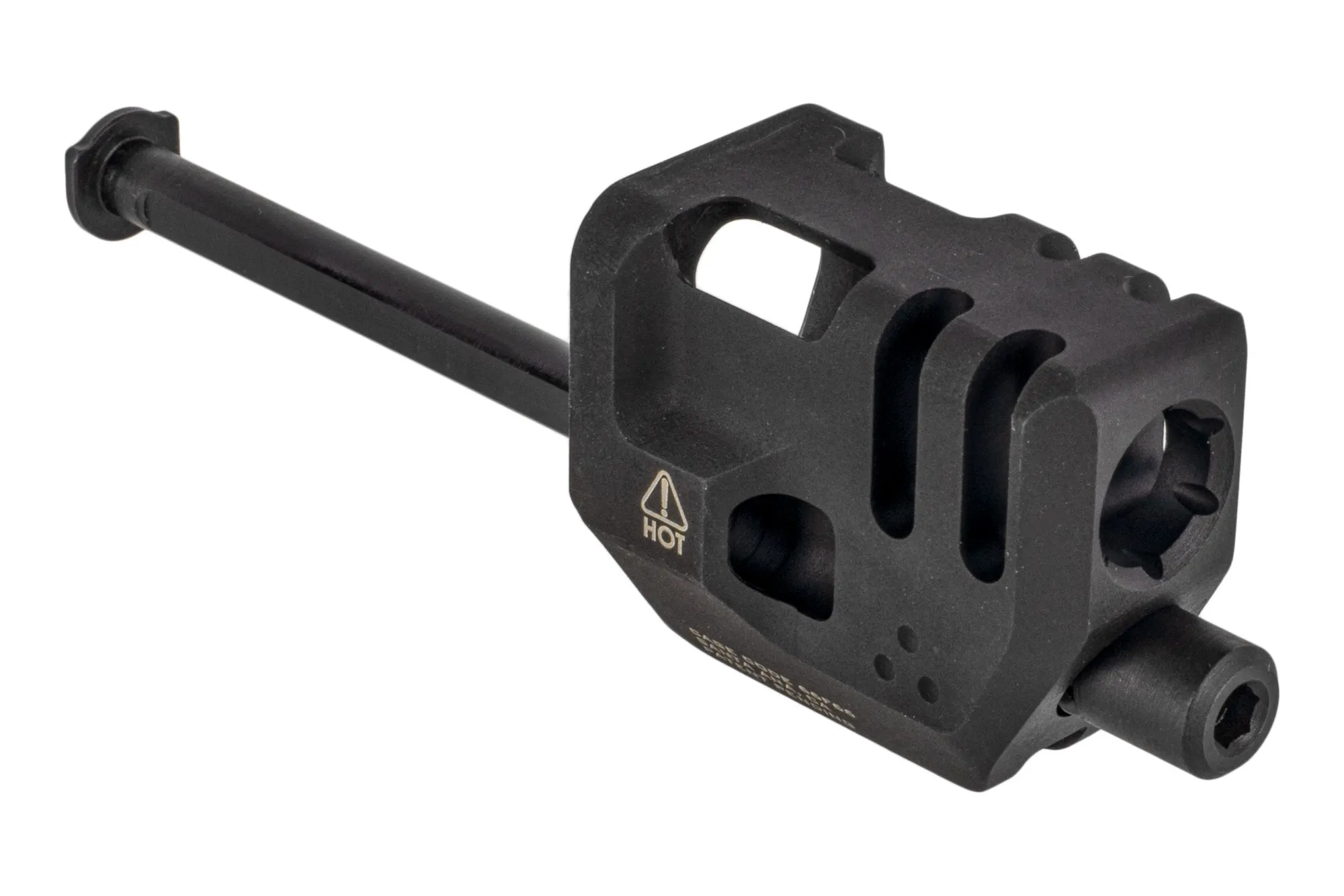
Although not the cheapest compensator on this list, the Strike Industries Mass Driver Compensator wins the title of “best budget compensator.”
Why? It’s an all-in-one package for $90. That means there’s no need to buy a threaded barrel or recoil spring.
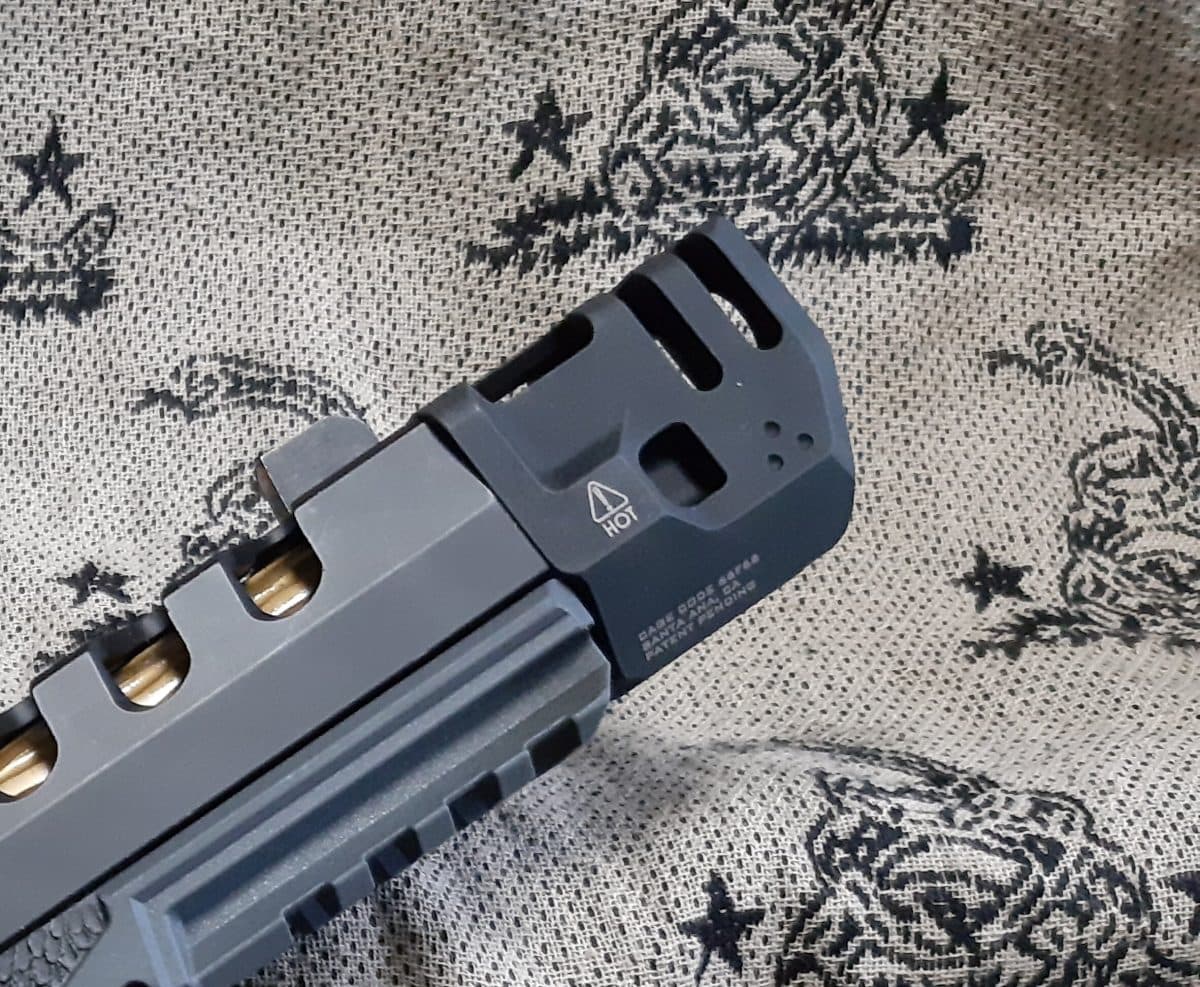
If you’re a researcher like me, you’re saving hours of “best threaded barrel for Glocks” and “lighter recoil spring” Google searches.
Saving money and time while also turning your gun into a space gat? Sounds like a win-win to me.
8. Griffin Armament Micro Carry Compensator
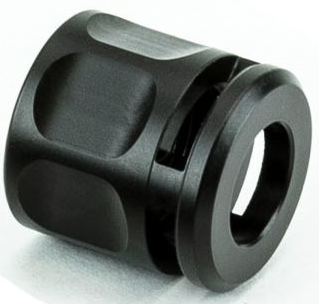
The Griffin Armament Carry Comp is slick. In fact, it’s so slick you might not even know what it is just by looking at it.
It’s so unorthodox in design that it goes full circle back to orthodox again. I mean, just look at it.
The comp looks like a comp and thread protector hybrid. Its low-profile design is perfect for carry, especially on smaller handguns like the Sig Sauer P365 or Glock 43X.
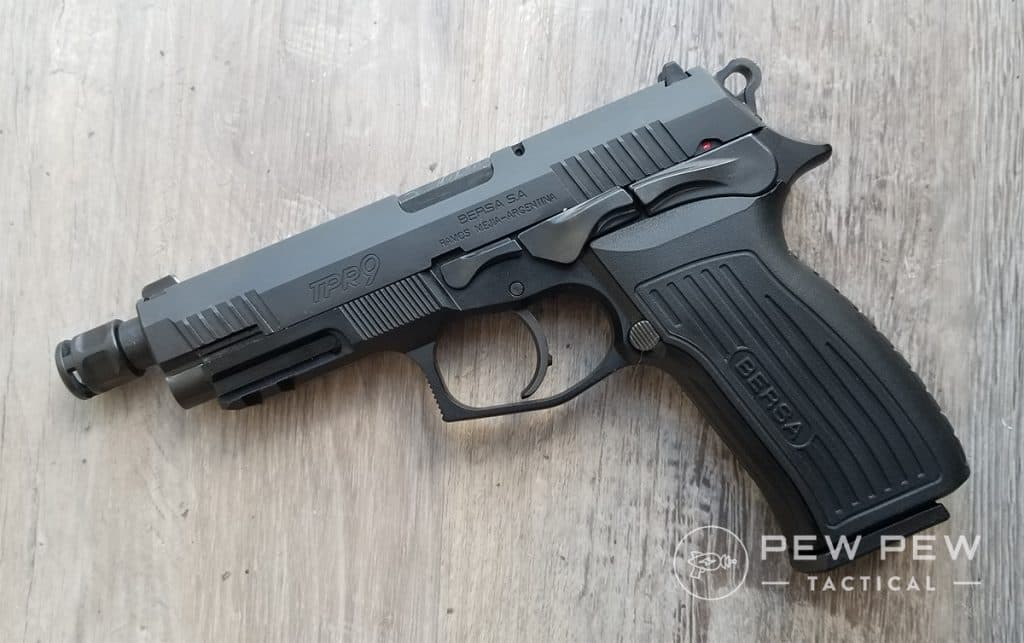
One drawback to having such a low-profile design is that you lose the counterweight effect that a larger compensator would have. But, having diverted gas is still a marked improvement over stock.
9. KKM 4-Port Compensator
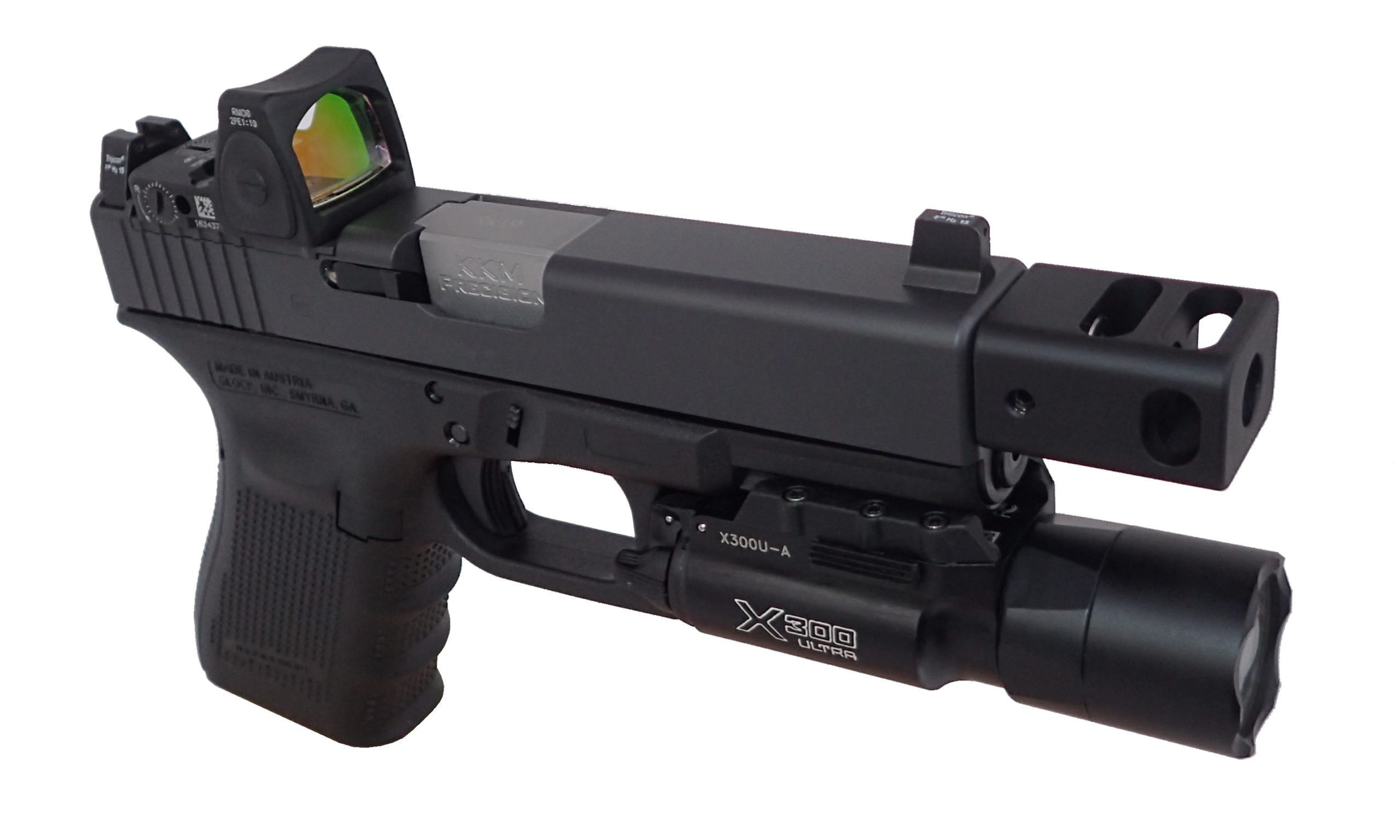
Don’t let the price tag scare you off -- this is the original.
The Roland Special KKM barrel and KKM Compensator join together in a package deal to create the flattest shooting, best-performing offering on this list.
It does everything it needs and sets the standard for Rolands and Faux-lands everywhere. Its track record speaks for itself.
Why You Should Trust Pew Pew Tactical
Input from this article came from our resident video content man, Sean Curtis, and freelance Writer Justin Chang.
Sean's experience draws from a law enforcement career of over two decades, where he received continued training for his roles in SWAT and as a POST-certified handgun instructor. He has been reviewing guns and gear since 2014, working for numerous outlets, including Police1.com, Guns.com, American Survival Guide, Gun World Magazine, and the Glock Annual.

Justin's firearms experience comes primarily from his military background and time spent within the competition shooting realm. He is also an avid recreational shooter with extensive experience around tactical gear and firearms.
Editing and adding to this article is Wyatt Sloan, Jr. Editor. Wyatt is an NRA-certified instructor with previous experience as a USPSA competitor. Wyatt personally owns over 200 firearms and has 10 years of home-based FFL firearm sales. He has used his extensive experience with firearms at large to test guns for Pew Pew Tactical — evaluating them based on our standards and metrics.
Editing this article is Editor-in-Chief Jacki Billings. With a bachelor’s degree in mass communication and a member of the Society of Professional Journalists, ACES: Society for Editing, and the Professional Outdoor Media Association, Jacki runs our experienced team of expert writers and editors. She has worked as a media professional for over 20 years and has specialized in gun media for almost 10 years. As Editor-in-Chief, she uses her expertise to set testing protocols and editorial standards across the site.
Final Thoughts
We are fortunate to live in a time where there are so many options to help tame muzzle flip!
All of these models are Glock-centric, but there are comps available for other gun manufacturers, too -- as we test them out, we'll be sure to add them.
And while the products we tested are great, they are no replacement for training. Grip and stance are foundational to shooting well.
With good skills established, you can take your flat shooting to the next level with these compensators!
Do you run compensators? Have you used any of these models? Let us know in the comments below, and be sure to check out our 7 Best AR-15 Muzzle Brakes & Compensators for rifle comps.
Latest Updates
October 2024 Update: Added additional information to product categories.