
[How-To] Stage Guns for Home Defense Safely

Quick access to a firearm can make a big difference in a home defense scenario. So, come read our tips for the best spots to store guns.

PPT Editor. Marine vet, hunter, and long-range shooter. Articles in 10+ major publications
We review products independently. When you buy through links on our site, we may earn a commission to help support our testing. Learn more.
Looking for ways to make your home safer? Adding some firepower is one way to do that.
If you ask us, a home defense gun is just as important as smoke detectors and a first aid kit. But buying a pistol and putting the box in your closet is not a good home defense strategy.
Today, we’ll teach you how to stage guns for home defense safely. We’ll also cover other important aspects of home defense, like laws pertaining to firearm storage, home-hardening techniques, and products that can make it all safer, easier, and more effective.
Knock knock, let’s get started!
Table of Contents
What You Need Before You Start
Must-Have Tools
- Firearm
- Home
- Plan that everyone in the household understands
Nice-to-Have Tools
- Weapon light
- Biometric safe
- RFID keys
- Hidden gun safe
- Security cameras
- Alarm system
How to Stage Guns for Home Defense Safely
Step 1: Assess Your Internal Risks
Before you get too carried away, let’s take a step back and look at your living situation.
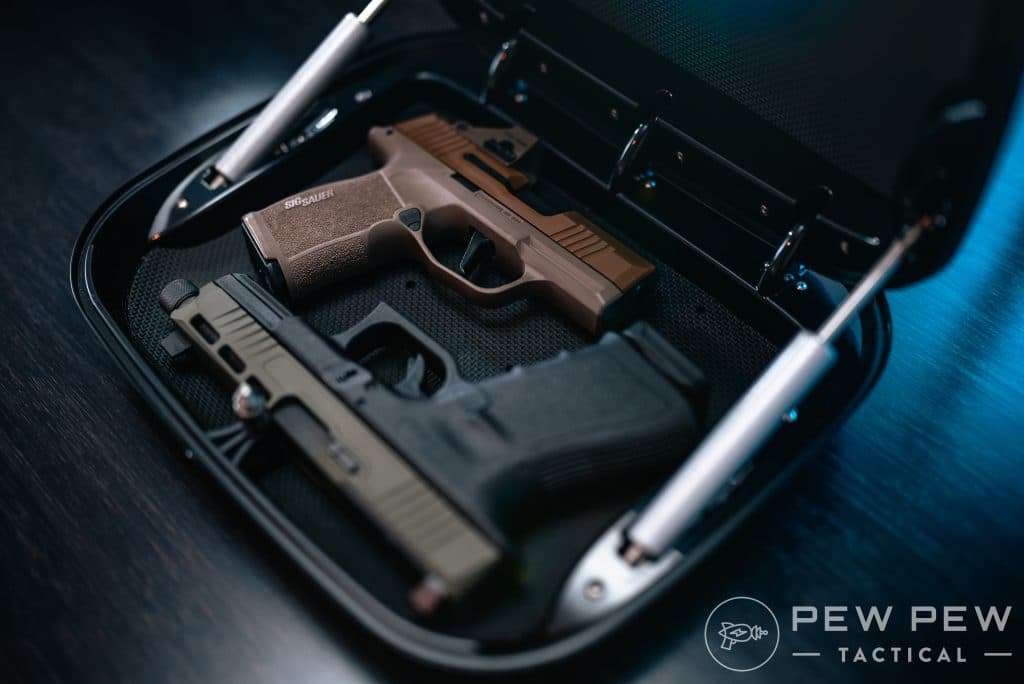
Do you have kids in the home? Do you live with roommates? Are there guests, workers, or landlords who have access to your home? The first step to keeping them safe is making sure your guns don’t end up in the wrong hands.
Some people can safely lay a gun on the nightstand and call it a day. Others may need to use a safe.
Federal law does not require you to lock up your firearms, but 18 USC subsection 922(z)(3) offers protection from civil penalty if you do.
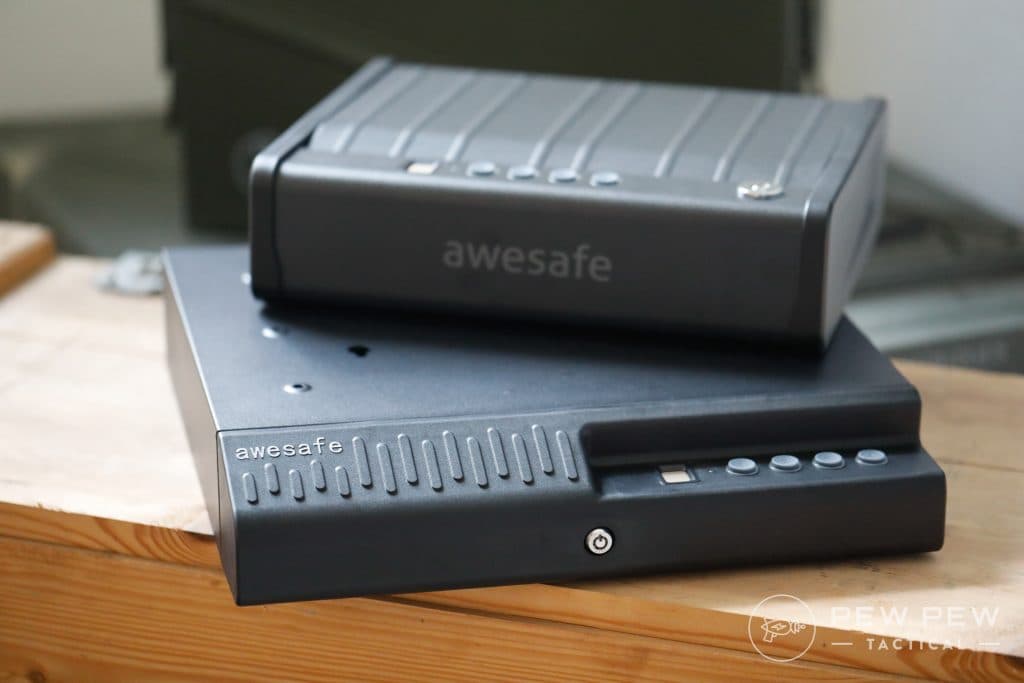
According to Giffords Law Center, 26 states currently have some degree of legislation regarding firearm storage. These laws vary widely, so you’re responsible for understanding what’s required in your state.
And remember, laws change.
Step 2: Assess Your External Threats
Once you know you aren’t making things worse by improperly staging a gun in the house, you can start planning for threats that justify the defensive use of a firearm.
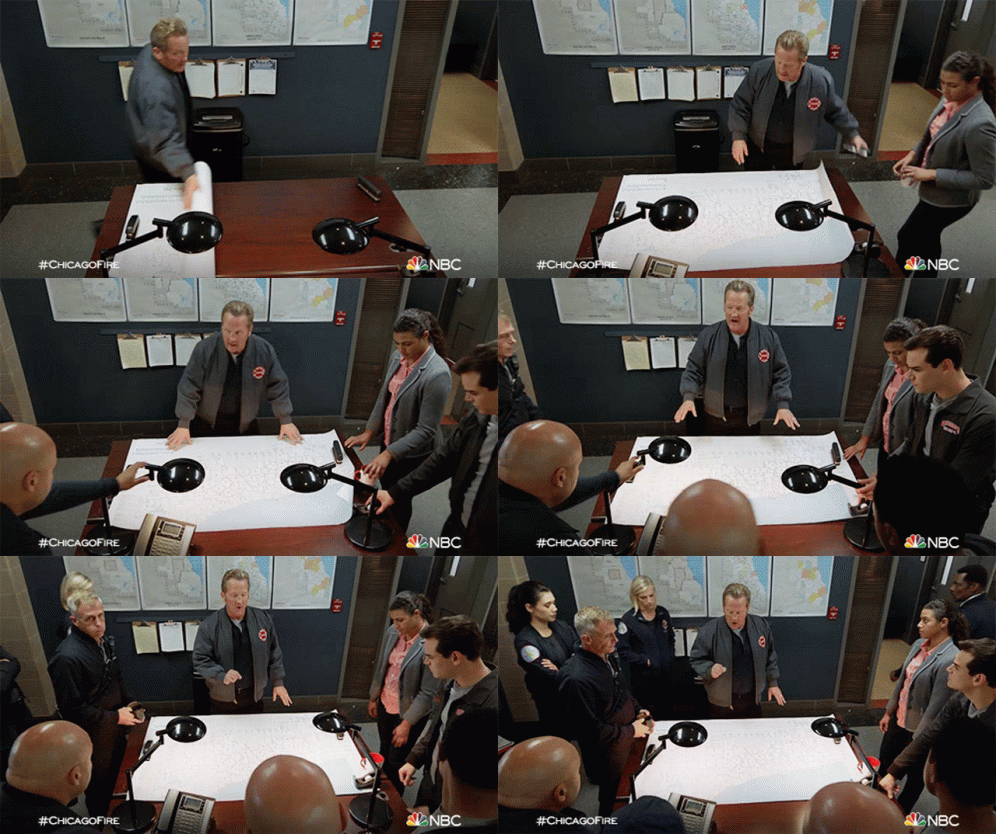
Are home invasions common in your area? Do criminals tend to operate alone or in groups where you live? Are you more vulnerable during certain times of day or in certain locations in your home? Do you have an alarm system, security cameras, or animals that might give you advanced warning of a threat?

Trends in home invasion data vary by geographic location, season, time, and home type. Sifting through crime statistics from your local police department or sheriff’s office will give you a better idea of how to protect yourself in your home.
Step 3: Stage Your Gun for Home Defense Safely
So, you’ve figured out how to store a gun safely, and you understand the threats. Where should you keep your home defense gun? You have options, and there’s no universal right answer.
Carry Your Home Defense Gun
The best option is to, as the kids say, keep that thing on you. If you always have a CCW pistol on your waist with an IWB holster or AIWB holster, you’ll never have to go searching for it if someone kicks your door in.

Not interested in wearing a holster all the time? Consider an off-body carry bag. Not only does this allow you to move your pistol around the house as you go about your day, you can also pack your phone, wallet, a flashlight, and medical supplies so you’re always ready to hit the ground running.

At the time of writing, 29 states have constitutional or permitless carry, meaning you don’t need a permit to carry a concealed pistol. Some that do issue permits waive that requirement when you’re inside your home.
Store Your Home Defense Gun in a Safe
There was a time when buying a gun safe meant wheeling what looked like an armored refrigerator into your house and opening it with a mechanical dial fit for a heist movie.

Not anymore. Those safes still exist and have a purpose, but they’re not your only option.
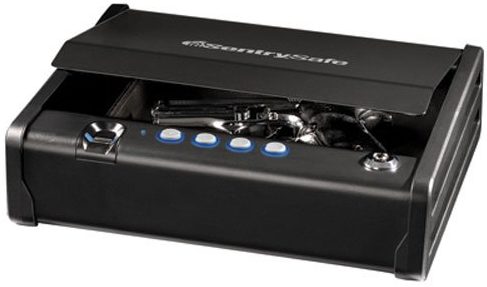
Rapid-access gun safes from brands like SecureIt, SentrySafe, and Vaultek use digital keypads and biometric scanners to keep your guns off-limits without slowing you down when you need them.
Want a mechanical alternative? We like Steelhead safes for their analog simplicity and heavy metal construction.
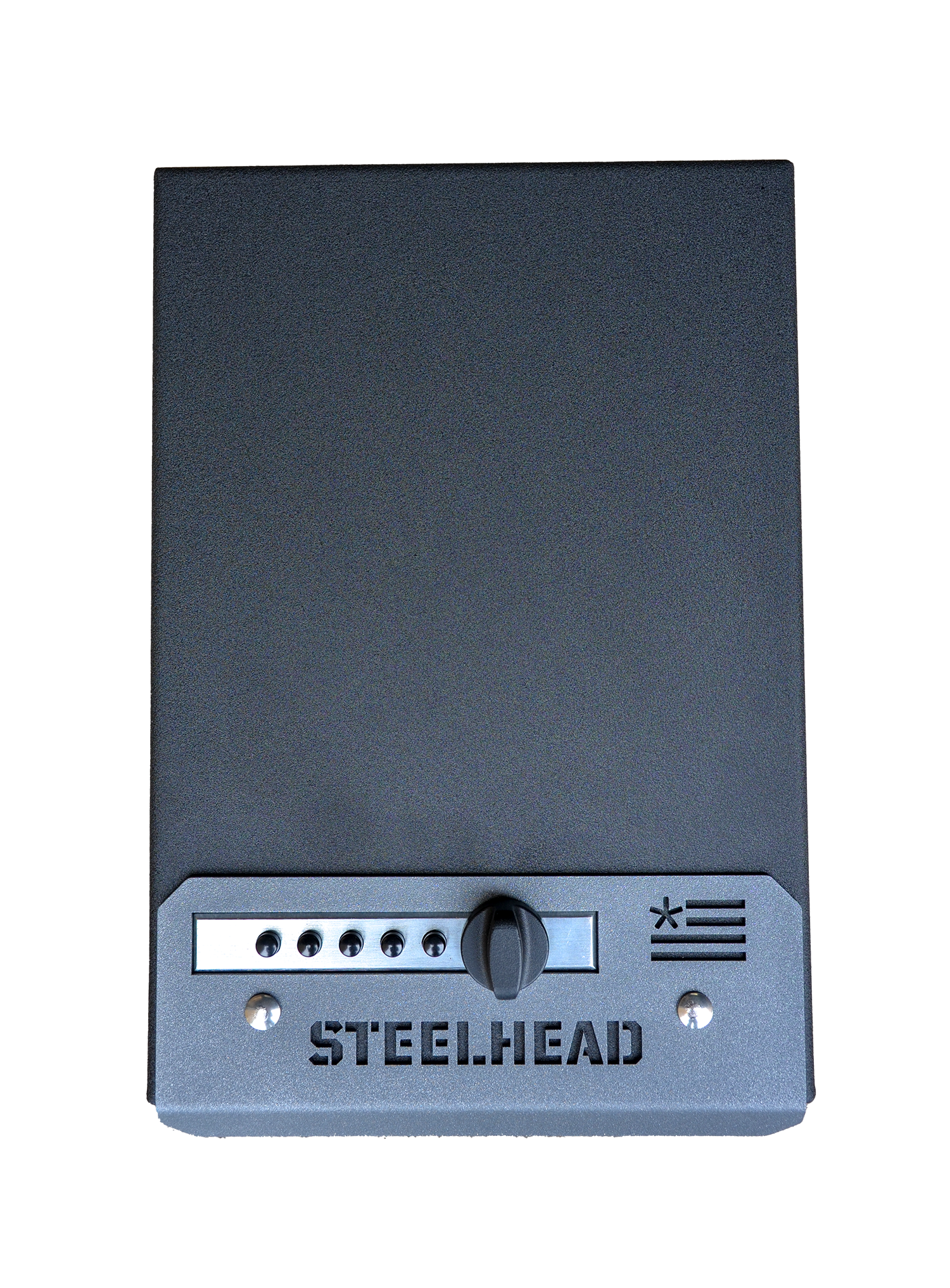
Modern gun safes come in all shapes and sizes. Mount a pistol to your desk, lock a tactical shotgun under your bed, or anchor a lock box inside your car. You’re only limited by your creativity and budget.
Disguise Your Home Defense Gun’s Location
Not wild about putting a lock between you and your means of self defense? There’s another way: hidden gun safes.
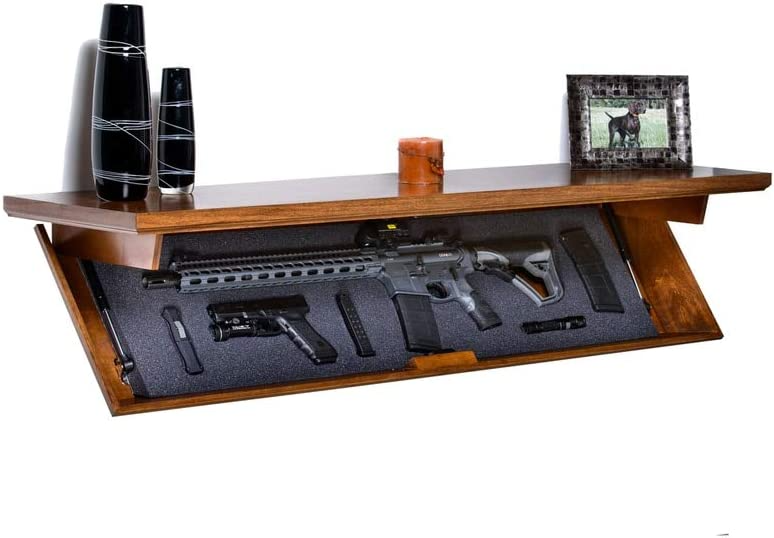
Clever products that mimic furniture and everyday items will hide your gun in plain view. Some of them lock and unlock with a magnet or RFID key that has to be placed in just the right spot. Others don’t lock at all, but who’s going to randomly start disassembling your clock or rearranging decorations on a shelf?
Remember Vaultek? The company’s Smart Stations pack all the high-tech goodies into a safe that looks like an alarm clock. They tell the time, charge your phone, and secure a pistol within arm’s reach.
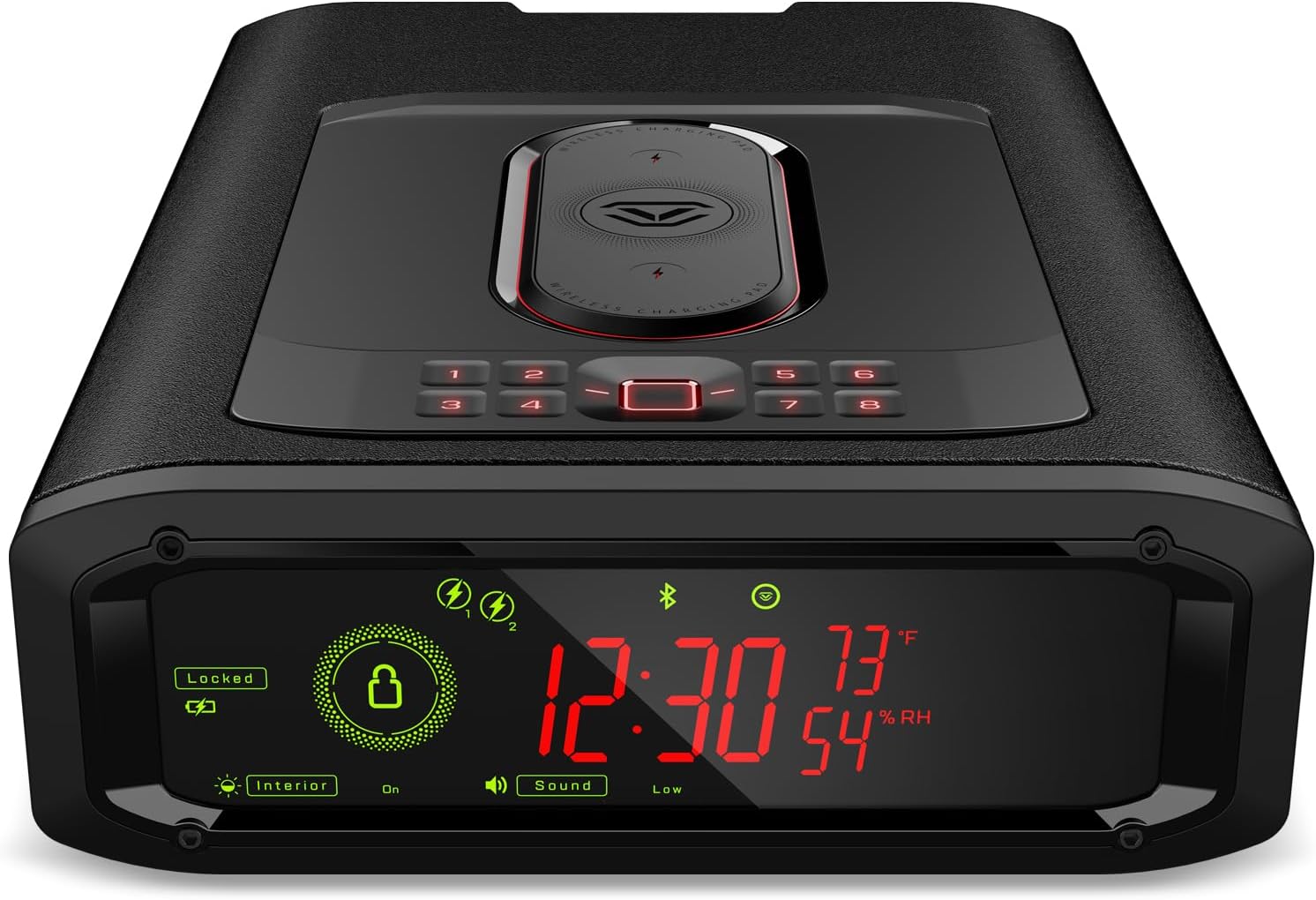
Hidden gun safes offer the added benefit of keeping a low profile. Guests and burglars might not be able to open a handgun-sized safe on your nightstand, but they probably know what’s in there.
Regardless of which kind of safe you like, the key is figuring out where you’re most likely to be when you need to access your gun, which is a guessing game at best.

Most people probably opt for the bedroom, since home invasions usually happen at night. If you have the ability to stage multiple guns, feel free to branch out.
Choosing the Right Home Defense Gun
Any gun can be a home defense gun, but some are better than others.
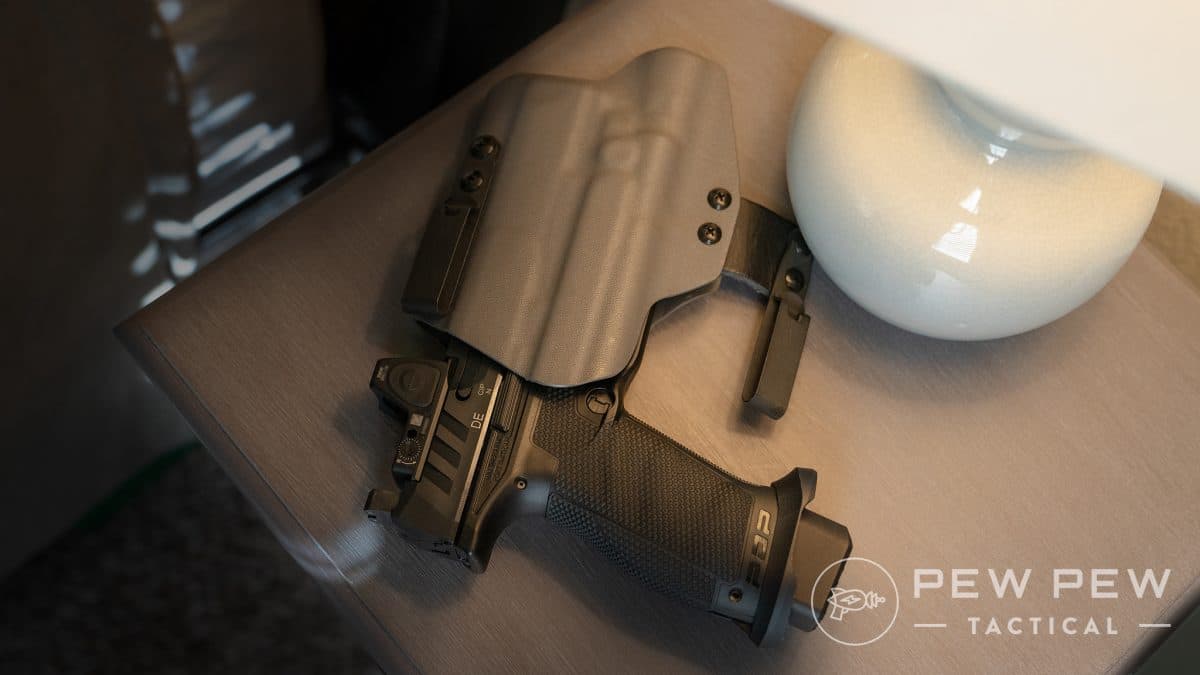
Most of us here prefer pistols because they offer a good balance of power, capacity, concealability, and maneuverability.
Shotguns are always popular for home defense, although they have some drawbacks – primarily capacity and overpenetration.
Rifles might sound excessive to some people, but that’s exactly what the police are going to respond with when you call 911 (more specifically, an AR-15). Choosing one for home defense is certainly a viable option.
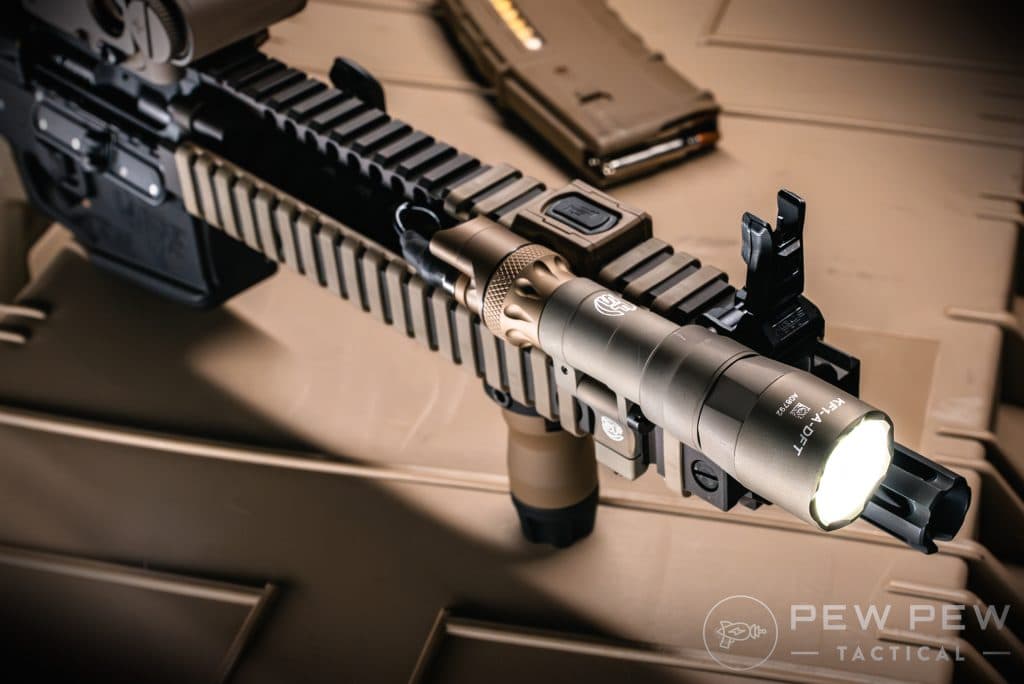
Whatever you pick, I recommend adding a weapon light and stocking up on quality defensive ammo.
As with every other aspect of home defense, you need to set aside the forum chatter and figure out what’s right for you.
Step 5: Harden Your Home
A gun is not a comprehensive home defense plan. Consider taking additional steps to harden your home, including the following.
- Install security cameras to give you advanced warning of potential threats.
- Install an alarm system to alert you to a break in your home and let intruders know they’ve lost the element of surprise.
- Trim bushes, cut tree limbs, and modify landscaping so that it makes accessing your home harder, not easier.
- Mix up your daily routine so it’s difficult to predict when your home is vulnerable.
- Don’t advertise when you’re alone or away with careless conversations or social media posts.
- Maintain good relationships with your neighbors so they can raise the alarm if they see something suspicious.
Step 5: Work as a Team
Unless you live alone, your home defense plan needs to account for everybody. Involving them early can help keep everyone safe.

If you would need to round up little kids during a home invasion, plan for that. Decide who’s job it is to get them and figure out the best way to make it happen.
Maybe everyone in the home is capable of coming to you. Make sure they know that’s their job, and come up with a system to get them into your room safely without mistaking them for an intruder.
Everybody’s input matters, so let your family or roommates play an active role in coming up with contingency plans.
Step 6: Train
Finally, stress-test your system.
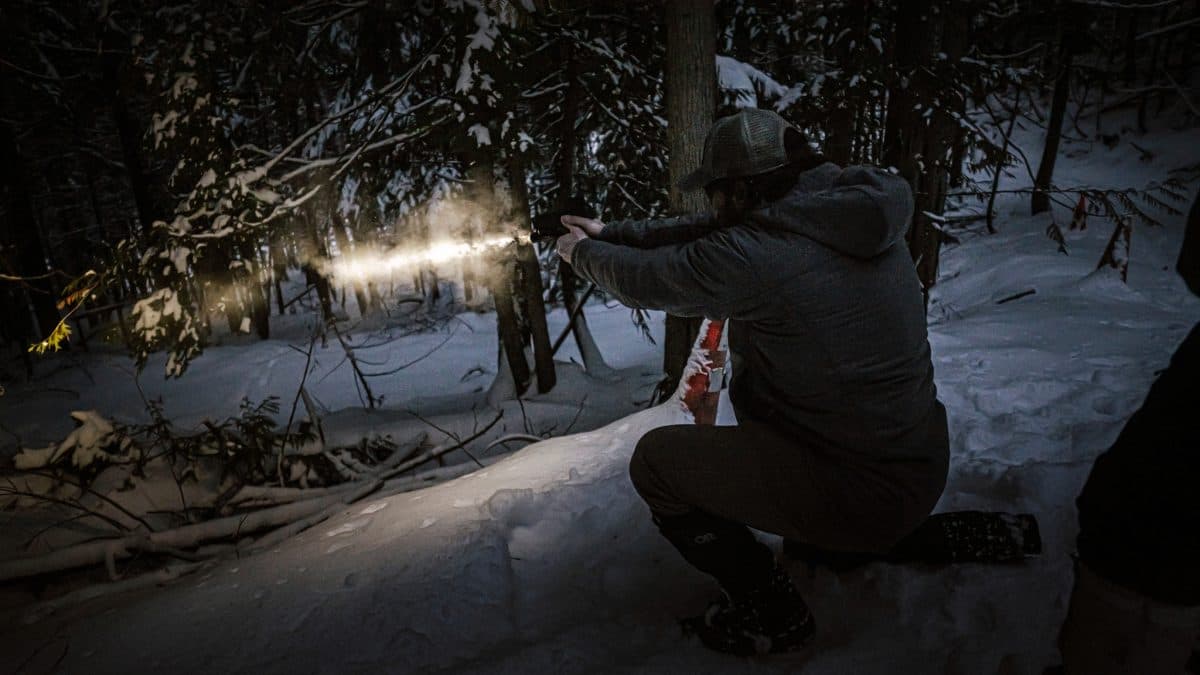
If you use a safe, practice opening it under stress by incorporating a timer, darkness, and distractions. Run drills so everyone can go through the motions and get positive reps before their lives depend on it.
If you’re a great marksman but can’t get your gun up and running when it counts, there’s a hole in your skill set.
Common Mistakes to Avoid

- Not being secure enough: Being cavalier with guns is never a good idea. Think about who could get their hands on your home defense gun without your permission (kids, dog-sitters, people working on the house – you name it), and take steps to prevent that from happening.
- Being too secure: At the same time, don’t go overboard with caution. If you have guns locked in a bedroom safe, ammunition locked in a garage safe, and a stack of empty magazines in your range bag, they aren’t going to do you any good in a crisis.
- Not sharing the home defense plan: It doesn’t matter how good your home defense plan is or how much expertise you have if nobody else in the house knows what they’re supposed to do in an emergency. Talk it over and make sure everyone in the house knows what to do.
- Not training: The guns are staged and the family knows the plan. But if the last time you rehearsed opening the safe and executing your plan was… wait, when was that again?
Meet the Experts
Writing this article is Scott Murdock. Scott is a Marine Corps veteran who competed and qualified as a rifle and pistol expert while in service. In addition to shooting, Scott has written for a variety of publications, testing, researching, and evaluating guns and gear. He brings that knowledge and skillset to this article, editing and fact-checking for accuracy.
Editor-in-Chief Jacki Billings runs our experienced team of reviewers. She is a National Rifle Association Basic Pistol Instructor as well as a member of the Society of Professional Journalists, ACES: Society for Editing, and the Professional Outdoor Media Association. Jacki has a bachelor’s degree in journalism and has worked as a media professional for close to 20 years, specializing in gun media for almost 10 years. With 2,000+ articles to her name, she uses her professional journalism and editing experience to set testing protocols and editorial standards for Pew Pew Tactical.
Final Thoughts
Home defense is a complicated and never-ending pursuit, but protecting the people you care about is worth the effort.

While there isn’t a one-size-fits-all solution, you now have a solid enough understanding of how to stage guns for home defense that you can start to develop a plan that works for you.
As always, drop a few tips in the comments so we can all learn together!
How do you stage your home defense gun? Let us know in the comments. Looking for something new? Check out our guide to the Best Home Defense Guns!
Latest Updates
- September 2025: Complete overhaul with new instructions, photos, and supporting content.