
6.8x51mm (.277 Fury): Why did the U.S. Army Choose It?
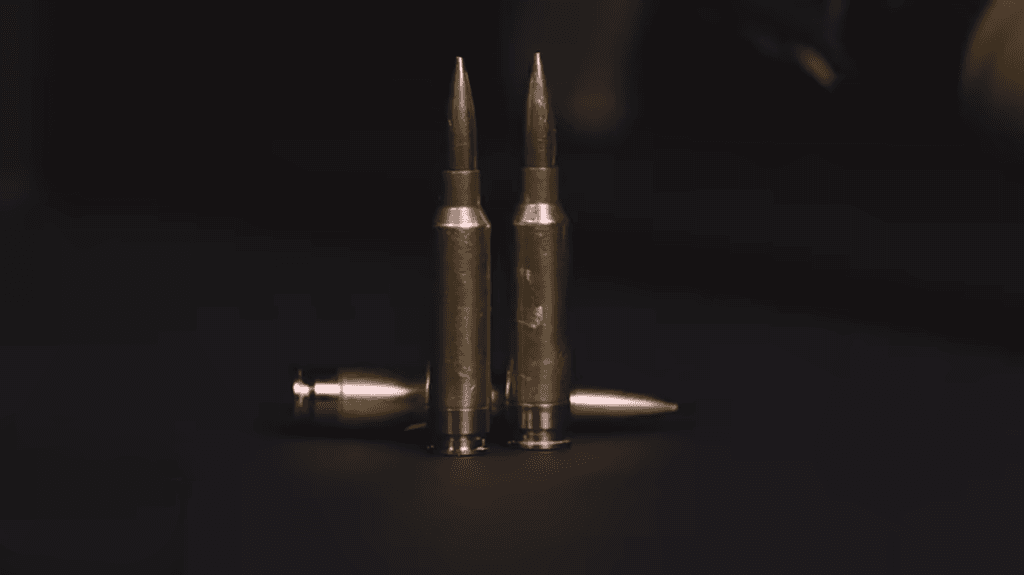
We take a look at the 6.8x51mm Common Cartridge (.277 Fury) round to see what made it so appealing for the U.S. military.

Locksmith. Outdoorsman. Author of 3 books on survival & prepping
We review products independently. When you buy through links on our site, we may earn a commission to help support our testing. Learn more.
In 2022, the U.S. Army finally concluded its search for a new battle rifle, lightweight machine gun, and cartridge, choosing Sig Sauer’s design.
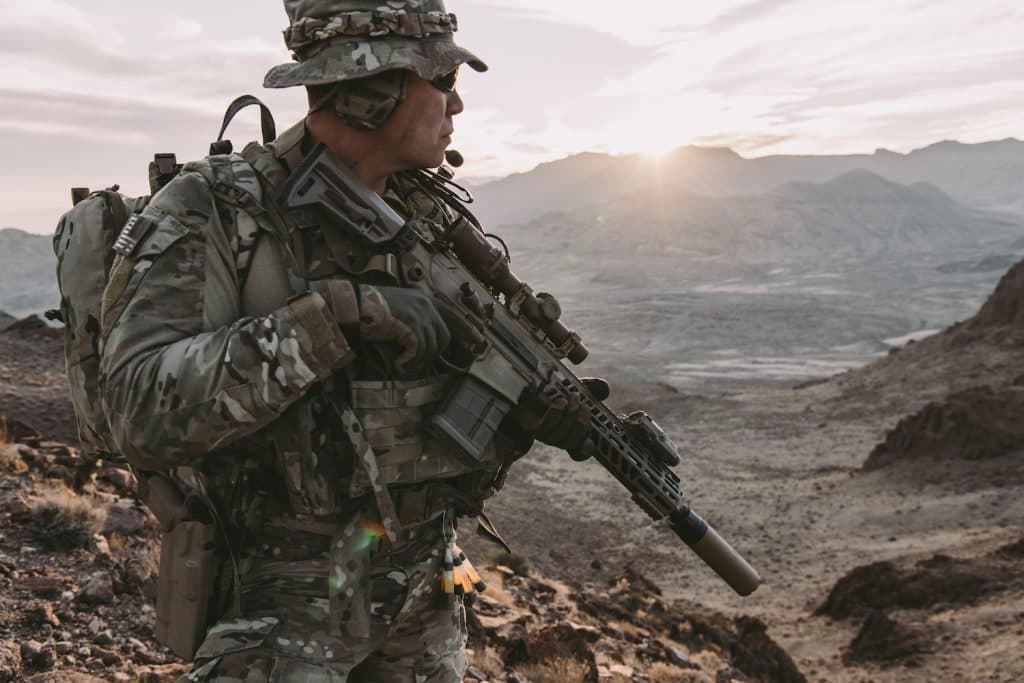
The iconic 5.56mm appears to have largely been superseded by the 6.8mm. But what do we know about this chambering? And what, specifically, do we know about the 6.8x51 Common Cartridge?
Let’s take a closer look…
Table of Contents
What Is the 6.8 Common Cartridge?
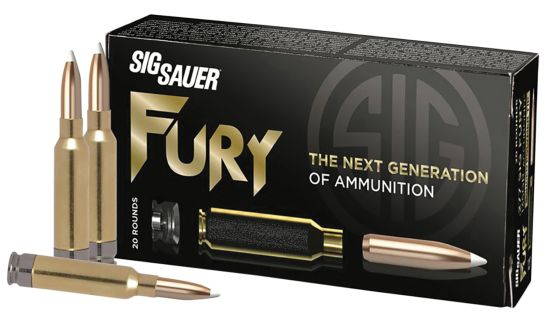
The 6.8x51mm Common Cartridge, also known as the .277 Fury, was developed by Sig Sauer as part of the United States Army's Next Generation Squad Weapon Program...more on that in a minute.
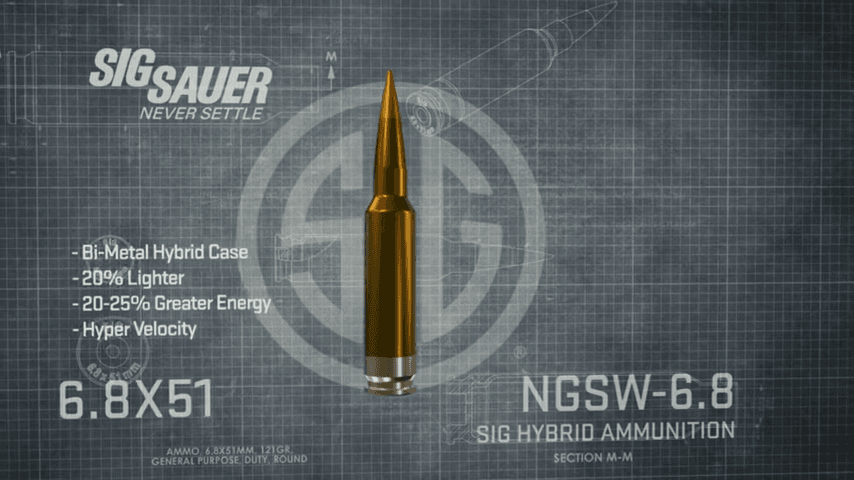
The round is a hybrid three-piece with steel case head and brass body. Its case shares the same length as the .308 Winchester.
The Hunt for a New Cartridge
After 2001, numerous stories started to trickle out of Afghanistan of enemy soldiers requiring multiple hits from the 5.56mm. A harder-hitting cartridge was needed, and so the Army went to work.
Collaborating with Remington in 2002, the Army Marksmanship Unit began the development of a stronger cartridge. The result was the 6.8x43mm SPC – the 6.8mm.

By 2004, the Army had realized how great of a round they’d helped create and were ready to add it to their arsenal. They did so with the M468.
Though the M468 wasn’t widely adopted – 5.56mm still reigned supreme – the Army knew they had found something good.
As body armor became more prevalent on the battlefield, the Army knew they had to apply their newfound discovery across a wider swath of their troops. The hunt for a new weapons system accommodating the 6.8mm began over a decade later.
Is the 6.8x51mm a Good Fit for the Army?
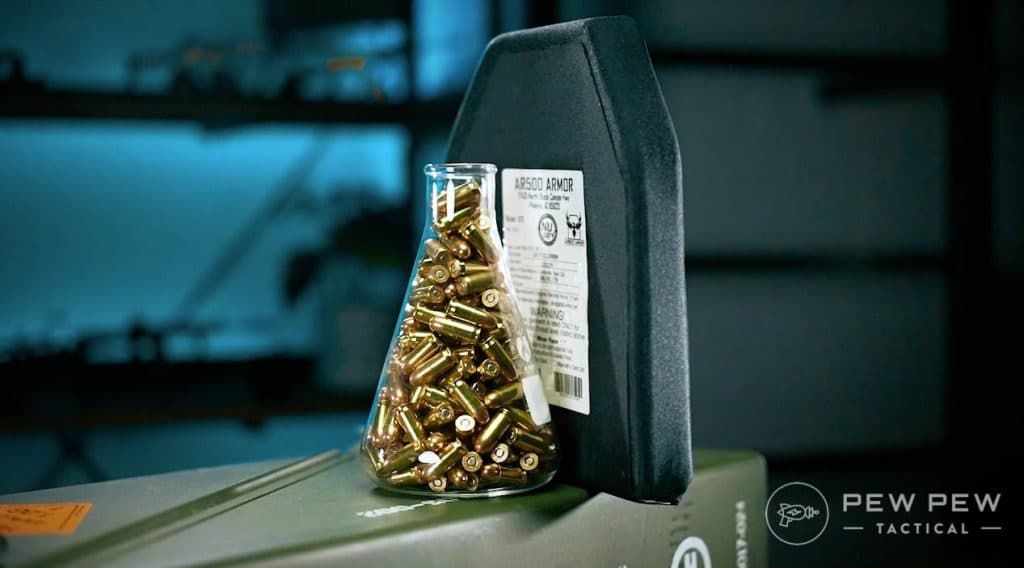
Body armor has come a long way since the widespread use of flak jackets throughout the Vietnam War. On the modern battlefield, body armor is ubiquitous. It’s grown so affordable that it has found its way into the hands of men across the globe.
The problem is that 5.56 ammunition only has an effective lethal range of roughly 300 meters. If the enemy is beyond that distance and wearing body armor to boot, you have a rifle that can’t neutralize the threat in time.
In contrast, the new 6.8mm ammunition has an effective lethal range of 600+ meters, a higher velocity, more energy hitting being transferred to the target, and a lighter cartridge.
While the Army won’t say whether the new cartridge can penetrate body armor at that distance, the silence suggests yes.
The new ammunition is also lighter than a traditional 100% brass casing and can handle higher pressures than traditional casings. This, in turn, gives it a significant increase in velocity and improved terminal performance compared to the 5.56mm.
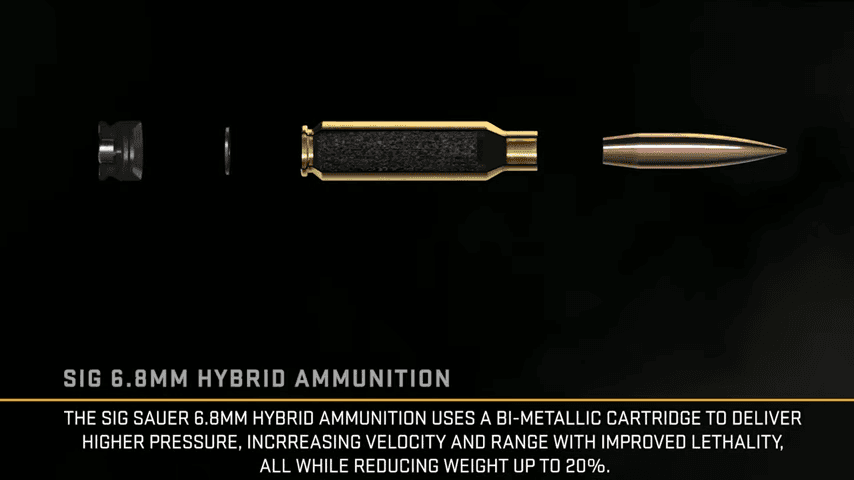
The result of all these changes (amongst many others) is that you end up with a weapon such as the XM250, which is 40% lighter than the M249 lightweight machine gun, has reduced recoil, improved accuracy, and has double the effective range of fire.
There’s not just going to be one type of 6.8mm ammunition that the Army is going to be using here, either.
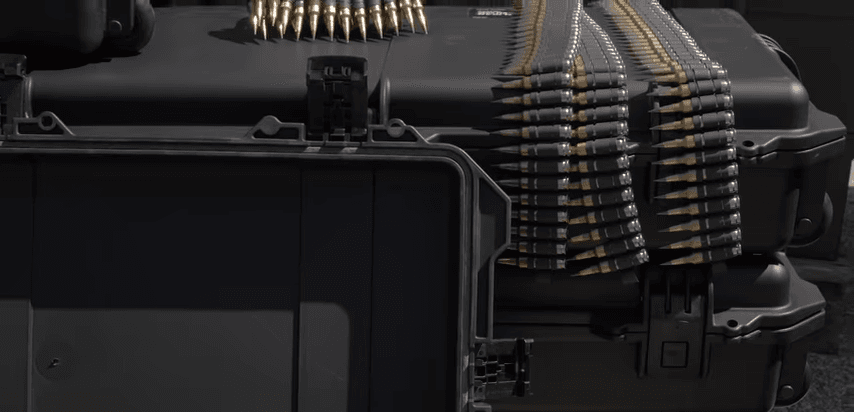
According to the Army, there will be “multiple types of tactical and training rounds that increase accuracy and are more lethal against emerging threats than both the 5.56mm and 7.62mm ammunition.”
Those types of tactical rounds haven’t been specified, but it’s likely to contain the standard battery of incendiary, green tips, tracers, and various powder/bullet combinations.
The Logistics of Outfitting the Army with New Weaponry
War is logistics. Wars are lost if the “how” doesn’t line up just right. Just ask Napoleon.
In addition, troops will have to be trained in the new weapons, factories will have to be built to produce them (and the ammunition), and stockpiles will have to be built.
The private market is being utilized to avoid most of these issues. For example, Vortex is manufacturing the optics, Sig is making the weapons, and Sig will also be the initial source of the ammunition.

Army Brigadier General Larry Q. Burris said that “the fielding of this weapon is based upon ammunition production,” going on to add, “As the vendor is able to produce ammunition and then Lake City [Army ammo facility] ultimately comes on, what we don’t want to do is field a capability to a unit where we don’t have training ammunition or contingency ammunition if required. That’s what drives the fielding of the weapons.”
A gun without rounds is a stick. You have to have ammo, and the Army knows this. While Sig will be the initial source of the new ammo, the Army has already cleared ground at Lake City, Missouri, for military production levels.
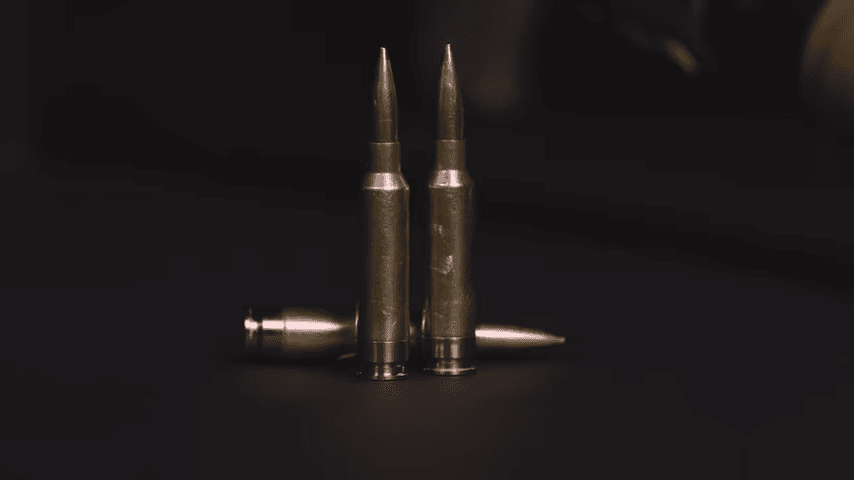
One of the catches with the new ammunition is that it utilizes a hybrid case with a steelhead and brass body. This adds a step to the manufacturing process. It can still be made with current machinery, but those parts of the casing do have to apparently be assembled.
So, while this saves funds in having to engineer new machinery, it adds another step. Whether the savings cancel each other out here is debatable.
Conversion kits for older rifles are also in the works, helping to keep the Army from having to sell off large stocks of “old” rifles altogether. This will save funds and provide a nice contingency source of weapons and means that troops won’t have to be trained on an entirely new platform.
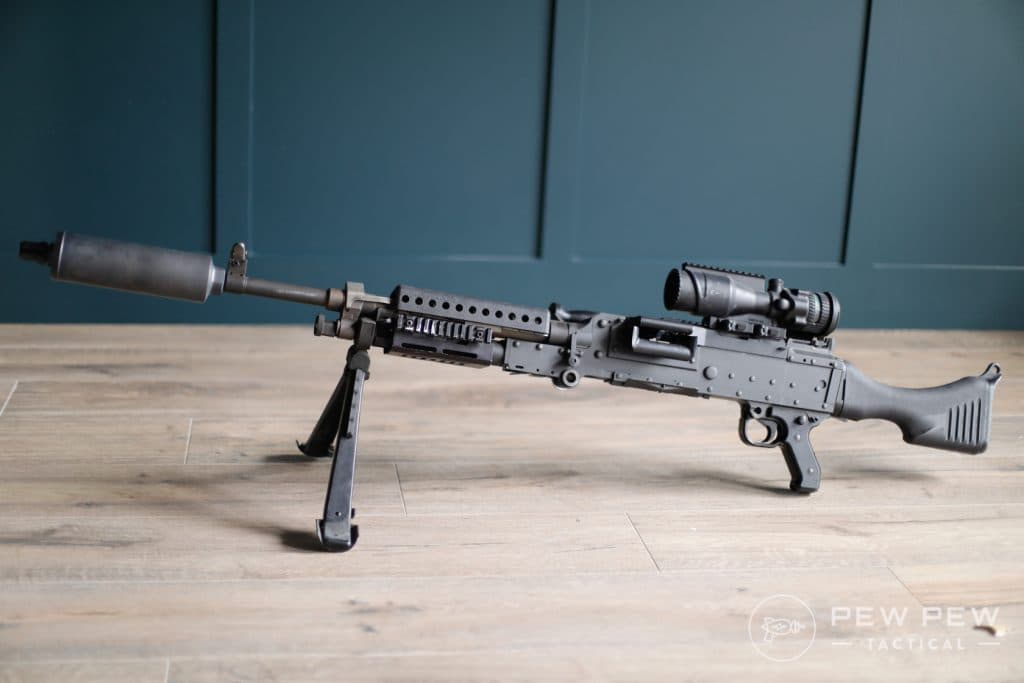
The M240B and maybe the M240L (both of which fire 7.62mm) appear to have a 6.8mm conversion kit in the works, and there may be other units as well that we just don’t know about yet.
Final Thoughts
The new caliber and weaponry is a historical moment in more ways than one. Out of the three options for new battle rifles that the Army had before them, I not only think that they made the right choice with Sig, but I think their choice of caliber was also wise.
While the 5.56mm is still a great round, warfare changes, and it was time for an update. Continuing to fight with weaponry and cartridges that have been around for decades against conventional forces with upgraded equipment doesn’t cut it.
Even in the Vietnam War, our men often ditched their 5.56mm-eating rifles for liberated AK-47s.
There’s been a long understanding amongst American soldiers that there were a lot of other better weapons out there. The switch to the 6.8x51mm – as well as to the new XM5 – is a welcome step in the right direction.
What do you think of the .277 Fury? Let us know in the comments below! Interested in more military weapons? Check out the Unconventional Guns of the U.S. Military.