
Best Tactical Helmets: Bump & Ballistic [Hands-On]
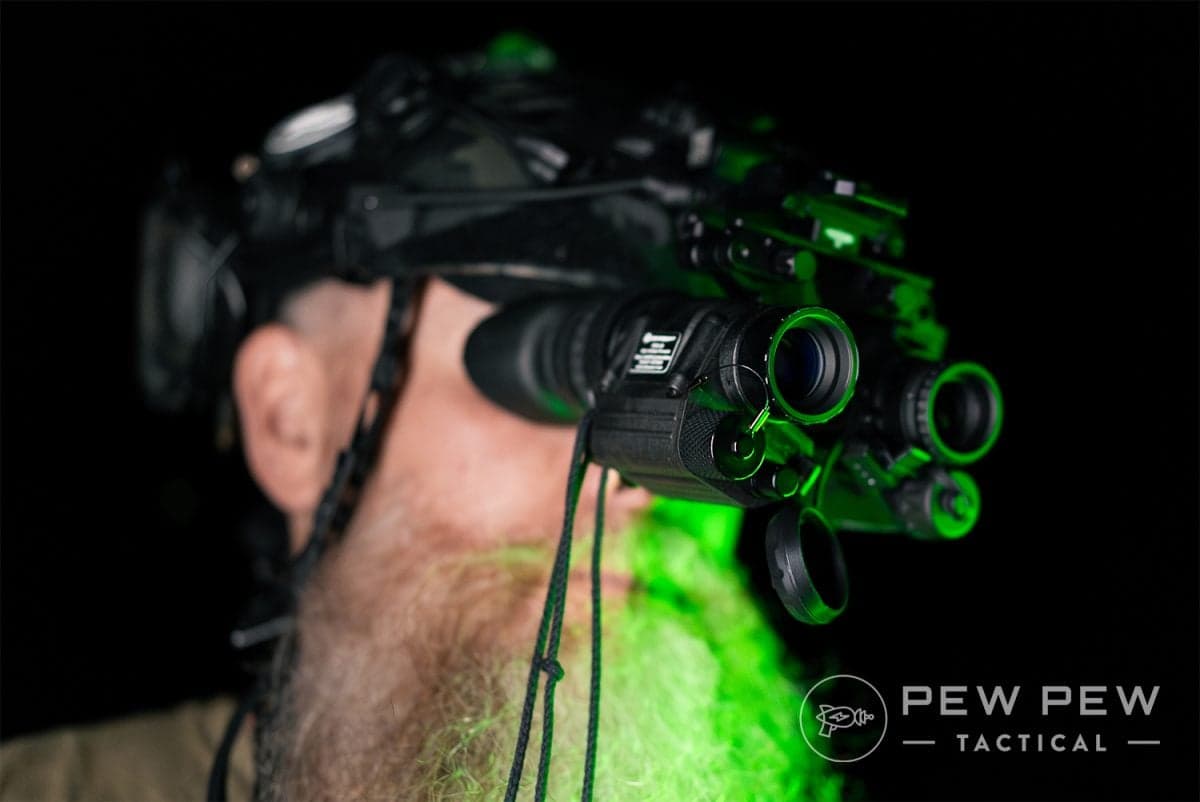
Looking to protect your noggin? We cover how to choose the perfect tactical helmet for your needs, from bump to ballistic and affordable to top-of-the-line.


We review products independently. When you buy through links on our site, we may earn a commission to help support our testing. Learn more.
Want to protect your head, use night vision goggles, or wear professional-grade ear pro and comms gear? You're going to need a tactical helmet for all of that.
Helmets are kind of like suppressors. People tend to put off buying them because they're expensive, but a whole world of fun opens up to you once you make the plunge.
We're here to help you make sense of industry jargon, share our experience, and help you find the best tactical helmet for you.
Let's roll!
The Quick List
- Best Value: Premier Body Armor FortisJump to details ↓
- Best Lightweight Helmet: Hard Head Veterans ATE LiteJump to details ↓
- Best Budget: Team Wendy LTP EXFILJump to details ↓
- Best Premium: Crye Precision AirFrameJump to details ↓
- Editor's Pick: Hard Head Veterans ATE Gen3Jump to details ↓
Table of Contents
Tactical Helmet Comparison Chart
| Ballistic Rating | Weight | Sizes | Colors | Price | |
|---|---|---|---|---|---|
| Premier Body Armor Fortis | NIJ Level IIIA | 3 lbs and up | S/M, L/XL, 2XL | Black, green, FDE | $574 |
| Hard Head Veterans ATE Lite | NIJ Level IIIA | 2.2 - 2.5 lbs | S, M, L, XL | Black, OD green, tan, Multicam | $1,199 |
| Team Wendy LTP EXFIL | None | 1.6 lbs | M/L, XL | Black, coyote | $403 |
| Crye Precision AirFrame | Level IIIA | 2.3 - 2.75 lbs | M, L, XL | Black, OD Green, tan | $1,226 |
How We Tested the Best Tactical Helmets
For this article, we gathered a bunch of tactical helmets we've personally used, reviewed, and owned here at Pew Pew Tactical.

That includes entry-level bump helmets, combat-ready ballistic helmets, and some great value picks in between.
Our priority for this article was to keep you informed about tactical helmet specs and features, important terminology, opportunities to customize and accessorize, and (last but not least) how comfortable these helmets are to wear.
Best Tactical Helmets
1. Team Wendy LTP EXFIL - Editor's Pick
Pros
- Affordable
- Lightweight
- Comfortable
Cons
- No ballistic protection
Specs
- Ballistic Rating: None
- Weight: 1.6 lbs
- Sizes: M/L, XL
- Colors: Black, coyote
- Country of Origin: U.S.A.
The Cadillac of non-ballistic bump helmets, Team Wendy, is huge in the search & rescue community due to their attention to detail, high quality, and innovative design.
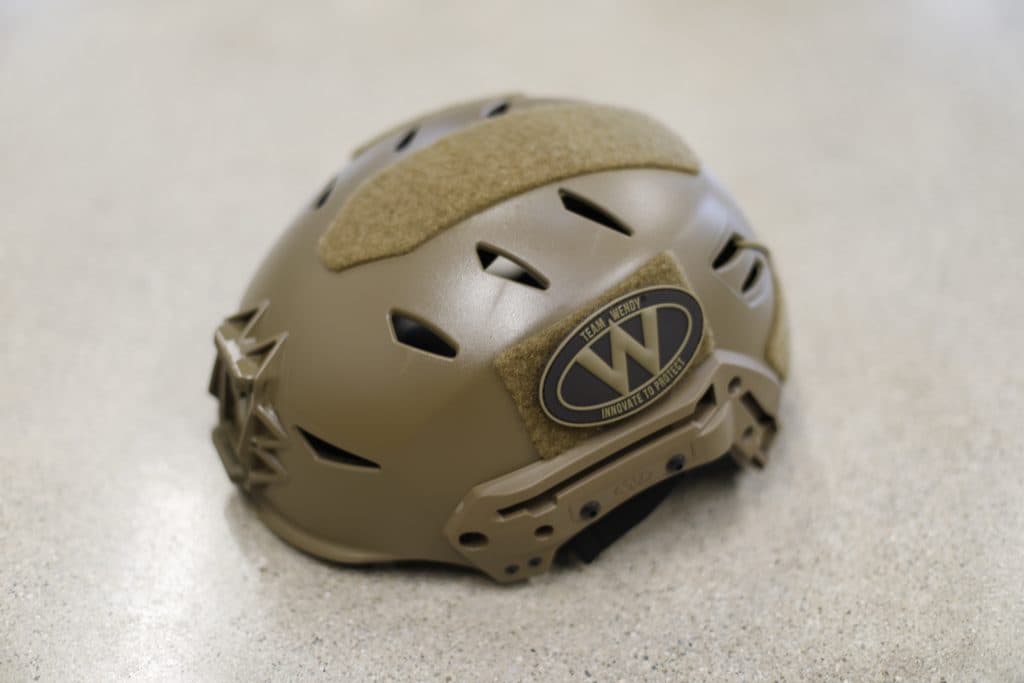
Enter their LTP EXFIL. We've been testing this one for more than a year, and we love it.
Lightweight, easy to wear, lots of options for mounting NVGs, white lights, and more - Team Wendy helmets are perfect for protecting your head and enhancing your capabilities.
Plus, they are comfy!
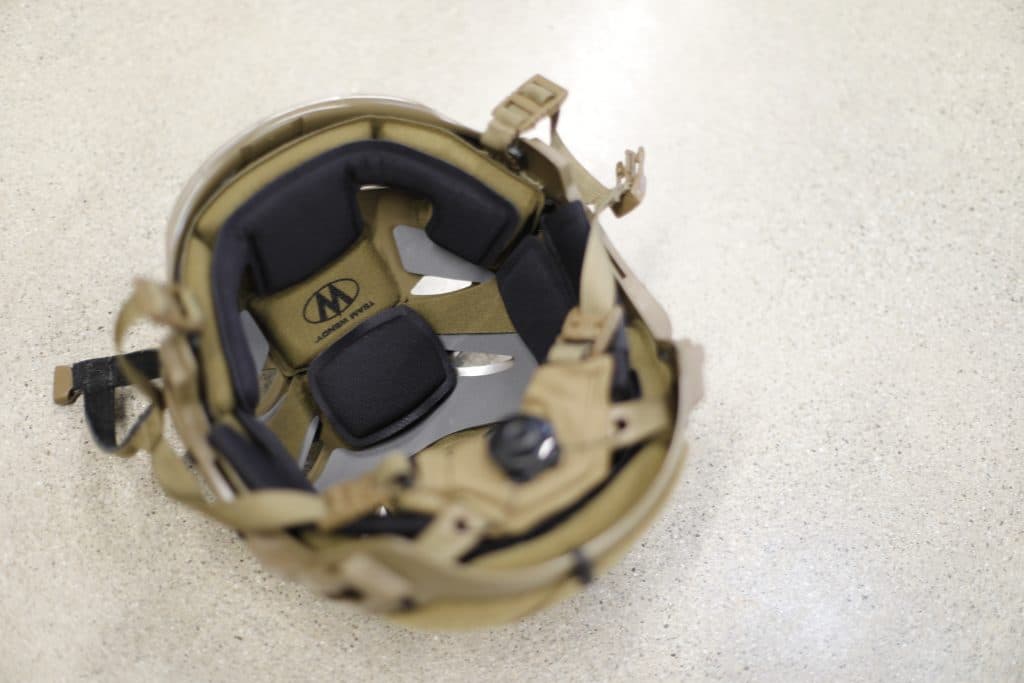
This is a bump helmet, so it doesn't offer any ballistic protection. What it does offer is a rigid platform for mounting NVGs and comms gear, and a layer of protection between your noggin and hard objects.
What's your take on Team Wendy? Rate them below!
Readers’ Ratings
4.98/5 (2226 Votes)Your Rating
2. Premier Body Armor Fortis - Best Value
Pros
- Excellent, transparent testing
- Lots of accessory mounts
- Comfortable
Cons
- A little heavy
Specs
- Ballistic Rating: NIJ Level IIIA
- Weight: 3 lbs and up
- Sizes: S/M, L/XL, 2XL
- Colors: Black, green, tan, Multicam
- Country of Origin: Thailand
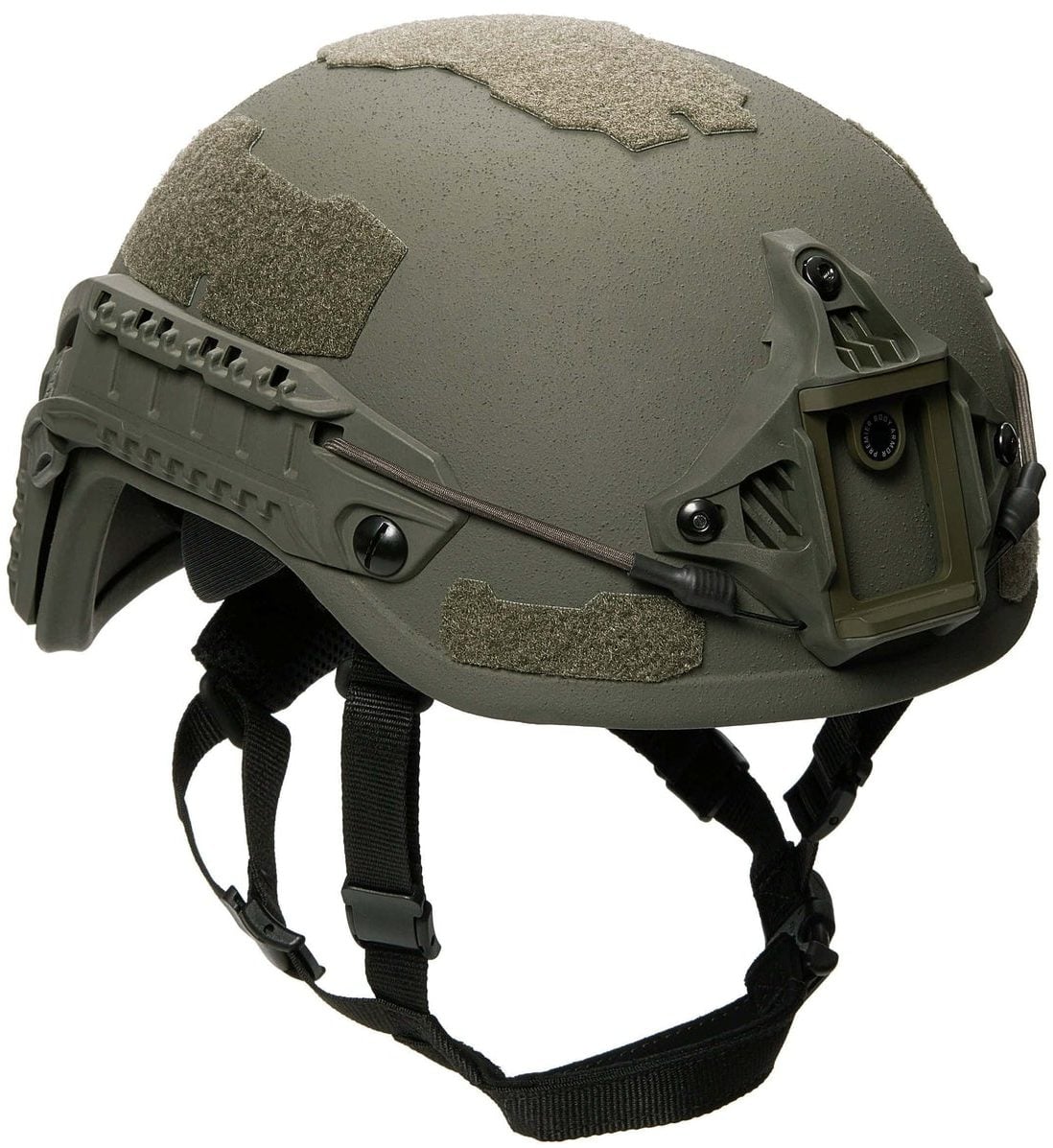
Looking to get the best helmet for your money? The new Premier Body Armor Fortis came out swinging, and we're here for it.
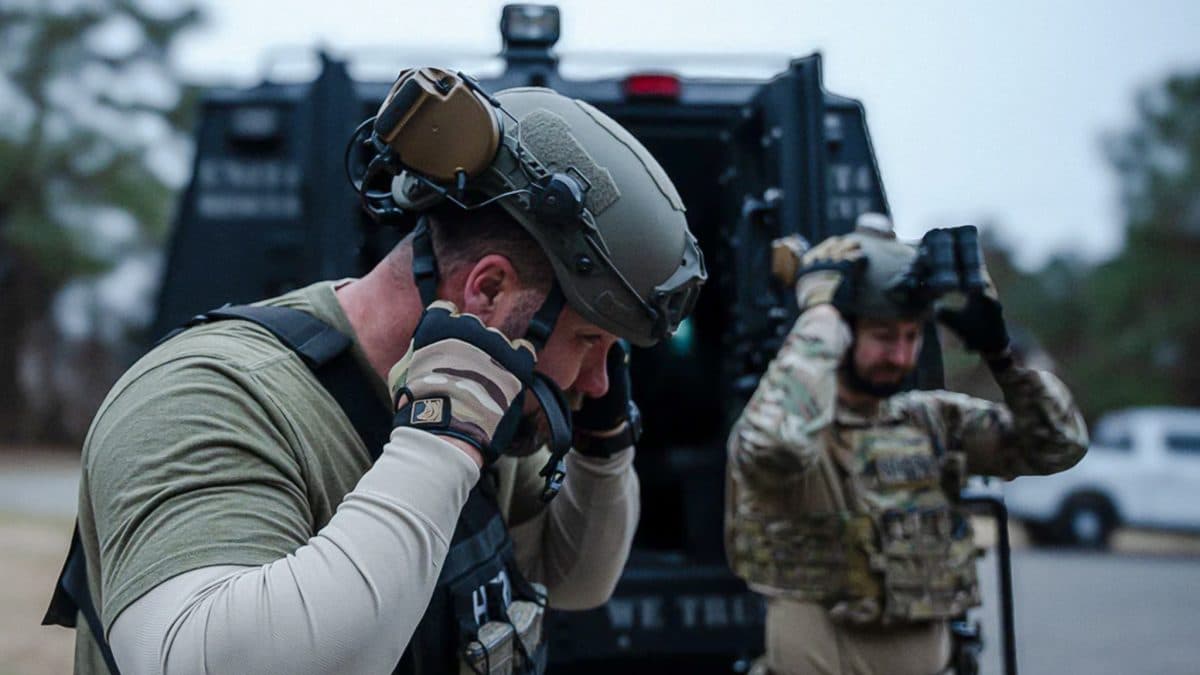
This helmet comes with standard accessory rails and an NVG shroud, and you can take your pick from several solid colors and Multicam.
We weighed our L/XL in at 3.4 pounds. That's a little heavier than some of the tactical helmets here, but certainly nothing to worry about.
In fact, comfort is where the Fortis really shines. There's a ratcheting cable system at the nape that lets you dial in the perfect amount of tension and release it all with the push of a button. It's fast and convenient.
The padding is super plush and (maybe more importantly) anti-microbial. Nobody likes putting on a stinky helmet.
For the price, it's hard to beat!
3. Crye Precision AirFrame - Best Premium
Pros
- Top-tier protection
- Compatible with most NVGs and ear pro
- Light
Cons
- Expensive
Specs
- Ballistic Rating: NIJ Level IIIA
- Weight: 2.3 - 2.75 lbs
- Sizes: M, L, XL
- Colors: Black, OD green, tan
- Country of Origin: U.S.A.
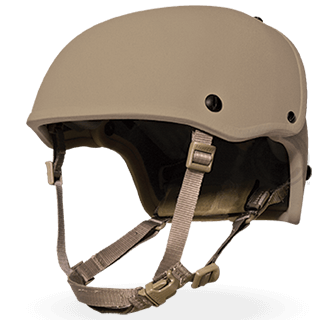
If you're looking at buying a Crye Precision AirFrame, make sure you bring your biggest wallet.
Anything made by Crye is top of the line, amazing quality, designed for combat, and priced accordingly. This helmet is no exception - it's a no-frills design that is an industry leader in protection.
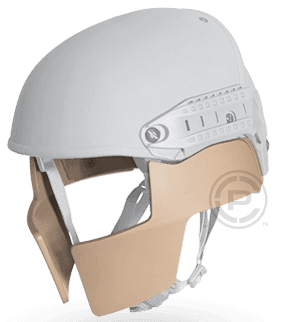
Ballistic-rated, lightweight, and designed to be compatible with the most common NVGs and hearing protection on the market, the AirFrame also sports the ability to be reconfigured based on the mission at hand.
Add-ons include AirFrame Chops, Ears, and rails.
If you need the best and can afford the cost - it's hard to argue with Crye Precision.
4. Hard Head Veterans ATE Lite - Best Lightweight
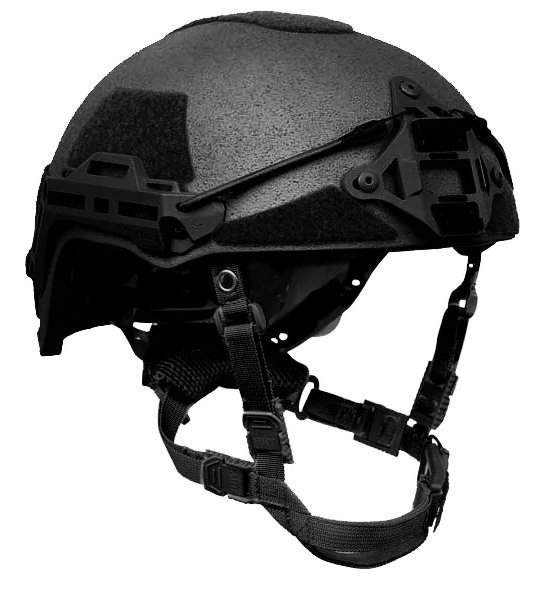
Pros
- Only weighs 2.3 pounds
- Micro-lattice padding
Cons
- Expensive
Specs
- Ballistic Rating: NIJ Level IIIA
- Weight: 2.2 - 2.5 lbs
- Sizes: S, M, L, XL
- Colors: Black, OD green, tan, Multicam
- Country of Origin: U.S.A.
Another option from HHV is the ATE Lite. Based on customer feedback, the company wholly produced this helmet in America -- Sweetwater, Texas, in fact.
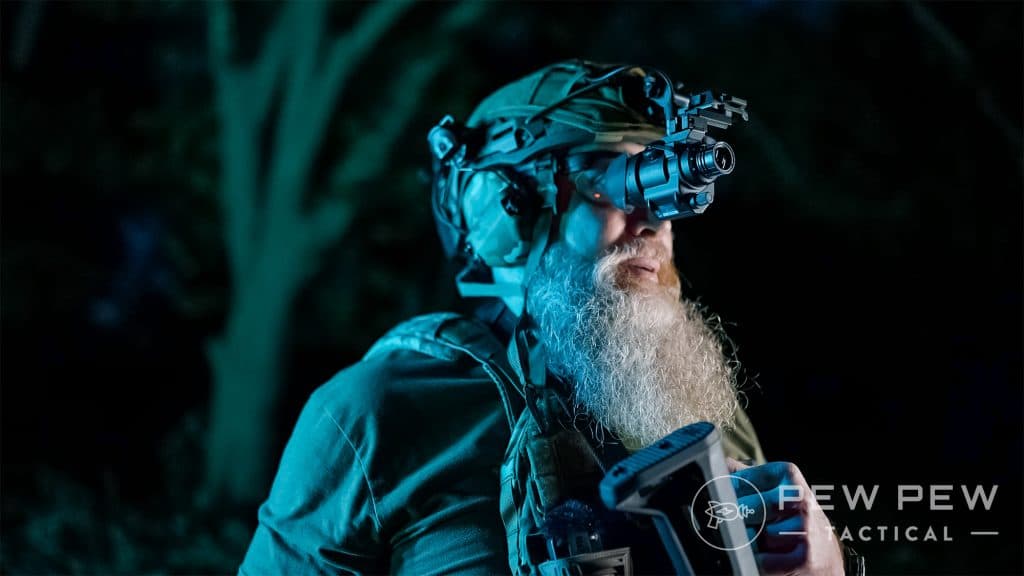
The ATE Lite has all the features the Gen2 does, and -- even with Level IIIA protection -- only tips the scales at 2.3 pounds for the medium size. Add the fact that it comes standard with Micro Lattice, and you've got a helmet that's wearable all day long.
We've been using the ATE Lite for a while now and really enjoy the level of comfort and protection it provides. Plus, we've been able to mount up all our favorite accessories.
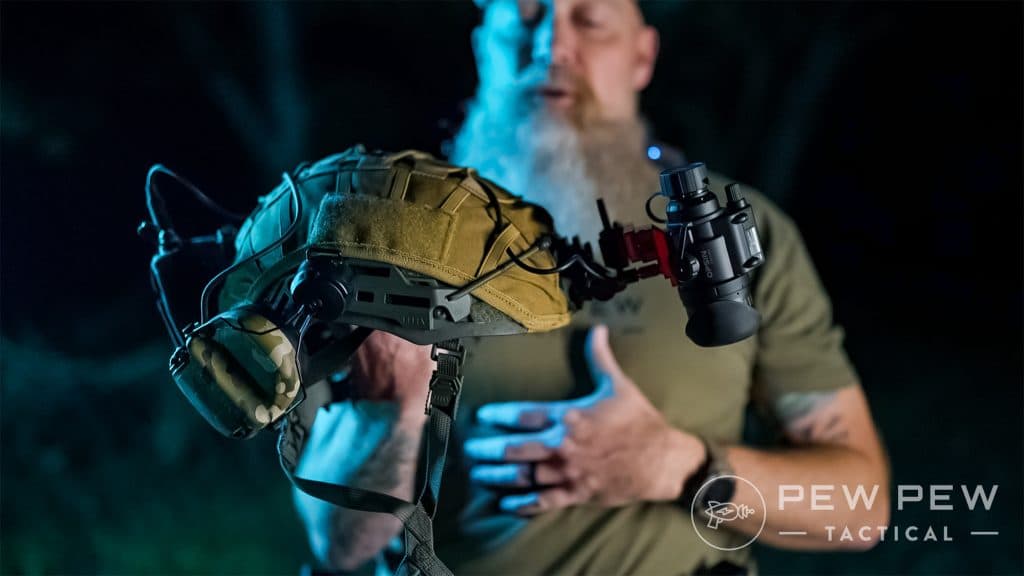
The ATE Lite is 0.67 pounds lighter than the standard ATE Gen2. That, and the fact it's made wholly in the USA, means you'll spend a little bit more money for it, though.
How to Pick the Best Tactical Helmet
There are a few features you’ll want to pay special attention to when choosing a tactical helmet. The first thing you’ll need to decide is what type you need.
Tactical Helmet vs. Ballistic Helmets vs. Bump Helmets
Let’s talk about a couple of other terms that you may hear used to describe tactical helmets: a ballistic helmet and a bump helmet.
What's the difference?
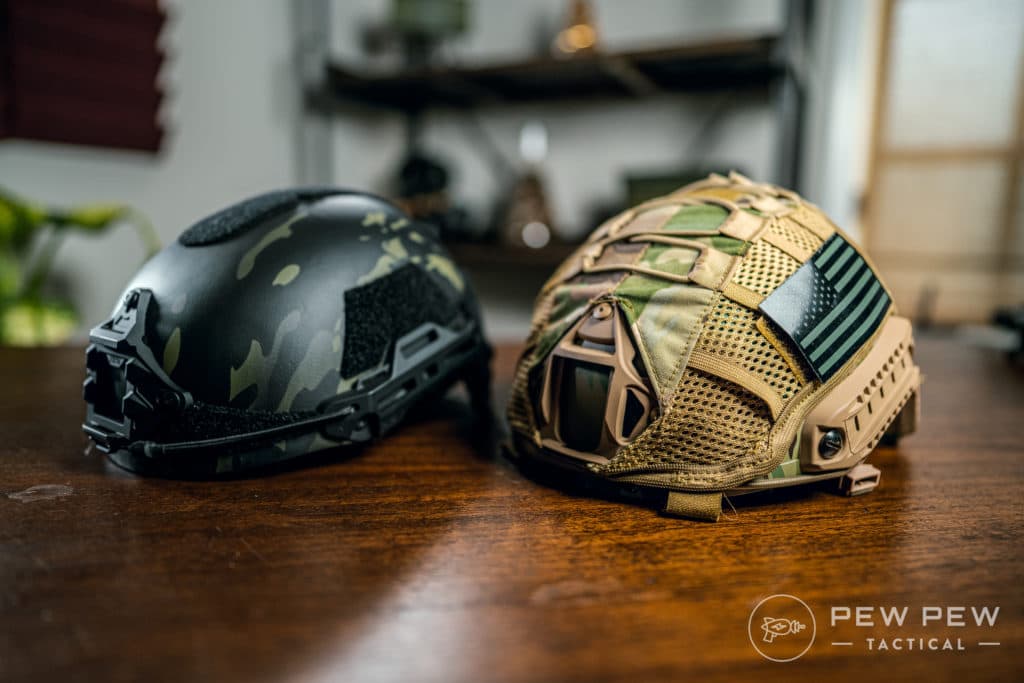
Many, but not all, tactical helmets are designed to withstand gunfire. The ones that offer protection from bullets and shrapnel are ballistic helmets. Keep in mind that they're normally only rated for pistol-caliber ammunition.
Bump helmets, on the other hand, are a type of tactical helmet designed to protect the wearer from the impact of bad things, like as falling debris or bumping your head on something (which is pretty common when you first start wearing one).
They are not rated for gunfire of any kind.

They also provide a rigid platform for mounting things like NVGs, hearing protection, communications equipment, and the batteries to power all that cool-guy gear.
Bump helmets are affordable, easy to use, comfortable, and lightweight.
On one hand, they're very similar to the hockey helmets America's elite operators used to use. But to be fair, all those guys switched to ballistic helmets a long time ago.
Degree of Protection
The manufacturer of any helmet should be able to provide the detailed results of NIJ-required testing.
A few results to focus on are resistance to penetration, back-face deformation, fragment performance, and blunt impact resistance.
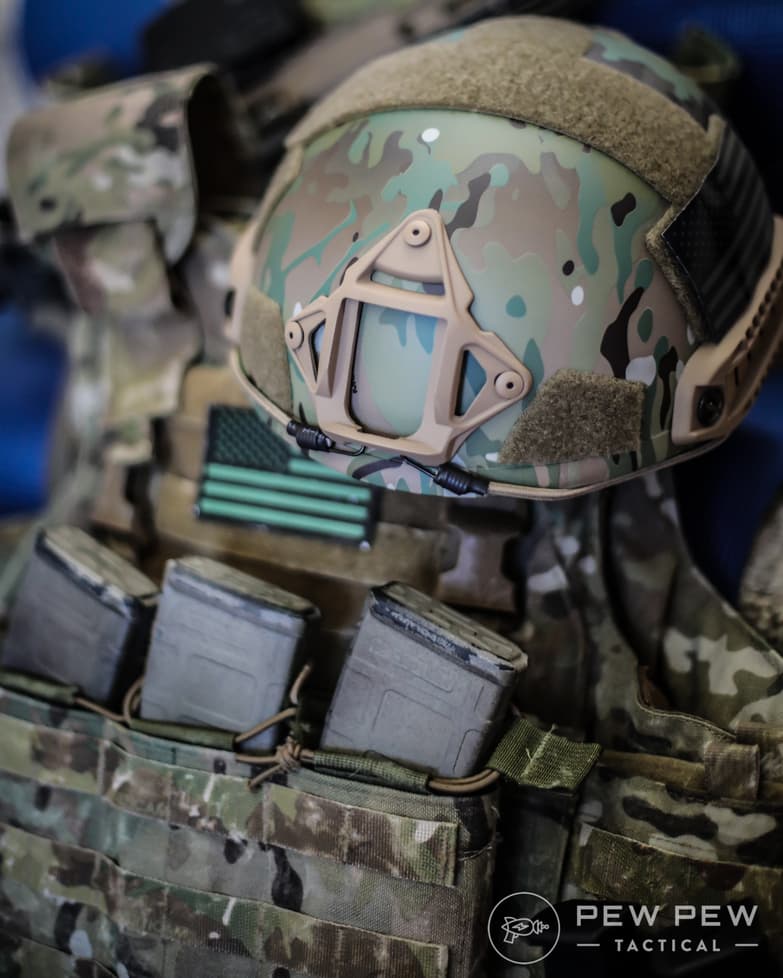
Resistance to penetration is how well your helmet stands up to gunfire. For ballistic protection, you want a helmet that’s rated NIJ Level IIIA, which means it offers protection from 9mm, .357 Mag, and .44 Mag.
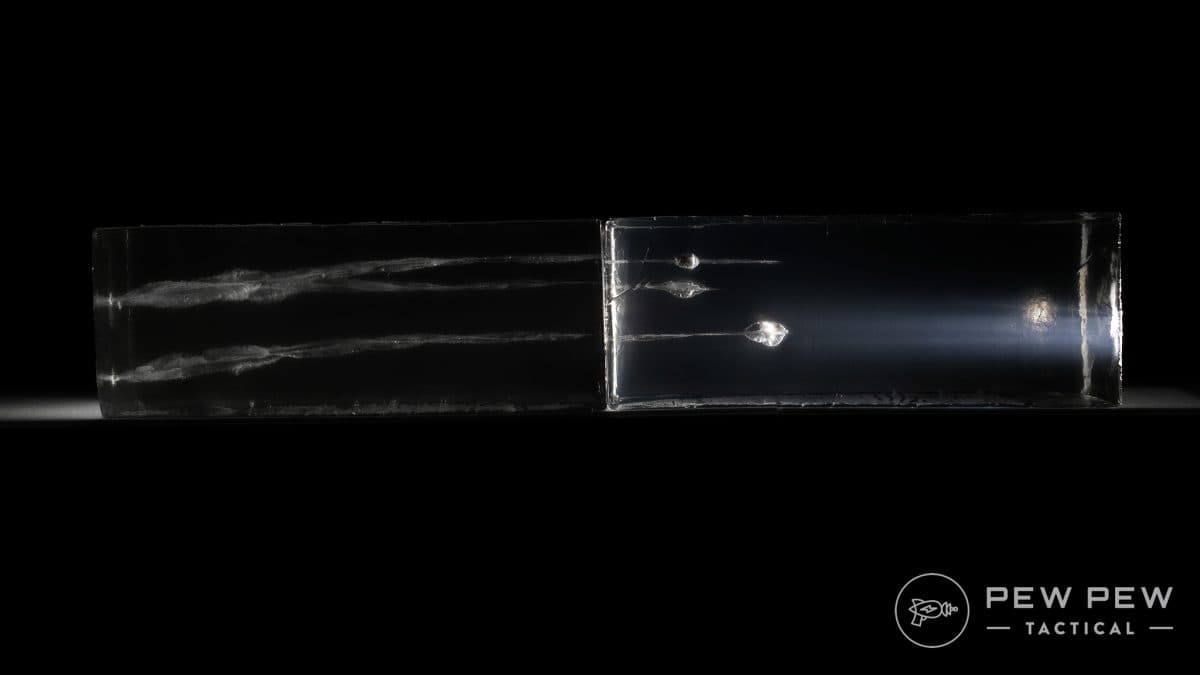
Back-face deformation occurs when a helmet is hit with a projectile and the opposite side bulges outward causing blunt trauma. A hit from 9mm at 1,400 feet per second should produce less than 25 millimeters of deformation inside the helmet.
Fragment performance is basically the same as resistance to penetration, but with shards of metal instead of bullets. Your helmet should stop fragmentation traveling at a speed of at least 2,400 feet per second.
Blunt Impact performance is exactly what it sounds like.
You may also want to look at compression testing and element testing to make sure your helmet won’t be weakened by the environment where you live.
Accessories & Other Features
Your helmet should be comfortable enough that you’ll actually want to wear it. That means it should fit properly, not be too heavy, and not rub uncomfortably.
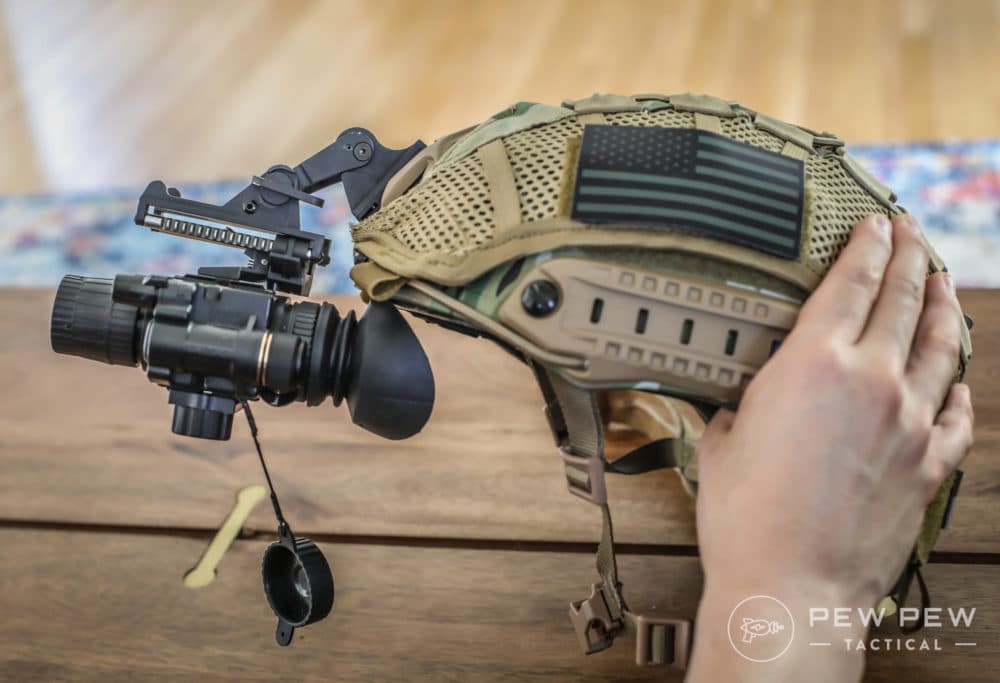
It should also have a secure retention system that will keep it firmly in place, even against a strong impact.
You’ll want to make sure your tac helmet can be used with any accessories that you want to use.
Choose a helmet of whatever color you’ll need the most. You can always spray paint the helmet or use a cover later on (well-painted helmets look pretty rad).
Meet the Experts
This article comes to you from Pew Pew Tactical Content Producer Sean Curtis. Sean has been shooting since childhood but began to delve into guns more during his law enforcement career. He spent over two decades in law enforcement, where he became a POST-certified handgun instructor and NLEFIA Red Dot Instructor and received CLEFIA Advanced Firearms Instructor Training and AR-15 armorer training. He has since attended a variety of training, including Tactical Performance Center Handgun Mastery & Carbine Mastery, and earned USCCA rifle instructor certification. Aside from training and prior to joining the Pew Pew Tactical team full-time, Sean wrote for several gun publications evaluating and testing guns and gear and has written hundreds of articles.
Editing this article is Scott Murdock. Scott is a Marine Corps veteran who competed and qualified as a rifle and pistol expert while in service. In addition to shooting, Scott has written for a variety of publications, testing, researching, and evaluating guns and gear. He brings that knowledge and skillset to this article, editing and fact-checking for accuracy.
Editor-in-Chief Jacki Billings runs our experienced team of reviewers. She is a National Rifle Association Basic Pistol Instructor as well as a member of the Society of Professional Journalists, ACES: Society for Editing, and the Professional Outdoor Media Association. Jacki has a bachelor’s degree in journalism and has worked as a media professional for close to 20 years, specializing in gun media for almost 10 years. With 2,000+ articles to her name, she uses her professional journalism and editing experience to set testing protocols and editorial standards for Pew Pew Tactical.
Final Thoughts
Do you need a tactical helmet? Probably not. But it's better to have it and not need it than need it and not have it.
And at the end of the day, they're fun to train with. That's a good reason to own one, too.
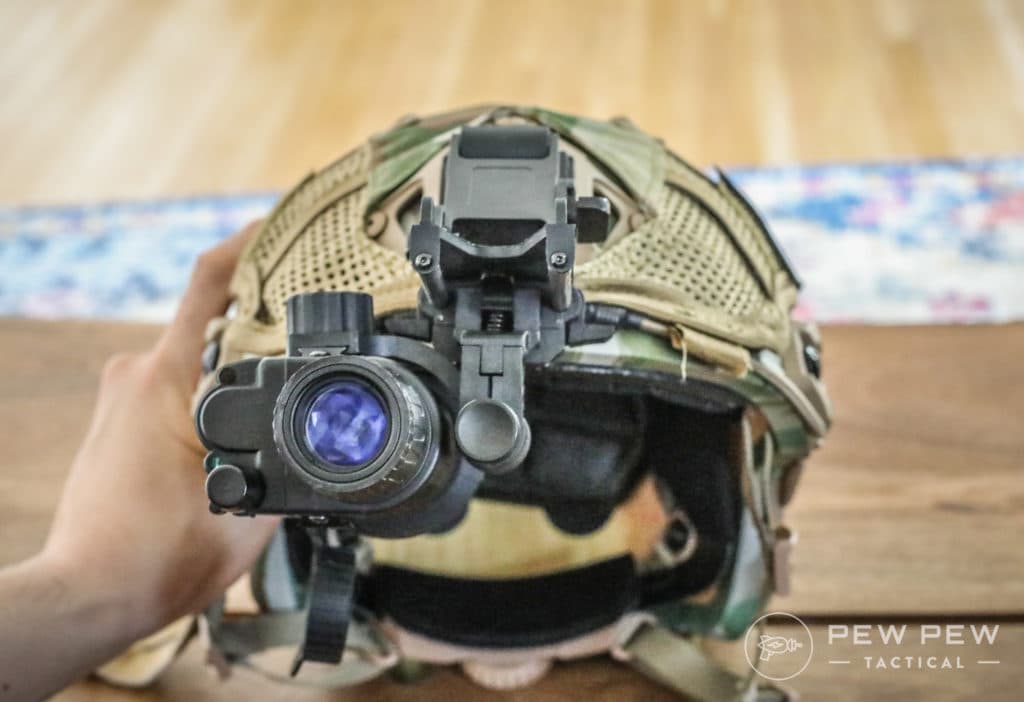
Do you already have a tactical helmet? Let us know what you're rocking in the comments. Want more high-speed gear? Check out our hands-on review of the Best Night Vision Goggles!
Latest Updates
- June 2025: Removed the Hard Head Veterans ATE Gen2 and Lancer Tactical Bump Helmet. Added the Hard Head Veterans ATE Gen3 and Premier Body Armor Fortis. Added a comparison chart and updated supporting content.
- March 2023: Added Hard Head Veterans ATE Lite.