
First Aid Kit for Kids [Ultimate Supply List]
Build a complete family first aid kit with our expert tips. Learn what essentials you need to handle minor and serious injuries to keep kids safe.

USMC Veteran. Concealed Carry & NRA Pistol Instructor. 3-Gun Competitor. Career firearms writer
We review products independently. When you buy through links on our site, we may earn a commission to help support our testing. Learn more.
First aid is an interesting subject. Most people aren’t medical providers in any way, but it's widely accepted that everyone should know some basic first aid.

It’s one of those skills that, to me, is up there with driving. I’d mandate Stop the Bleed and CPR classes in high school if I could.
First Aid is also a very deep subject to get into, and today’s focus will bring us to children, more specifically, why children are different through the lens of first aid and how a parent can properly prepare a first aid kit for their kids and family.
Table of Contents
Kids & First Aid
Kids get several specific considerations when it comes to first aid due to numerous causes. It all comes down to the fact that they are underdeveloped. They are underdeveloped physically and mentally; a lot of times, minor injuries like scraped knees and bee stings can feel like the end of the world to a kid. (As a parent, you know you have to take that into consideration.)

Children are more prone to accidents -- they fall more, trip more, and if someone in your home is going to touch a hot stove, it’s either your kid or your annoying Uncle Dave trying to be tough.
Anyone who has ever watched a toddler knows it’s a full-time job as they seemingly find every possible way to hurt themselves. The same goes for Uncle Dave. Even as kids grow, they are more likely to be involved in risk-taking behaviors.

They don’t just get hurt more often, but they are more prone to more serious injuries.
According to the Royal Children’s Hospital of Melbourne, Australia, children have different injury patterns relating to being undeveloped. This includes:
- Smaller airways are more likely to be affected by minor injuries and slight swelling.
- Chest injuries are more likely to be serious due to the lack of complete ossification of the ribs and sternum.
- Abdominal injuries that might be more serious due to a thinner abdominal wall with a lack of fat and musculature.
- Increased risk of hypothermia following traumatic injuries, and more.
We also get all the weird little things that happen with kids, like losing baby teeth. For some kids, it's no big deal, but for others, a little blood might send them into a frenzy. Being prepared for everything, from big events to small will make your life easier and your kiddos safer.
Building a First Aid Kit for Kids
While you might already have an EDC or med kit you tote around, I’d advise thinking of a family-friendly first aid as more of a kid’s first aid kit. While it should be capable of treating the entire family, you have to consider children.
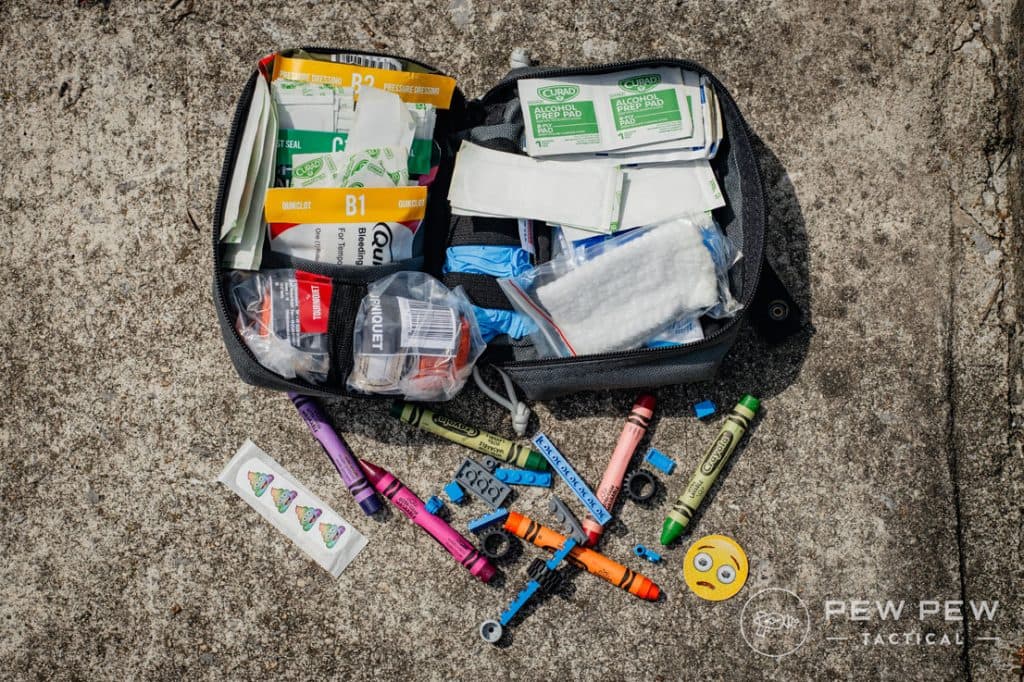
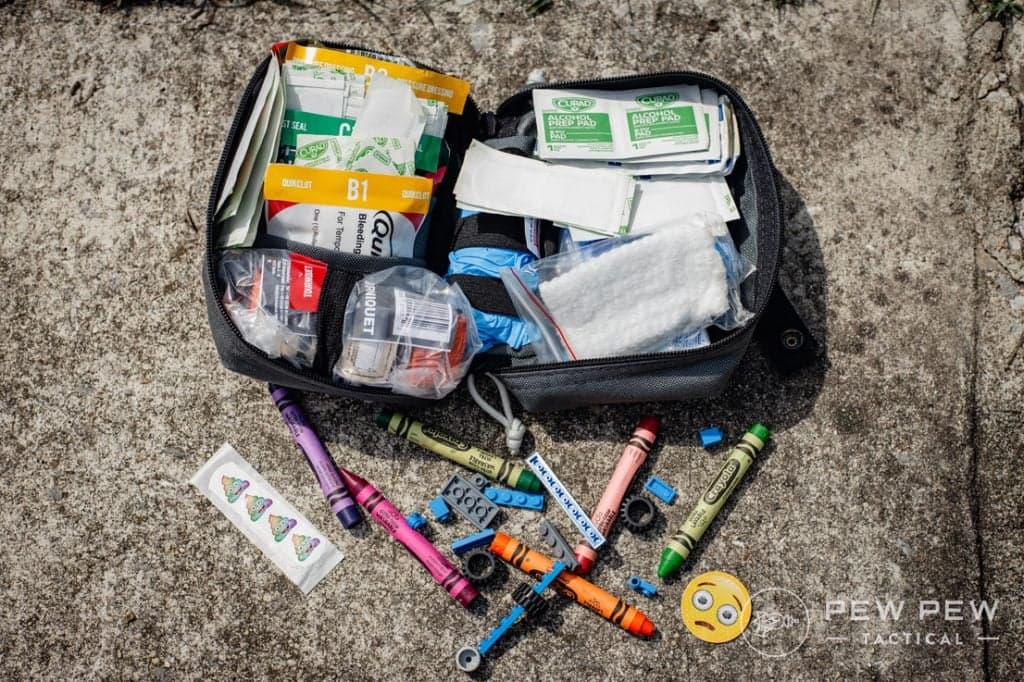
This kit is not bare-bones and likely not one you’d EDC. You can still EDC a trauma kit, but a family first aid kit should be something you keep at home and in the car, not necessarily always on your person.
With that, here’s what we recommend stocking in your family-friendly first aid kit.
1. The Basics
The basics will cover 99% of accidents and incidents you’ll encounter as a parent.
You might be willing to get rid of a lot of these items. Do you really need band-aids? Can’t you just rub some dirt in it? That depends. Will a band-aid on a small scrape calm your child? Then yes, bring band-aids.
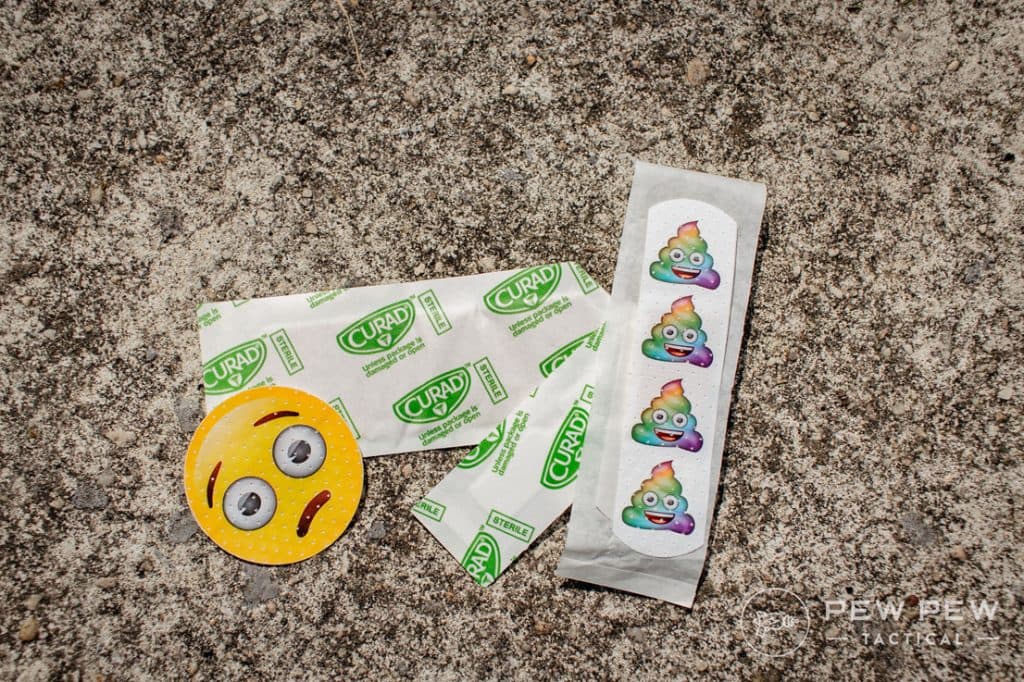
I advise you to pack one item per family member. That gives you plenty of extra as it’s unlikely every family member will be hurt.
This focuses on basic wound control and provides a few basic must-haves to treat small wounds and some bleeding control.
- Band-Aids (Assorted Sizes Preferred)
- Antiseptic Wipes
- Hand Sanitizer
- 5 x 9-inch Trauma Pads
- 4 x 4-inch Gauze Dressing Pads
- 3 x 3-inch Gauze Dressing Pads
- Conforming Gauze Roll 4 inches wide
- Conforming Gauze Roll 3 inches wide
- First Aid Tape
- Triangular Slings/Bandages with Safety Pins
- Disposable Gloves
2. Medicine
First, a caution: any medicine used by anyone in your home should come after consulting a doctor. Remember, we’re not doctors here, so consult someone who is.
As for meds, always make sure you have the necessary prescriptions on hand, if possible. For example, inhalers and EpiPens are valuable to stock just in case a situation comes up where you need them.
Outside of those prescription meds, some over-the-counter stuff can be handy.
- Tylenol (Infants, Children, Etc.)
- Chewable Aspirin (If appropriate for your child)
- Hydrocortisone Cream Packs
- Antibiotic Ointment Packs
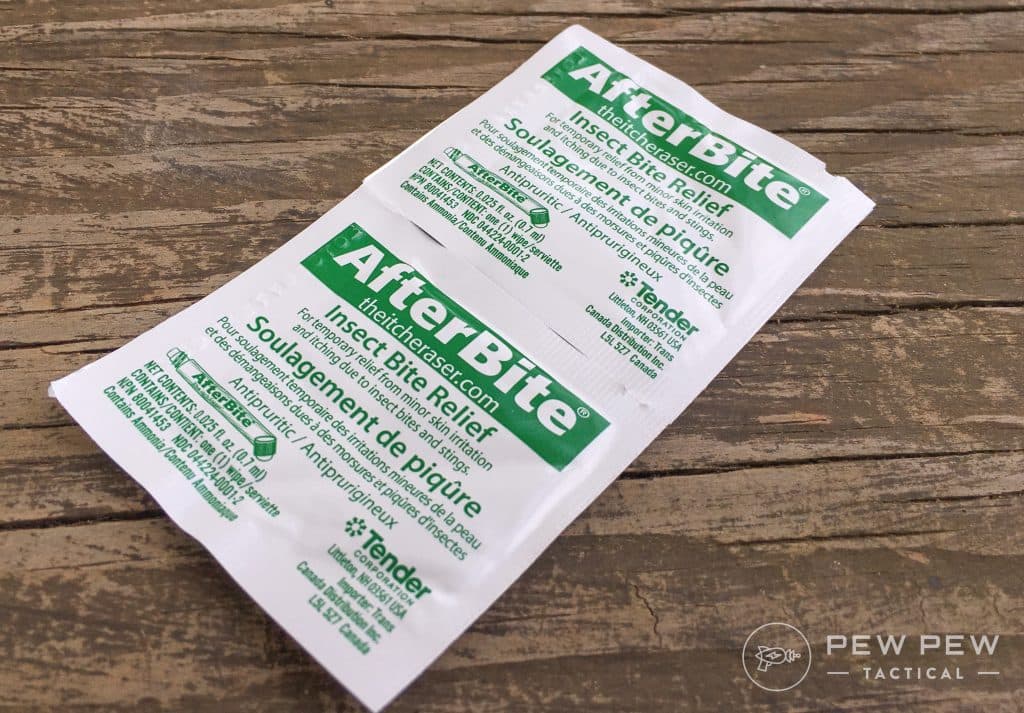
- Sting Relief Wipes
3. Small Tools
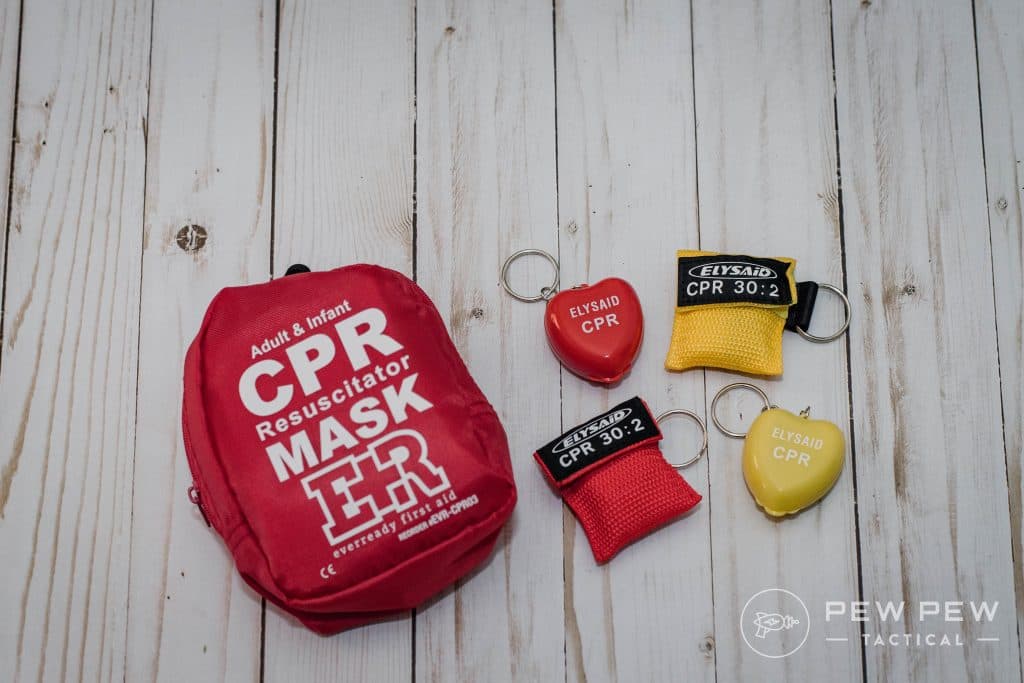
We’ve covered some basic wound care and some basic medicines. Now, let’s look at some tools that can be handy to have in your first aid kit.
- Tweezers (at least two)
- CPR Face Shield
- Trauma Shears
- Emergency Blanket
- Instant Cold Compress
- Small Flashlight
We have recommendations on the Best CPR Masks & Face Shields if you need one!
4. Trauma Must-Haves
Hopefully, you’ll never need to treat anything other than scraped knees, but that doesn’t mean you shouldn’t stock trauma tools just in case.

I know, it’s scary to think about. As a dad of three, I hate the idea that I’ll ever need the following, but I would hate myself if I didn’t have what I needed should something happen.
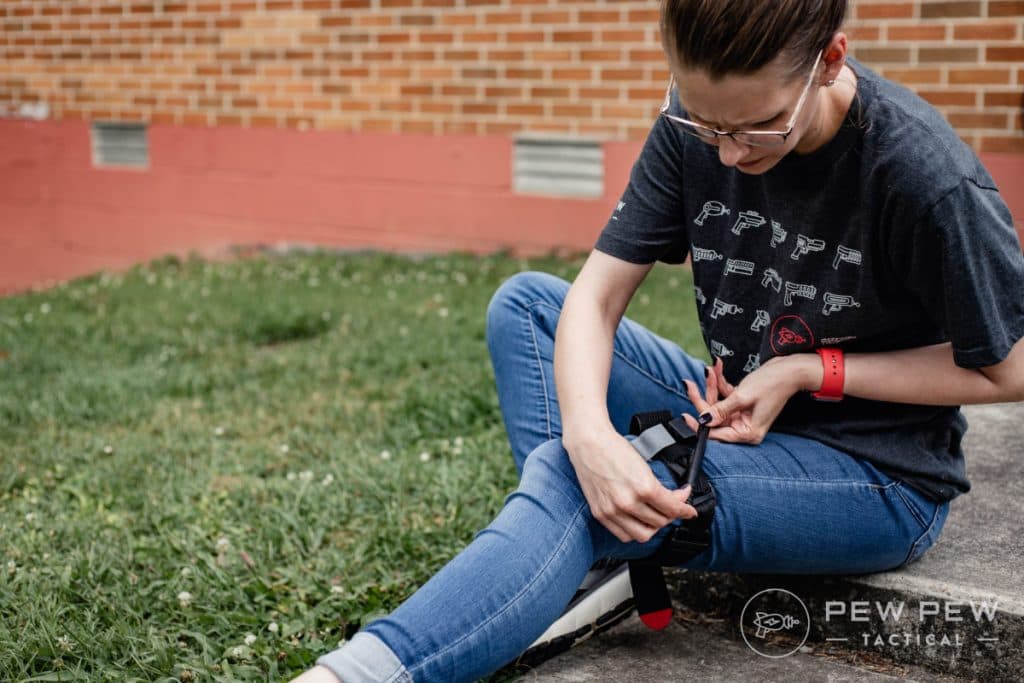
CAT GEN 7 Tourniquets
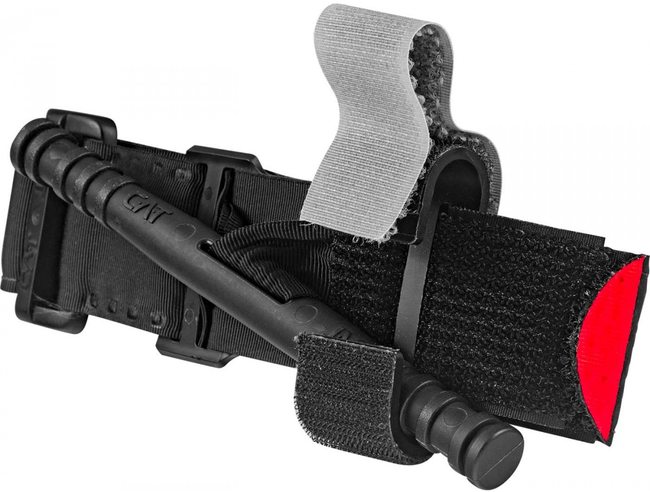
We know the CAT Gen 7 TQs work for adults and have been proven time and time again to be a great way to stop massive hemorrhage. While the data on use on small extremities is less common, some studies from the National Library of Medicine have shown that the CAT Gen 7 can work on extremities as small as 13 centimeters.

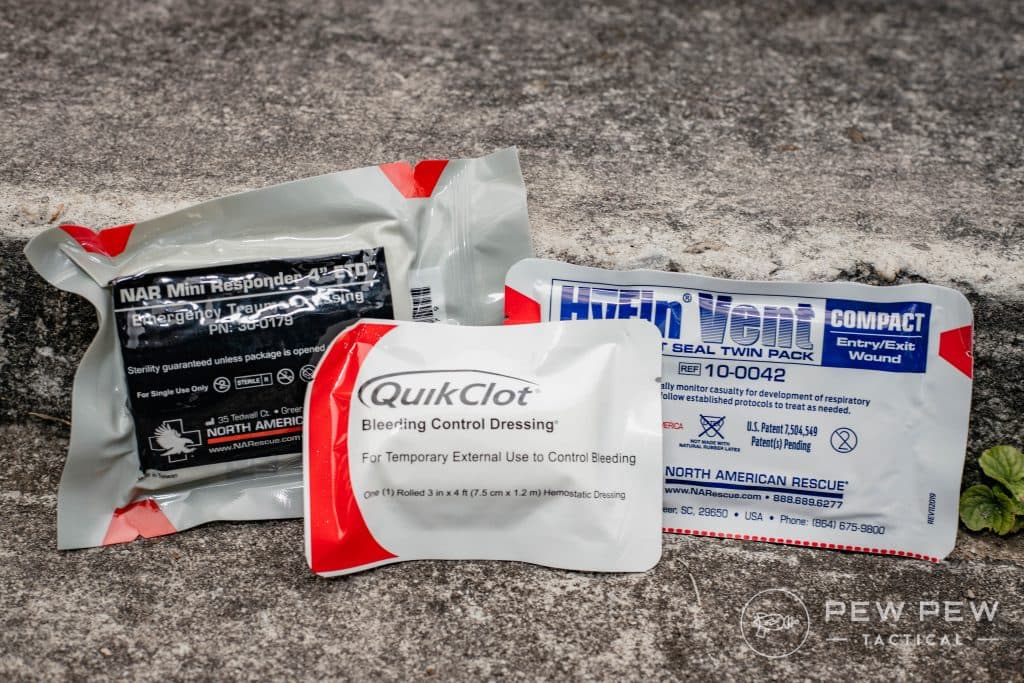
Hemostatic Gauze
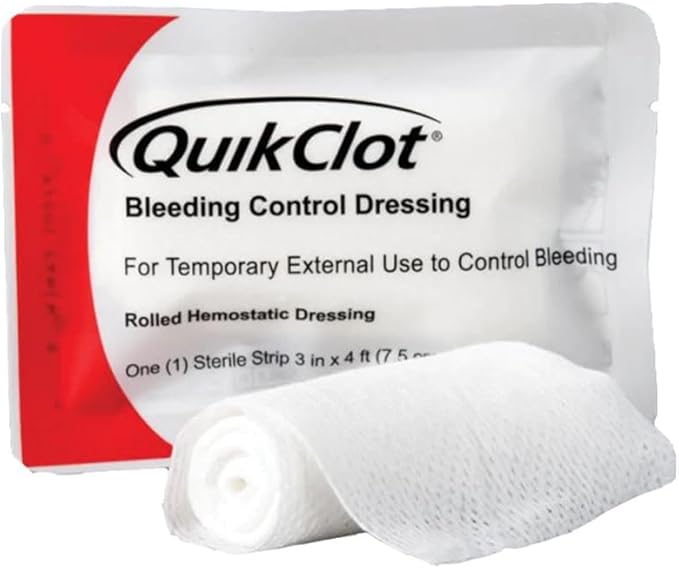
Hemostatic gauze, or QuikClot gauze, is designed to be used in the event of a traumatic wound. It promotes rapid blood coagulation. This means it helps stop the bleeding, especially in torso wounds that can’t be stymied by a tourniquet. Unlike the ancient QuikClot of the early GWOT, this is pain and burn-free.
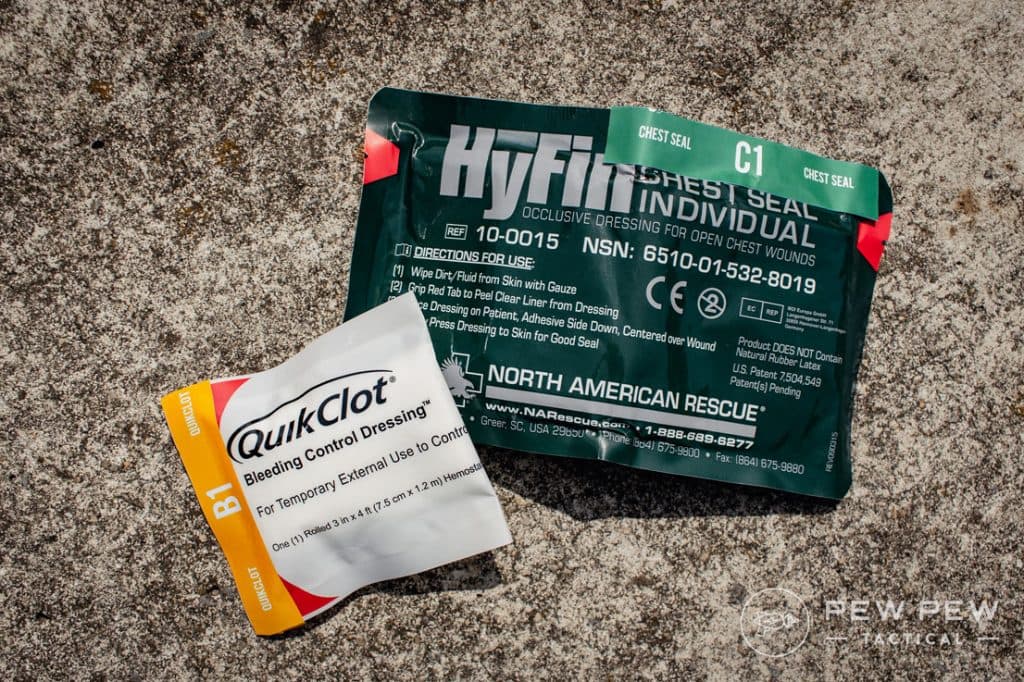
Chest Seals
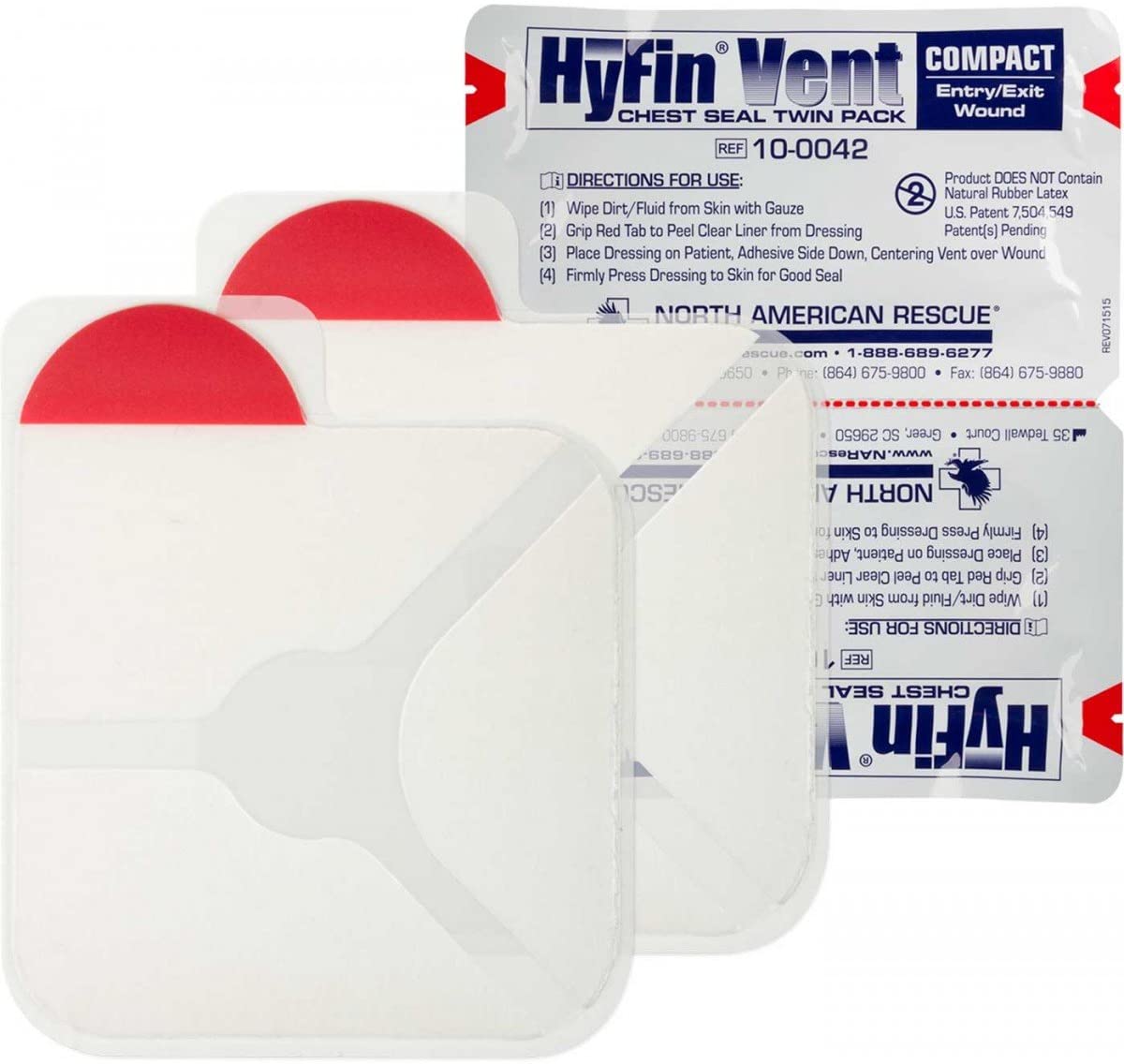
Chest seals prevent an open pneumothorax, a.k.a. a sucking chest wound. Every chest wound should be treated as a sucking chest wound, and modern chest seals make it easy and slick to treat. When I first joined the USMC, we were taught to use MRE packaging to seal these wounds. A chest seal makes things much easier and more effective.
Trauma Bandage
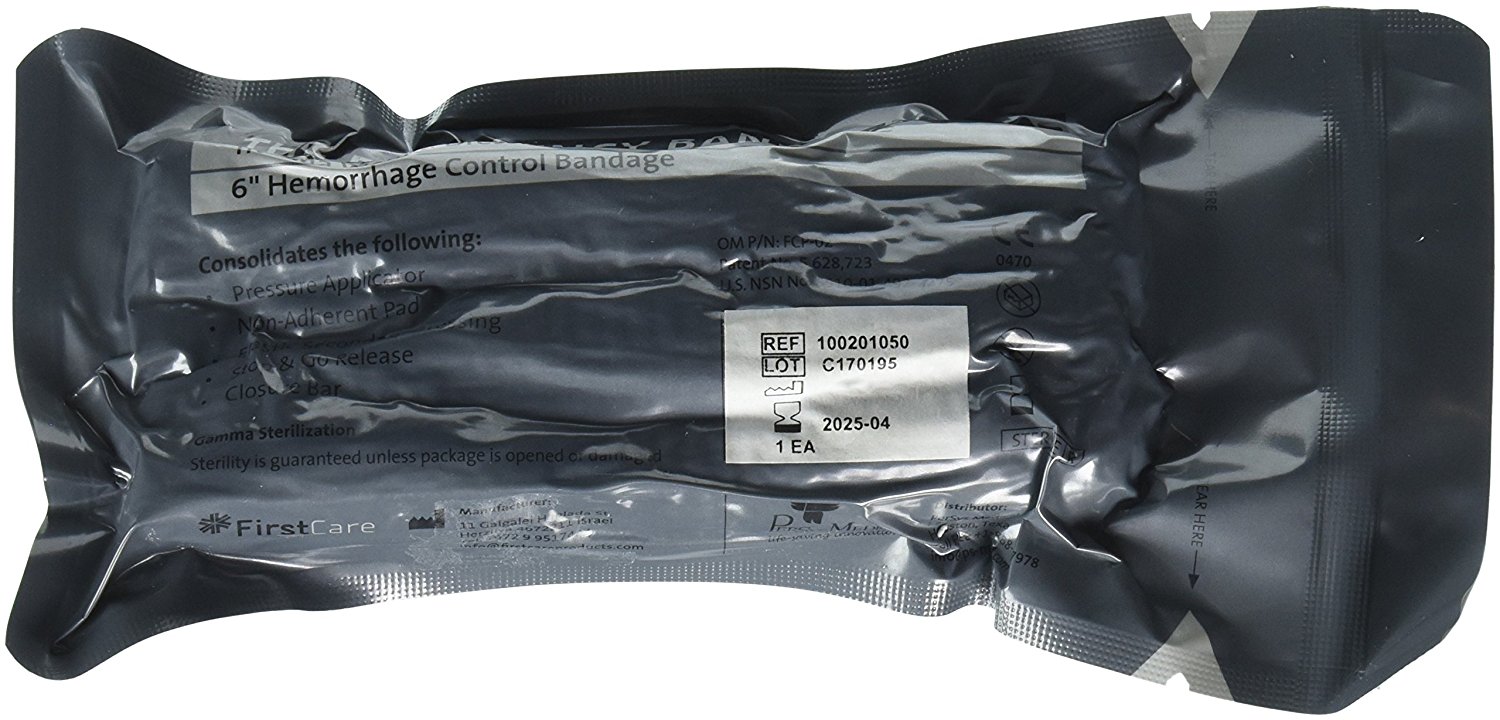
In the event of a hemorrhage, a trauma bandage can help seal things up. It’s not great for life-threatening blood loss but can be used for larger wounds to control bleeding. I like the Trameidc variant.
5. Other Kid Essentials
In having kids, I’ve learned to always have the following in addition to the tools above.
- Small Package of Baby Wipes
- A Full Extra Outfit for Small Children
- Pads/Tampons and Other Female Hygiene Necessities
- Diaper Rash Cream
- Small Treats for Brave Little Boys and Girls
- Sunscreen

Get Trained
I suggest you get out there and get trained. Learn CPR that’s oriented toward children because, depending on age, it can be different. The same goes for choking emergencies. Take a modern CPR class and educate yourself.

Next, take a Red Cross-hosted Stop the Bleed class. This provides excellent training for blood control. Beyond that, I also advise seeking a classic with an organization like Dark Angel Medical, Mountain Man Medical, or a similar group skilled and educated enough to train you to provide emergency trauma care.
Equipment is only valuable if you know how to use it, so learn how to use it!
For more on what we recommend, check out our list of the Best First Aid Classes: Beginner & Intermediate.
Why Trust Pew Pew Tactical
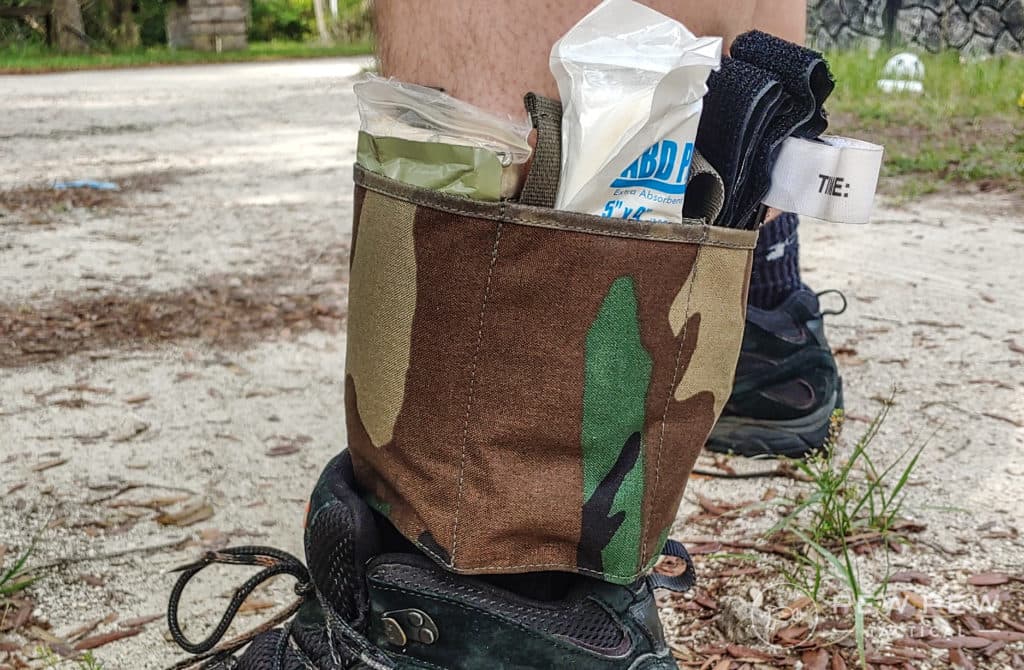
Taking the lead on this article is freelance writer Travis Pike. Travis is a Marine infantry veteran of the Global War on Terror, a firearms enthusiast, and an NRA-certified instructor. Travis uses his experiences to help guide readers on the ins and outs of first aid, IFAKs, and how to effectively use first aid.
Our experienced team of reviewers is run by Editor-in-Chief Jacki Billings, a member of the Society of Professional Journalists, ACES: Society for Editing, and the Professional Outdoor Media Association. Jacki has a bachelor’s degree in journalism and has worked as a media professional for nearly 20 years. She uses her professional journalism and editing experience to set editorial and ethical standards for Pew Pew Tactical. Jacki also used her experiences as an American Heart Association Basic Life Support instructor of 20+ years to ensure all recommendations were factual and current.
Final Thought
When kids are involved, a few extras must be dropped into your first aid kit.

Hopefully, the suggestions above get you on the right track when building your family-friendly first aid kit (and help take care of those boo-boos).
What do you include in your family first aid kit? Drop us a line below and let us know! For kits you can grab and go, check out our reviews on Mountain Man Trauma Kits and MyMedic Kits, or see what first aid tools we recommend for your car and home.