
[How-To] Clear a Squib Load at the Range
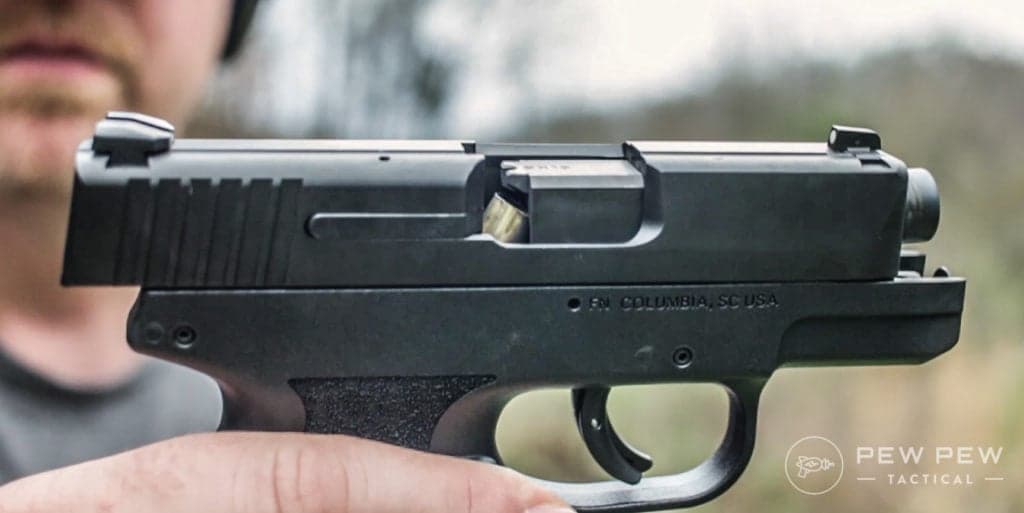
You're bound to encounter a squib load at least once in your shooting career. So, we're filling you in on what to do if a squib happens to you.

USAF veteran. Competition shooter.
We review products independently. When you buy through links on our site, we may earn a commission to help support our testing. Learn more.
It’s something that every shooter has thought about at least once...
Will this bullet get stuck in the barrel? What do I do if it does?
If you haven’t thought about it, you probably should.
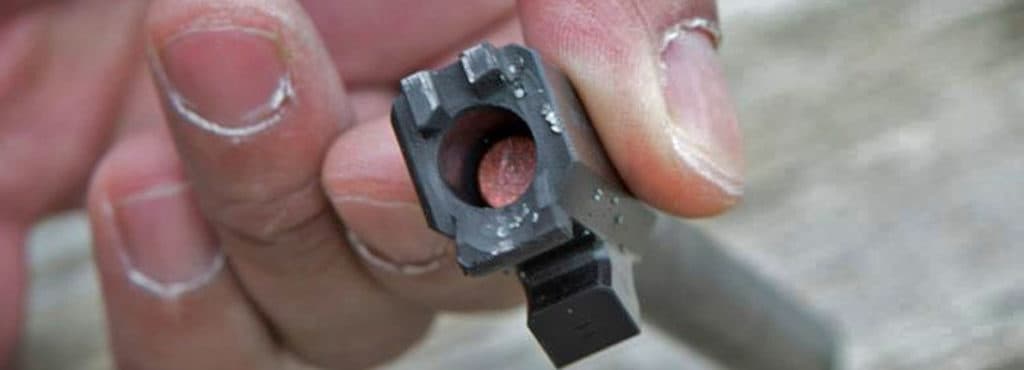
To be honest, it really doesn’t matter what gun you shoot or if you buy high-end, elventeen-time inspected ammo or cheap Winchester white box; squibs can happen to anyone.
One might argue that handloading can help eliminate the chance of squibs, but human error is always a possibility.
No matter your choice of ammo, you can encounter a squib.
So, let’s define squibs and lay out some tips on dealing with them, so you are prepared in case it happens.
Table of Contents
What is a Squib?
When a bullet gets stuck in your barrel, that is known as a squib.
Although rare, squibs can quickly turn a mild inconvenience into catastrophic failure or, even worse, missing extremities.
Lucky for you, they are pretty easy to identify and fix as long as you’re paying attention --which you should always do when shooting guns anyways.
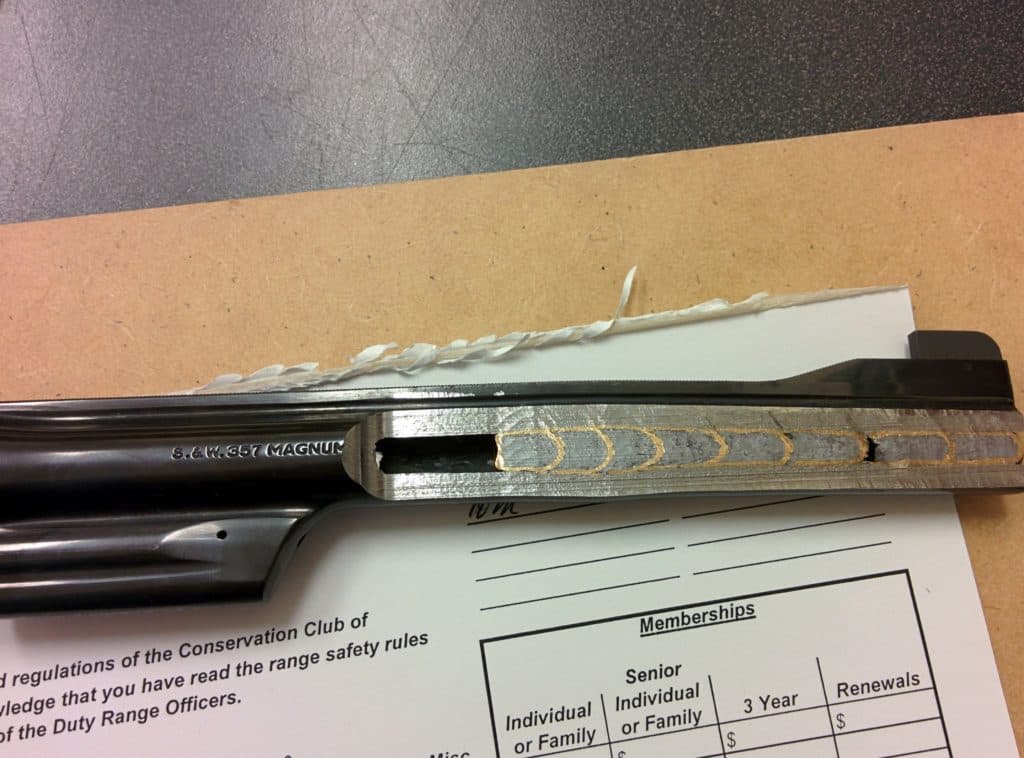
Although not inherently dangerous themselves, it’s the potential for danger that makes squibs so tricky territory.
Even though they’re not always catastrophic, squibs should always be treated seriously.
After all, safely clearing a squib can be the difference between picking your nose with a finger or a claw.

Understanding the dangers of squibs starts with understanding how firearms and bullets work.
If you weren’t already aware, a bullet uses four different components -- primer, casing, gunpowder, and projectile.

Your gun’s firing pin strikes the primer. The primer ignites the gunpowder. The ignited gunpowder sends the projectile out of the barrel and downrange at watermelons, steel, paper, etc.
Essentially, you are holding a controlled explosion that releases pressure via the barrel.
When you clog the barrel, there is nowhere for that pressure to go. The built-up pressure could, at best, break your gun.
At worst, it can break your face and hands.
Keep in mind, how you handle a squib could potentially affect those around you as well.
What Causes a Squib?
A squib is usually caused by negligence in the bullet-making process. There are a few reasons why a squib might occur.
Insufficient powder might not always result in a squib, but it is a definite possibility. If you feel a sudden change in the recoil impulse, stop and check your firearm.

Trust me, your fingers and eyes are worth more than the few seconds you save by not checking.
Another cause is no powder. This almost certainly leads to a squib load because there isn’t enough power to force the projectile through the barrel.
Upon ignition, the primer produces enough force to push the bullet into the barrel but not enough to push it out.
Similarly, if the primer isn’t seated properly, the result may be a squib.

Another primer obstruction would be a flash hole obstruction. The flash hole is the hole between the primer and the powder. Blocking this could lead to a squib.
Finally, a barrel obstruction can cause a variety of issues, including a squib. There’s a reason you should always keep your barrel clean.
Although there are many possible causes for squibs, it’s actually pretty easy to diagnose.
Do I Have a Squib?
Diagnosing a squib is usually simple.
Did a bullet come out? No? Squib.

Still, it is best to exercise extreme caution when examining your firearm. There are tell-tale signs that you have just fired a squib.
Any time your firearm exhibits weak recoil, a change in noise, or a change in firearm behavior, you should stop and evaluate your gun.
Luckily for you, fixing a squib is as easy as slamming your fist on the table in frustration.
How Do I Fix a Squib?
Now that I have raised your anxiety levels about squibs, I come bearing good news.
Squibs are pretty easy to fix. As long as you are paying attention, you will be able to save your fingers and face.

All you need to do to clear a squib is take a wooden dowel or brass cleaning rod -- or some other material that won't damage your barrel -- and bash that little sucker out of there.
Admittedly, there are better options, but I carry a pair of chopsticks in my range bag.
It's so easy a caveman could do it.
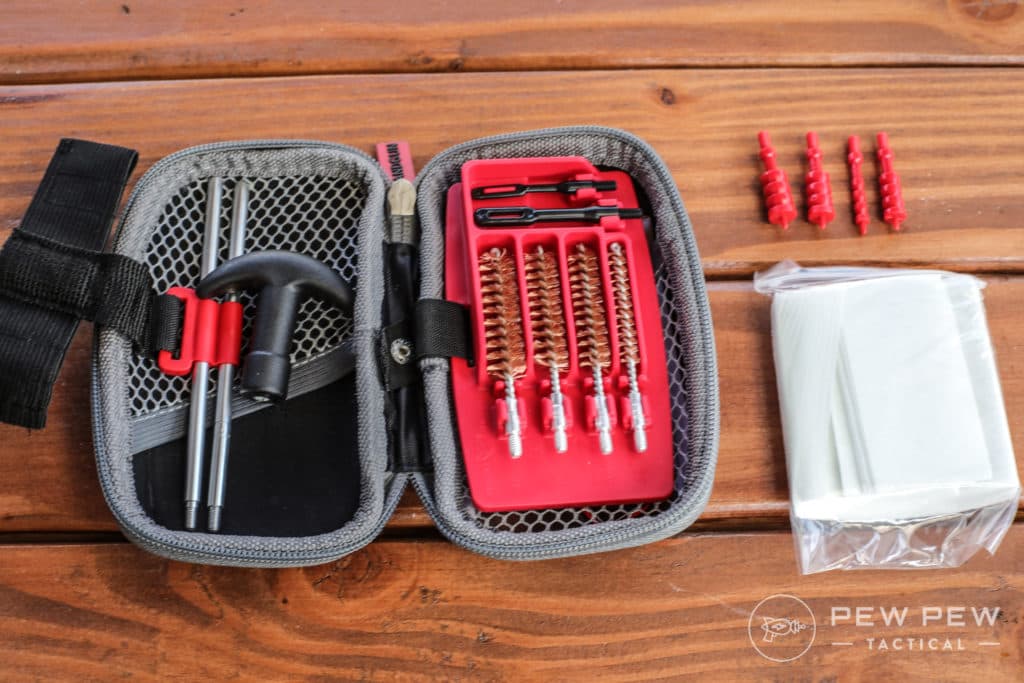
In all seriousness, once you have determined you’ve got a squib on your hands, here’s what to do.
Worth noting, depending on how stuck the bullet is, you might need some CLP to make things slip-slidey enough to loosen the projectile.

If all this still makes you uneasy, no worries! A trained gunsmith can take care of issues like squibs.
Just make sure to unload the gun before packing it up in its case and transporting it to your local gunsmith.
How To Prevent a Squib
First of all, I know times are tough, but picking random 9mm bullets up off the ground can be pretty dangerous.
Saving a couple of cents isn’t worth the risks of firing a squib, or even worse, a double-charged bullet.

Save your gun and your hands. Stop picking up loose range ammo.
If you buy factory ammo, purchase from reputable companies. The good news...squibs are extremely rare in factory ammo. Chances are you’ll never experience one.
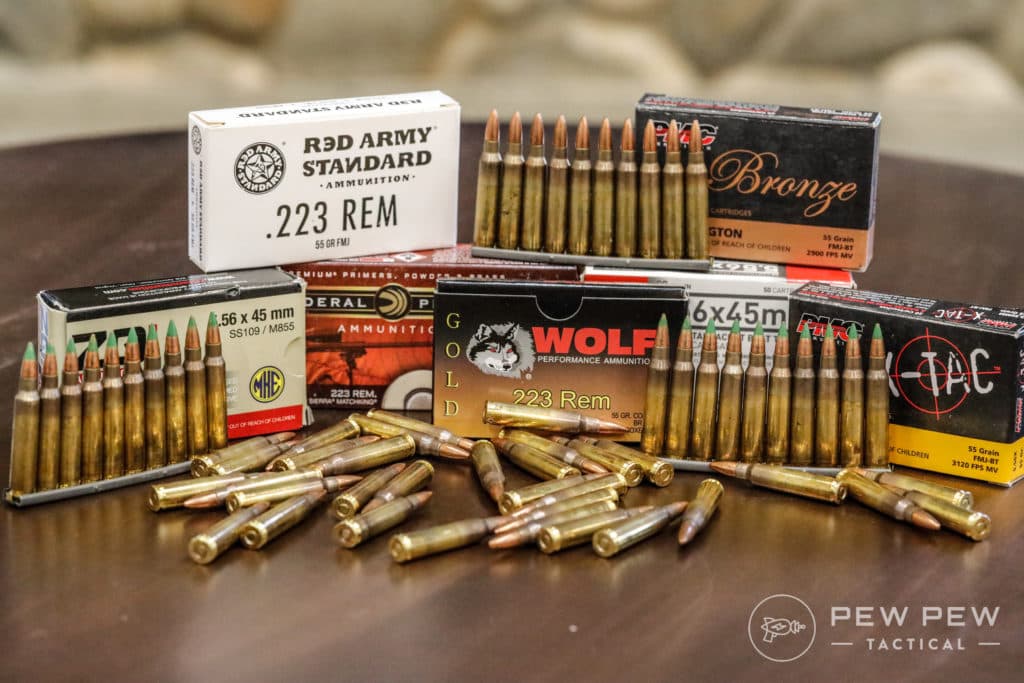
If you handload, exercise caution.
Having a good view of the inside of the brass is the best practice. Always visually check the powder levels. And, as always, if you are tired, distracted, sick, or inebriated, stay away from the loading bench!

Lastly, make sure your ammo stays cool and dry.
Also, keep in mind that ammo doesn’t last forever. If your ammo is old enough to ride a bike, please practice extreme caution.
Conclusion
Squibs aren’t as scary as you might have thought, plus they’re relatively rare. The key to preventing a bad situation from turning worse? Pay attention.
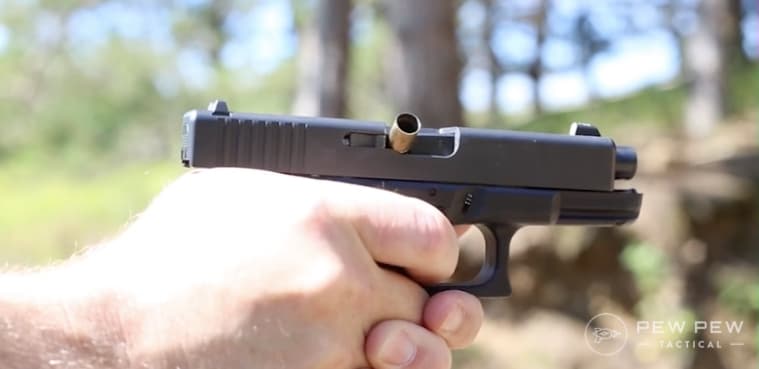
A squib will almost always show at least one of several tell-tale signs. As long as you stay vigilant, you’ll be able to catch and clear a stuck load. Always bring a dowel to the range, and you should be good to go.
Really, it’s that simple. Pay attention and be prepared.
Have you dealt with a squib? Let us know in the comments below. For more details on clearing malfunctions, check out our guide on the 8 Most Common AR-15 Failures & How to Fix Them as well as our Best Shooting Drills (which includes malfunction drills.)