
What Is the Protection of Lawful Commerce in Arms Act?
We take a look at the Protection of Lawful Commerce in Arms Act and explain what it means to gun makers and gun owners.

Attorney. Recreational shooter
We review products independently. When you buy through links on our site, we may earn a commission to help support our testing. Learn more.
The Protection of Lawful Commerce in Arms Act is getting a lot of press lately, but you may or may not be clear on what exactly it does.
In an effort to clear some things up, we're going to talk about this legislation, and what it means for gun manufacturers, as well as regular gun owners like us.
Follow along to learn more!
Disclaimer: While the information provided here is legal in nature, it is not to be construed as legal advice, and is for educational and entertainment purposes only.
Table of Contents
What Is the Protection of Lawful Commerce in Arms Act
Essentially, PLCAA protects gun manufacturers from lawsuits that stem from criminal or unlawful misuse of their products.
In other words, if someone takes a Glock and robs a convenience store, injuring the store clerk in the process, Glock would be protected from lawsuits by the clerk or the store.

This is because the injury was the result of criminal use of the firearm.
Keep in mind, however, that the law only protects gun manufacturers from criminal and unlawful misuse of their products.
Any lawsuits based on defective products, breach of contract, and other standard legal bases are still allowed to be filed.
It’s no different from the lawsuits that a manufacturer of any other product will be subject to.
How Did We Get Here?
A law prohibiting lawsuits against companies for criminal and unlawful use of their products typically isn’t one that even needs to be considered.
Not many people sue knife manufacturers when they are stabbed. For whatever reason, gun manufacturers are treated differently.
So why the need for this law?
Leading up to the passage of the law, gun manufacturers faced many lawsuits over this exact issue.
In 1998, New Orleans became the first city to sue gun manufacturers. New Orleans alleged that manufacturers failed to install adequate safety measures, making the firearms “unreasonably dangerous.”

Chicago followed suit a month later, also suing gun manufacturers and gun shops.
This led to Smith & Wesson entering into an agreement with the U.S. government in 2000.
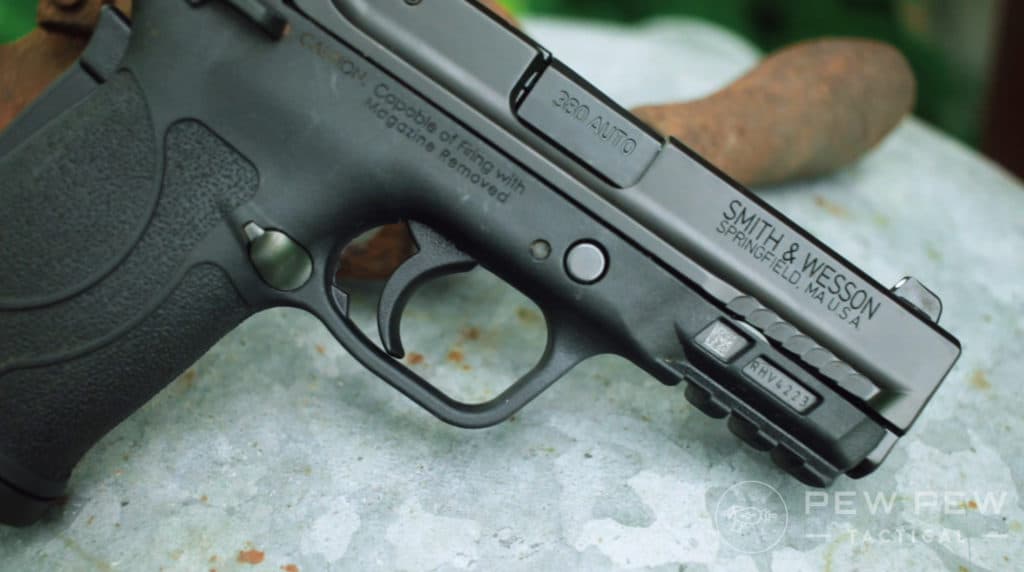
The gunmaker agreed to implement safety measures for their firearms and agreed to take action against dealers and distributors who sell a large number of guns used in crimes within three years of being sold.
In response to the increasing number of lawsuits, Congress passed the PLCAA.
What’s Going on Now?
Unsurprisingly, the PLCAA has been the subject of lawsuits ever since it was passed. It's been repeatedly challenged in court as unconstitutional.
Fortunately for firearms manufacturers and customers, the law has been found to be constitutional every time it's challenged.
That hasn’t stopped people from trying though...
The most recent lawsuit against the PLCAA -- Gustafson v. Springfield Armory -- was filed in 2020 in Pennsylvania.
Cases such as these have been dismissed as firearms manufacturers were able to claim protection under the PLCAA.
In this instance, however, the Pennsylvania Superior Court ruled that the PLCAA violated the 10th Amendment.
(If you need a reminder, that’s the one that reserves all power not specifically delegated to the federal government, to the states.)
Specifically, the Gustafsons argued the PLCAA was unconstitutional because it regulated the laws of each state rather than allowing the states to decide and apply their own laws regarding suing firearms manufacturers.
The court agreed with the Gustafsons and allowed the lawsuit to proceed. Currently, the case is awaiting another review by the Pennsylvania Superior Court.
It’s important to point out that the case is still in the very early stages.
If past lawsuits involving firearms are any indication, there will be many more appeals. One side will likely try to take their case all the way to the U.S. Supreme Court.

What works against the Gustafons, though, is that the federal government has power over interstate commerce.
That may make it difficult for them to argue why the federal government would not be able to regulate a firearm made by Springfield Armory -- a company based in Illinois, and sold in Pennsylvania.
What Does It Mean for Gun Owners?
In the meantime, what are gun owners supposed to do, if anything? Not much, really.
For now, while the Pennsylvania case makes its way through the legal system, the PLCAA is still perfectly valid.
Firearms manufacturers continue to earn protection from lawsuits brought about based on criminal or unlawful use of their products.
More likely than not, the PLCAA will continue to be found constitutional.
Firearms manufacturers can continue to make firearms without worrying about these lawsuits.
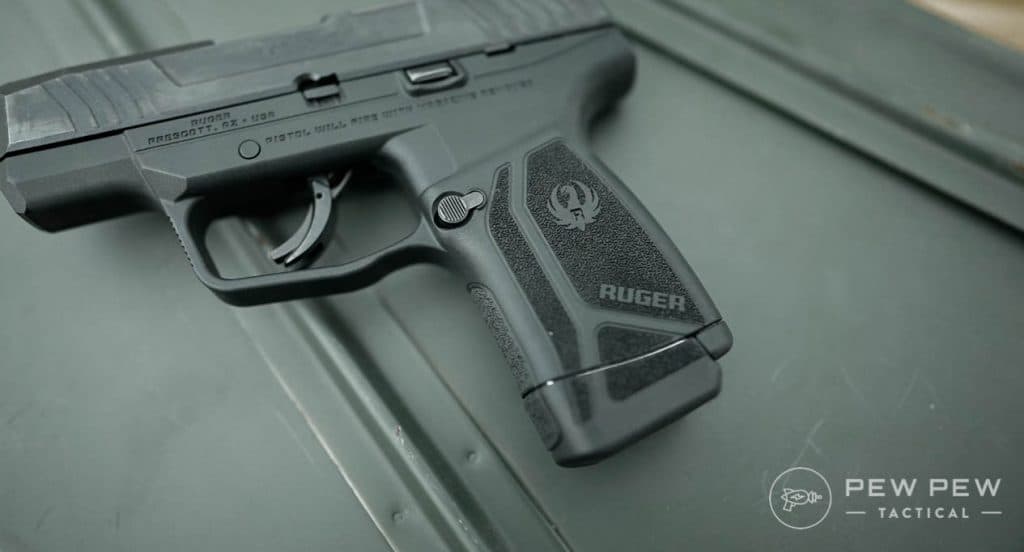
Of course, if they make defective products, they can still definitely be sued for those issues. Then again, so can any other manufacturer of products.
There is another way the PLCAA could be attacked, and that is to simply repeal the law.
The push to repeal the PLCAA most recently occurred after the Sandy Hook Elementary shooting. But so far nothing has come of it.

Conclusion
The Protection of Lawful Commerce in Arms Act protects firearms makers from endless litigation.
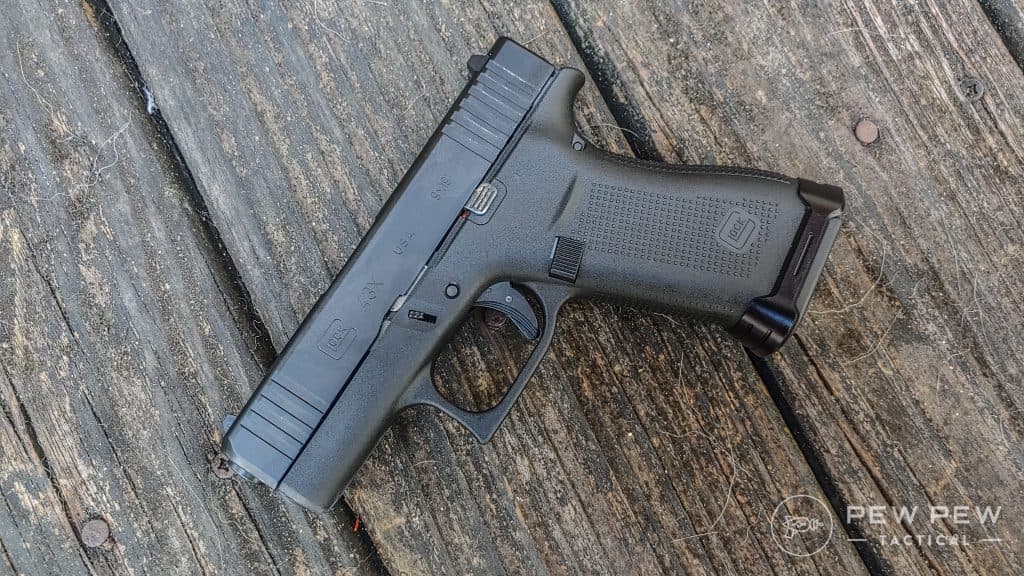
Though lawmakers in some states look to overturn it, for now, it doesn't appear to be going anywhere.
What do you think of the PLCAA? Let us know in the comments below. For more on legal issues, check out Gun Laws Category!