
7 Things I Wish I Knew Before I Carried Concealed
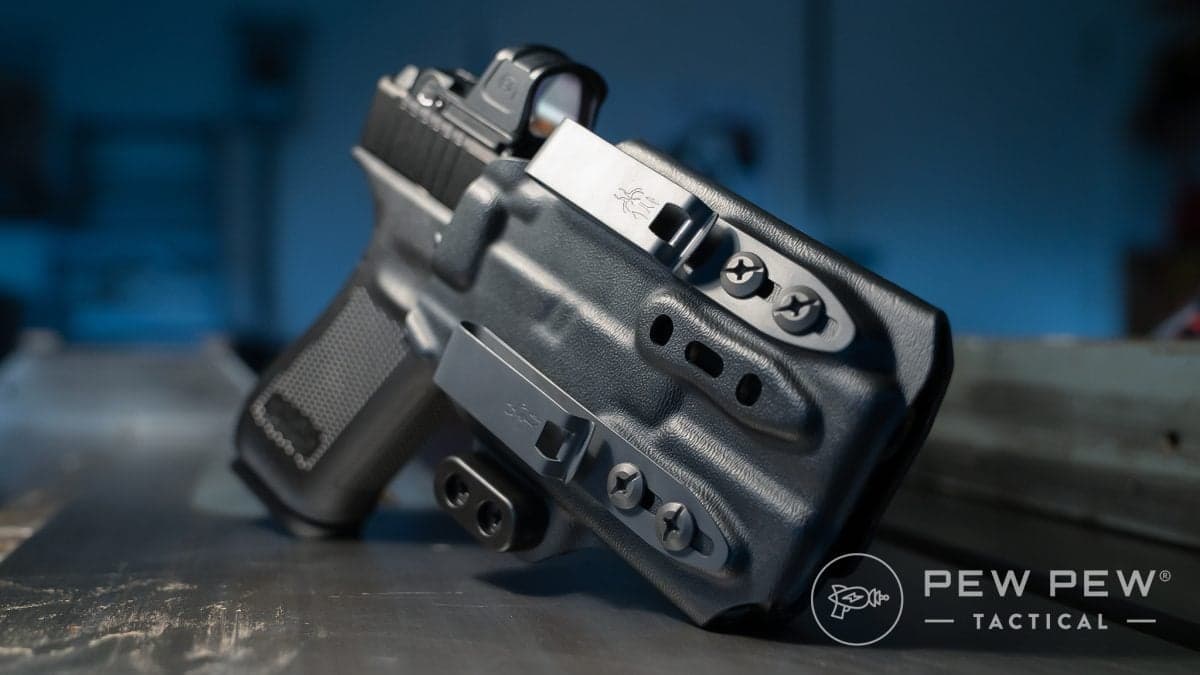
Carrying concealed can be intimidating and confusing at first. Here’s what you need to know to make it easier.

PPT Editor. Marine vet, hunter, and long-range shooter. Articles in 10+ major publications
We review products independently. When you buy through links on our site, we may earn a commission to help support our testing. Learn more.
Ready to start carrying concealed? Good for you!
Adding a firearm to your daily routine sounds simple enough, but we understand that it can be intimidating and, at times, confusing.
We’re here to help.
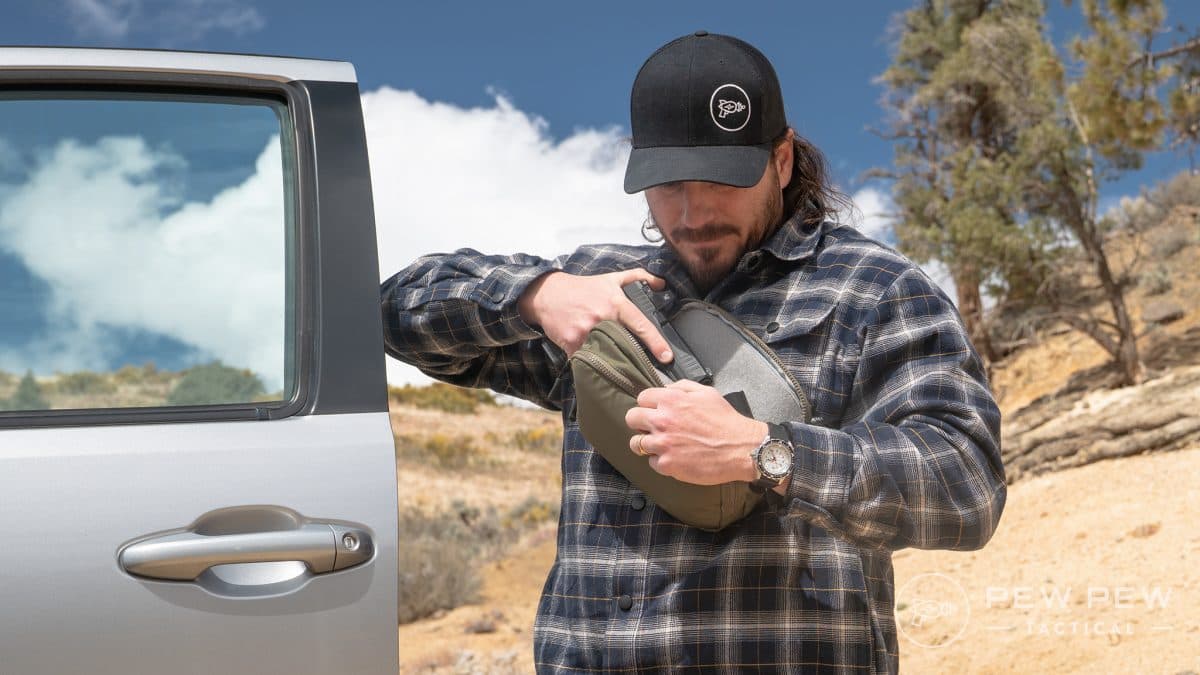
These are the five things I wish I knew before I carried concealed. By the end of this article, you’ll have a better understanding of what to expect and a slightly easier learning curve.
Let’s get started!
Table of Contents
Things I Wish I Knew Before I Carried Concealed
1. It’s Uncomfortable…
YouTube gun reviews and Hollywood depictions make carrying concealed look easy, but the first thing you’re going to notice when you stuff a holster into your pants is that it feels weird.

That doesn’t necessarily mean you bought the wrong holster or you’re wearing it wrong. It could just be an unfamiliar sensation that takes time to adjust to.
Let’s use my current lightweight CCW setup as an example. A Springfield Hellcat Pro with 15 rounds, a Vortex Defender-CCW red dot, and a Tenicor Certum3 holster weighs 1 pound, 15 ounces and adds several inches to my pant size. That’s like putting a can of soup in your pocket.
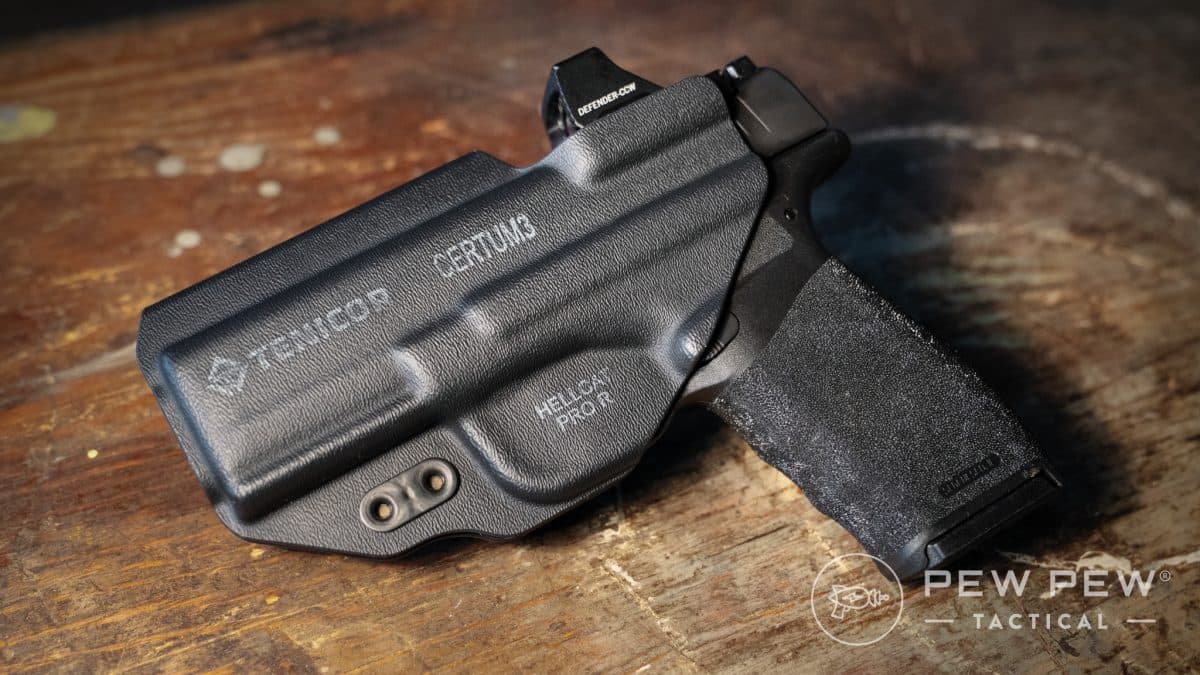
Making a CCW rig work requires trial and error. Try different positions and outfits to find what works for your body and lifestyle.
Then, be patient. After a week, it won’t feel as awkward. After a month, you’ll feel naked without it.
2. …But It Doesn’t Have To Be
Picking a good IWB holster is where comfortable concealed carry starts. Look for features like adjustable belt clips, adjustable retention, and shims that tuck the grip toward your body rather than letting it stick out like a sore thumb.
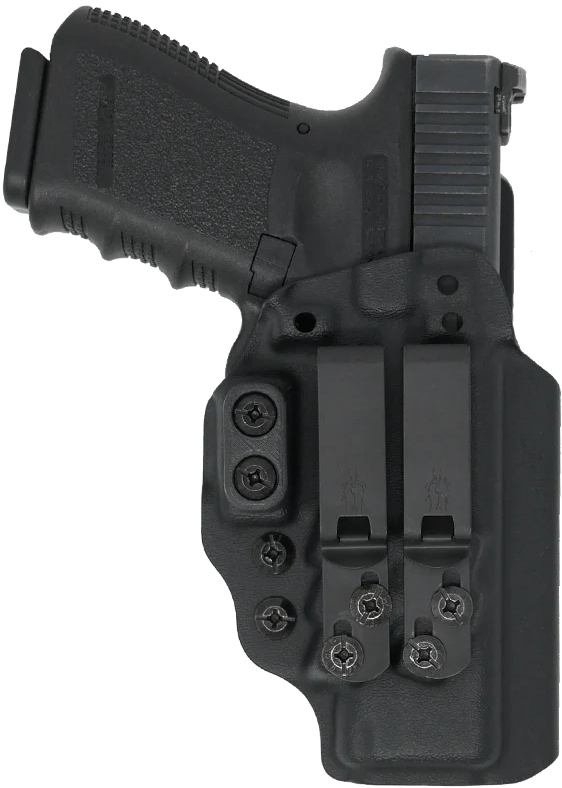
Some holster manufacturers offer foam shims that help keep the pistol vertical instead of sagging outward. If that’s an option, they’re worth spending a few extra bucks.
Regardless of which CCW holster you choose, a dedicated gun belt will make a world of difference.
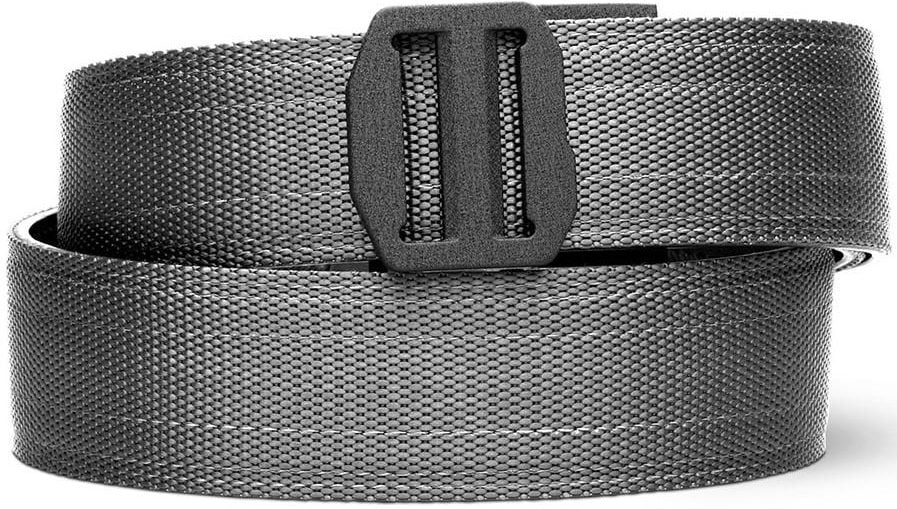
Normal belts simply don’t offer enough support for the kind of weight we’re talking about. A gun belt might feel like wearing a hula hoop at first, but it will make your holster feel much lighter and it will hold everything in place better than a casual belt.
Off-body carry is an option, too. There are downsides to separating your gun from your body, but the tradeoffs might be worth it in certain situations.
And yes, there is awesome concealed carry gear for women!
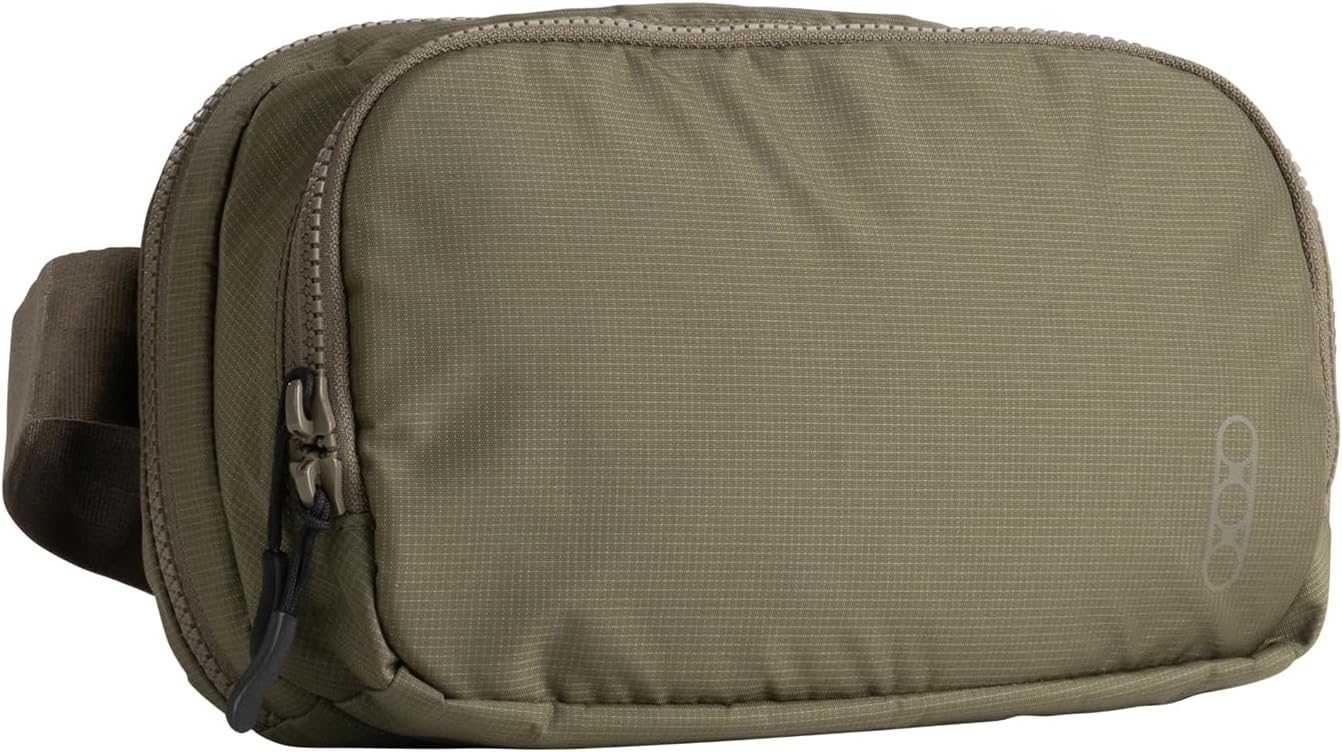
Don’t worry about committing to one holster or style of carry. I mix it up depending on what I’m doing on a given day, and that flexibility makes life much easier.
Just remember to train with each system you use to stay proficient.
3. Ammo Selection Makes a Huge Difference
There’s more to loading your concealed carry pistol than grabbing a box of training ammo and filling the magazine.
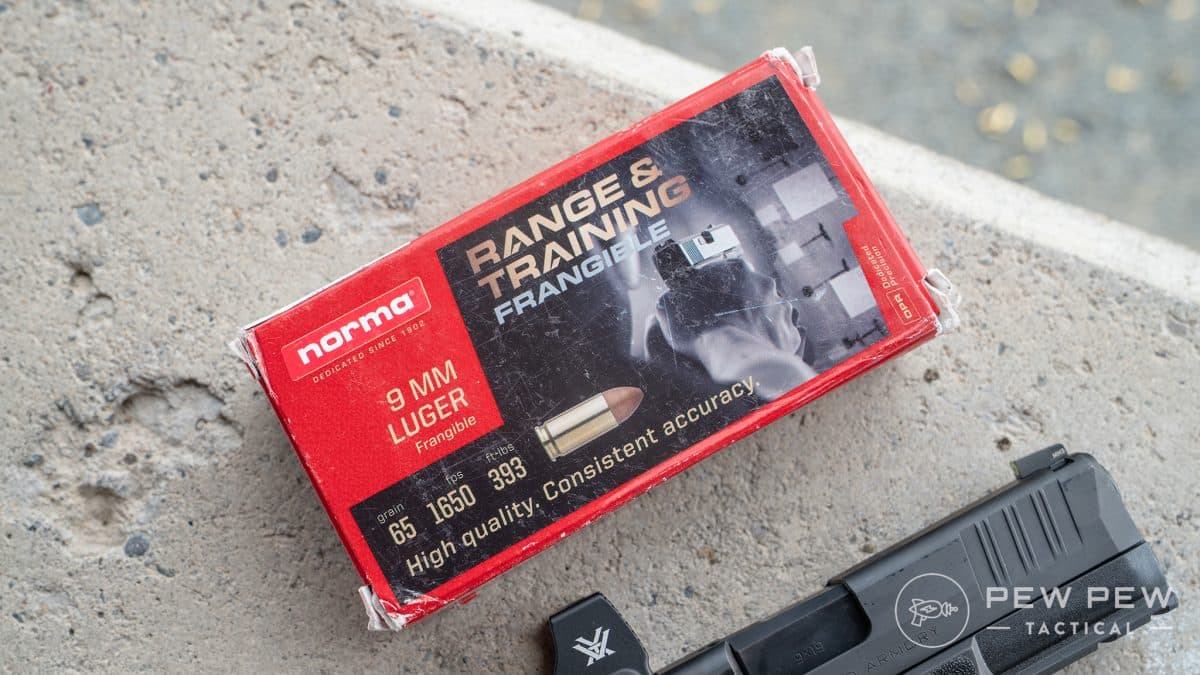
While that stuff is great for getting reps at the range, it’s not something you should trust your life to. Train with FMJ (full metal jacket) or frangible (required at some indoor ranges) bullets. Carry JHP (jacketed hollow point) or solid copper bullets for self defense.
Check out our guide to the best 9mm ammo for my recommendations, then do some testing at your local range. Terminal ballistics (what you see in ballistic gel) won’t change in a meaningful way, but your pistol may cycle more reliably and shoot more accurately with certain loads.
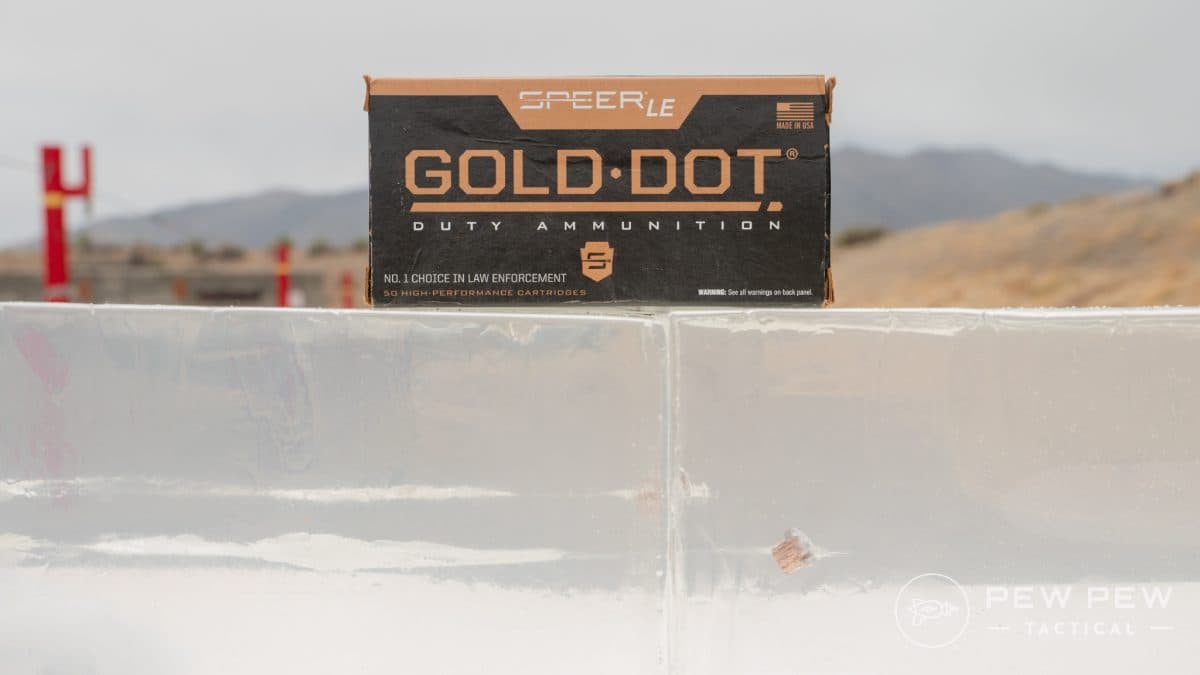
When in doubt, asking your local police department what ammo they carry is a good place to start.
4. Training Beats Gear
Ok, I actually did know this one before I started carrying concealed but I think it's a common snag point for a lot of new gun owners. Let's talk about it.
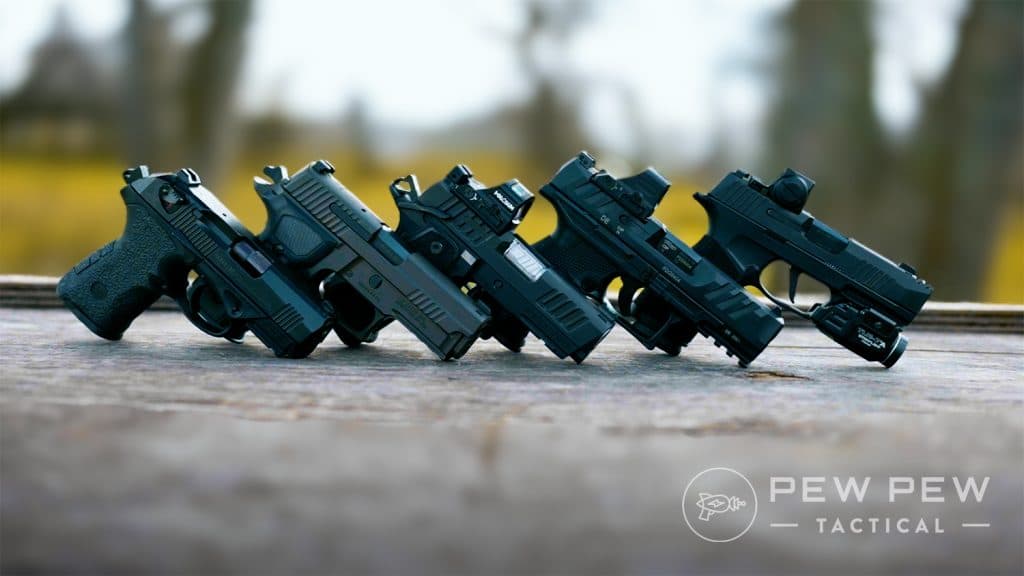
Good gear definitely makes a difference, and everyone at Pew Pew Tactical has reasons for selecting the guns we carry. But a run-of-the-mill pistol in the hands of a highly trained expert is far more effective than the fanciest pistol in the hands of an untrained amateur.
Luckily, this is something you can control. Your level of proficiency is a temporary description, not an identity.
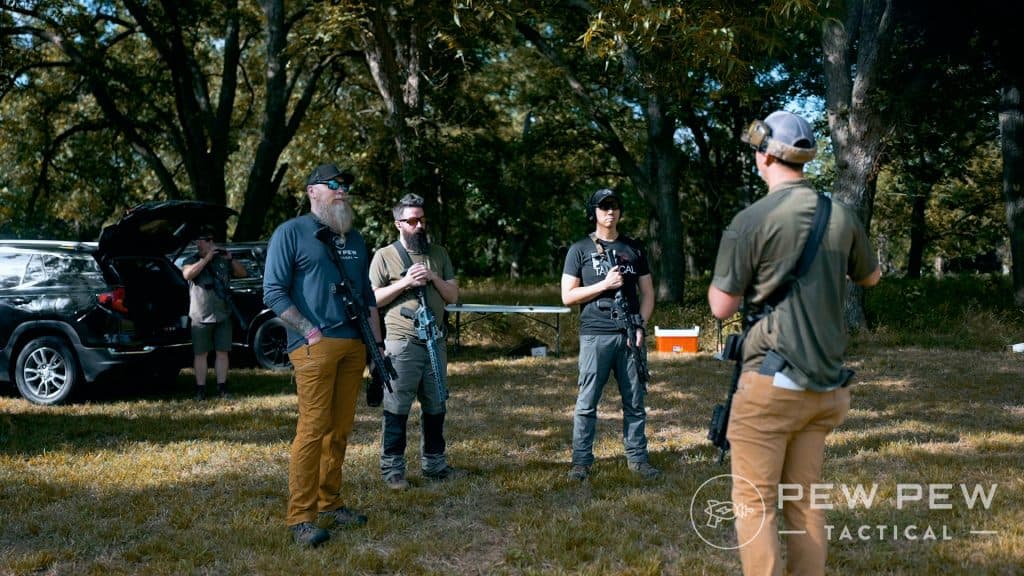
If you're not an experienced shooter, take a class! If you can't attend in person, we have great online classes to help you gain confidence.
Bring those new skills to your local range and develop them until they're second nature. Be a lifelong learner, and don't be afraid to try new things.
5. People Aren’t Staring At You
The first time you carry, it can feel like all eyes are on you. Is someone going to notice your pistol? Are they going to freak out, cause a scene, and dox you online as some kind of maniac?

Nah. Don’t take this the wrong way, but strangers don’t care enough about you to inspect your waistline in search of a gun. Most people take very little interest in their surroundings.
Still concerned? Take a page out of the gray man theory.
Forget about wearing clothing that draws attention. This is not the time to rep your favorite firearm manufacturer, evangelize for the second amendment, or dress like a tactical apparel model. Board shorts and brewery T-shirts have never let me down.
If you’re concerned about printing, a loose-fitting, patterned shirt will work wonders. Plaid, dots, and Hawaiian flowers can all break up the outline of a pistol grip better than a solid color. If you’re sticking with solids, darker colors tend to hide contours a little better.
That said, some people aren’t going to be fooled. Police officers and fellow concealed carriers can spot subtle printing or a CCW bag like a neon sign, but we’re the exception.
The good news is that these same people have no issue with you carrying a gun for protection in the first place. They are, too!

6. Gun-Free Zones Are More Common Than You Thought
Most people are oblivious to gun-free zones because, if you aren’t carrying, they’re no different from anywhere else. Once you strap a pistol to your waist, though, those little signs are all that stand between you and a felony charge.
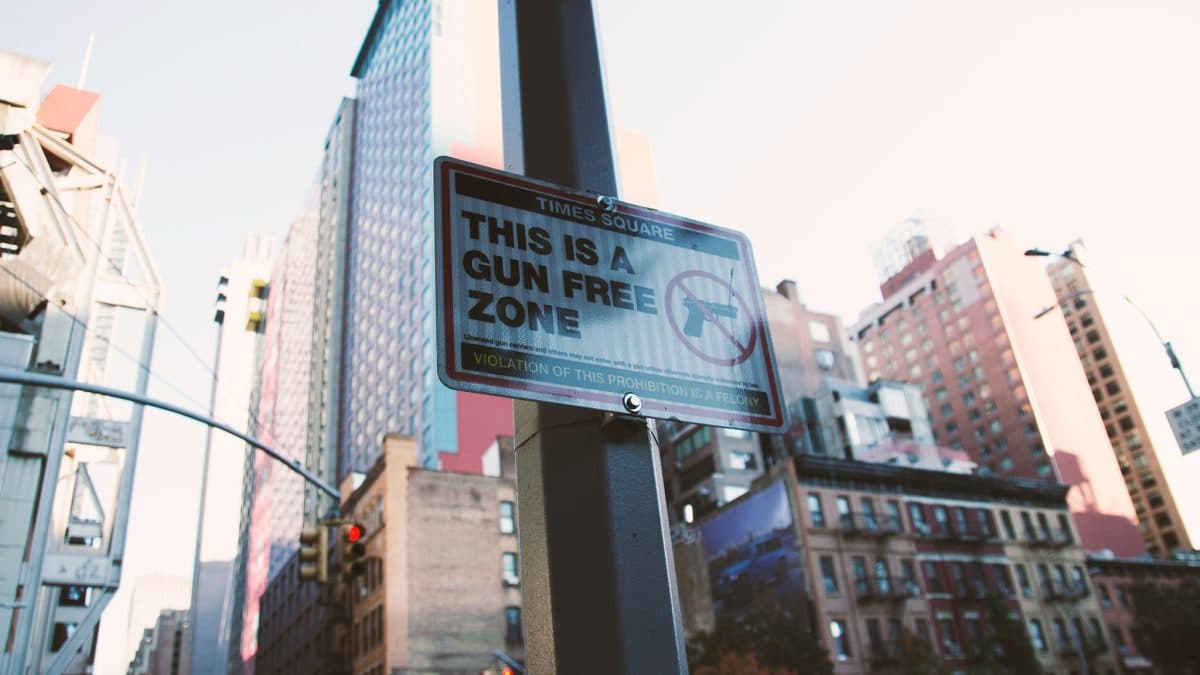
Learn the common rules about where you can legally carry and where you can’t. Then, stay vigilant and have a plan to handle unexpected gun-free zones.
Can you turn around and go someplace else? Can you safely stash your pistol in your car while you run an errand? These are things to think about before you’re frozen in a doorway with a deer-in-the-headlights look on your face.
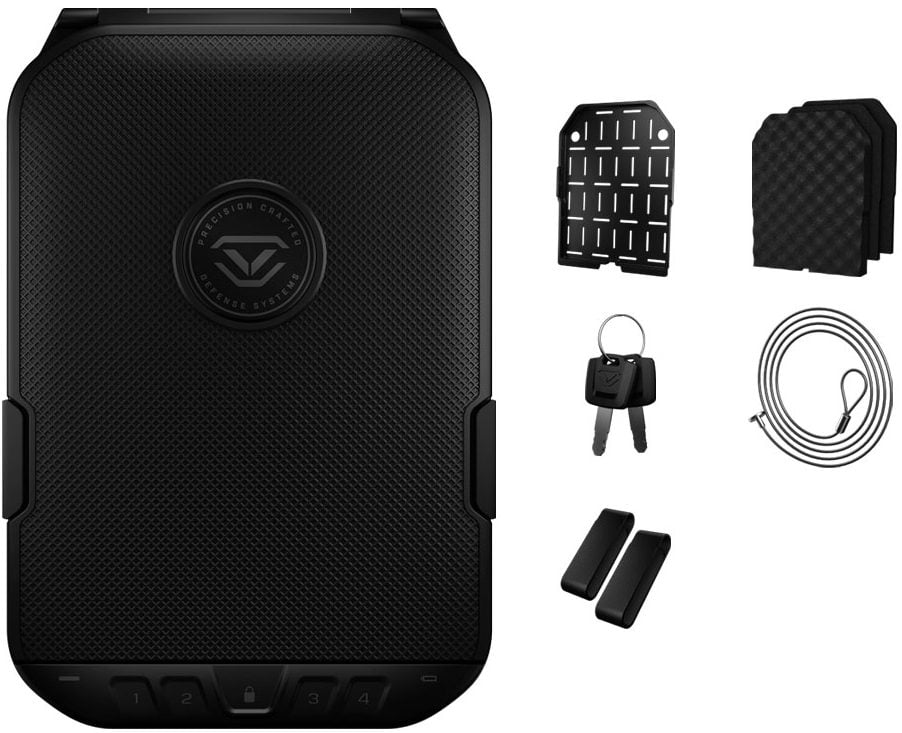
It might feel like you’ve moved to a new town at first. After a while, you’ll have a mental map of no-go zones and a plan to go about your business safely and legally.
7. State Laws Are All Over The Map
Right about the time you feel like you have it all figured out, you’ll probably have to travel across state lines and start the process all over again.
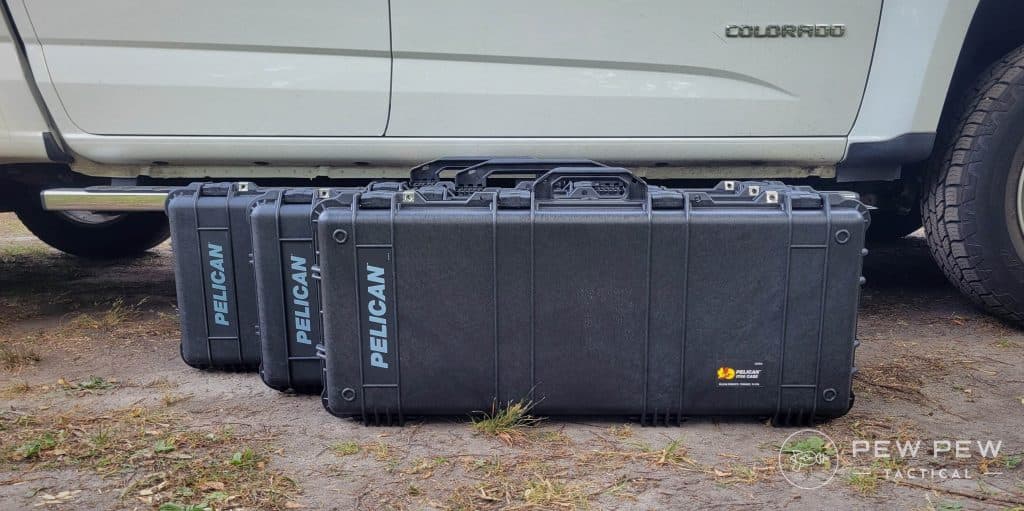
This might surprise you, but you can fly with a firearm if you follow the TSA’s and airline’s rules.
Even if you drive, remember that states make their own laws about carrying concealed, the kinds of weapons you can own, and how many rounds your magazines can hold. Check out our guide to gun laws by state and look up the most current laws in any state you plan to visit or pass through ahead of time – gun laws are subject to change.
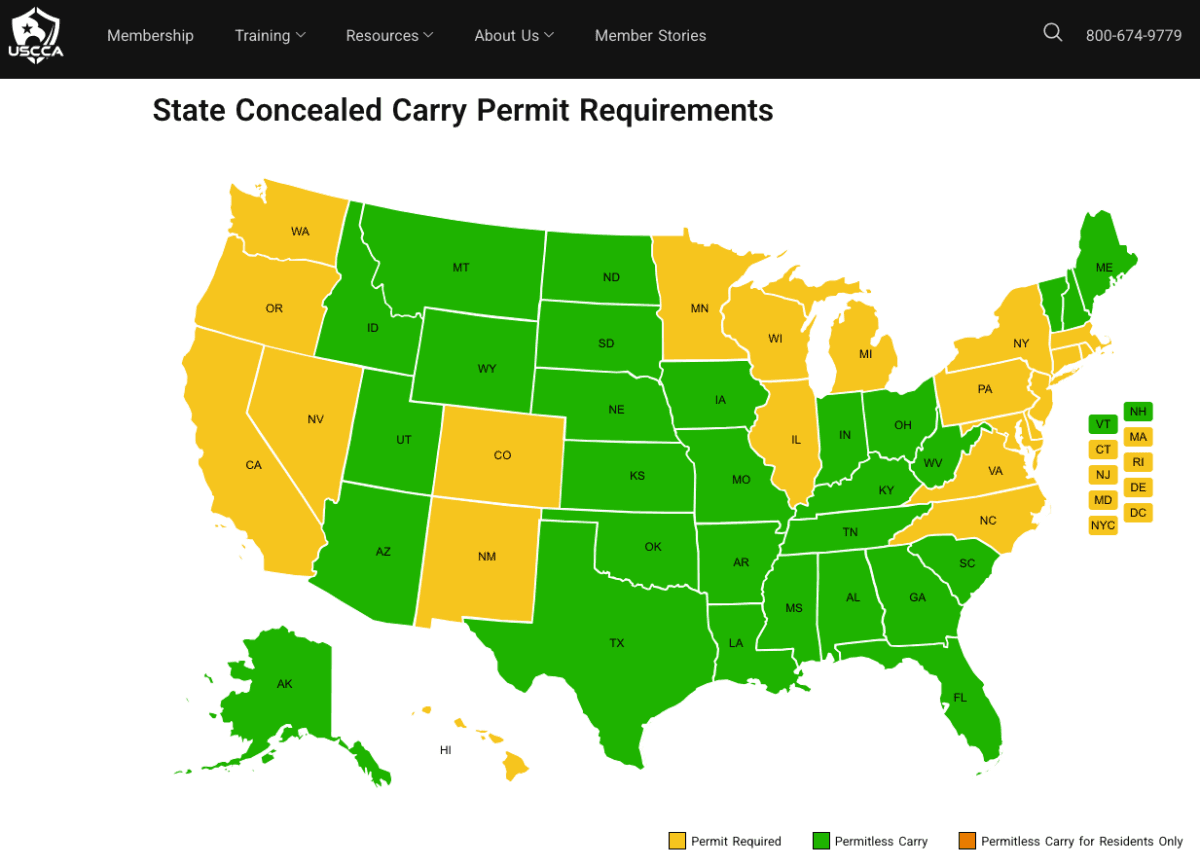
Just because you have a CCW permit in your state doesn’t mean it’s accepted elsewhere. There’s a bill (H.R.38) that would change that in front of Congress as I write this, but right now the best bet is to check a reciprocity map before you leave town.
Helpful CCW Resources
- Best CCW Pistols
- Best Concealed Carry Holsters
- Safe & Effective Dry Fire Training
- How to Practice Drawing From a Holster
- Best Concealed Carry Insurance
- Best Gun Safes
If you want to branch out, check out our articles on CCW alternatives like pepper spray and stun guns!
Meet the Experts
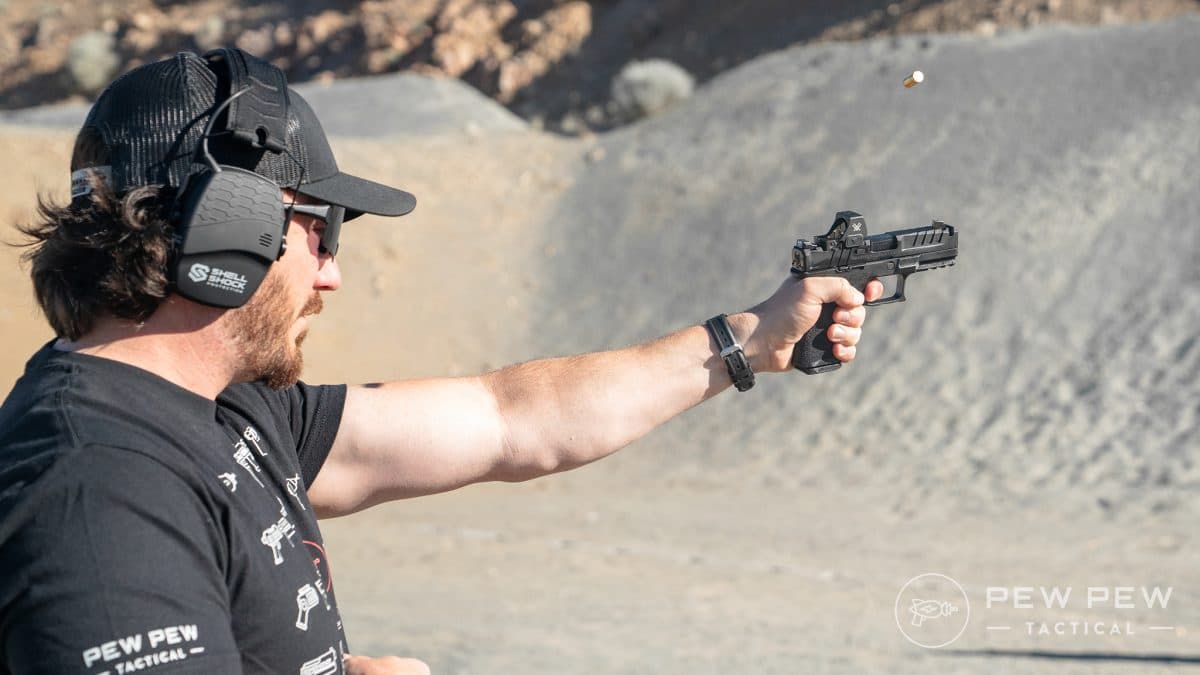
Editing this article is Scott Murdock. Scott is a Marine Corps veteran who competed and qualified as a rifle and pistol expert while in service. In addition to shooting, Scott has written for a variety of publications, testing, researching, and evaluating guns and gear. He brings that knowledge and skillset to this article, editing and fact-checking for accuracy.
Editor-in-Chief Jacki Billings runs our experienced team of reviewers. She is a National Rifle Association Basic Pistol Instructor as well as a member of the Society of Professional Journalists, ACES: Society for Editing, and the Professional Outdoor Media Association. Jacki has a bachelor’s degree in journalism and has worked as a media professional for close to 20 years, specializing in gun media for almost 10 years. With 2,000+ articles to her name, she uses her professional journalism and editing experience to set testing protocols and editorial standards for Pew Pew Tactical.
Final Thoughts
We all have our reasons for carrying concealed, but we can always learn from each other. At least this way you don’t have to start from square one.

You’re going to learn lots of tips and tricks along the way. Come on back to share what you learned here!
What surprised you when you started carrying concealed? Share what you learned in the comments. Want more information? Check out our Concealed Carry Definitive Guide!
Latest Updates
- September 2025: Complete overhaul with new instructions, photos, and supporting content.