
Best Rangefinders For Shooting [Hands-On with Views]
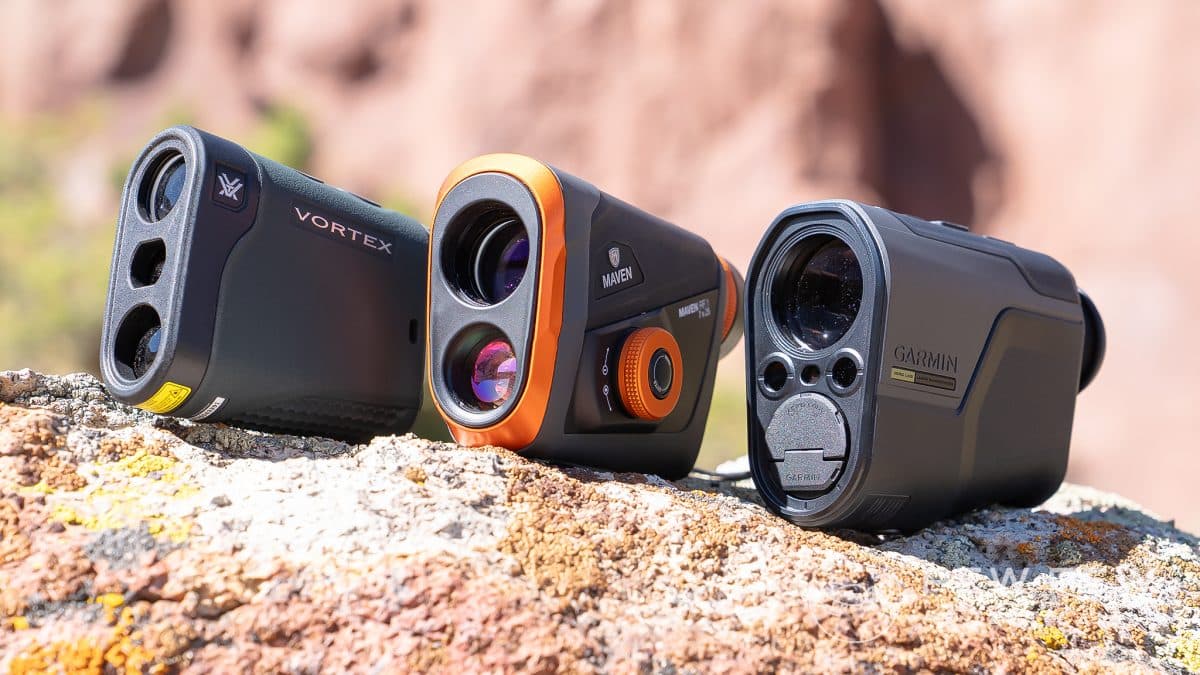
If you’ve ever shot at any real distance, you know how important it is to know the distance to your target. These rangefinders take the guesswork out of it.

PPT Editor. Marine vet, hunter, and long-range shooter. Articles in 10+ major publications
We review products independently. When you buy through links on our site, we may earn a commission to help support our testing. Learn more.
Forget about terms like spin drift and Coriolis effect for a second. If your marksmanship fundamentals are solid, the reason you miss probably boils down to inaccurate range estimation and wind calls.
Reading the wind is a lifelong challenge, but I can help you with the ranging part pretty quickly. Let’s get you set up with a great rangefinder.
What you’re about to see is a list of the best rangefinders for shooting based on personal, hands-on experience and testing. And don’t worry – there’s something for every budget.
The Quick List
- Best Overall: Vortex Razor HD 4000 GBJump to details ↓
- Best Premium: Garmin Xero L60iJump to details ↓
- Best Value: Maven RF.1Jump to details ↓
- Best Budget: Vortex Triumph HD 850Jump to details ↓
- Best for Precision Shooting: Vortex Impact 4000Jump to details ↓
Table of Contents
Rangefinder Comparison Chart
| Price | Laser Range | Magnification | Ballistic Capability | GPS Capability | |
|---|---|---|---|---|---|
| Vortex Razor HD 4000 GB | $677 | 4,000 yds (reflective) 2,500 yds (tree) 2,200 yds (deer) | 7x | Yes | No |
| Garmin Xero L60i | $2,499 | 7,500 yds (reflective) 4,000 yds (trees) 1,500 yds (deer) | 7x | Yes | Yes |
| Maven RF.1 | $550 | 4,500 yds (reflective) 3,000 yds (tree) 2,700 yds (deer) | 7x | No | No |
| Vortex Triumph HD 850 | $99 | 850 yds (reflective) 500 yds (tree) 350 yds (deer) | 5x | No | No |
| Vortex Impact 4000 | $1,489 | 4,000 yds (reflective) 2,500 yds (tree) 1,500 yds (deer) | N/A | Yes | No |
How We Tested the Best Rangefinders for Shooting
Between personal use, product testing, and industry media events, I’ve used more rangefinders than I can keep track of. What you see here are the best of the best, with consideration given to different budgets.
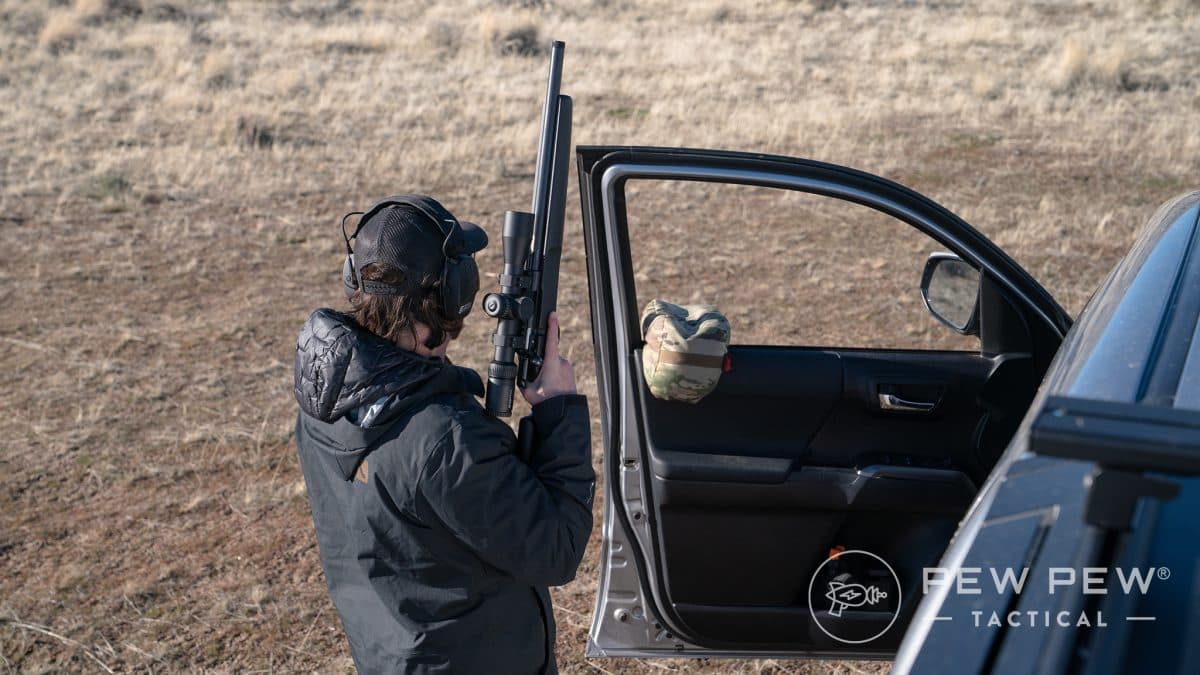
My top priority for this article is accurate range readings. If a rangefinder gave me headaches on the range with inconsistent or inaccurate information, it got kicked to the curb. These are all reliable instruments that got me on target every time.
Next, I considered the features each rangefinder offered. Some give simple distance readings and a few basic modes; others offer ballistic solutions and even detailed maps in augmented reality overlays. That’s important information to know before you make a purchase.
Finally, I considered the differences between various optical systems. This includes the optical quality I saw through the viewfinder, as well as the laser’s ability to perform in challenging conditions like rain, snow, and fog.
Meet the Experts
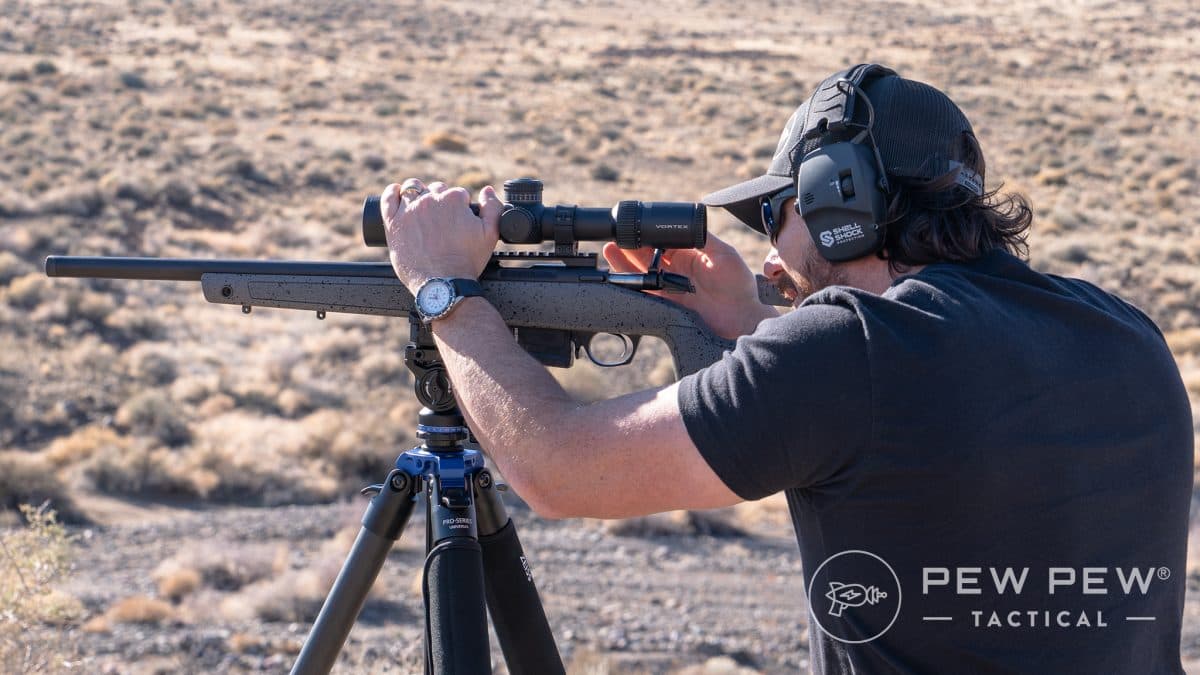
Editing this article is Scott Murdock. Scott is a Marine Corps veteran who competed and qualified as a rifle and pistol expert while in service. Scott has also completed several long-range precision courses and a hunter marksmanship course, including engagements out to one mile. He’s personally used each of the rangefinders on this list, either in a target-shooting or hunting capacity.
Editor-in-Chief Jacki Billings runs our experienced team of reviewers. She is a National Rifle Association Basic Pistol Instructor as well as a member of the Society of Professional Journalists, ACES: Society for Editing, and the Professional Outdoor Media Association. Jacki has a bachelor’s degree in journalism and has worked as a media professional for close to 20 years, specializing in gun media for almost 10 years. With 2,000+ articles to her name, she uses her professional journalism and editing experience to set testing protocols and editorial standards for Pew Pew Tactical.
Best Rangefinders for Shooting
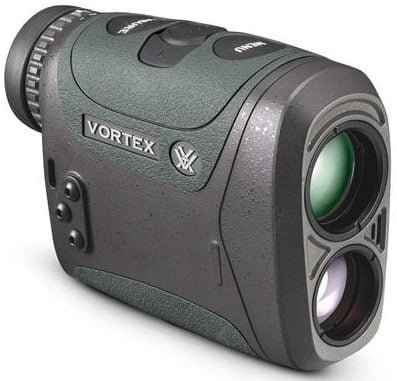
1. Vortex Razor HD 4000 GB - Best Overall
Pros
- Get shooting solutions in the display
- Pair with the GeoBallistics app
- Excellent optical quality
- Environmental sensors
Cons
- Lots of features to navigate with small buttons
- May cost more than your rifle
The Bottom Line
The Vortex Razor HD GB isn't the most tech-heavy rangefinder anymore, but it's still a real shooter's rangefinder. The glass is excellent. The ballistic capability makes shooting accurately much easier and faster than it would be if you had to rely on your phone or a DOPE card. And yes, it's tough enough for a PRS match or whatever you have planned this hunting season.
Specs
- Maximum Range: 4,000 yds (reflective), 2,500 yds (tree), 2,200 yds (deer)
- Minimum Range: 5 yds
- Magnification: 7x
- Objective Lens: 25 mm
- Eye Relief: 18 mm
- Battery: CR2
- Country of Origin: Philippines
If you demand a premium optical system and the ability to range targets out to the horizon, the Vortex Razor HD 4000 GB is awesome.
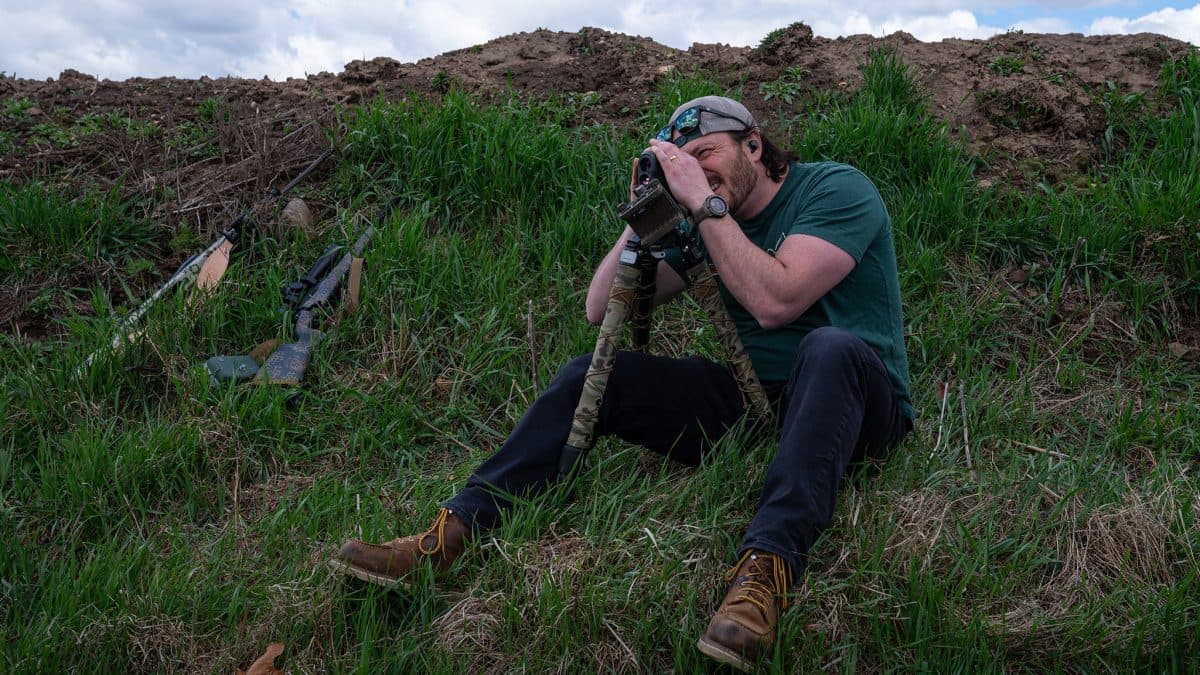
The glass is among the best I’ve tested. It's ultra-clear and bright.
The display features a crosshair that's small and centered, with the range information right below it. Information comes through brightly with five brightness settings, and it's easy to read.
It even feels great in the hand. The rubberized exterior provides lots of grip in wet weather and adds a layer of protection.
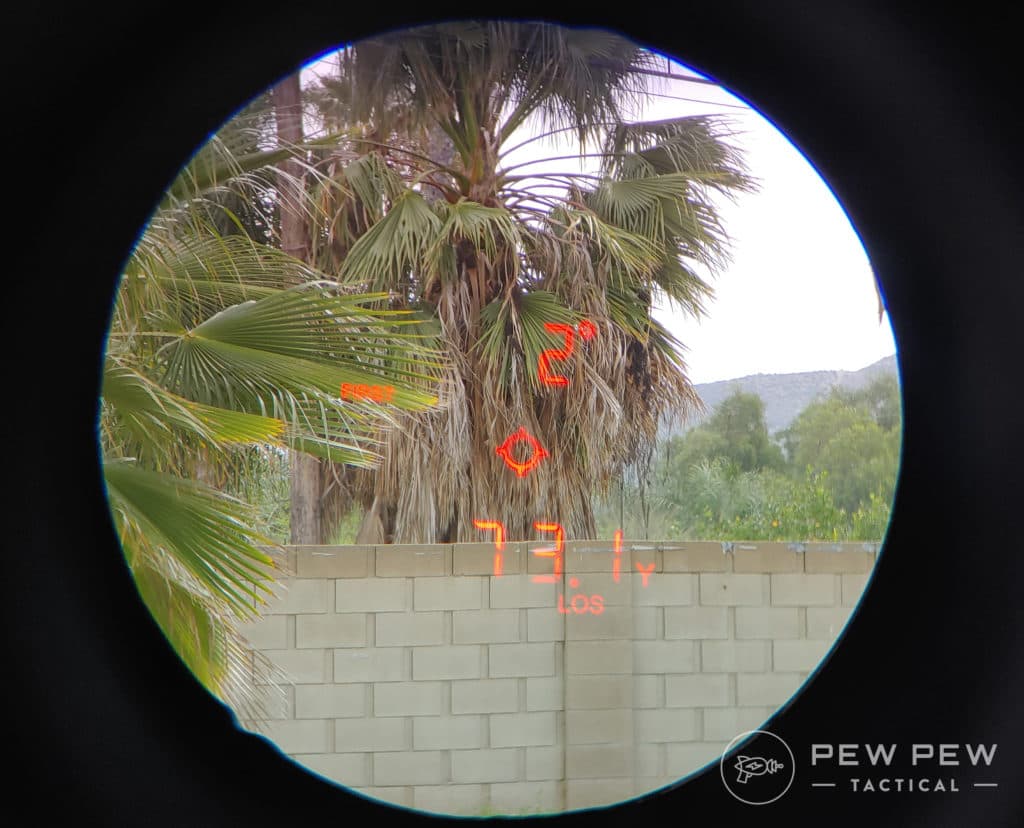
You can navigate the optic's extensive menu options with the buttons while you look through it, but that will take some practice to learn and a few seconds to execute in the field. It's not rocket science, but there's a lot to dig into.
So, what's special about the GB version?
I chose the Razor HD 4000 GB over the original Razor HD 4000 because it's loaded with software from GeoBallistics. That means it doesn't just provide the range to the target, it calculates a firing solution, too.
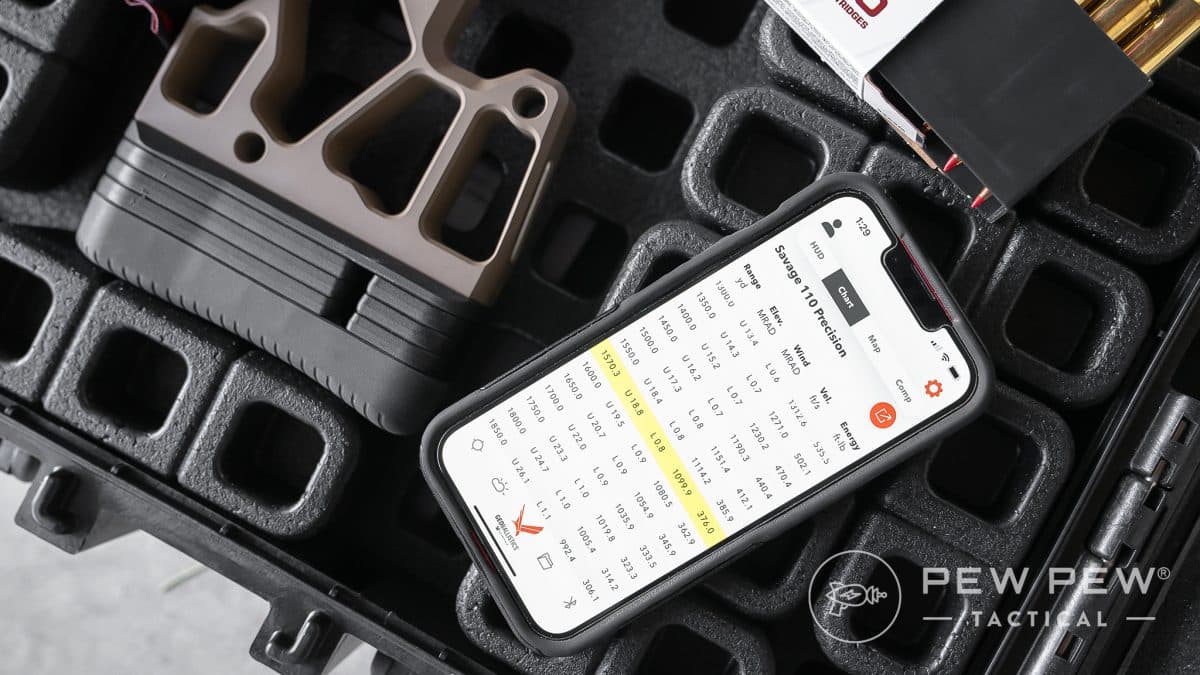
You can use the optic on its own or pair it with the GeoBallistics app to customize multiple rifle profiles right down to barrel twist and drag coefficient. Talk about precision!
Vortex includes a premium GeoBallistics subscription when you buy a compatible product. All you have to do is pair your rangefinder with your phone to activate it.
The biggest hurdle with the Razor is the price tag. But if you want to engage targets really far away with maximum accuracy, that comes with the territory.
2. Garmin Xero L60i - Best Premium
Pros
- Technology of the future
- Excellent optical quality
- Next-level functionality with paired devices
Cons
- Prohibitively expensive for many shooters
- Works best with several other Garmin devices and apps
The Bottom Line
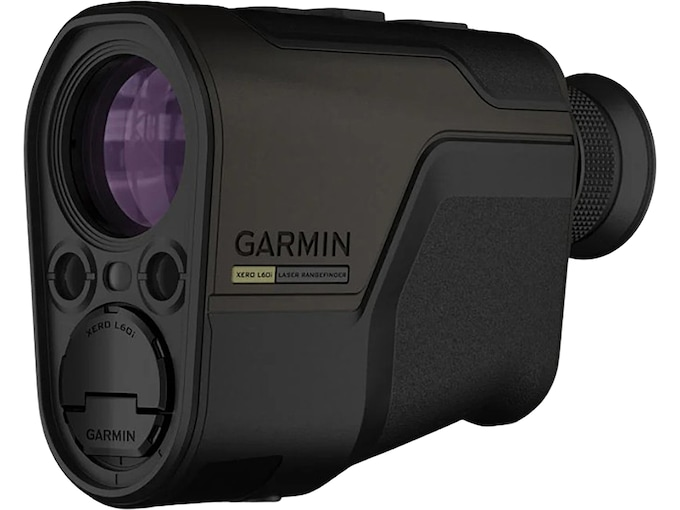
The Garmin Xero L60i just blew the doors off the competition. This isn't just a powerful rangefinder, it's a next-level augmented-reality navigation system. After several range days and hikes with this rangefinder, I've barely scratched the surface of what it can do.
Specs
- Maximum Range: 7,500 yds (reflective), 4,000 yds (trees), 1,500 yds (deer)
- Minimum Range: N/A
- Magnification: 7x
- Objective Lens: 32 mm
- Eye Relief: 18 mm
- Battery: 2 x AAA
- Country of Origin: Taiwan
That’s right, Garmin cannonballed into the rangefinder game out of nowhere at SHOT Show this year. And boy, is the Garmin Xero L60i a great way to make a splash.
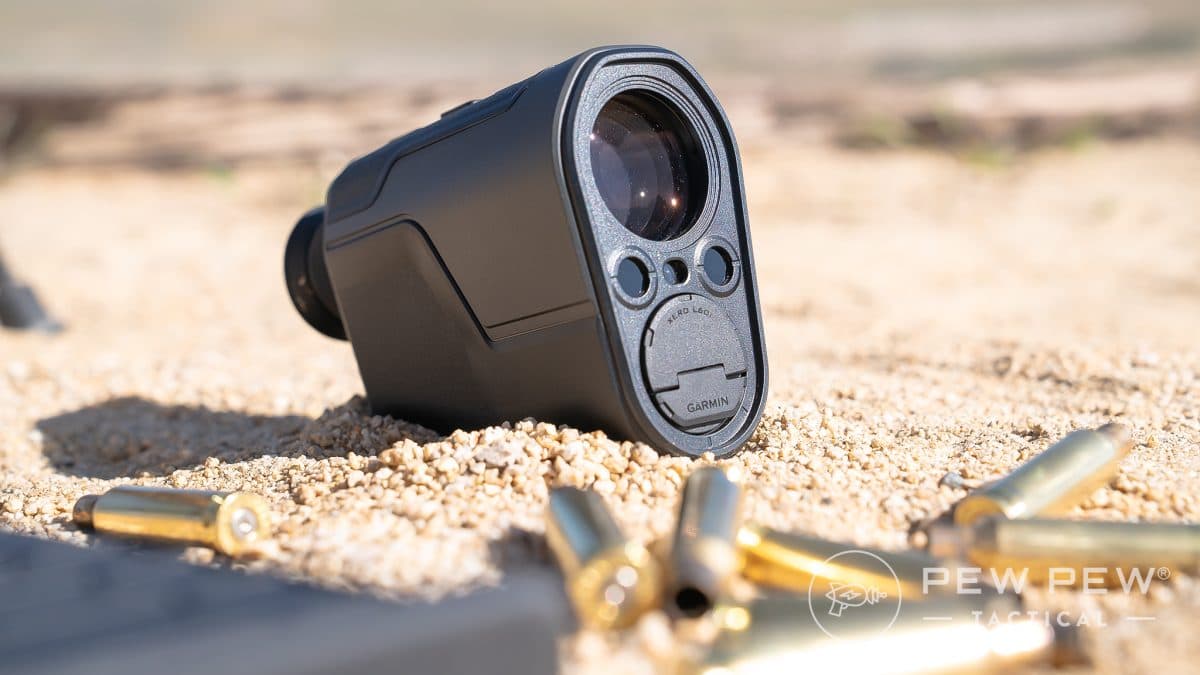
It’s not an overstatement to say that this rangefinder is in a league of its own. By integrating it into the larger Garmin ecosystem, the engineers made it achieve things I thought were science fiction until I tried it for myself.
Let’s start with the display. The glass is excellent – light transmission, clarity, definition, and color realism are all superb. The virtual overlay is bright and clean, with intuitive menus that unlock basic settings, ballistic solutions, map functionality (yep, there’s a map in there), and the ability to send data to other Garmin devices.
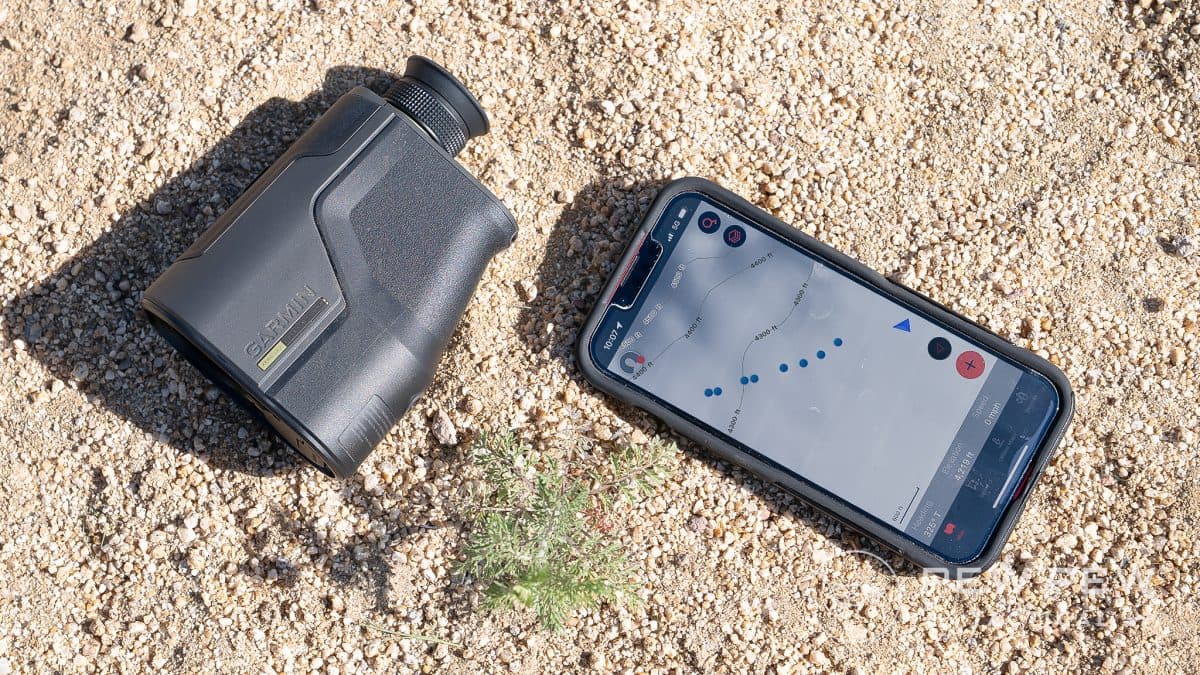
At my local precision shooting facility, I ranged several targets from 300 to 1,000 yards and stored them in the Garmin Explore app. This would be useful for match prep and general training purposes, but it also mimicked the way I’d use this rangefinder in a hunting capacity. The whole process took a few clicks and only a second or two each time.
Mapping points on a phone is one thing, but finding them again on the ground is another. The Xero L60i’s augmented reality display visually guided me onto saved points with crystal clear instructions, then highlighted them for me with a large circle so I could still see what I was searching for.
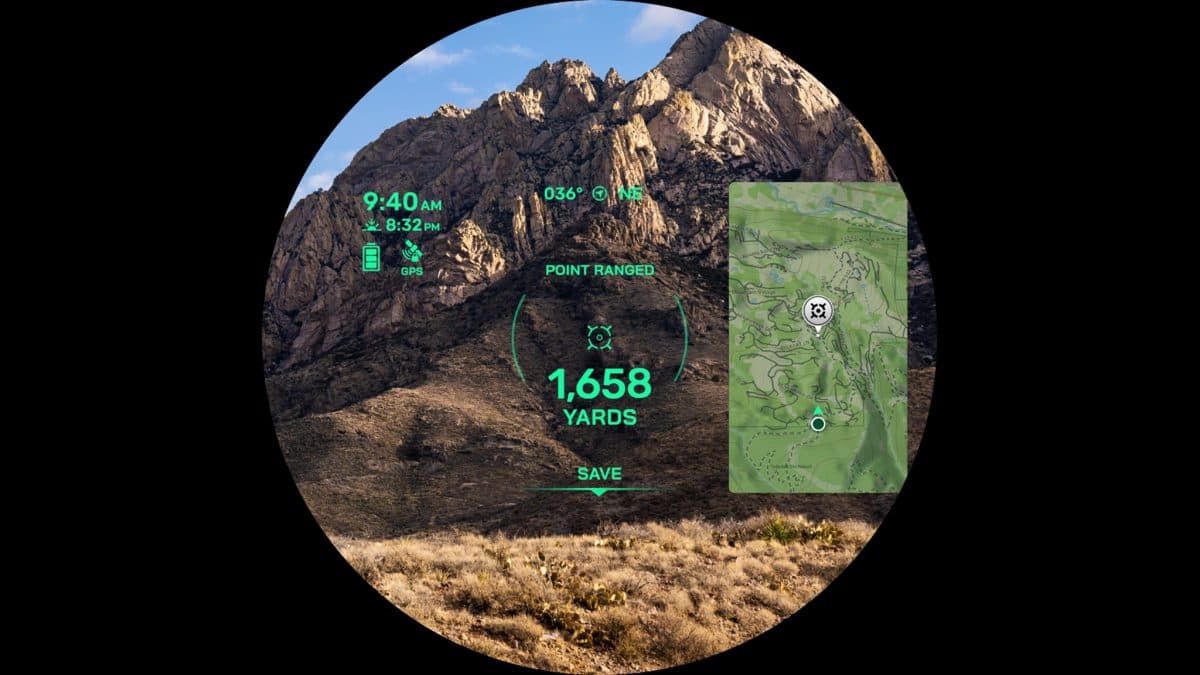
I was shocked at how easy this was the first time I tried it. You can imagine how much easier this is than trying to explain to your hunting partner which patch of sagebrush the half-obscured mule deer is lying behind half a mile away.
And when the powerful laser finally tapped out, the rangefinder’s onboard sensors and Garmin’s Iridium satellite network teamed up to go even further. By using my position, the rangefinder’s orientation, and detailed topographic maps of the entire planet, Garmin was able to figure out where my point of aim intersected the terrain up to several miles away.
When I used this function, a little icon with a square root symbol and some letters appeared on the screen, as if to say, “I know all you had to do was press a button, but what I just did was kind of a big deal.”
This feature was extra useful as a navigational tool. Sometimes I’ll spot a piece of terrain I want to hike to from miles away, only to feel like it's up and vanished once I get close. Between the Xero L60i’s extreme long-range capability and point-saving feature, that’s not a concern anymore.
How did Garmin pull off such an incredible feat of technology? I hit up my confidential source inside the company and got to the bottom of it.

3. Maven RF.1 - Best Value
Pros
- Ergonomic, intuitive controls
- Multiple reticle options
- Line-of-sight and angle-compensated ranging
- Field and forest modes
Cons
- A little wide for some rangefinder pouches
- No ballistic capability
The Bottom Line
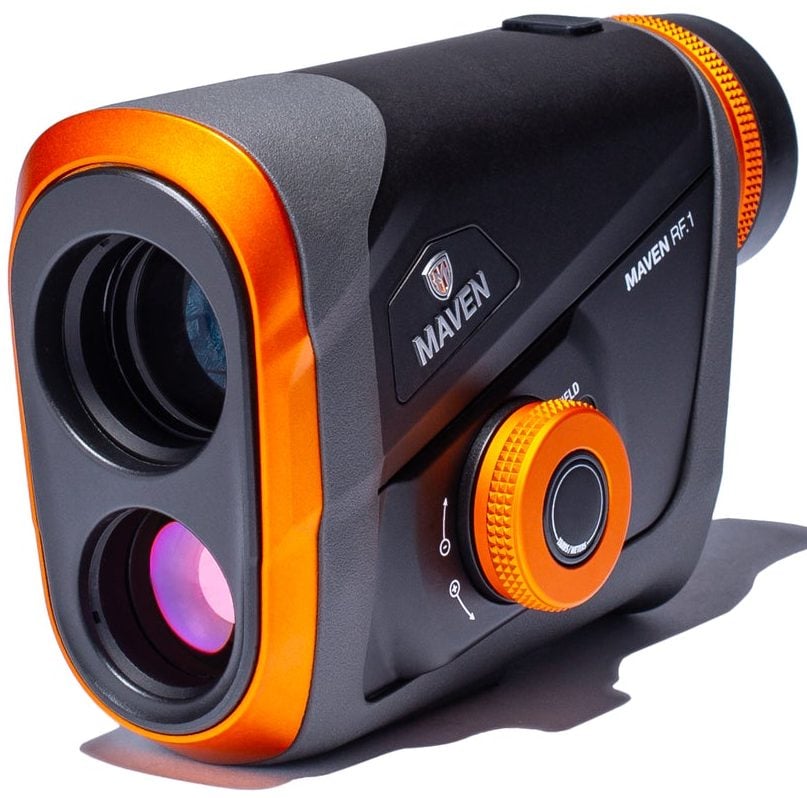
For fast, easy ranging in the field, I love the Maven RF.1. The field/forest toggle lets me switch ranging modes with the flick of a switch, saving precious seconds that would otherwise be spent digging into a menu. The optical system is great, too. It doesn't offer ballistic calculations or Bluetooth, but I can live with that -- especially for this price.
Specs
- Maximum Range: 4,500 yds (reflective), 3,000 yds (tree), 2,700 yds (deer)
- Minimum Range: 5 yds
- Magnification: 7x
- Objective Lens: 25 mm
- Eye Relief: 17 mm
- Battery: CR2
- Country of Origin: Japan
Looking to get the most performance for your money? The Maven RF.1 is a versatile optic that blends old-school usability and modern technology just about perfectly.
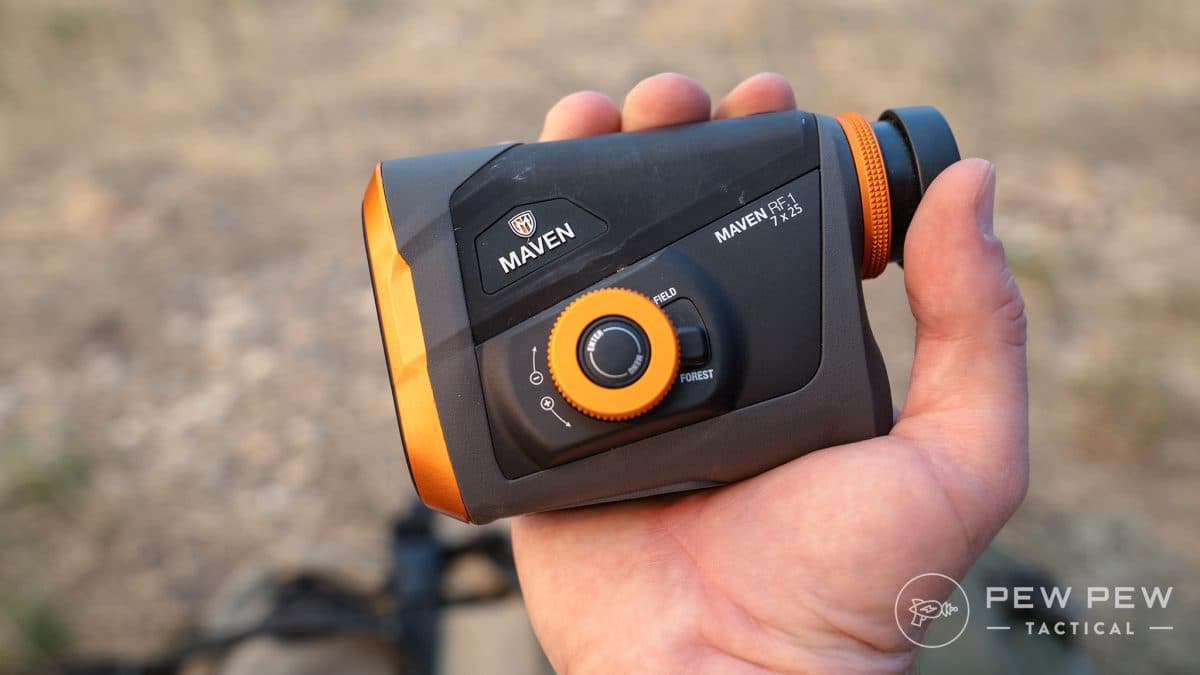
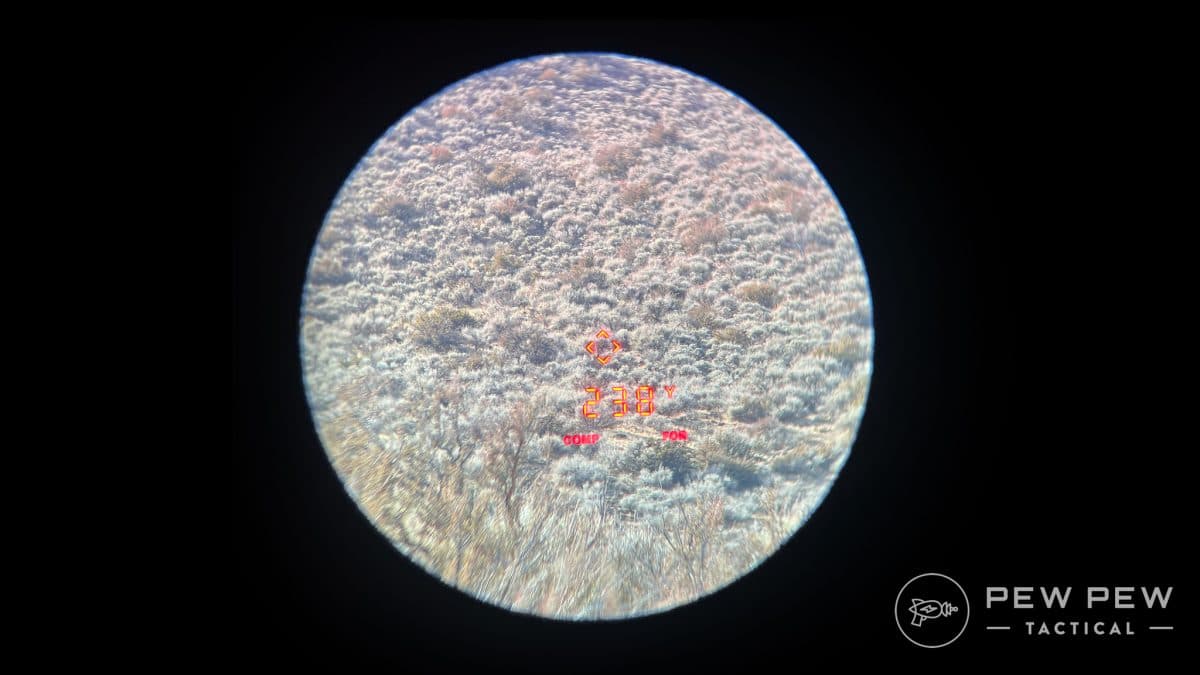
During testing, all the information I needed appeared in a clear display with five brightness settings and five reticle options.
The RF.1 displayed the distance to the target in yards or meters using line-of-sight or angle-compensated modes. I was able to select field mode to prioritize a prominent target in the open, or forest mode to cut through branches and range a target in the background.
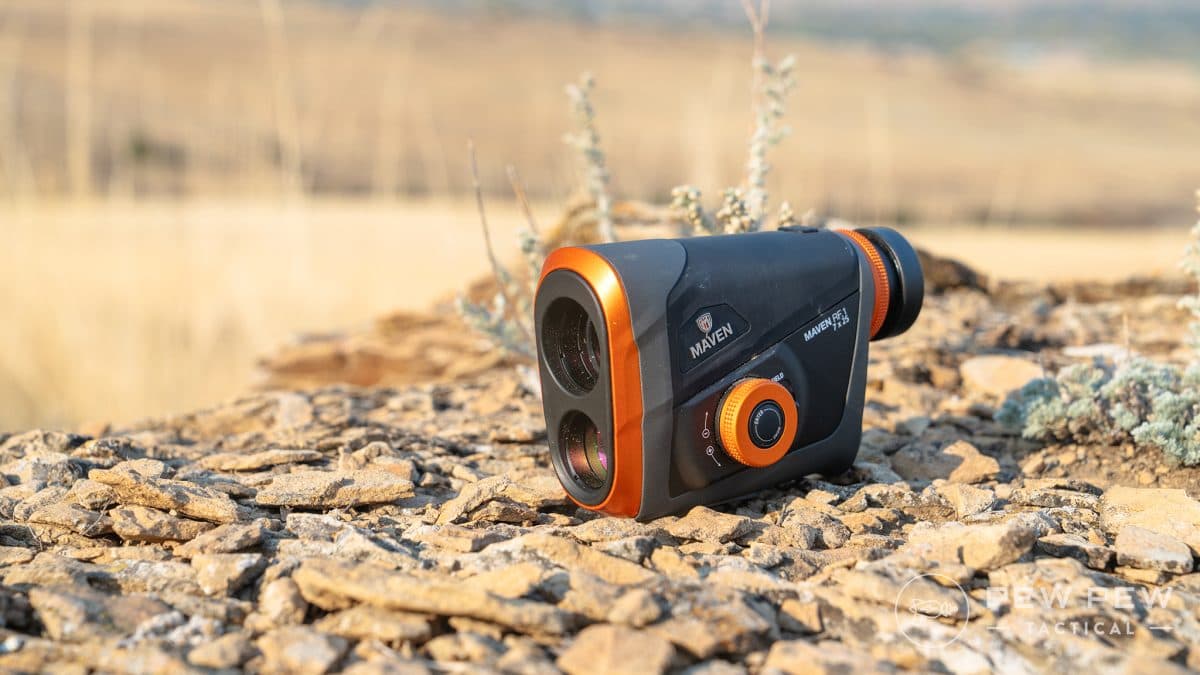
Those features aren't unique to this rangefinder. What stood out to me was a physical toggle on the side that let me switch back and forth while looking through the glass. I found this interface a lot more user-friendly than cycling through a menu in the display during fleeting glimpses of speed goats on the move.
The physical dial does have one drawback: it makes for a tight fit in standard rangefinder pouches. I'll take that deal, though.
If you want a great rangefinder with basically no learning curve, and you aren't interested in apps, Bluetooth, and ballistic calculations, the RF.1 is a home run.
4. Vortex Triumph HD 850 - Best Budget
Pros
- Real-world usability for most shots
- Lightweight and durable
- Leaves lot of money for ammo
Cons
- Entry-level optical system
- Relatively limited range
The Bottom Line
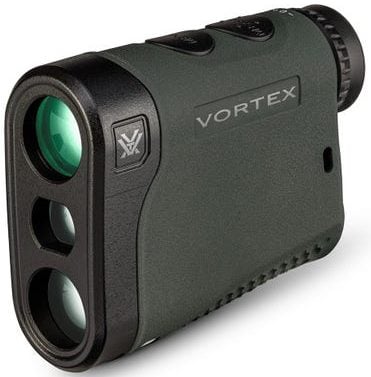
The Vortex Triumph HD 850 is a blue-collar workhorse. While it can't go toe to toe with the other rangefinders here, it does a great job for people who don't need to shoot more than a few hundred yards, and don't want to spend more than they have to. If you're just getting into the rangefinder game, this should be your first stop.
Specs
- Maximum Range: 850 yds (reflective), 500 yds (tree), 350 yds (deer)
- Minimum Range: 6 yds
- Magnification: 5x
- Objective Lens: 21 mm
- Eye Relief: 13 mm
- Battery: CR2
- Country of Origin: Myanmar
Bigger isn’t always better when it comes to rangefinders. If you aren’t going to take long-range shots on the clock, why pay extra for all that optical horsepower? Sometimes, I find that the humble Vortex Triumph HD 850 is all I need.
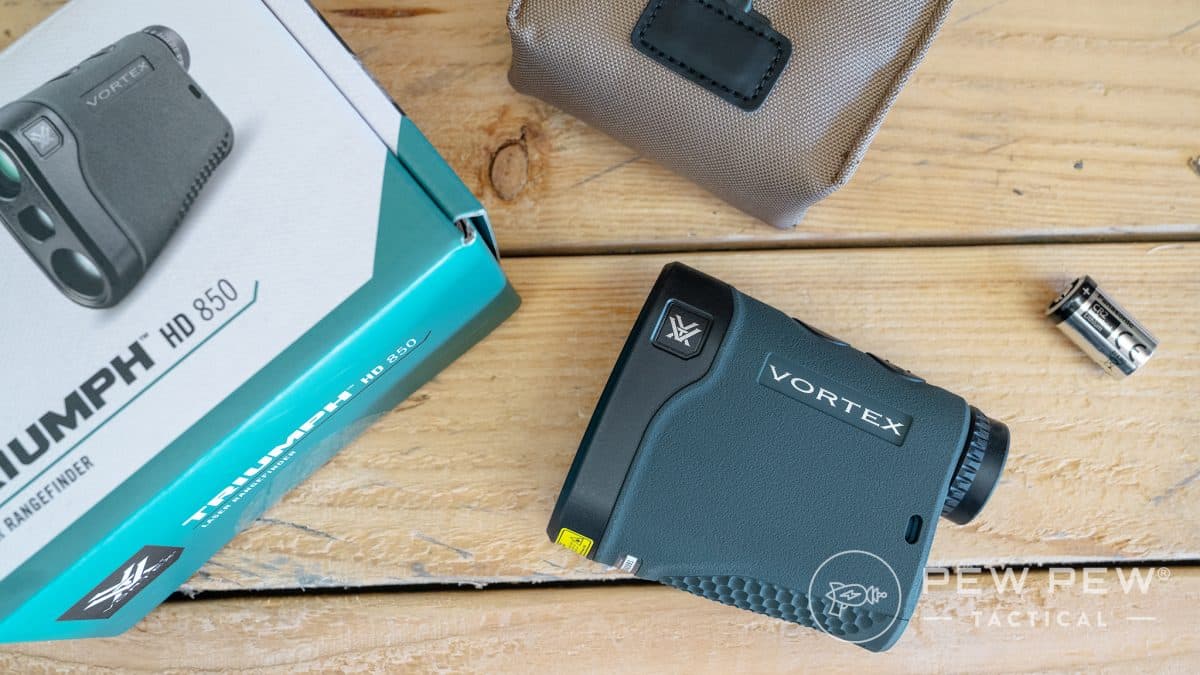
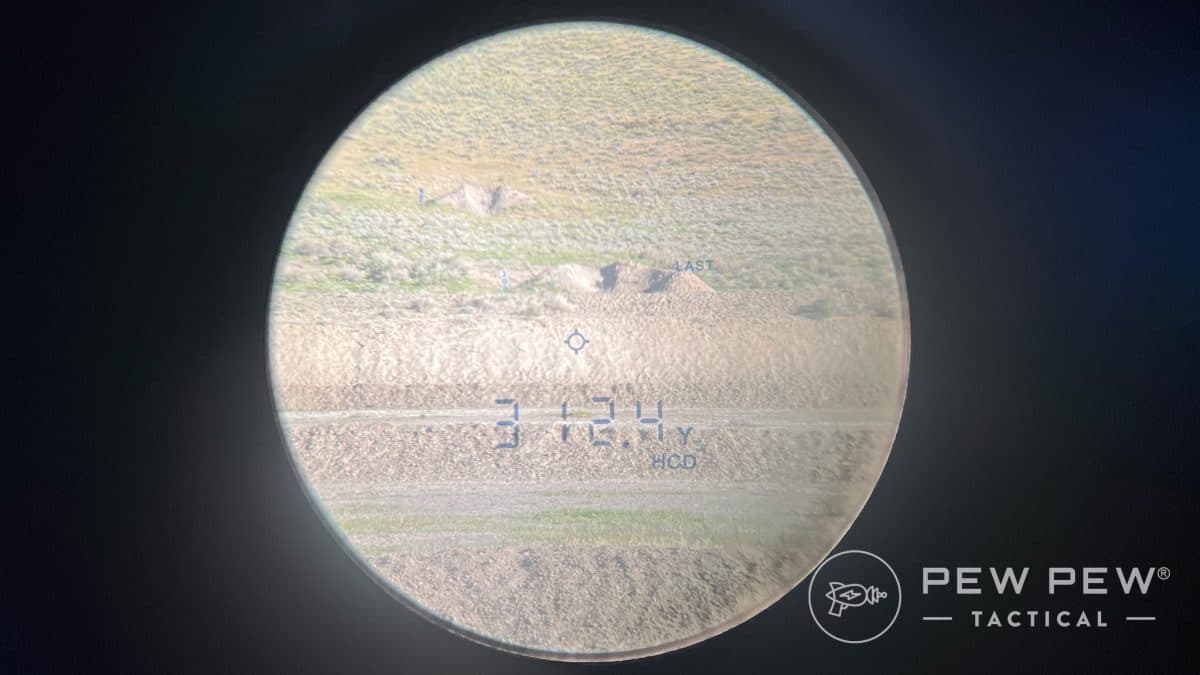
Like the other rangefinders here, the Triumph HD let me calculate distance in a straight line or with horizontal compensation factored in. Modes included normal (point and shoot), first (good for ranging targets in the open), and last (good for ranging targets in brush or trees).
The optical system is where the budget-friendly price came from. It was noticeably darker and less defined than the higher-end rangefinders I tested, and the field of view was a little bit like looking through a pinhole.
With no ballistic capability or Bluetooth connectivity, I needed to reference a ballistic app or old-school DOPE card before dialing turrets. That said, the maximum range on deer is 350 yards, so hunters are likely going to be holding high shoulder and calling it good at that distance.
It’s a very basic rangefinder, for sure, but this is actually what I keep in the pickup. It’s good enough for setting up courses of fire for work, making sure I have a safe standoff distance from steel targets, and satisfying the occasional curiosity about how far away something is.
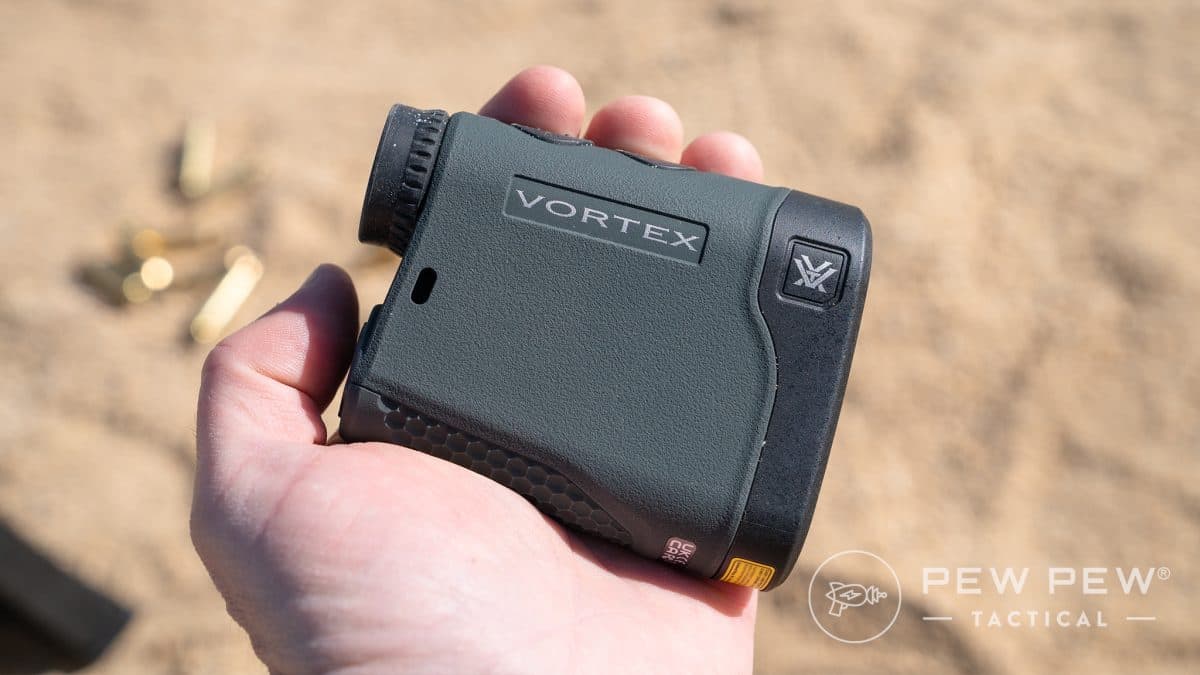
If I were hunting in dense woods, this would be more than adequate. The same goes for using straight-walled cartridges, a muzzleloader, or a shotgun.
5. Vortex Impact 4000 - Best for Precision Shooting
Pros
- Cutting-edge military tech
- Uses your scope's optical system
- Mounts to your chassis or scope
- Provides instant shooting solutions
Cons
- Not a standalone system
- Must be zeroed to one rifle
The Bottom Line
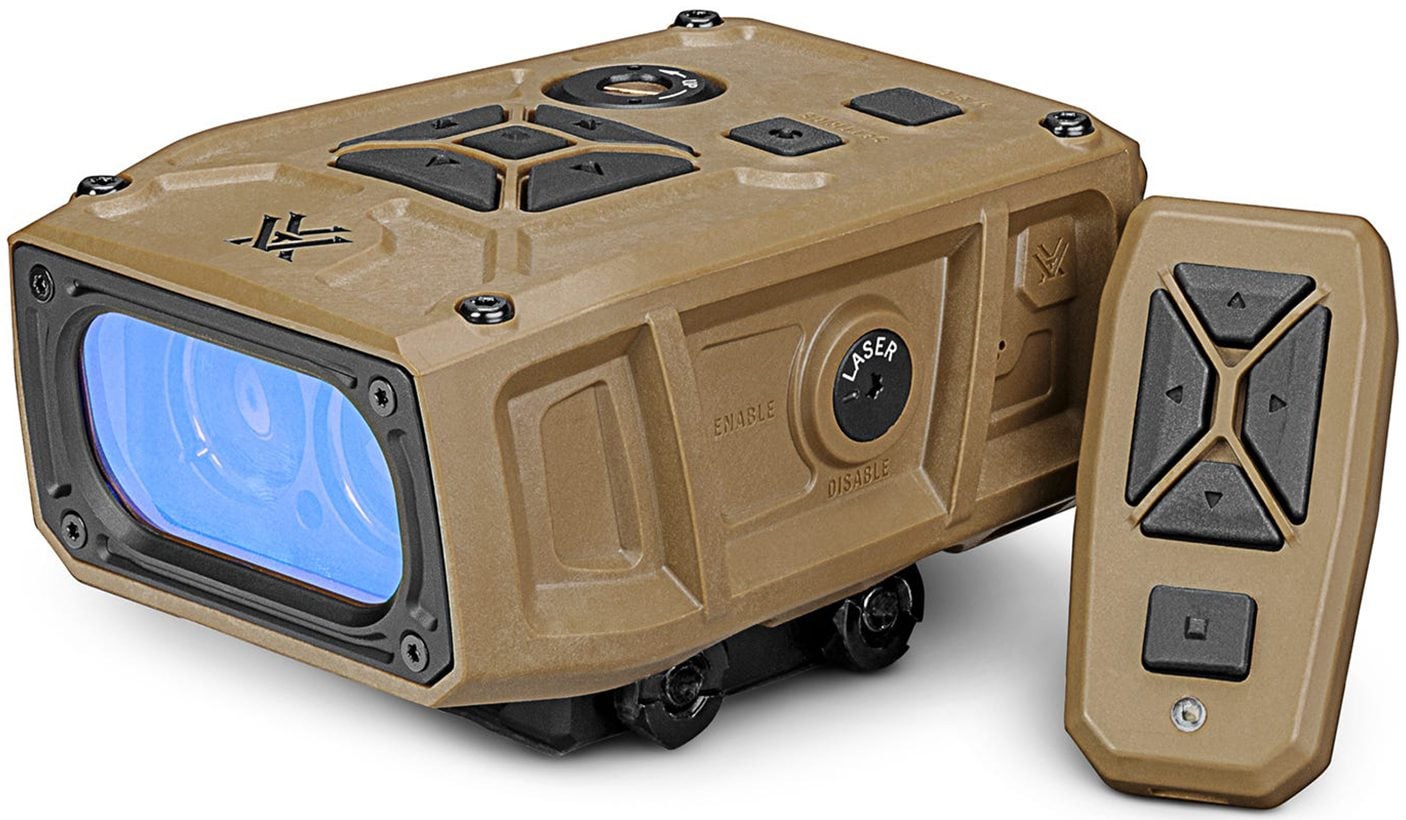
The Vortex Impact 4000 is a specialized rangefinder. Instead of working as a standalone unit, it mounts to your rifle's chassis or scope. That lets you use your scope as the optical system, and get a range and ballistic solution without ever coming off the glass. For competitive shooters, this piece of gear is a huge advantage.
Specs
- Maximum Range: 4,000 yds (reflective), 2,500 yds (tree), 1,500 yds (deer)
- Minimum Range: 5 yds
- Magnification: None
- Objective Lens: None
- Eye Relief: None
- Battery: CR123A (rangefinder), CR 2032 (remote)
- Country of Origin: Taiwan
Some of you are probably thinking, "This is all well and good, but I need to engage targets out to 1,000 yards and beyond as quickly as possible! Isn't there anything that will give me a competitive edge?"
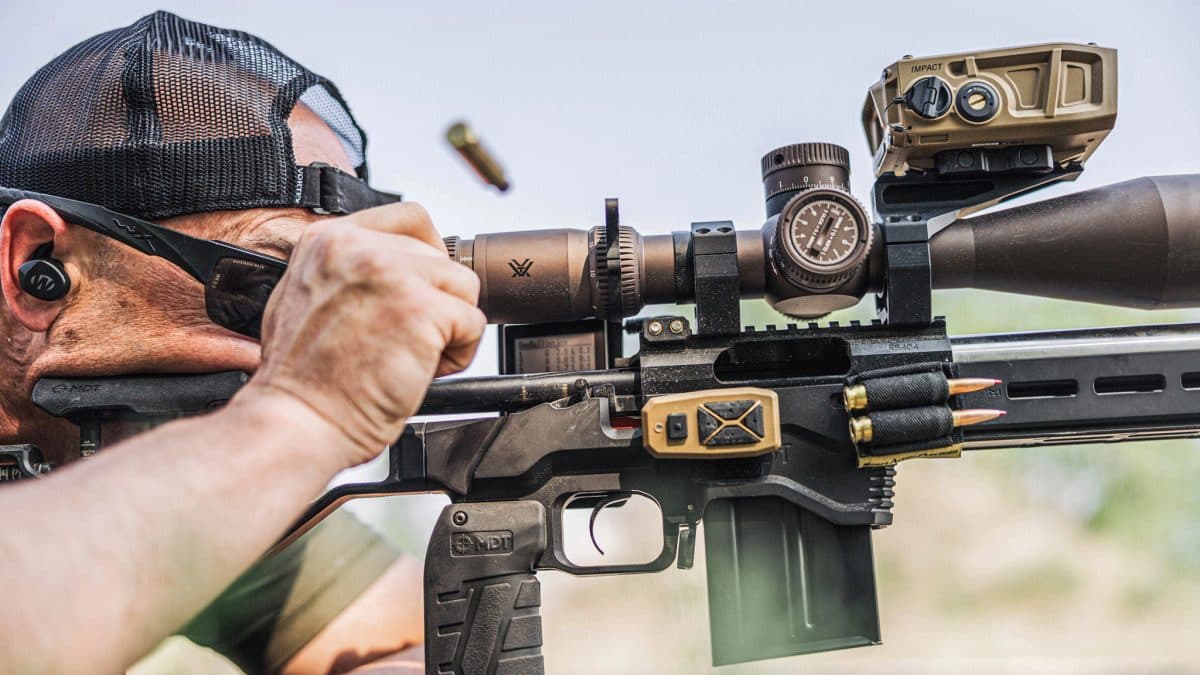
Yes, there is. It's the Vortex Impact 4000, a rifle-mounted rangefinder that looks suspiciously similar to the brain of the Army's Next-Generation Squad Weapon Fire Control.
The Impact 4000 mounts directly to your rifle. Once it's zeroed, just line up your scope's reticle with the target, fire the laser with a button on the rangefinder or the remote, dial your turret according to the ballistic solution on the screen, and send the round downrange with confidence.
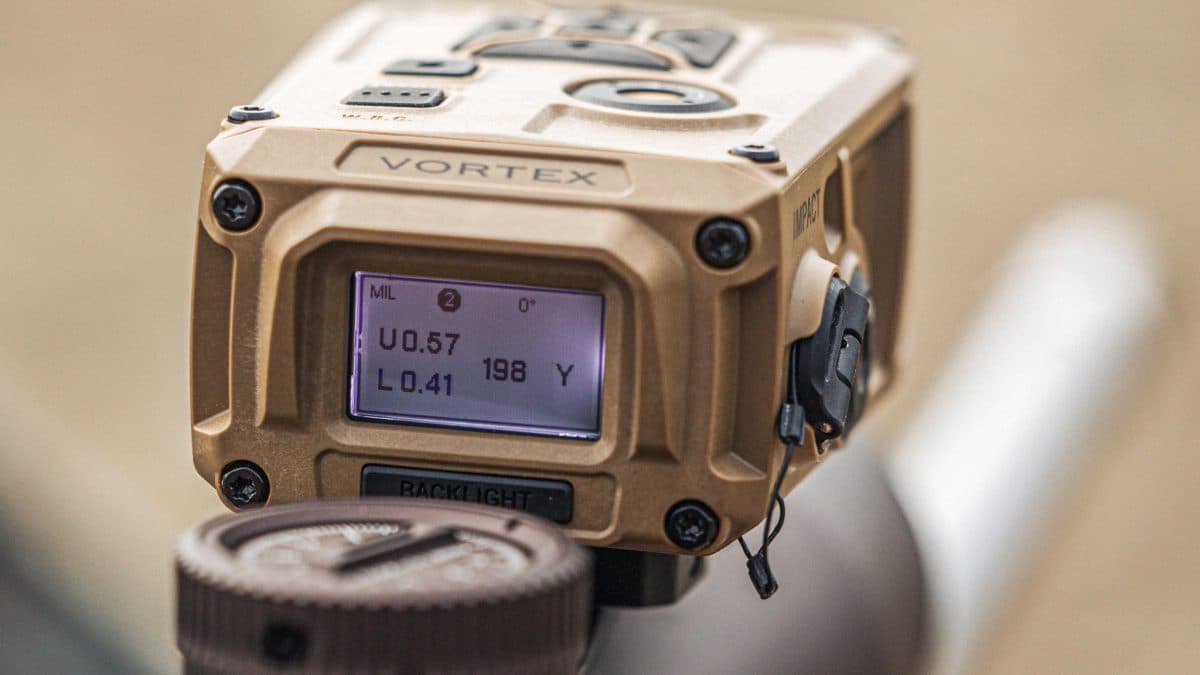
Have you ever tried to range a target hundreds of yards away freehand? It's not easy. I'd much rather use a steady platform like a precision rifle and a powerful scope than a handheld rangefinder with six- or seven-power magnification.
The Impact 4000 is also compatible with the GeoBallistics app.
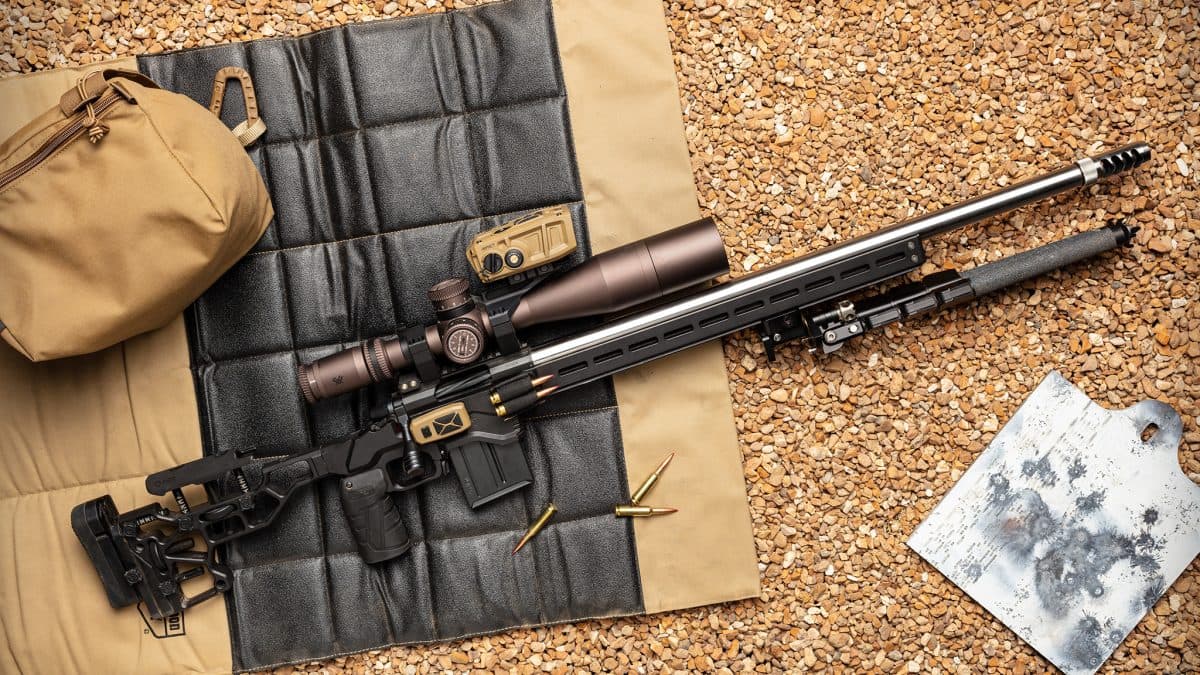
I've gotten to play with the Impact 4000 at Vortex's headquarters and outdoor training facility. It's an incredibly powerful piece of gear that saves seconds when tenths count.
I probably wouldn't recommend the Impact 4000 for hunters because there are times when you want to check the distance to something without raising your rifle. But for competitive events like a PRS match? Ooh baby, this is the ticket.
How to Pick the Best Rangefinders for Shooting
Still not sure which of these is the best rangefinder for you? Let’s clear up a few things.
Engagement Distances
Your first step in choosing the best rangefinder is figuring out how far you need to shoot.
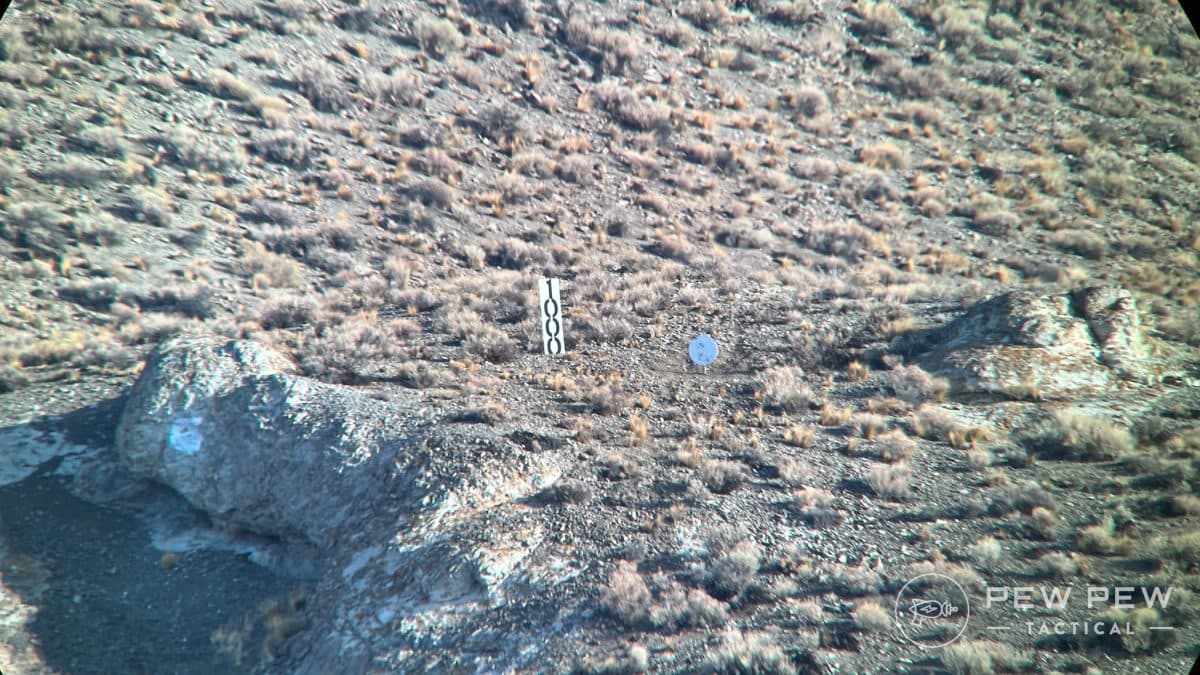
If you're hunting with something like a .30-30 or a shotgun, a cost-effective optic can do everything you need and save you a bundle of cash.
If you're hunting out west or doing a mix of hunting and precision shooting, look for a rangefinder with greater reach and optically superior glass. Think Maven RF.1 and Vortex Razor HD 4000 GB.
The new Garmin Xero L60i takes things to an entirely new level with navigation capabilities, interactive maps, and augmented reality overlays right there in the viewfinder.
Intended Use
Most of my picks are handheld units, because they’re the most versatile and commonly-used type of rangefinder. These are great for hunting, target shooting, and competition. I appreciate that they’re lightweight and don’t require me to muzzle whatever I’m looking at to get a reading.
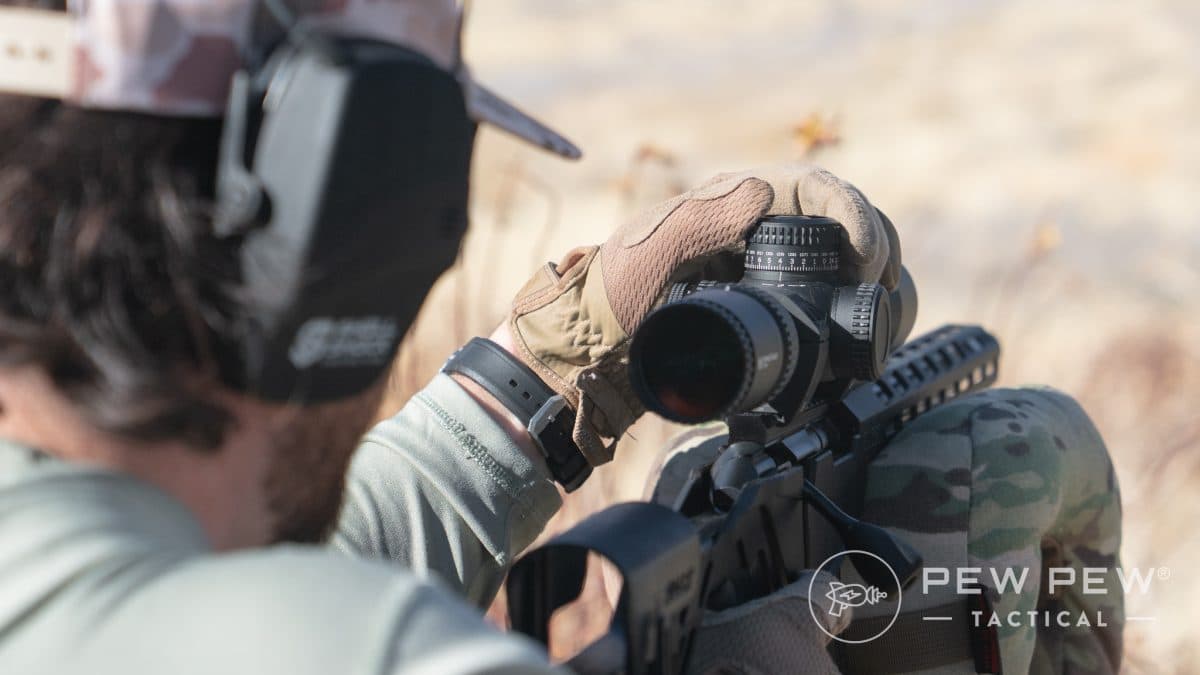
Competitive shooters can get a serious edge with a rifle-mounted rangefinder. Once it's set up, all you have to do is set your turrets to zero, put your reticle on the target, and press a button. You have the advantage of using your scope's magnification and clarity instead of the glass in a standalone rangefinder.
Rangefinding Binoculars
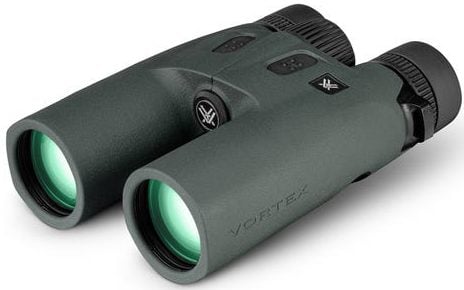
I should also give a mention to rangefinding binoculars. These get pretty expensive, but they do combine two pieces of gear into one, which can be convenient. I'm more likely to recommend these to hunters than competitive shooters.
Final Thoughts
A good rangefinder doesn’t just increase your accuracy; it’s also fun to use and can improve your ability to estimate distances by eye with a little practice.
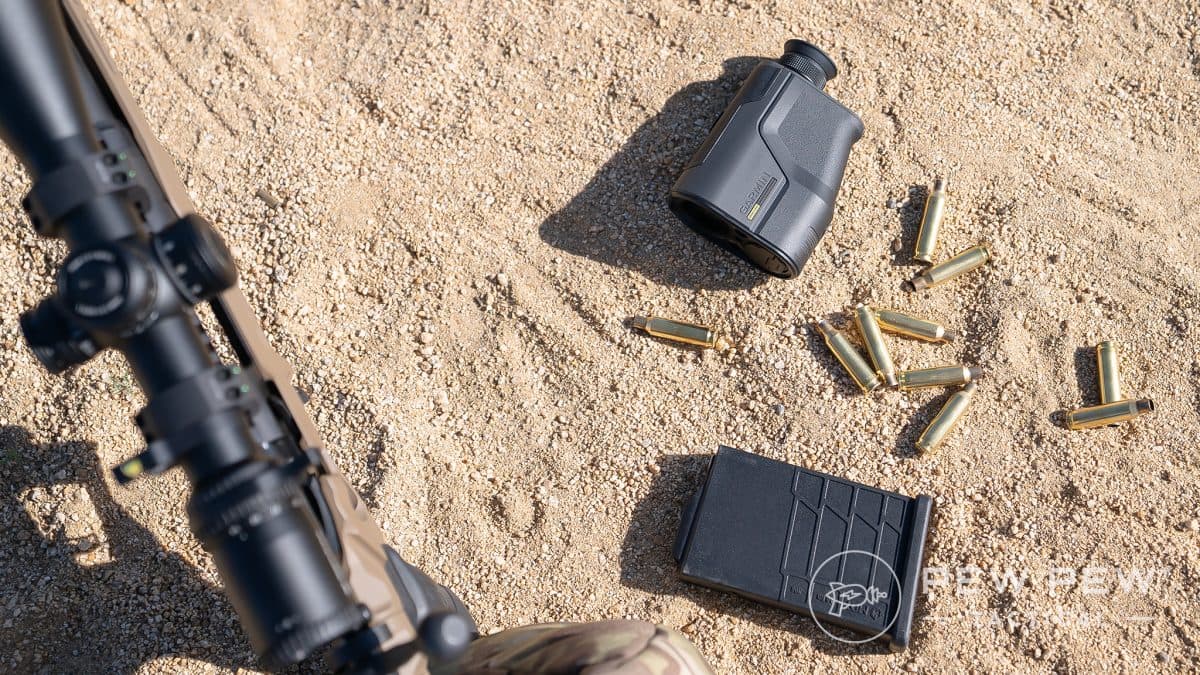
Bottom line? Rangefinders are essential shooting gear for all your hunting and long-range shooting goals. Get ready to enjoy the next level of precision!
Whichever one you choose, remember that your firing solutions will only be as good as the data you input. Check your rifle with a chronograph to get accurate information.
What’s your go-to rangefinder? Let us know in the comments. Need some more long-range gear? Check out our guide to the Best Spotting Scopes!
Latest Updates
May 2026: Removed the Maven CRF.1. Added the Garmin Xero L60i and Vortex Triumph HD 850. Updated supporting content.