
Emergency Garage Essentials: How To Prep Your Garage

We tackle the best gear to prep your garage and car with in case of emergency or, you know, zombie apocalypse. See what we recommend stocking up on!

PPT Editor. Marine vet, hunter, and long-range shooter. Articles in 10+ major publications
We review products independently. When you buy through links on our site, we may earn a commission to help support our testing. Learn more.
Our plush 21st-century lifestyle is pretty fragile. You’re only one downed power line from a power outage; one wave of panic buying away from shortages.
Staying mobile is key. That means you need to be capable of keeping your vehicle operational without help from anyone else.
There’s no time like the present, so here are a few ways you can prep your garage for emergencies.
This guide is for the average person with basic mechanical abilities. We’re not going to get too far into the weeds today; this is more about laying the foundation for automotive preparedness.
Table of Contents
What You Need Before You Start
Must-Have Tools
- Common auto maintenance items
- Basic hand tools
- Fuel and oil
Nice-to-Have Tools
- Power tools
- Generator
- Air compressor
How to Prep Your Garage for Emergencies
Step 1: Stockpile the Basics
What’s the biggest, most immediate threat to your car? Probably a flat tire. If your car doesn’t already have a full-size spare tire, it might be worth picking one up. A basic tire on a steel wheel can be pretty affordable.
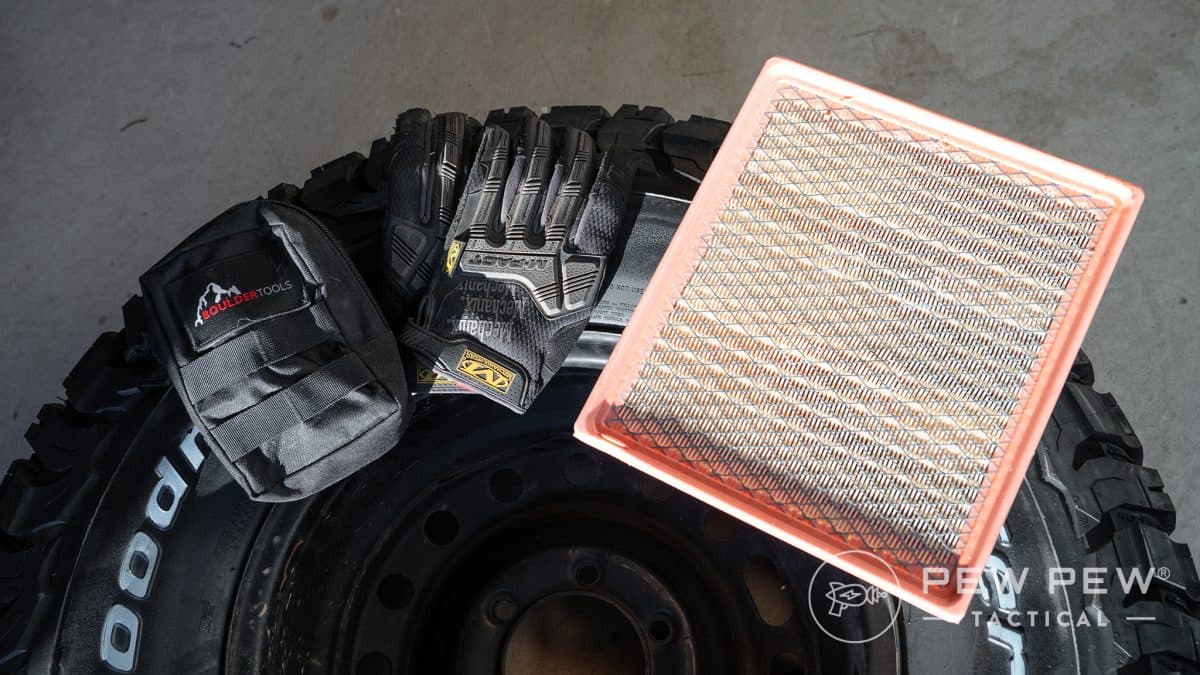
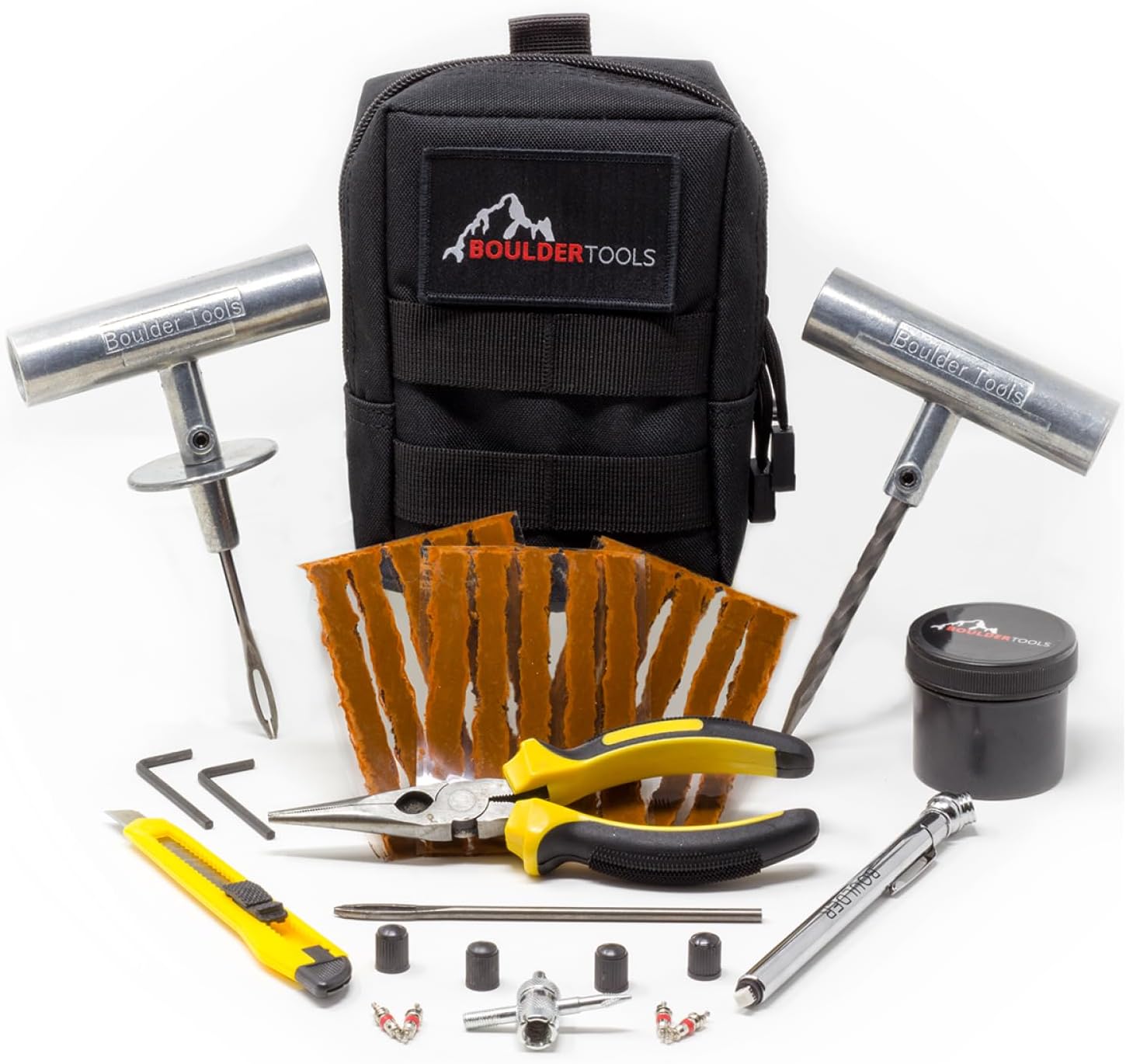
I also recommend keeping a tire repair kit handy. Plugging a flat isn’t the most enjoyable job, but it can make a punctured tire roadworthy again, and a whole kit is about the size of an IFAK.
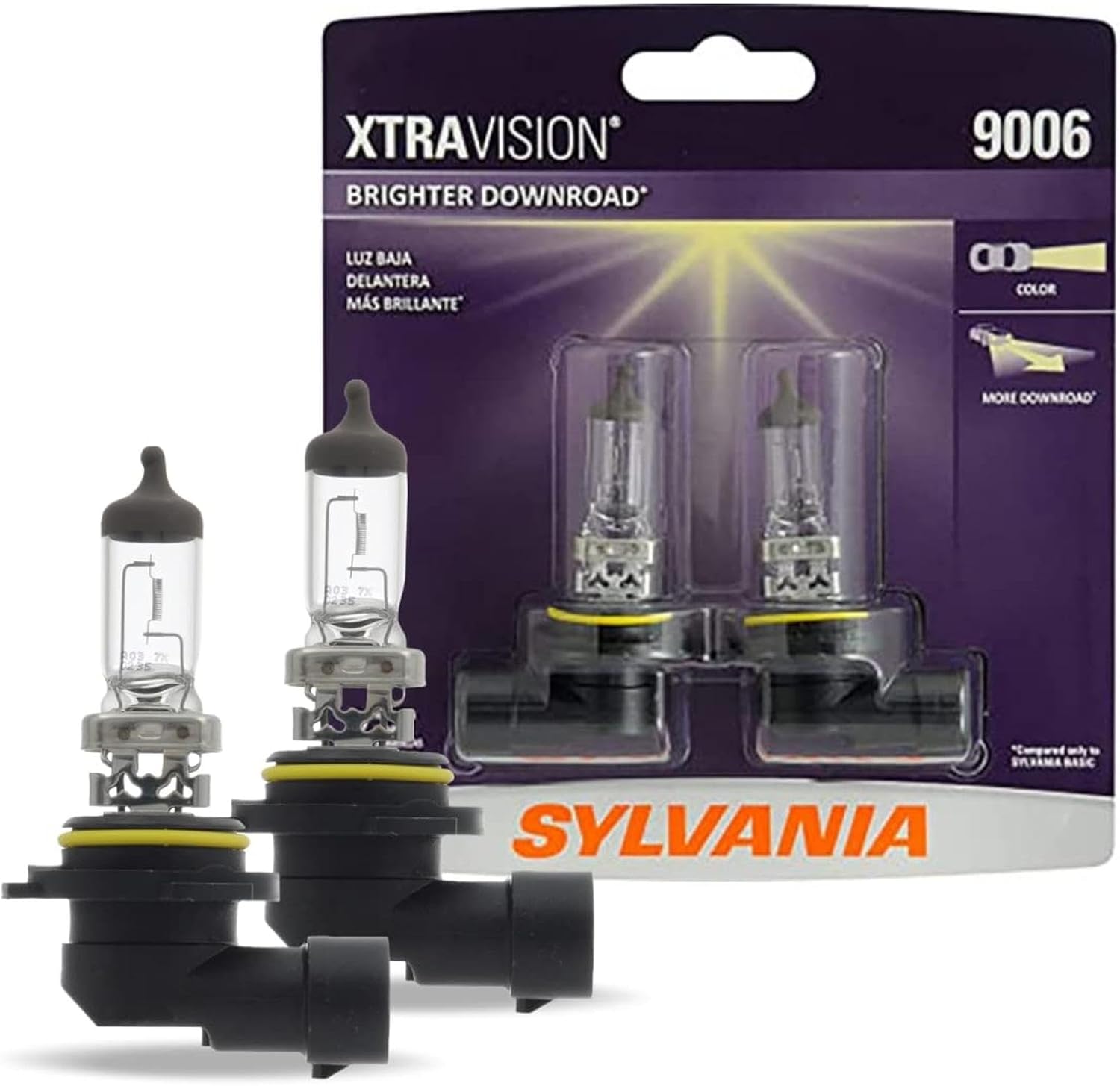
Next up are lightbulbs. These are a cheap way to avoid being stranded at night. Pick up one or two of each type your vehicle uses (headlights, taillights, and turn signals will take different kinds of lightbulbs).
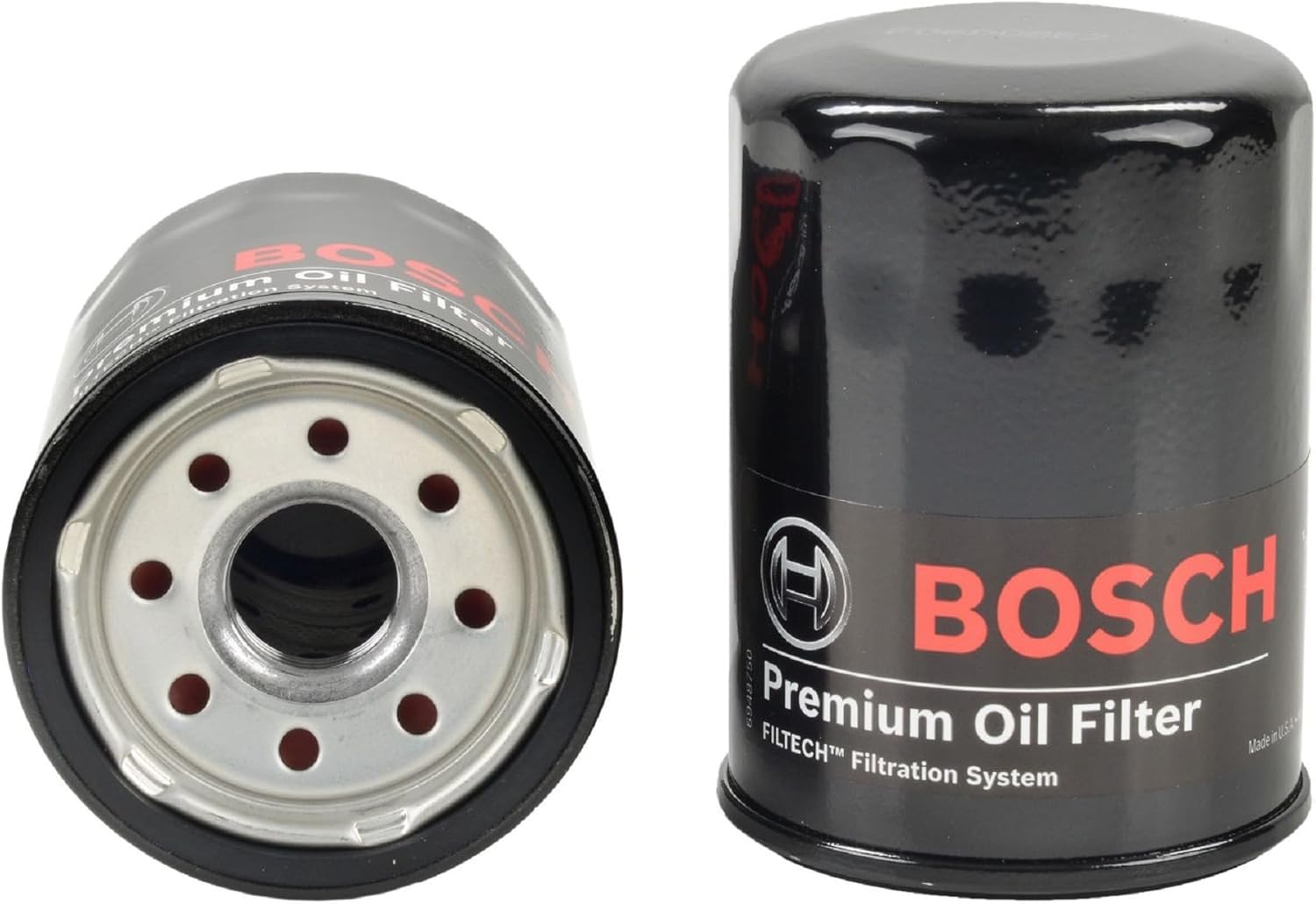
You should change your oil filter with every oil change. Again, this is incredibly cheap insurance. For the price of some fancy, folded paper, you can protect your engine from premature wear and even failure. One or two of these on the shelf can buy you thousands of miles.
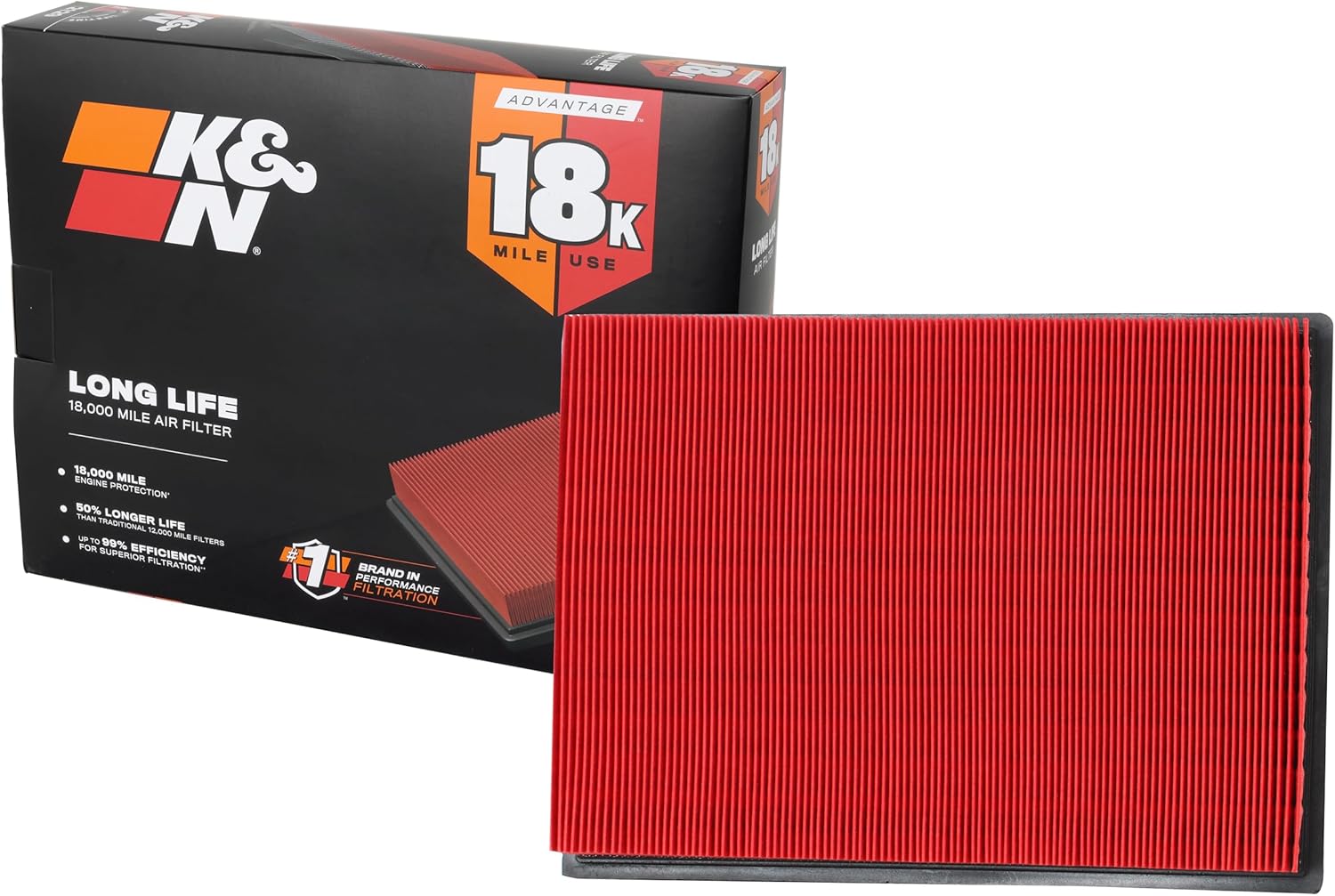
Don’t neglect your air filter, either. These get clogged quickly if you have to drive off-road or cover lots of interstate miles. They’re cheap and take a few seconds to replace.
Step 2: Equip Your Garage With the Right Tools
You can do a surprising amount of work on your car if you have the right tools. Here’s what I recommend to get the most for your money.
Hand Tools
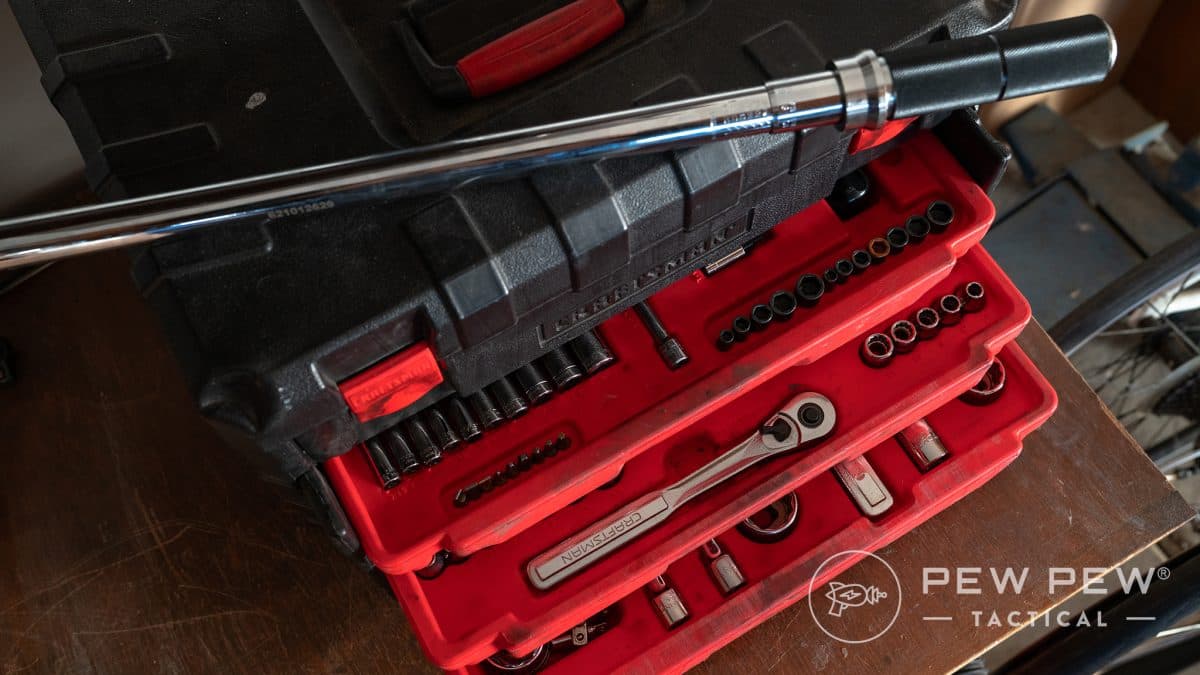
The first and most important piece of gear in any garage is a good mechanics tool set.
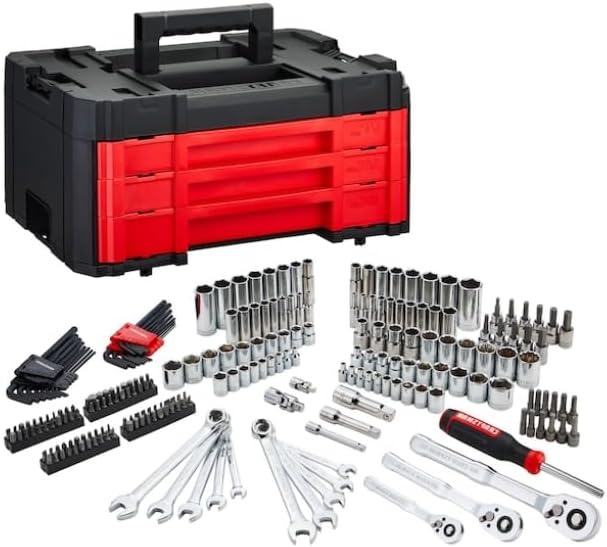
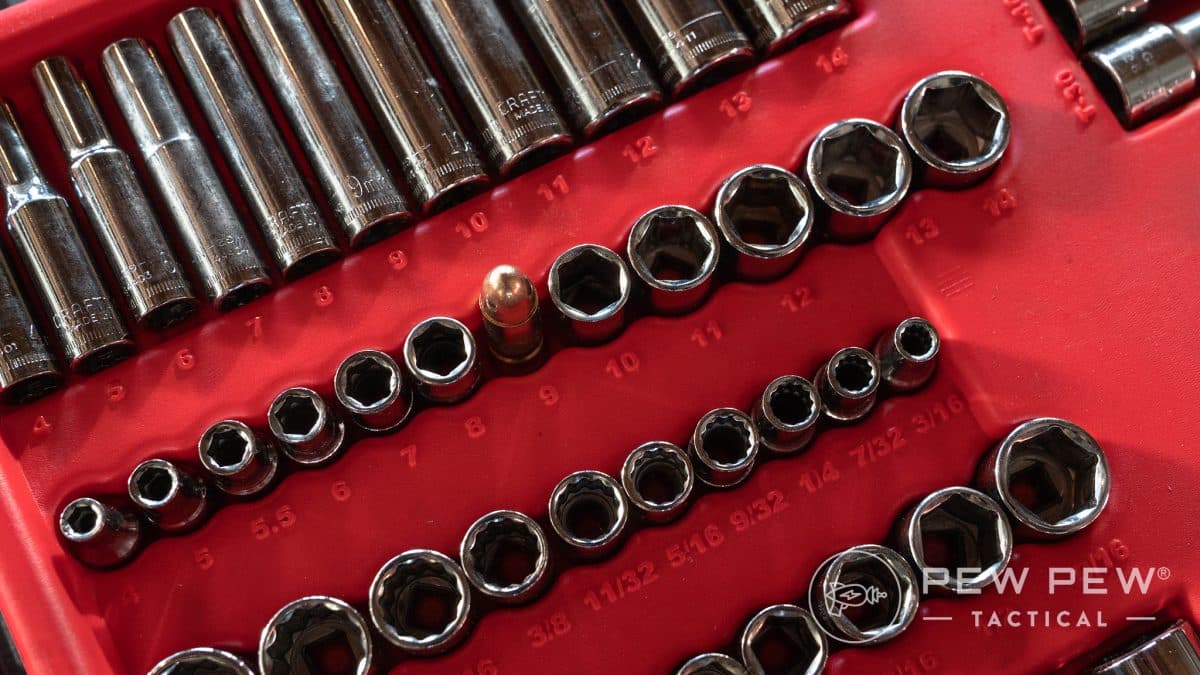
This one from Craftsman has a nice assortment of sockets and wrenches for standard and metric sizes. Everything has a dedicated place in the toolbox, so you can find what you need and make sure everything is put away before you close up shop after a project.
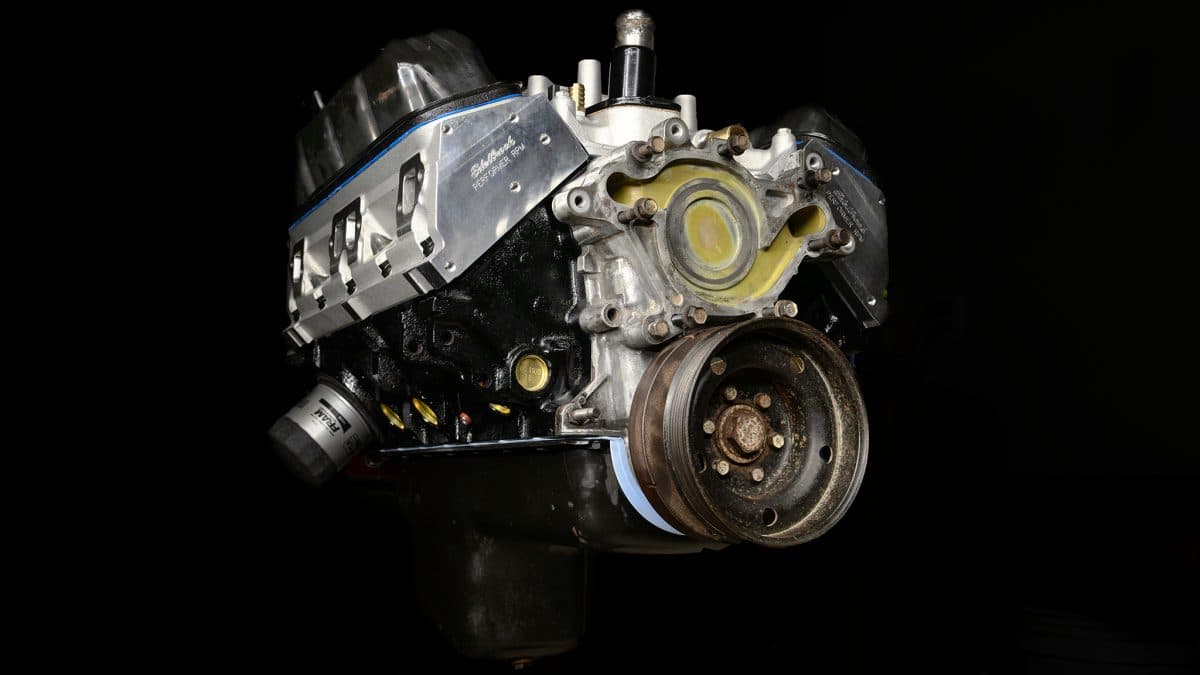
I’ve used mine for ages, and it’s been invaluable. I’ve changed oil, replaced brake pads, swapped clutch packs, and replaced fuel pumps with this set. I rebuilt an entire dirt bike with it. When I rebuilt my old truck’s engine, this tool set handled a huge amount of the work.
Sometimes you’ll need extra leverage (looking at you, over-torqued lug nuts). A cross-shaped lug wrench, breaker bar, or cheater pipe can help break stubborn nuts and bolts free.
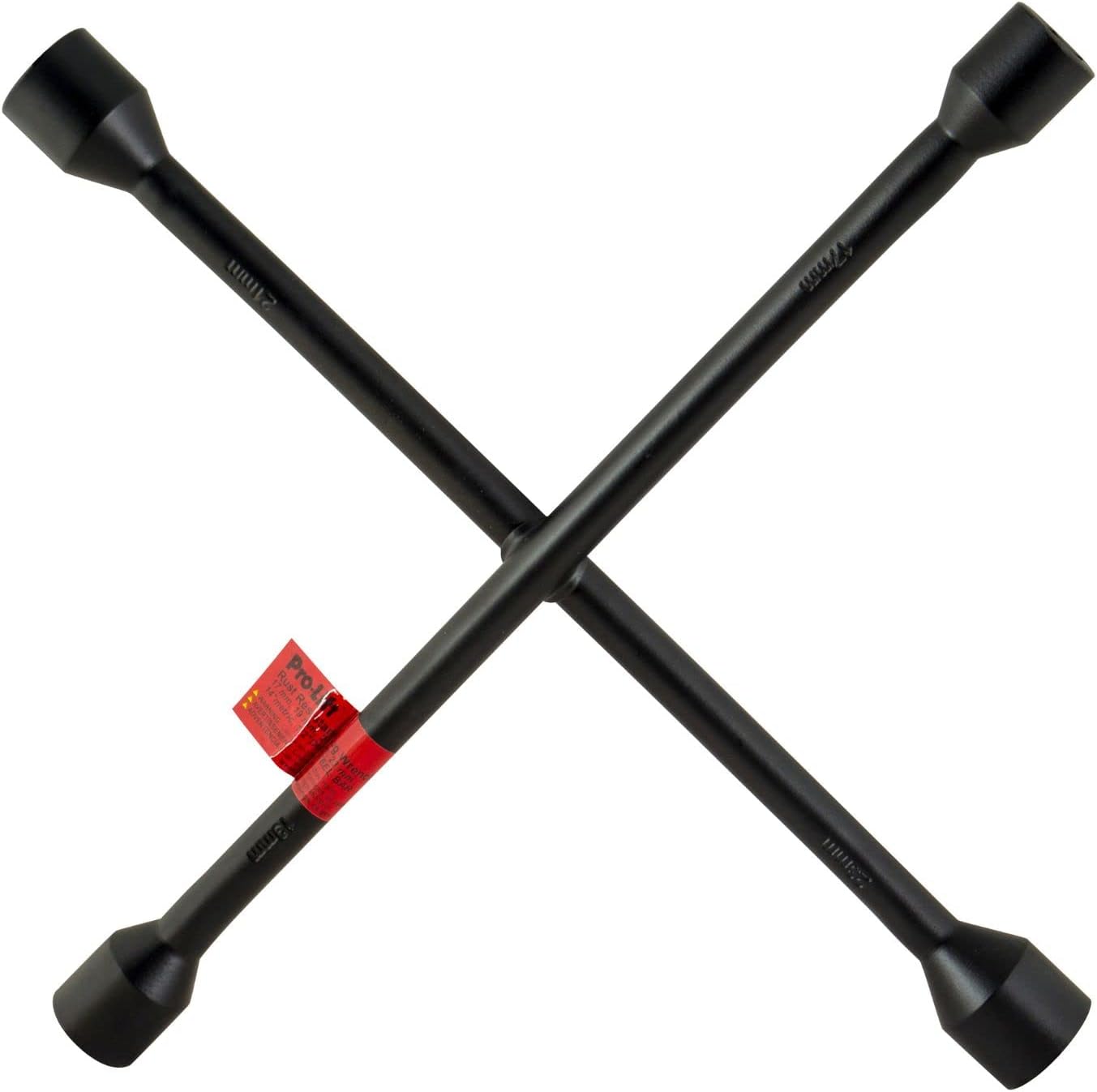
I will personally award you major bonus points if you also buy a torque wrench and follow the manufacturer’s specs for reinstallation.
Many jobs require your vehicle to come off the ground. For that, you’ll need a good jack and a set of jack stands.
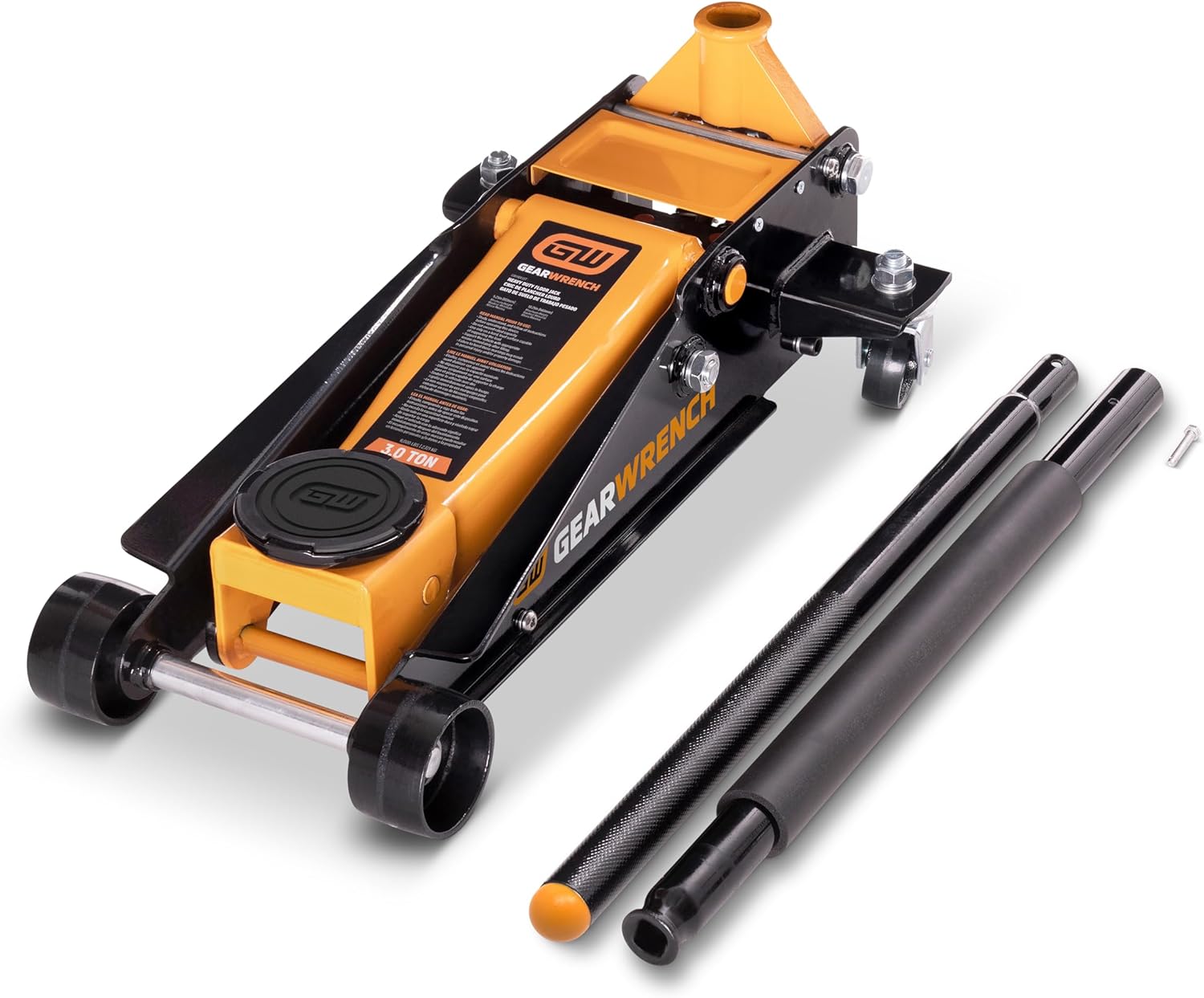
You can get by with the bottle jack or scissor jack that came with your car, but a floor jack will help you work faster and easier. Stay away from unknown brands on Amazon, but I’ve had good experiences with GearWrench in the past. I built a motor with a GearWrench torque wrench, and there’s not a lot of room for error in that department.
Which one you choose will depend on your budget and the height of your vehicle. Low-profile jacks are great for cars, while pickups and SUVs often require a higher jack.
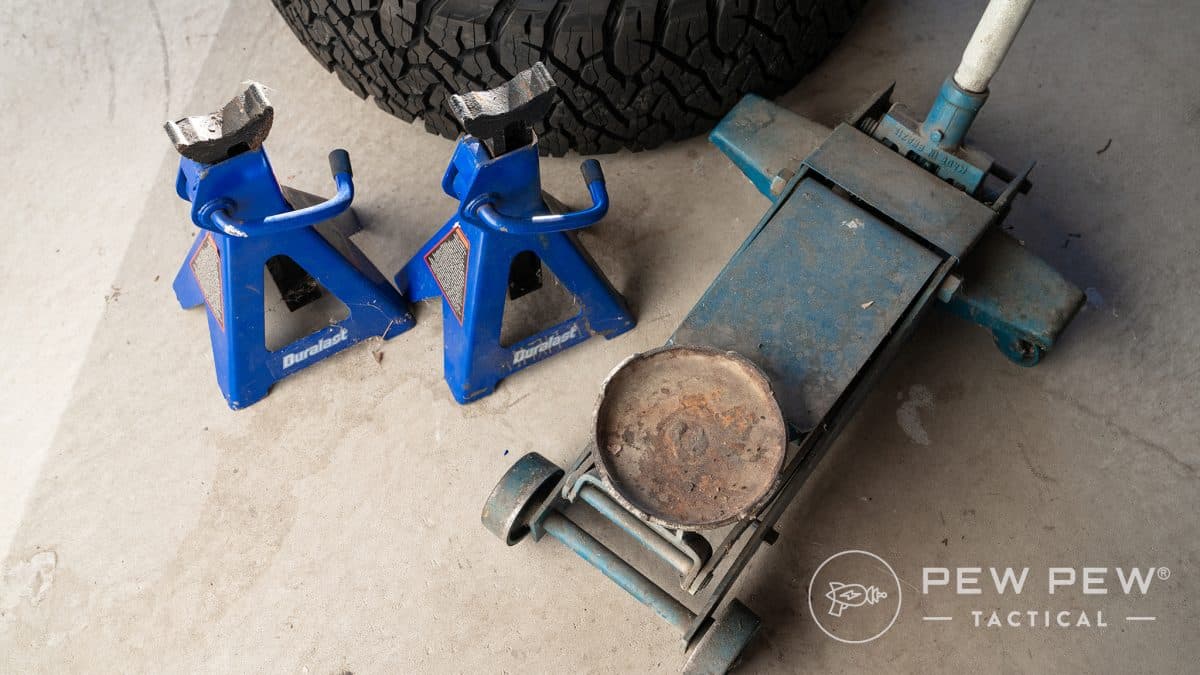
A lot of unibody vehicles require you to lift them by reinforced pinch welds under the body. To avoid damaging those, I recommend a simple adapter. You can also cut these from blocks of wood, if you’re so inclined.
Whichever jack you use, don’t trust it to hold your car up while you work on it. Use a set of jack stands with an appropriate load rating before crawling under several tons of steel.
Power Tools
Power tools are expensive, but there are jobs I wouldn’t want to tackle without them. Besides, many of them are useful around the house and yard, too.
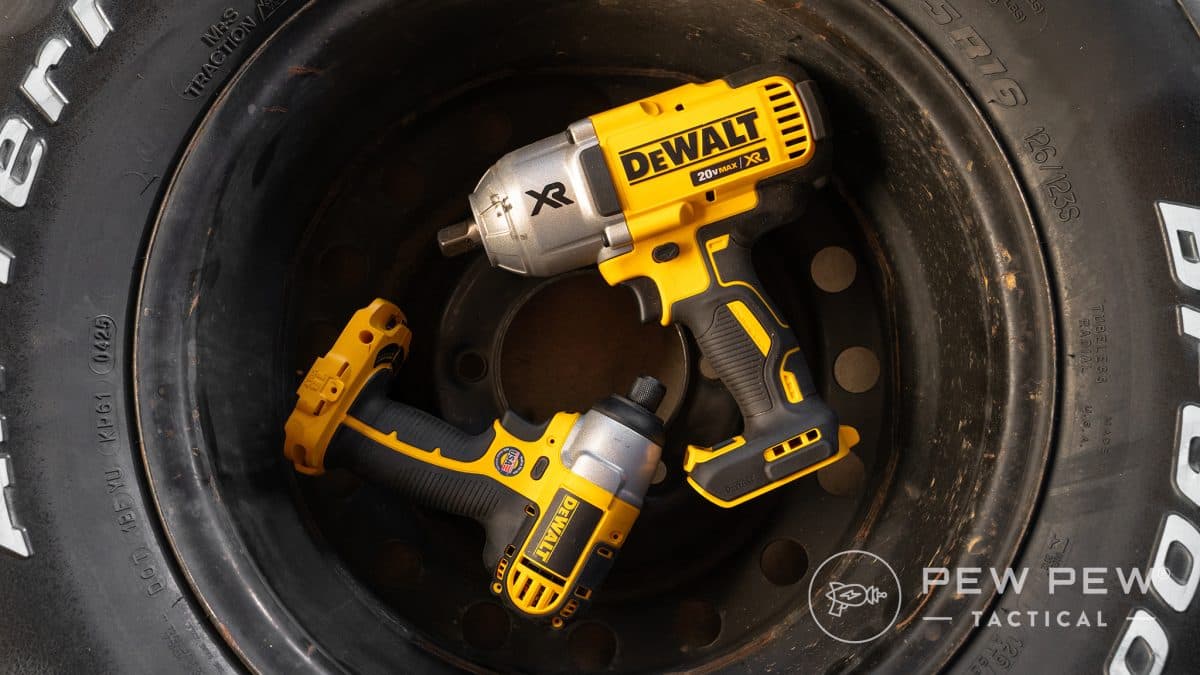
You probably already have a drill for household chores, but grab an impact driver for automotive work. These are much better at breaking free corroded nuts and bolts, and will save you lots of time.
I once spent days cutting an axle nut off a rusty old truck before breaking down and buying a comically powerful impact for the other side. The next nut spun off so easily, I kicked myself for not taking the leap earlier.
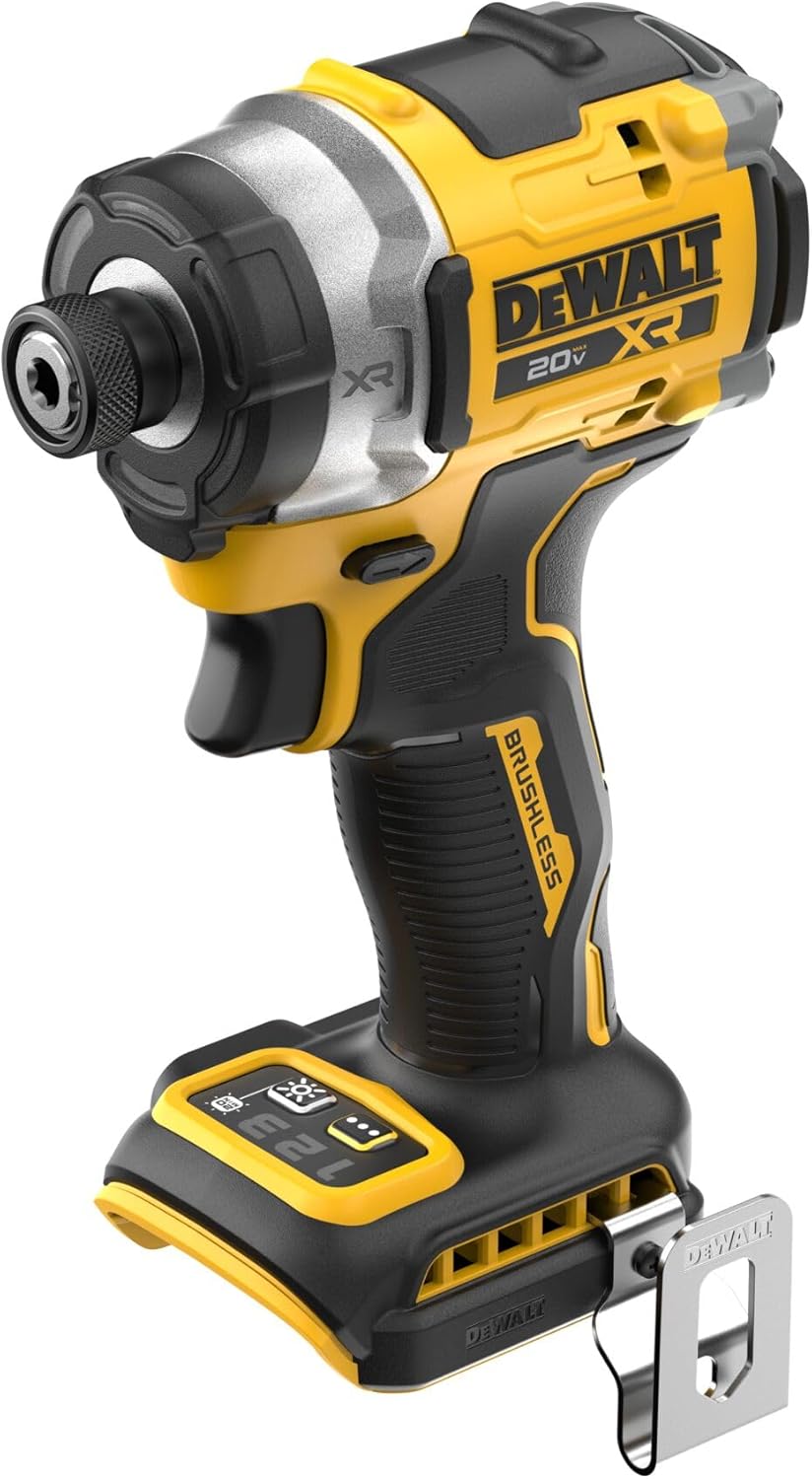
Again, stick to reputable manufacturers when it comes to impacts. If you already have a bunch of batteries for other tools, you might as well stick with that brand.
Dead batteries are never fun. They’re worse when you’re in an emergency situation. Keep a battery jumper in your vehicle so you’re always ready to bring it or someone else’s car back to life in a matter of minutes – without the need for a second vehicle.
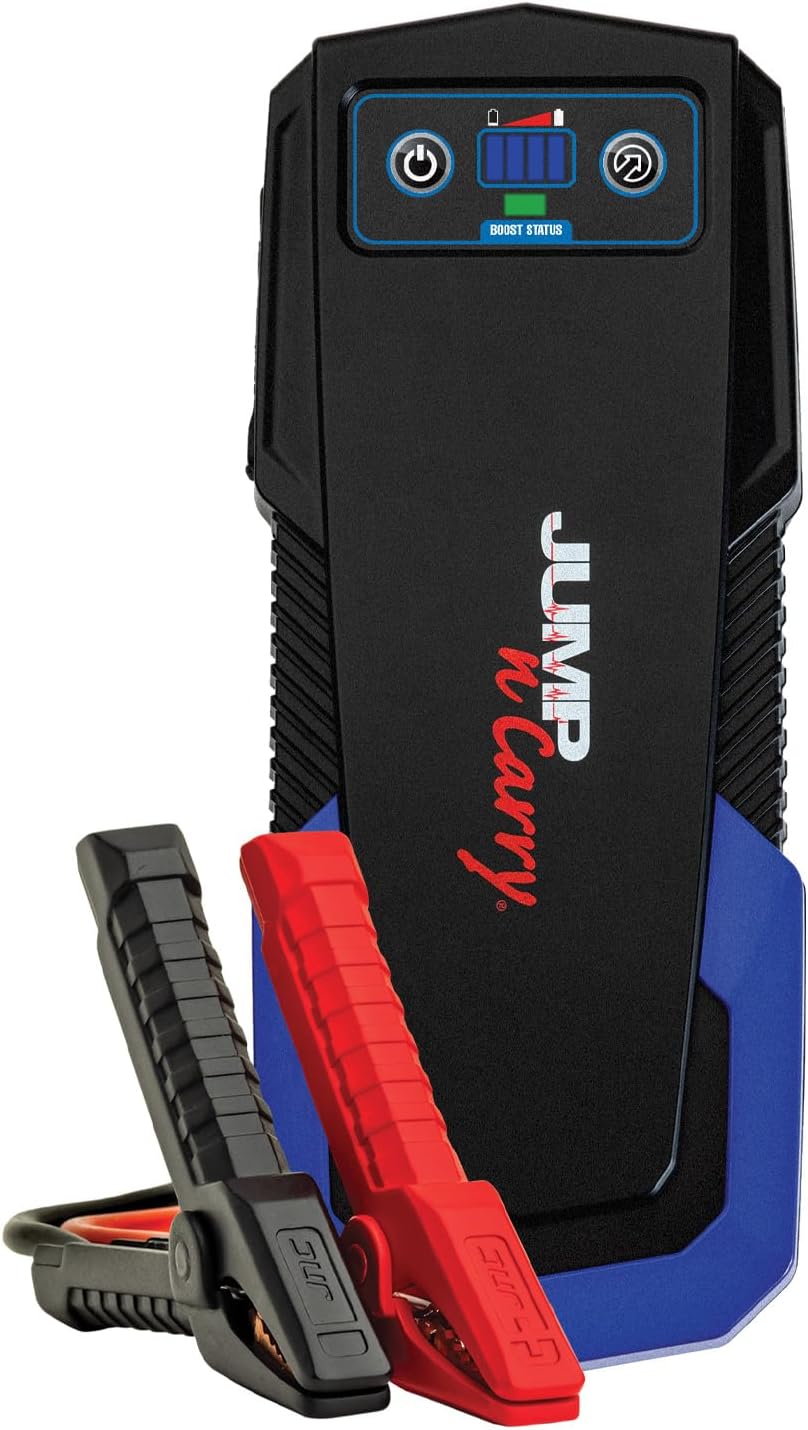
I own a Jump-N-Carry JNC305 because I’ve seen the brand bring totally dead batteries back to life in seconds in salvage situations. It’s affordable and has more than enough power for the vehicles in my garage. Jumper packs are rated for certain engine sizes, so check those to make sure you’re getting enough power.
Speaking of power, a power station can keep all these power tools and your personal devices charged when the grid fails.
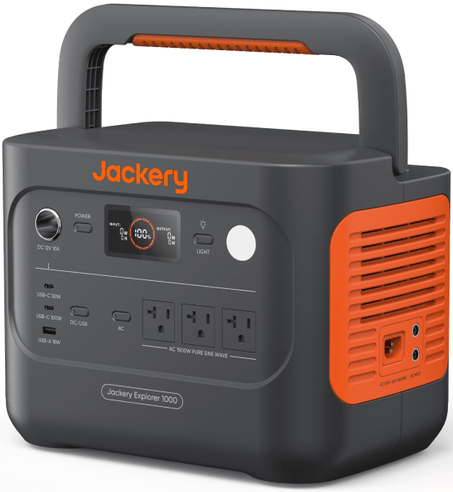
Add a solar panel, and you could have a nearly indefinite power source. Just make sure to get a power station with a lithium-iron-phosphate (LiFePO4) battery, which will survive vastly more charge cycles than a lithium-ion battery.
The Jackery Explorer is always popular with the overlanding and car-camping crowds. Make sure to get this one, the Explorer 1000 V2, because it has a much better battery than the old version.
The Solar Lab has a fantastic breakdown of why the updated version is better and what to look out for – shoutout to those guys for being super helpful and transparent.
I like power banks more than gas-powered generators because they don’t require fuel, they’re more portable, and you have more sizes to choose from. The downside is cost. They’re expensive, so this is usually one of the last things people add to their prepper garage.
The upside is that you can use these for camping, short power outages caused by storms, and adding a layer of protection between a freezer full of meat and the outlet on your wall.
Another high-dollar garage upgrade is an air compressor. The compressor itself can be pretty affordable, but you’ll have to invest in hoses, tools, and accessories if you don’t already have them.
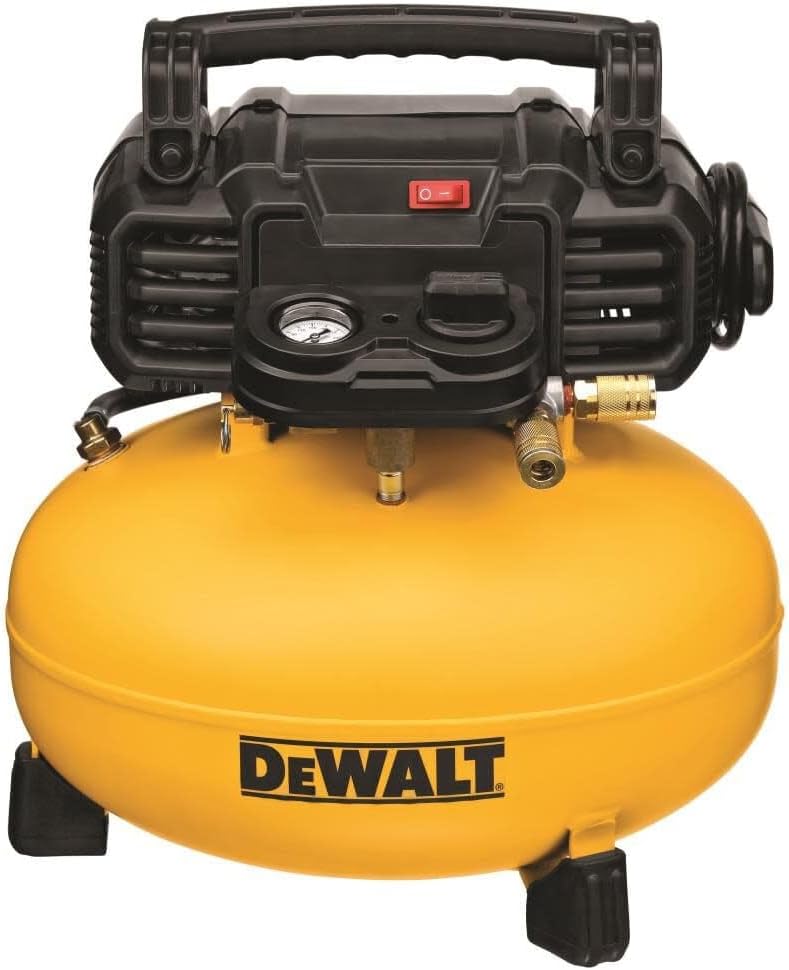
One time, I got stranded with two flat tires, so not even the spare could help me. I got enough air out of a bike pump to reach the nearest garage, but holy moly, that was a miserable 30 minutes of my life.
Air compressors are kind of a luxury in the world of tools, but I’d consider looking at one if you have the money. You can also convert to air tools instead of battery-powered tools, which some people prefer.
Step 3: Be Your Own Gas Station
The easiest way to set yourself up for success is to fill up at half a tank and stay ahead of oil changes and basic preventative maintenance. The next step is having enough supplies on hand to do the next one yourself if you need to.
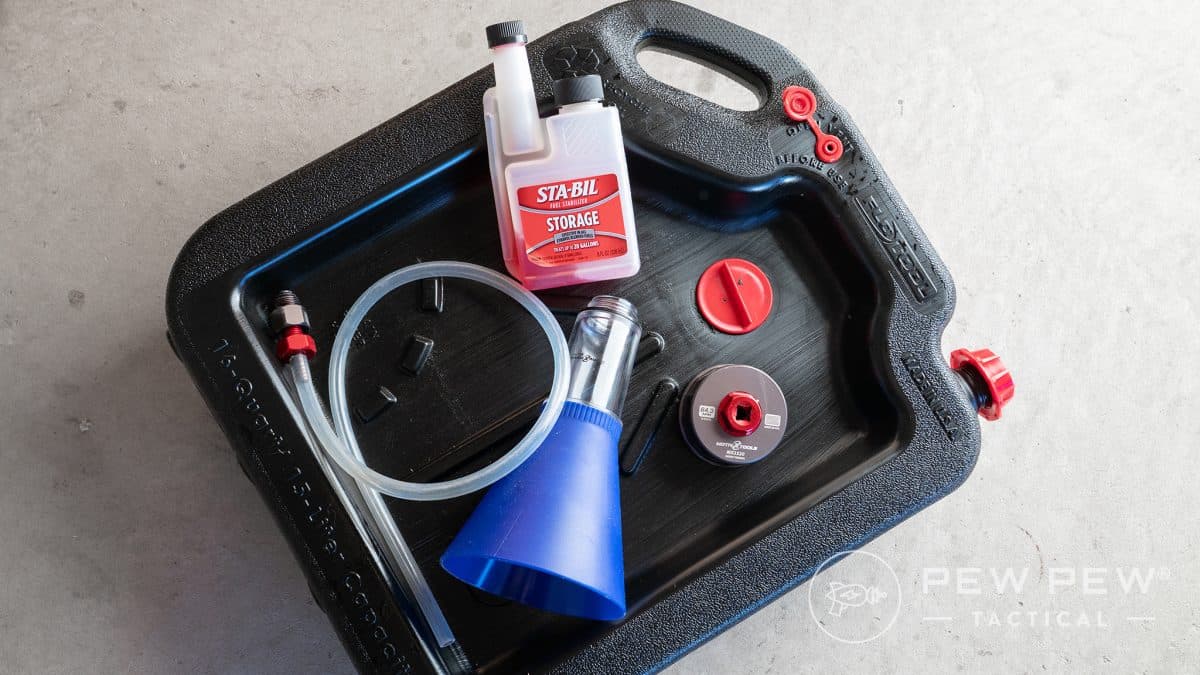
Fuel & Stabilizer
One of the easiest prepper things you can do is fill up at half tank instead of waiting for the low-fuel light to come on. Keeping a can of gas in your garage is one step better.
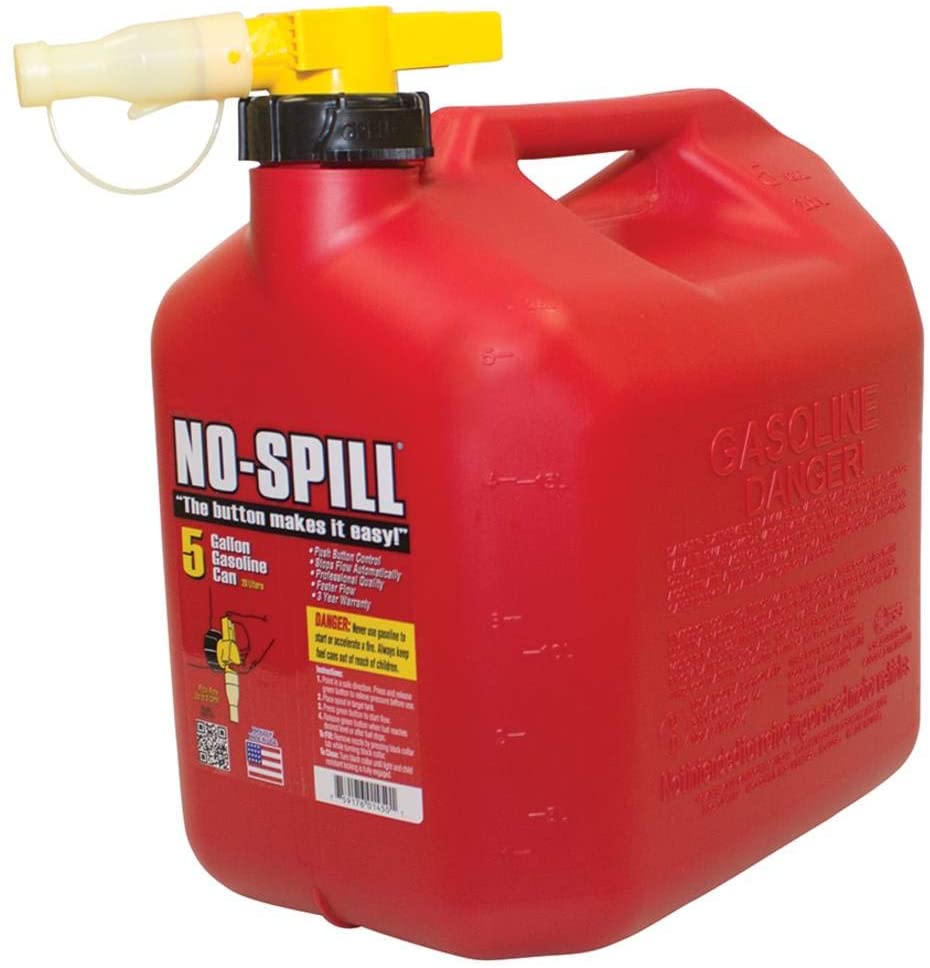
Even if your car isn’t very fuel efficient, a gallon or two of gas could make all the difference in an emergency.
Just remember that gasoline has a surprisingly short shelf life. If you keep a small stockpile in your garage, add the proper dose of fuel stabilizer to help it last longer. Whether you do that or not, it’s always a good idea to refresh your supply every so often. Once a month, pour your gas into your vehicle's tank and refill the can at the gas station.
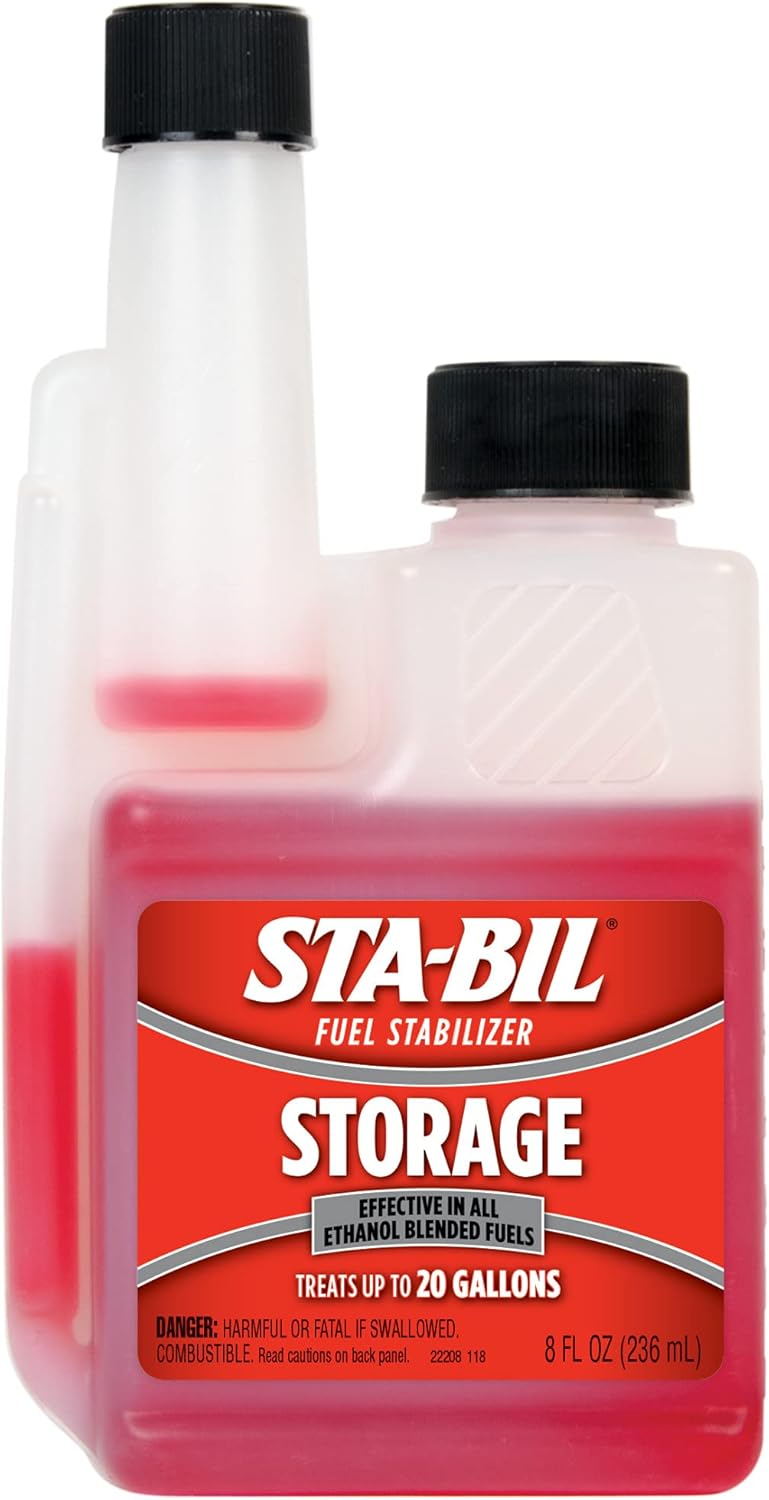
I’ve been using Sta-Bil fuel stabilizer to winterize my motorcycle for years. If it can keep old Italian injectors clean, I’m sure it’ll work for just about anything that burns gas.
Oil
Your car can go thousands of miles in between oil changes. I change my oil and filter every 5,000 miles, but some manufacturers recommend doing it every 10,000 miles or more.
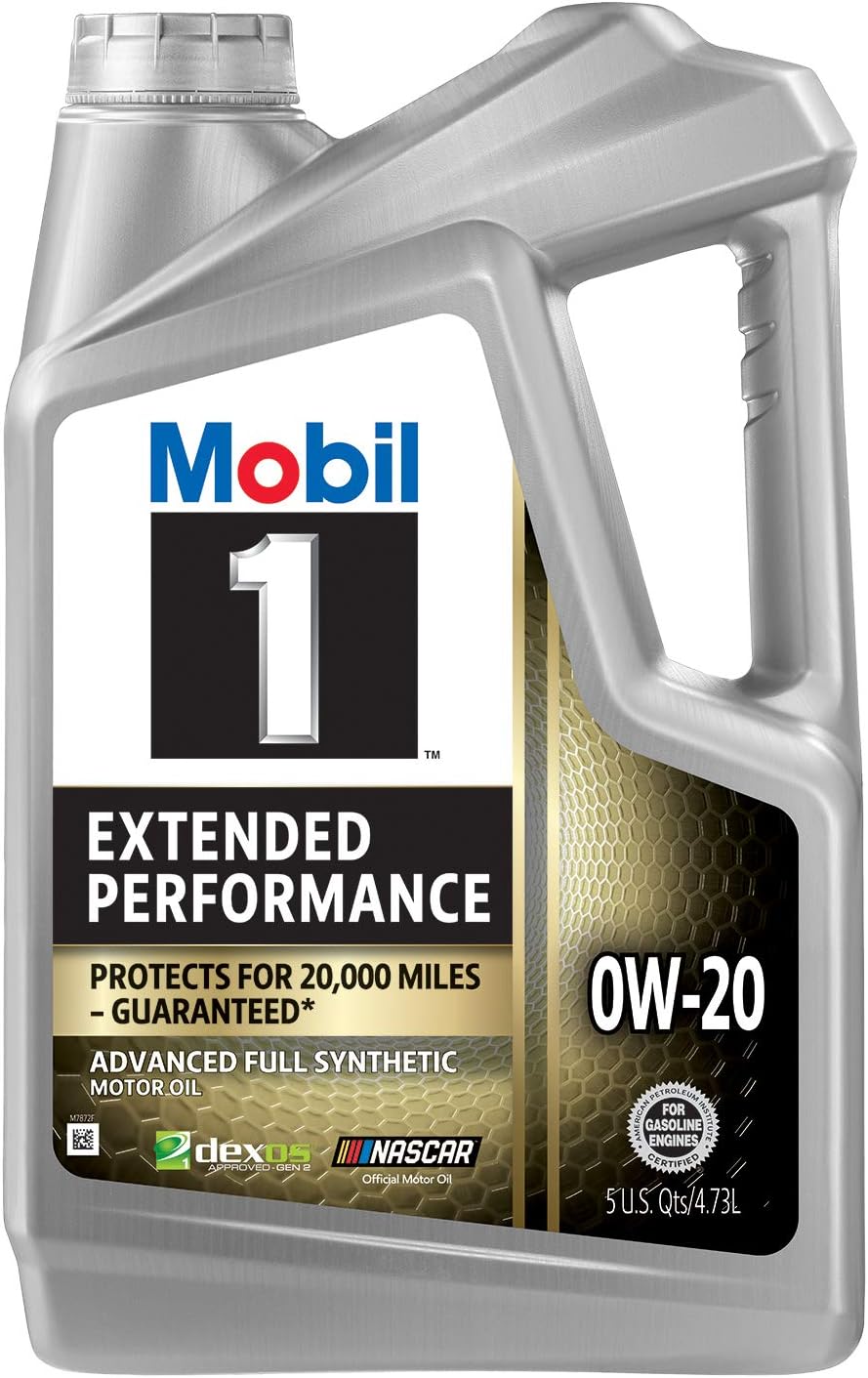
With my luck, some kind of disaster would strike about 100 miles before my next one. A few quarts of oil, a filter, and basic tools can buy you another 5,000 miles of worry-free driving without being reliant on your local mechanic and their ability to get supplies delivered.
Everybody has their own preference for motor oil, so I’ll leave that up to you (read up on break-in oil if you really want to question your own existence). When in doubt, check your owner’s manual.
Some people like to keep coolant on hand, too. If you stock up, make sure that whatever you buy is compatible with the coolant that’s already in your engine. Mixing incompatible fluids can cause expensive problems that you probably aren’t going to fix in your garage during a crisis situation.
Common Mistakes to Avoid
- Not starting early enough: If you wait until it snows to buy a snow shovel, the store will probably be sold out. Buy early and enjoy the comfort of knowing you’re not reliant on supply chains or next-day delivery.
- Not training: Tools are just like firearms; ownership does not equal proficiency. Get handy with your gear before you’re on the clock.
- Letting fluids go stale: Gasoline has a shelf life; so does brake fluid once it’s opened. If your backup gas cans have been sitting for a month, pour that gas into your tank and buy fresh gas the next time you’re out.
- Not keeping auto parts up-to-date: Good news: you have a shelf full of spare bulbs, brake pads, and ball joints. Bad news: they’re all for a car you sold ten years ago. Keep your personal parts inventory relevant.
Meet the Experts

Editing this article is Scott Murdock. Scott has been wrenching on cars since he was a teenager, tackling everything from routine maintenance to an engine rebuild and a motorcycle restoration. He’s reviewed cars and motorcycles for publications like Everyday Driver, GearJunkie, HotCars, Military.com, Outdoor Life, and Roadtrippers.
Final Thoughts
There’s no way to prepare for every possible crisis, but a few simple steps can put you way ahead of where you are now.
The items on this list won’t keep your vehicle running indefinitely, but they’ll overcome the most common problems that an amateur mechanic can handle.
As always, weigh in with your favorite tools, tips, and tricks in the comments!
What’s in your garage? Let us know below. Looking for more ways to stay prepared? Check out our Survival & Prepping Ultimate Resource!
Latest Updates
- December 2025 Complete overhaul with new instructions, photos, and supporting content.