Flying with Firearms: Everything You Need to Know
Don't just hope for the best. We cover the rules for packing, declaring, storing, and locking your firearm for flying...plus our favorite cases and locks.

Career firearms writer & editor. K9 Search & Resscue. 20+ years CCWing. Hunter
We review products independently. When you buy through links on our site, we may earn a commission to help support our testing. Learn more.
Can you fly with a checked firearm? Yes, and it's more common than you might think!
Adding a gun to your checked baggage might seem like asking for trouble, but flying with a firearm is actually not a big deal -- if you know the rules and set yourself up for success.
Today, we'll teach you everything you need to know to have a safe, convenient flight for you and your firearms.
Now welcoming all boarding groups - let's go!
Table of Contents
Keep Your Gun Safe & Legal -- the TSA Way
Obviously, you can't travel with a weapon of any kind on your person or in your carry-on luggage. Firearms have to fly in checked luggage, and there are very specific rules you need to follow to do it legally.
When it comes to flying with firearms, the Transportation Security Administration is in charge. Before you leave for the airport, you need to know the TSA’s rules for firearms.
By the way, air guns are not considered firearms, but you have to store them in checked bags. They do not require declaration, but air tanks must be inspected.
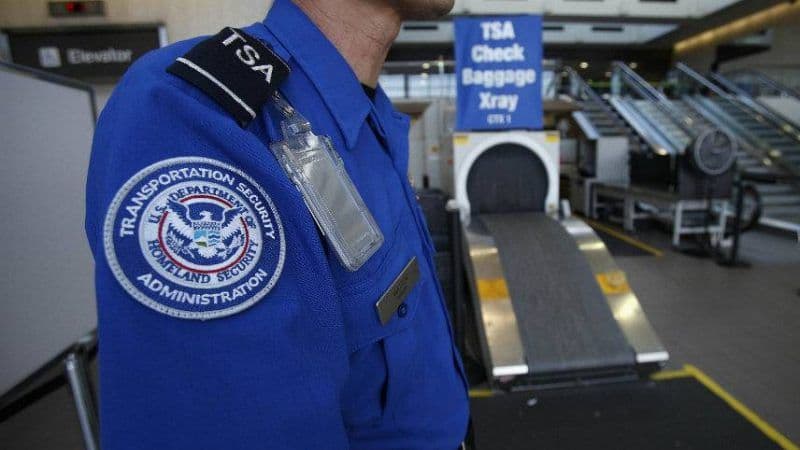
Here are some TSA tips to make your trip easier:
- Check the gun laws that apply where you're departing from, changing planes, and arriving to on your trip.
- Check with the airline you're using to see if they have company rules you need to follow in addition to federal and state laws.
- Unload your firearm and show clear.
- Pack it in an approved hard-sided, lockable case.
- Secure the case with an approved lock.
- Pack ammunition and magazines in a separate case.
- When you get to the airport, notify the airline's ticketing agent that you need to declare a firearm, and ask for a declarations form.
- Fill out the declaration form, put it inside your firearm case, lock it, and give it to the ticketing agent.

In addition to applicable laws, every airline has its own regulations. Check your airline's website for the most up-to-date rules ahead of time to make sure you’re in compliance and prepared for any questions they might have.
Best Cases for Flying with Firearms
Pelican is the gold standard for airline-friendly gun cases. There is no such thing as an indestructible gun case, but Pelicans come close.
I’ve used Pelican cases for years and have a collection of sizes for handguns, rifles, or both.
The 1720 Protector Long Case is a favorite of mine, so much so I have several. It has an automatic purge valve to relieve air pressure, and stainless steel bearings. It's watertight, crushproof, and dustproof so Im comfortable taking it anywhere.
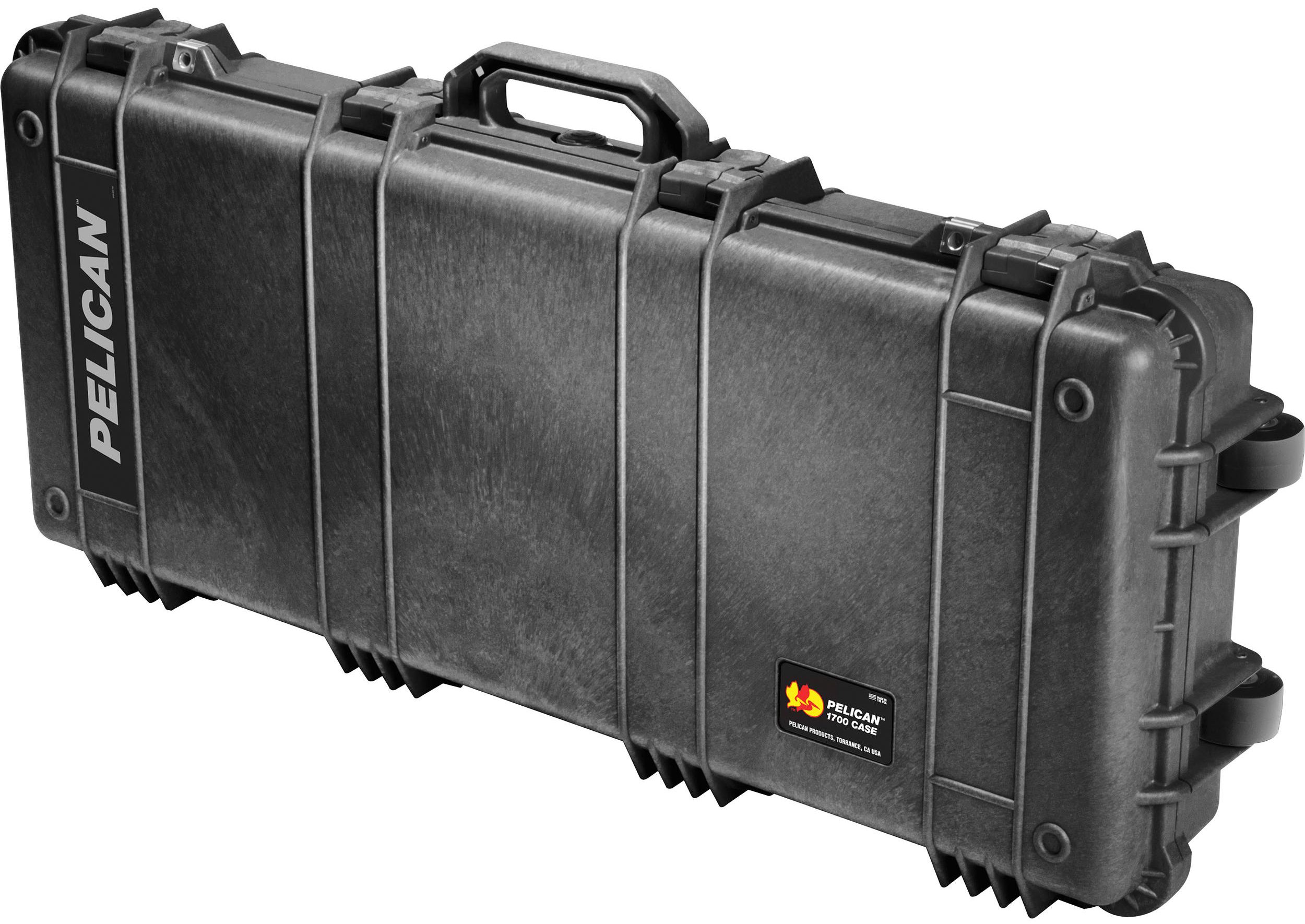
I also have the 1150 Protector Case for handguns.
Are Pelican cases pricey? Yes. Are they worth it? Definitely.
Want more recommendations? Check out our guide to the Best Gun Cases for great options at every price.
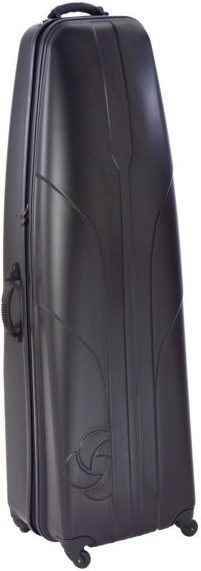
You can also protect your firearms with deception. Some gun owners use deter would-be thieves with cases that don’t look like gun cases.

If that’s your jam, try a case that looks like it could just as easily be carrying sports equipment, a musical instrument, or electronics.
These cases will need some modification. You can easily cut foam inserts that keep everything in place and protected from impacts.
Best Locks for Flying with Firearms
It's not enough to have a sturdy case. Your firearms need to be locked up, and the TSA will want to see one lock in every hole your case has.
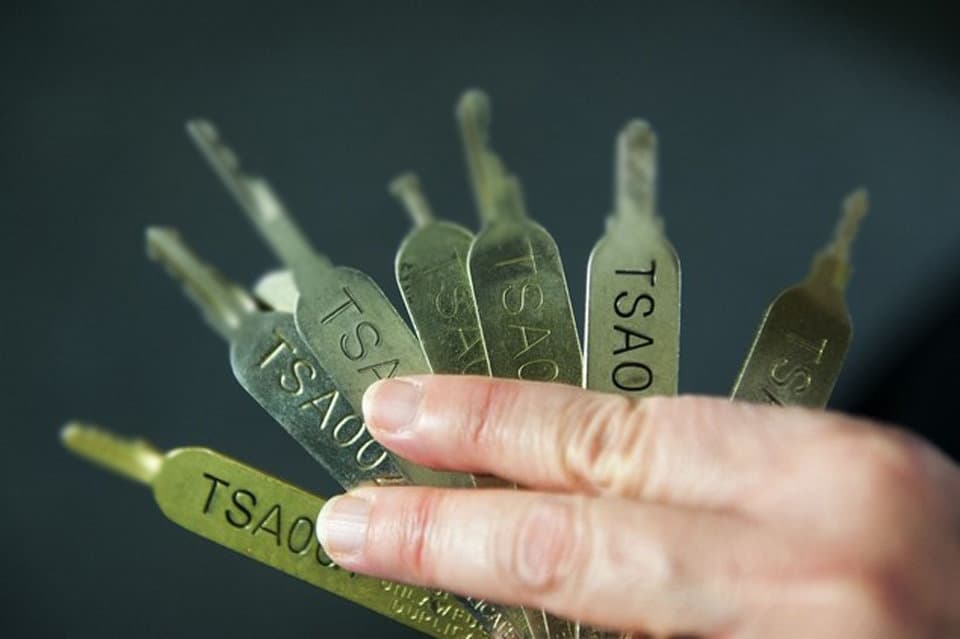
You can buy branded "TSA-approved" locks, but we don't recommend it. Those are for standard luggage; anyone with a master key can open them.
Whether you use a lock with a key or a combination is up to you.
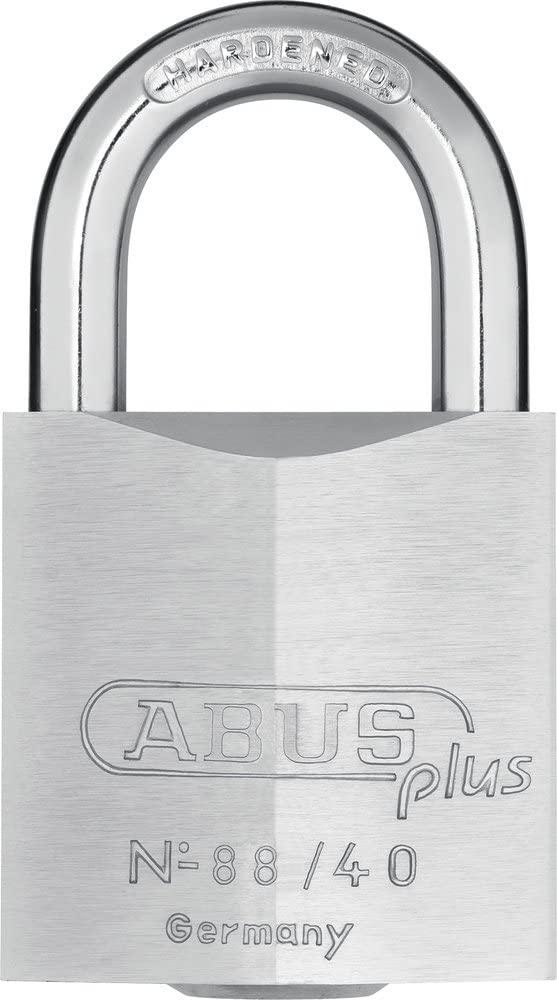
If you choose a keyed lock, always keep the key on your person. Don't put any spare keys in your checked luggage.
Some people prefer a combination lock because they can't lose a key that doesn't exist. Just make sure you have the combination memorized, and avoid using a number on your ID, like your birthday.
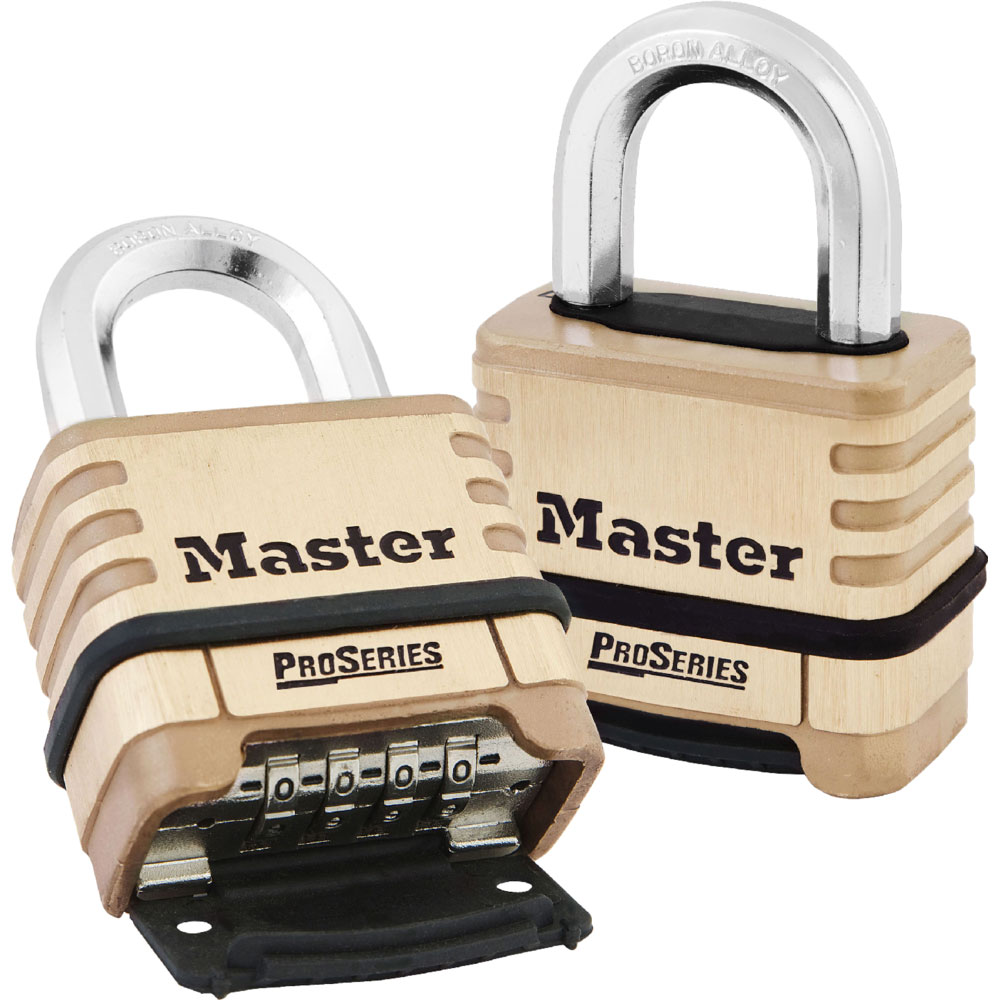
For a full rundown on locking your guns up, check out our 5 Best Gun Case Locks for Traveling with Firearms guide.
Based on years of experience, we recommend keyed locks with a shank clearance just tall enough to fit the gun case without allowing extra movement.
How to Pack When You're Flying with Firearms
Packing your guns right the first time can mean the difference between breezing through security and missing your flight.
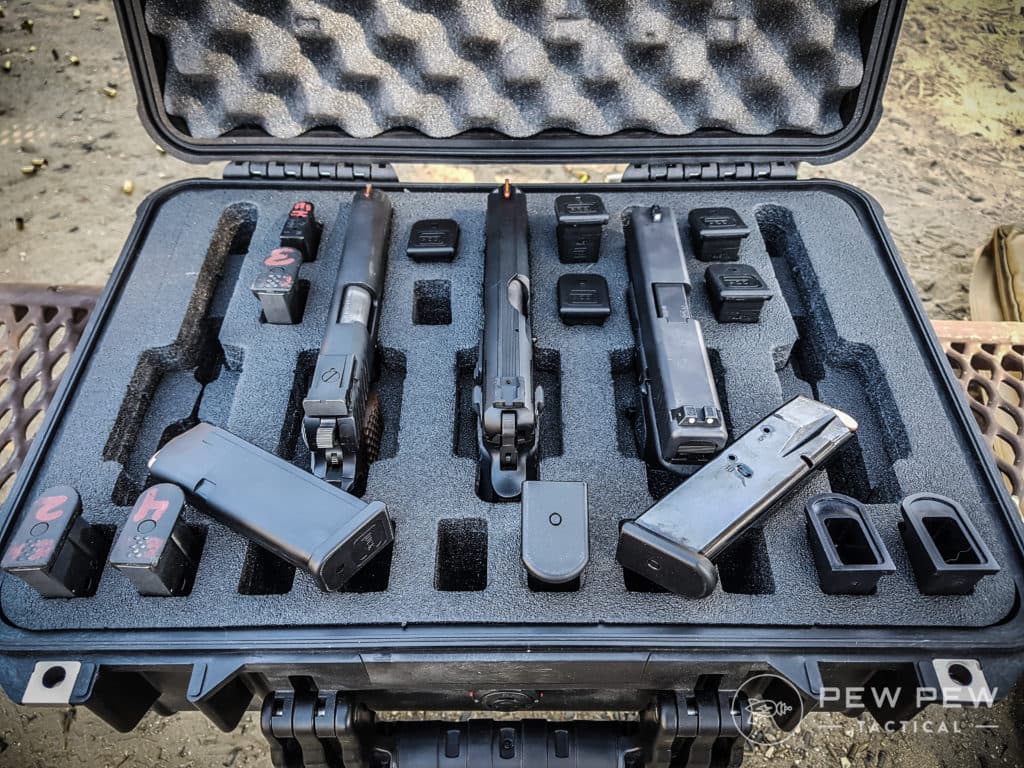
The more squared-away your gear is, the less trouble you're likely to have when declaring your firearms.
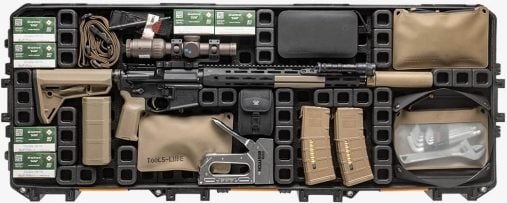
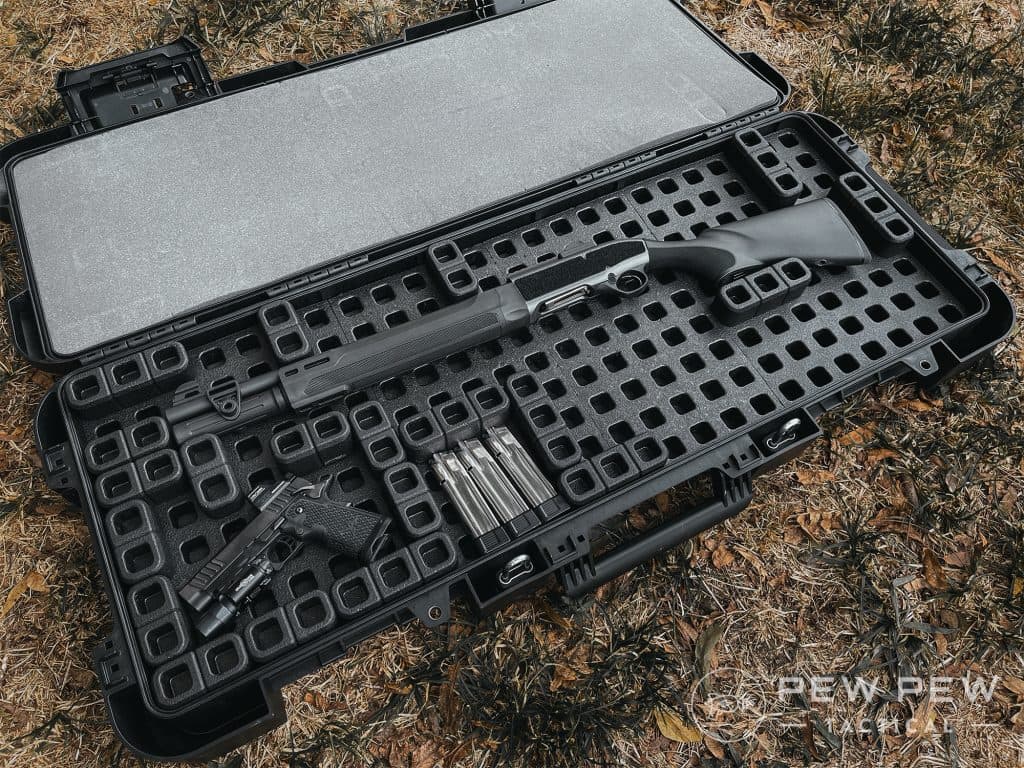
When I fly with one or two guns, I like to zip them in a soft rifle case inside a locked hard case. If I’m flying with more, I carefully Tetris them together with foam so they stay visible for inspection and don’t get dinged up in transit.
You can cut foam to keep everything padded and organized, or you can use the Magpul DAKA grid system to set up your hard case however you want, over and over. We love it!
Guns, locks, and hard cases are heavy, so buy a handheld luggage scale to check your luggage weight at home. They're cheap, easier to use than a bathroom scale, and can prevent fees for overweight luggage at check-in.

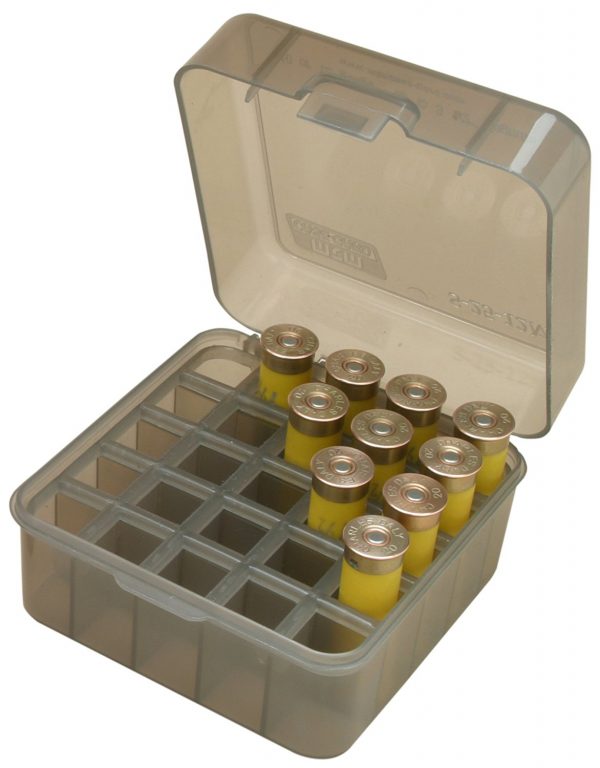
Bringing your own ammo? Ammunition must travel in checked luggage, packed in containers specifically designed for carrying small amounts of ammunition.
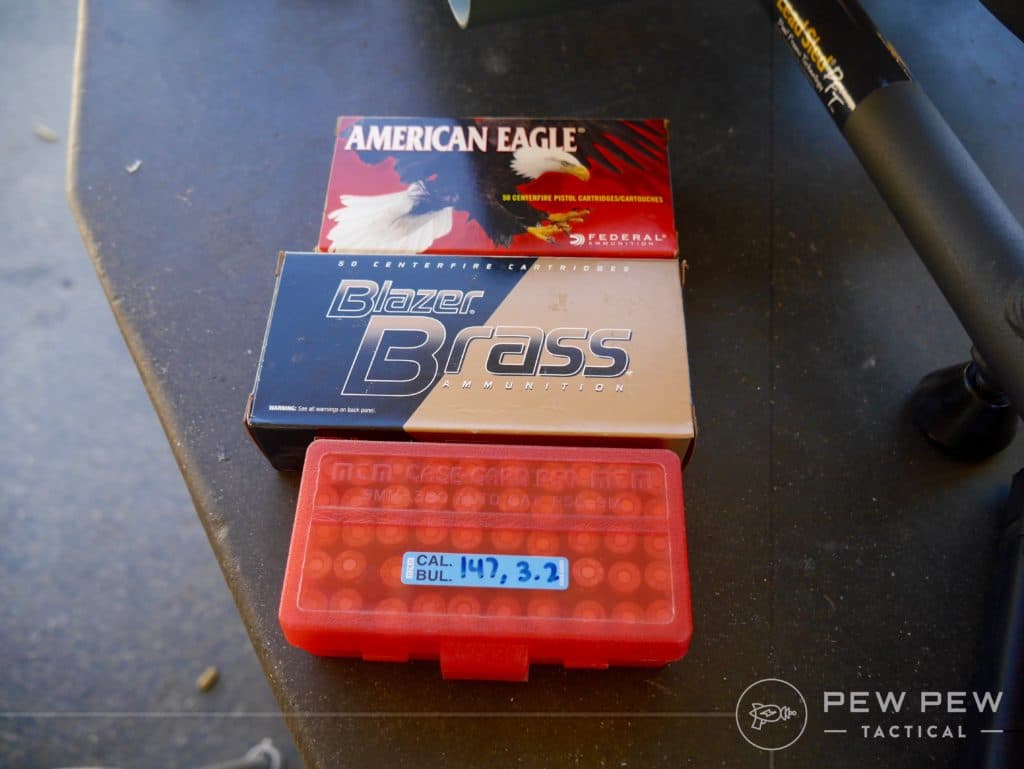
According to the TSA, "small arms ammunition (up to .75 caliber and shotgun shells of any gauge) must be packaged in a fiber (such as cardboard), wood, plastic, or metal box specifically designed to carry ammunition and declared to your airline."
Even though the TSA approves cardboard boxes for storing ammunition during air travel, you may want to go with a stronger container. This will help prevent your ammo box from falling apart and spilling loose ammo in your luggage mid-flight.
You can pack loaded magazines, but they still have to be inside another box because they don't completely seal off the ammunition.
These rules don't apply to firearm components like bolts and firing pins; they just have to travel in checked bags.
Declaring Your Firearm
When checking your baggage, you have to declare your guns or ammunition to the airline -- and that doesn't mean announcing "I have a gun!"
Rather, it means you need to fill out a declarations form.
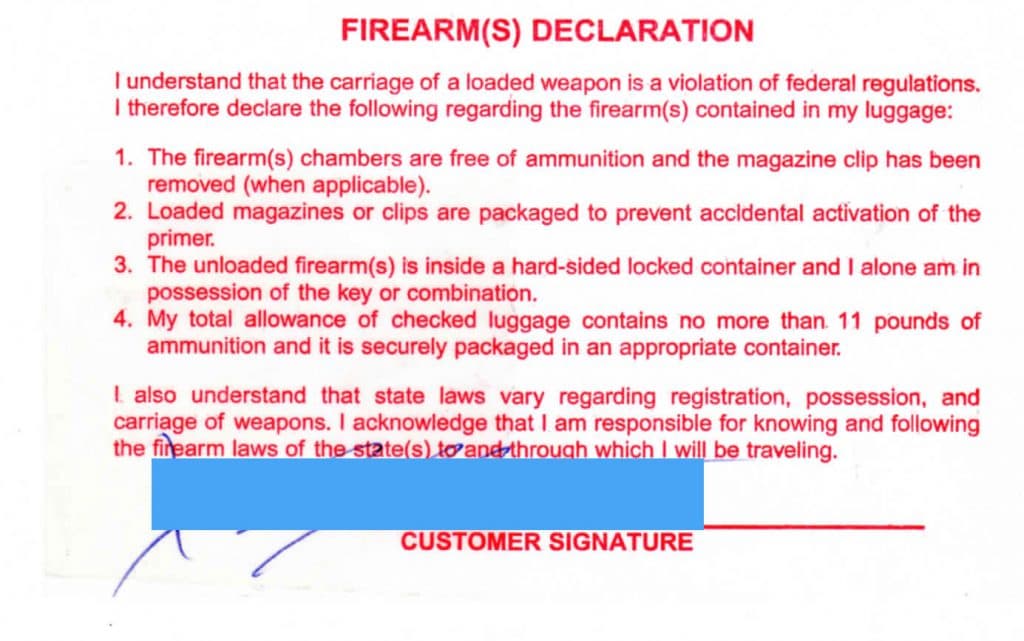
You have to do this every time you hand over your checked luggage, even if you switch airlines during the same trip.
Asking for a firearm declaration form means you're complying with the law, so it shouldn't draw funny looks or suspicious treatment. Lots of people fly with firearms, and your gun probably won’t be the weirdest thing the agent will encounter during their shift.
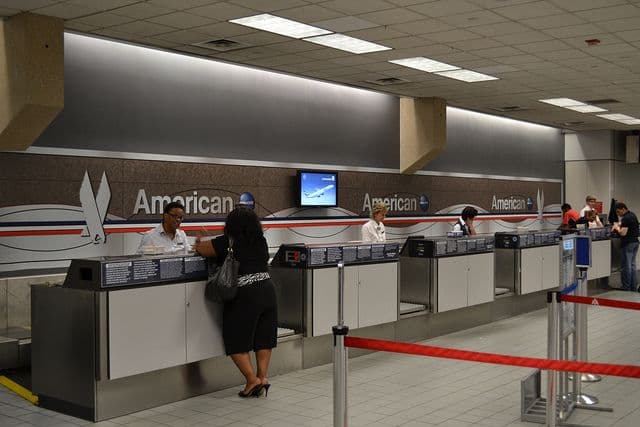
When you walk up to the counter, simply tell the agent that you need to declare a firearm.
The agent will give you a card to fill out that records your contact information and verifies that you’ve properly stored your firearm. By law, you must place the card inside your case after signing it. The agent will then make sure that the case is locked.
If an airline agent attempts to label the outside of the case in such a way that clearly marks it as containing a firearm, inform them that, according to federal law 18 USC Sec. 922(e), “no common or contract carrier shall require or cause any label, tag, or other written notice to be placed on the outside of any package, luggage, or other container that such package, luggage, or other container contains a firearm.”

After a few questions to make sure any accessories or ammunition are stored properly, you’re usually free to go.
Other times, the agent may want to look inside the case. If that happens, open the case and show them, respecting the four firearm safety rules. Under no circumstances should the counter agent touch your guns.
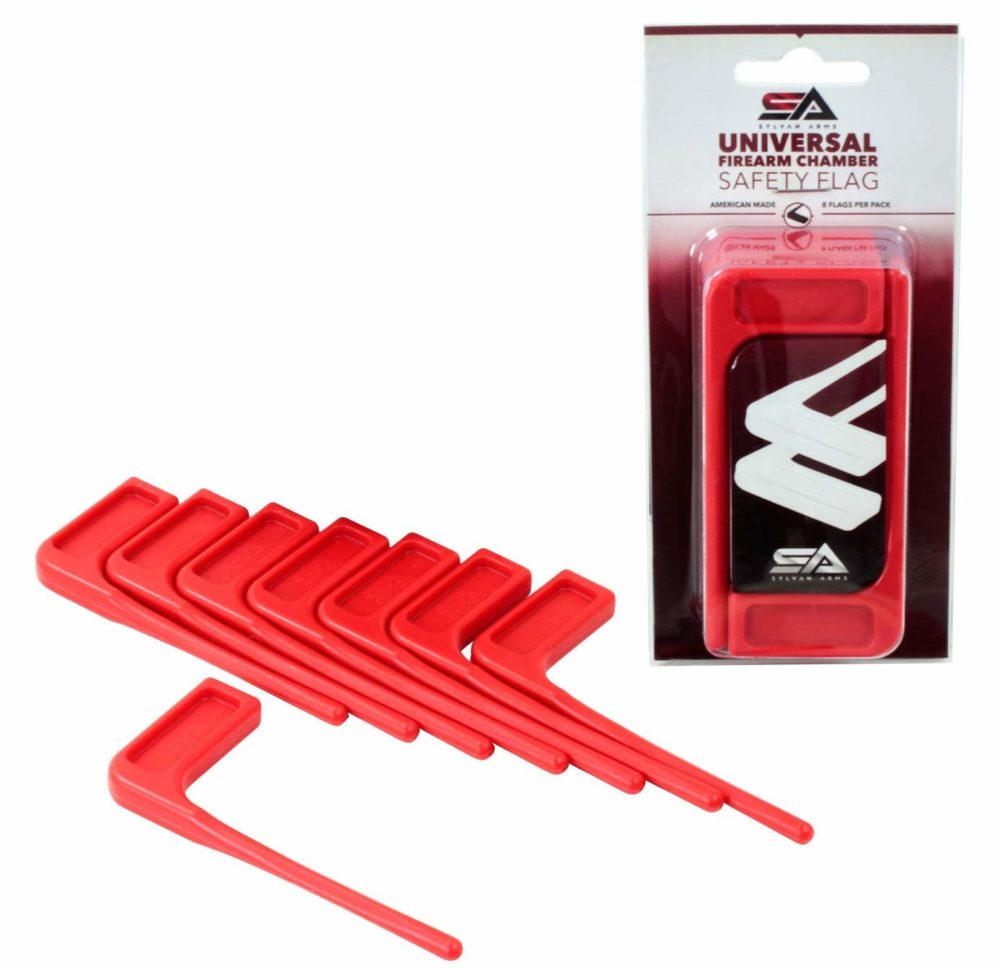
A chamber flag or cable lock running through the chamber of your firearm is a helpful visual indicator that it's unloaded, and that can speed up the process.
Before the airline sends your luggage to TSA, lock your case and stick around in case TSA wants to conduct additional screening.
If that happens, unlock the case yourself. TSA and airline staff should never ask for your combination or a copy of your key, according to the code of federal regulations regarding traveling with firearms.
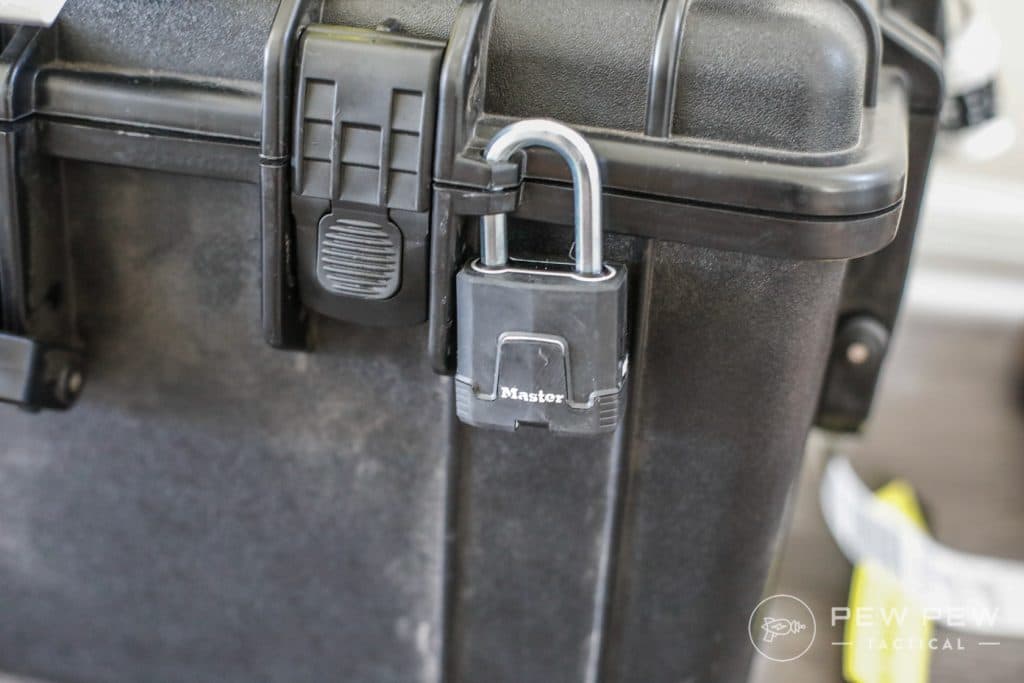
A TSA agent can open the lock with a key if they give it right back to you. Remember, you should have a key on your person, but not in your checked bag.
TSA and airline agents should never touch your firearms. If they feel it needs an inspection, they need to ask a law enforcement officer for help.
At the majority of airports, you can stand in a spot that provides you with a visual view of the space where TSA checks special baggage. When the TSA agent is finished checking the locks and scanning and swabbing the case, he or she will signal you are good to go.
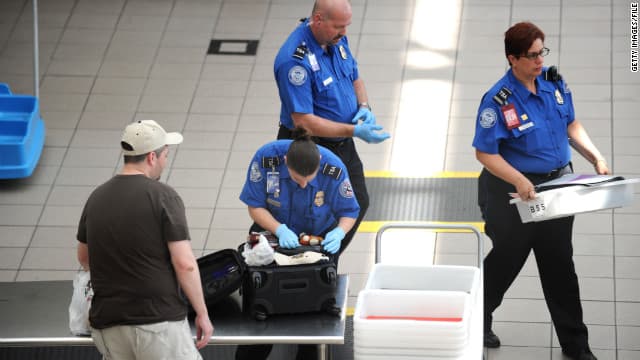
Once you leave the area and go through security, pay close attention to announcements in case TSA calls you back to the luggage checkpoint.
Declaring is usually a quick and easy process, but you want to allow yourself at least an extra hour in case it takes longer. It’s much better to have more time to browse duty-free stores or grab a Cinnabon than to miss your flight.

Editor's Note: Though flying with a firearm is nothing new, sometimes you might end up getting an agent who isn't fully aware of the law. We suggest printing off and carrying a copy of TSA and the airline's policy regarding flying with guns. That way, you can show them if there's a problem.
Airline Rules on Flying with Firearms
Most airlines have rules for flying with firearms in addition to the TSA’s rules. These rules vary from airline to airline, so check your airline's rules before you travel.
You can usually find these rules easily by searching your airline’s name and “firearm” or “gun,” or by looking on their website under the baggage policy.
We’ll give you a head start on a few airlines.
- American Airlines
- Alaska Airlines
- Allegiant Air
- Canada Air
- Delta Airlines
- Frontier Airlines
- JetBlue Airways
- Southwest Airlines
- Spirit Airlines
- United Airlines
You’ll also need to know the laws for wherever you’re flying to. Airport staff only check to make sure you’re following the airline's and TSA’s rules. Even if your gun is checked legally, you can get in serious trouble once you reach your destination if you're breaking local laws.
Flying with Firearms Internationally
For international travel, booking direct flights minimizes the countries and customs requirements you're subject to along the way.
Before you leave the country you need to fill out a US Customs Form 4457, which a US customs official will have to sign in person before you leave.
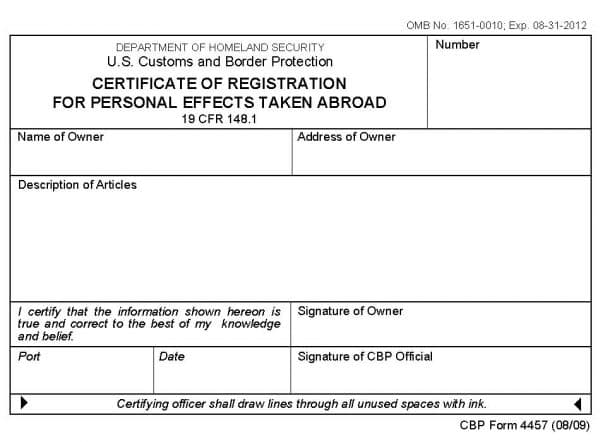
This form allows you to bring your firearms back into the country without having to pay duty on them. And this is especially important for foreign-made guns. It covers other foreign-made items and you can use it multiple times, so hold on to it for future trips.
Get all this information together early so you have plenty of time to fill out the form properly before you leave, especially if you need a visa.
Rules change. As a general rule, double-check regulations prior to each flight.
Getting Your Gun From Baggage Claim
Once you arrive at your destination, your firearms might come out with the normal luggage or with oversized items, like skis and strollers.

Why there’s no consistency in this, we’ll never know. But if your suitcase has come down the carousel and your guns haven’t, you may want to pop by the baggage office to see if they have it with the other oversized items.
Take a moment to check your case before leaving the airport to ensure it's still secure.
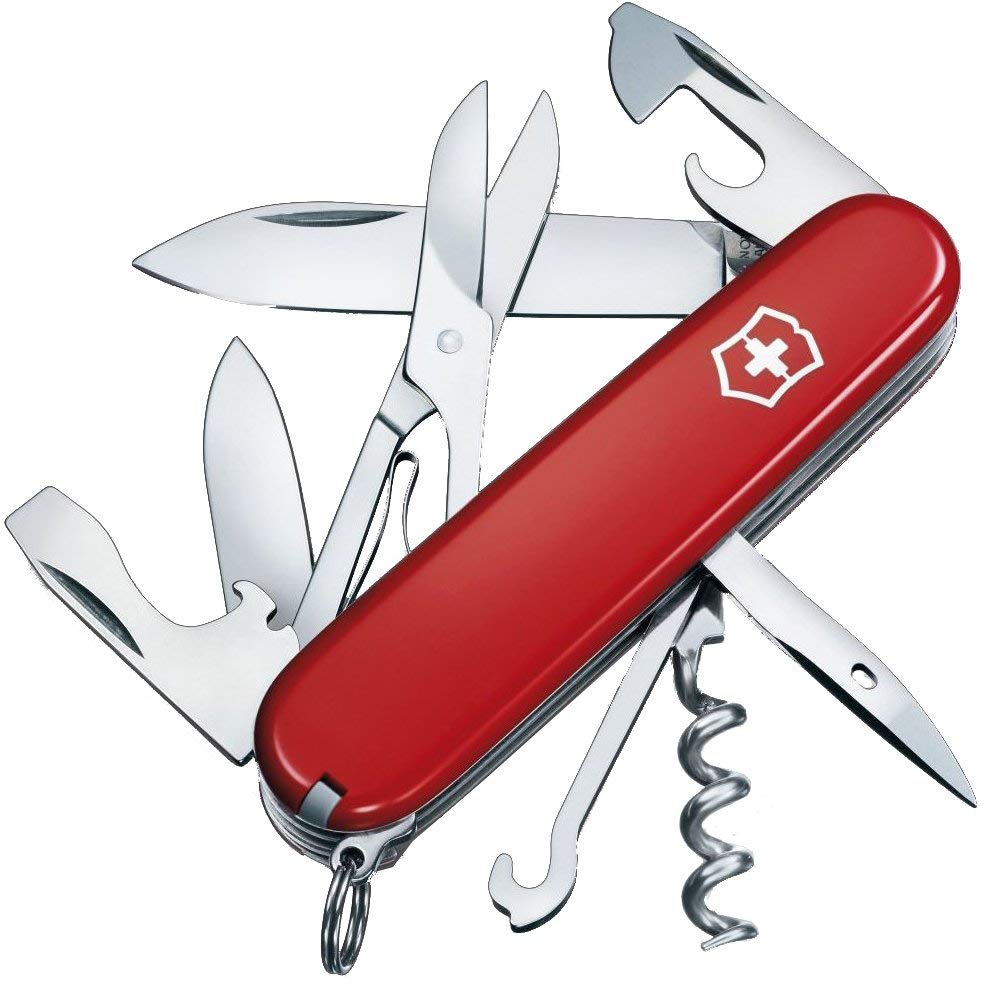
Sometimes a TSA or airline employee will zip-tie your case shut, so it’s handy to have a pocket knife stashed in an easily-accessible pocket on a checked bag so you can cut it off.
Final Thoughts
So, to sum everything up:
- Guns and ammunition both need to be in checked baggage.
- Pack your gun unloaded in a hard case with a non-TSA approved lock.
- A solid ammunition container is safer and more convenient than the original packaging.
- Declare your firearm to your airline.
- Know all applicable TSA and airline rules.
- Know the laws of wherever you’re going.
That’s it! Using this guide, you should be able to fly with your gun with relative ease. When in doubt, contact your airline or the TSA directly.
For international travel, refer questions to the local consulate or embassy of the country or countries you’re visiting.
Have you ever flown with a firearm? Let us know in the comments. Sometimes it's easier to mail your ammo or guns to your final destination, so let us teach you How To Mail Guns Legally!