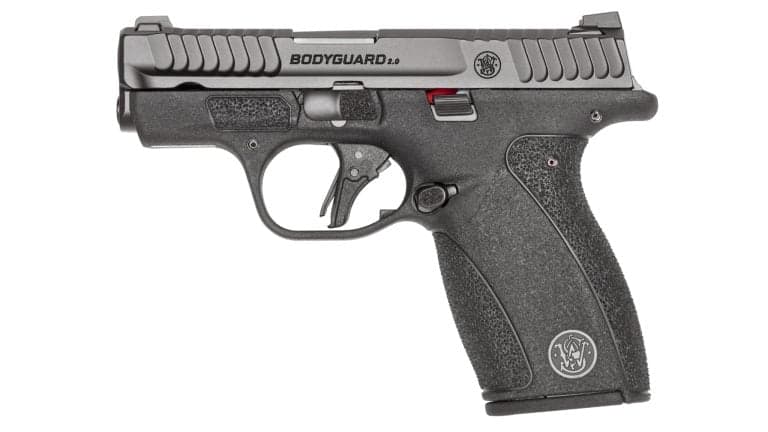
PPT Review: Smith & Wesson Bodyguard 2.0
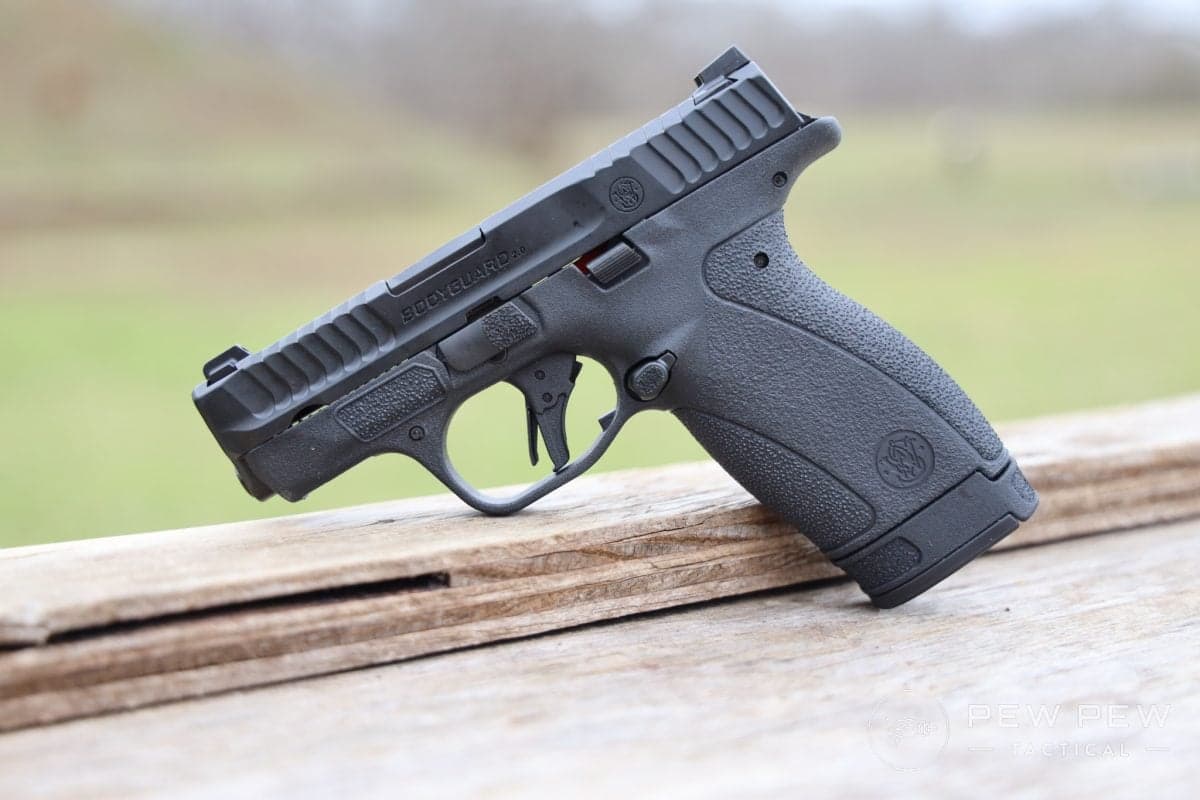
Smith & Wesson introduced a new Bodyguard -- the Bodyguard 2.0. We take it to the range to see if this tiny gun is better than the original...

Retired LEO. SWAT Commander. POST/NLEFIA/USCCA Instructor. Former FFL. Gun Writer 10+ years
We review products independently. When you buy through links on our site, we may earn a commission to help support our testing. Learn more.
Smith & Wesson Bodyguard 2.0 Pros & Cons
Pros
- Easily concealed
- Good ergonomics
- Solid trigger
Cons
- Challenging for big hands
- Not designed for accessories
The Bottom Line
Smith & Wesson's Bodyguard 2.0 received some greatly appreciated updates and punches far above its weight. It's a concealable but useable .380 pistol.
Smith & Wesson has a new take on an old design, launching an upgraded version of their ultra-concealable .380 ACP -- the Bodyguard 2.0.
Sporting an improved trigger and some updated features, this pistol looks to balance functionality with concealability. But does Smith & Wesson pull it off with a balance of both in the Bodyguard 2.0?
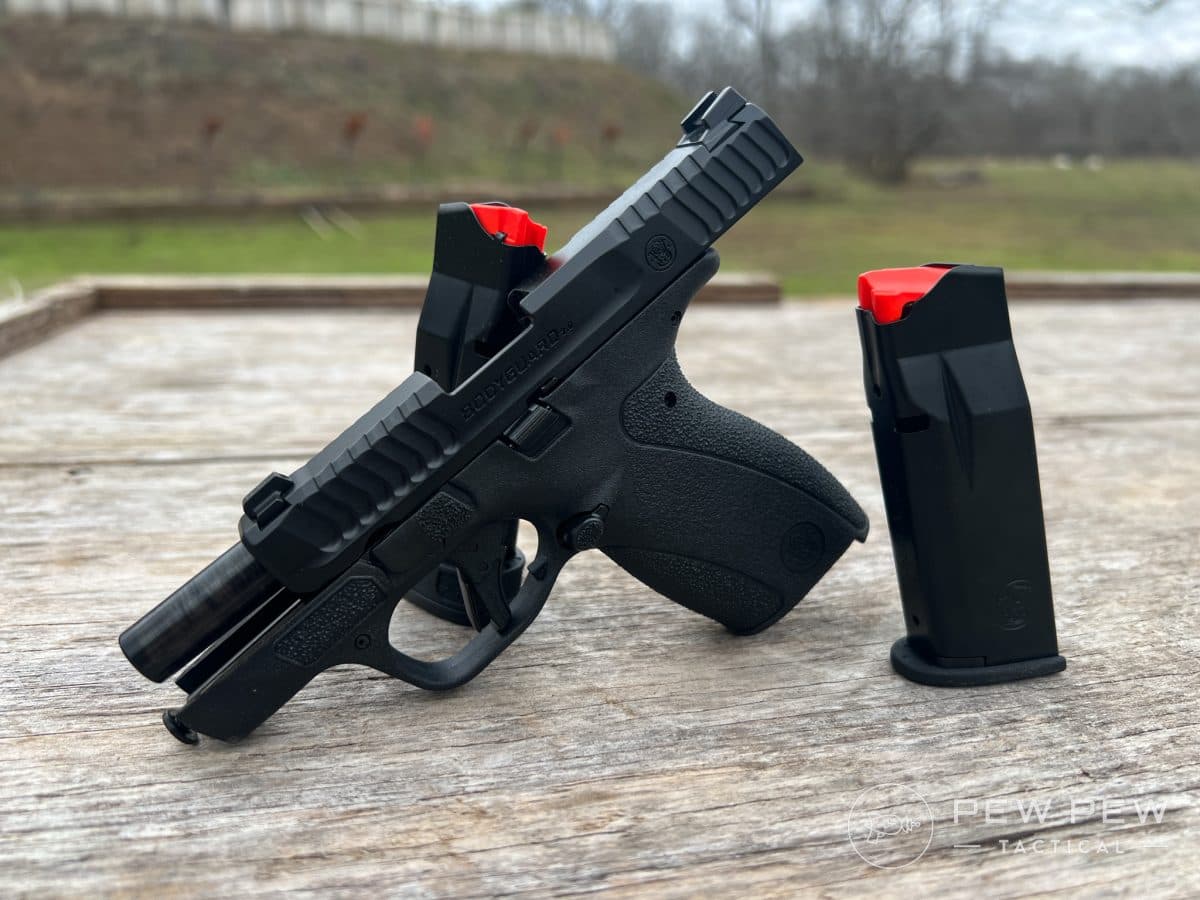
After a couple of range sessions (not all of which went smoothly...more on that later) we reached a conclusion on whether the Bodyguard 2.0 is better than the original or more of the same.
So read on for our full range report!
Table of Contents
Specs & Features
Specs
- Caliber: .380
- Action: Semi-auto, striker-fired
- Capacity: 12+1
- Length: 5.5”
- Barrel Length: 2.75”
- Width: 0.88”
- Height: 4”
- Weight: 9.8 oz.
- Comes with: Cardboard box, 12-round magazine, 10-round magazine, gun lock, owner’s manual
Features
- Flat-faced trigger
- Aggressive slide serrations
- Tritium front sight
Smith & Wesson Bodyguard 2.0 Background
Smith & Wesson has been making Bodyguard pistols since the 1950s, though the line started as (J-frame) revolvers. The original semi-automatic version was released in 2010.
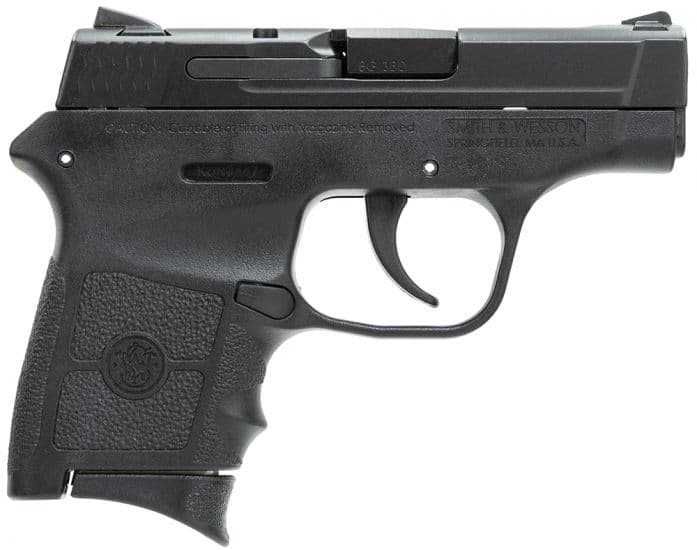
The driving idea behind these guns has been keeping them small but still serviceable — easily tucked away or concealed, but still functional enough to defend yourself if the need arises.
Though the original design was often critiqued, especially for its mediocre trigger, the revamp aims to offer shooters a better overall experience with notable upgrades.
“The Bodyguard 2.0 is a breakthrough new micro-sized striker-fired pistol from Smith & Wesson. Although small in size, the Bodyguard 2.0 has an impressive capacity, crisp trigger-pull, and exceptional controllability," Andrew Gore, Smith & Wesson Handgun Product Manager, said in a press release.
"The combination of new aggressive, but not sharp, slide serrations, and strategic texturing over the frame aid in the pistol’s superior performance leading it to the front of the micro category. The Bodyguard 2.0 is the micro pistol you have always wanted, and now can have."
Ergonomics: Fit & Feel
I’ll warn you in advance: I don’t always do well with micro-compacts.
They are so small (by design,) but that doesn’t lend itself to my 2X-sized hands.

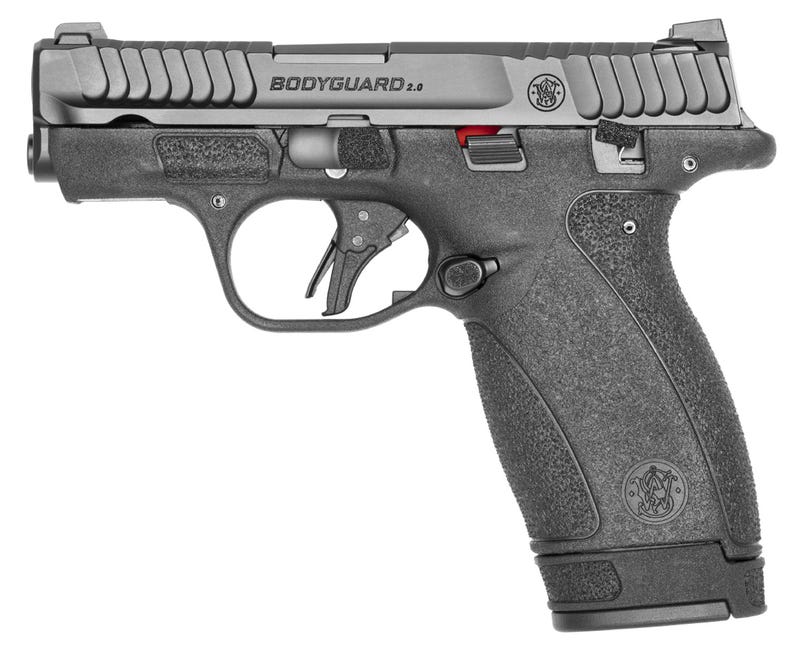
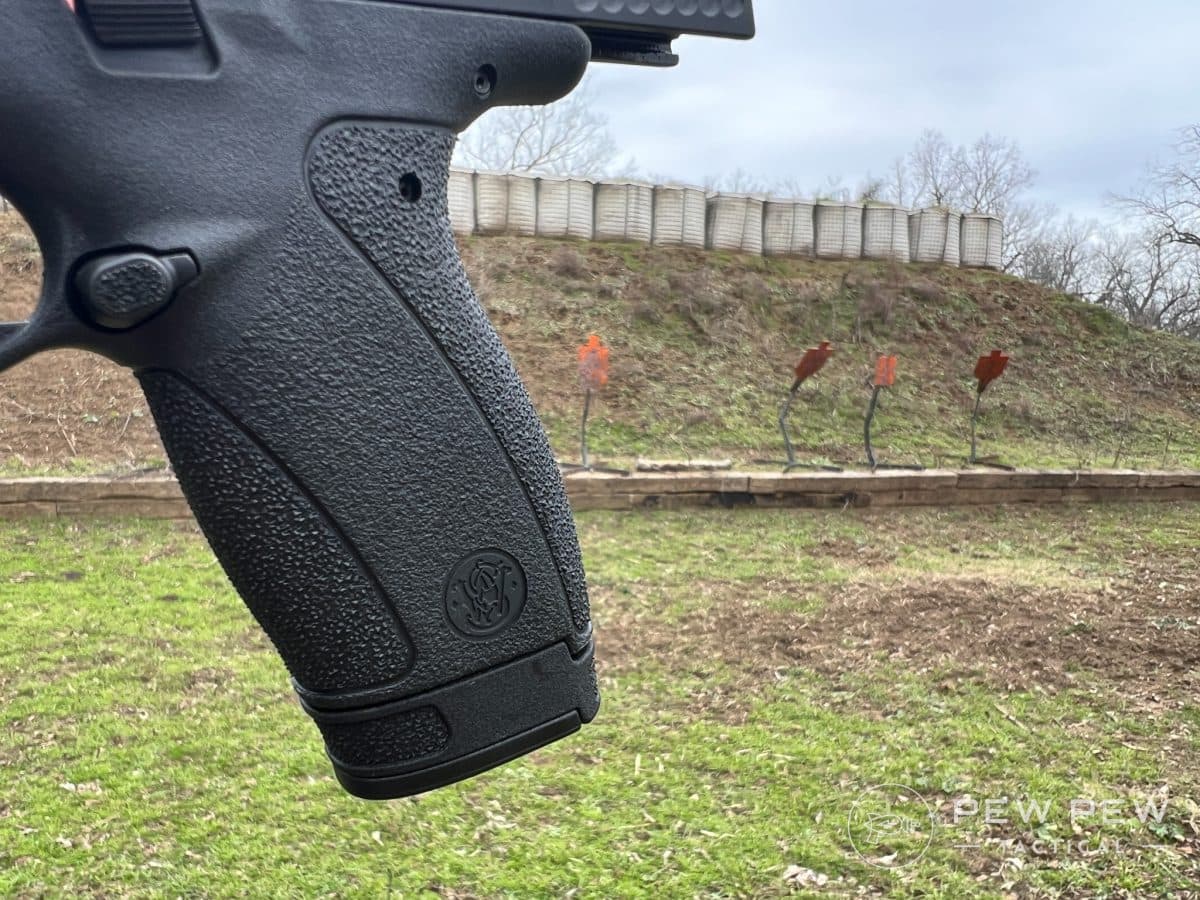
That said, the Bodyguard 2.0 fits a range of hand sizes. Its grip has a natural oval shape and is covered with a more aggressive grip texture front and rear, but gentler on the sides to aid with carry and retrieval.
Thankfully, the backstrap swells into a good-sized beavertail that mostly protected my shooting hand. The overall grip length is good, too, though better when the 12-round magazine with flush-fit extension is used.
This is an important distinction for those with larger hands. The 10-round magazine causes my pinky to wrap around the bottom in a grip less optimal for taming recoil.
Inserting either magazine is fairly standard, though there isn’t any kind of flaring of the magwell, likely due to the concealment motif. There is a tiny, beveled edge to assist insertion, but that’s it.
Not surprisingly, the Bodyguard 2.0 is tiny. For example, it’s even smaller than a Glock G42, a little shorter in overall length, and much narrower.
It is also extremely light, tipping the scales at only 9.8 oz. empty. The design is well suited as a backup gun, deep concealer, or even a pocket gun if you choose.
I’ve often gotten the impression of cheapness from previous micro-compacts I’ve handled, but that isn’t the case with the Bodyguard 2.0. It is small and light but feels well-made in the hand.
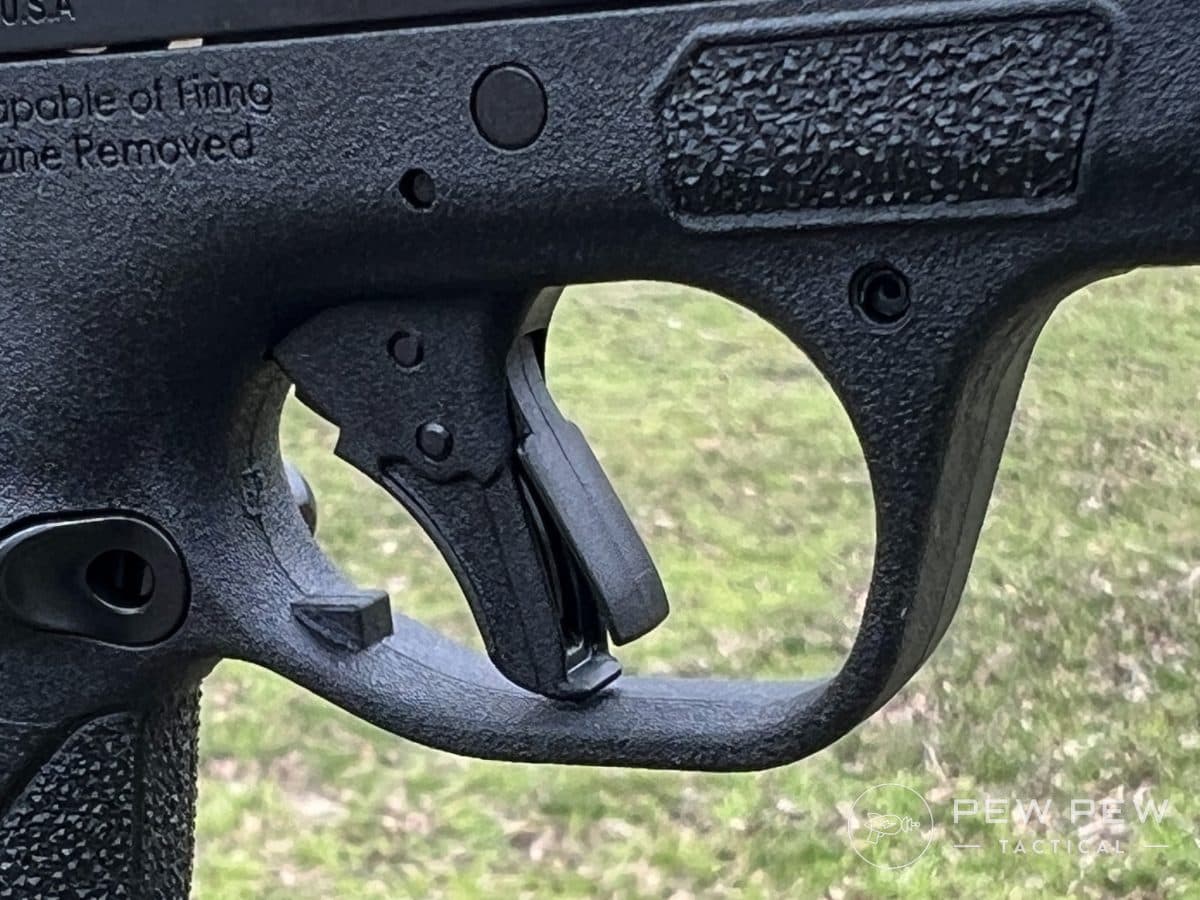
The trigger guard features an improved cut from the original, so a high grip can be established. In addition, the frame has a textured spot in front of the trigger for additional tactility.
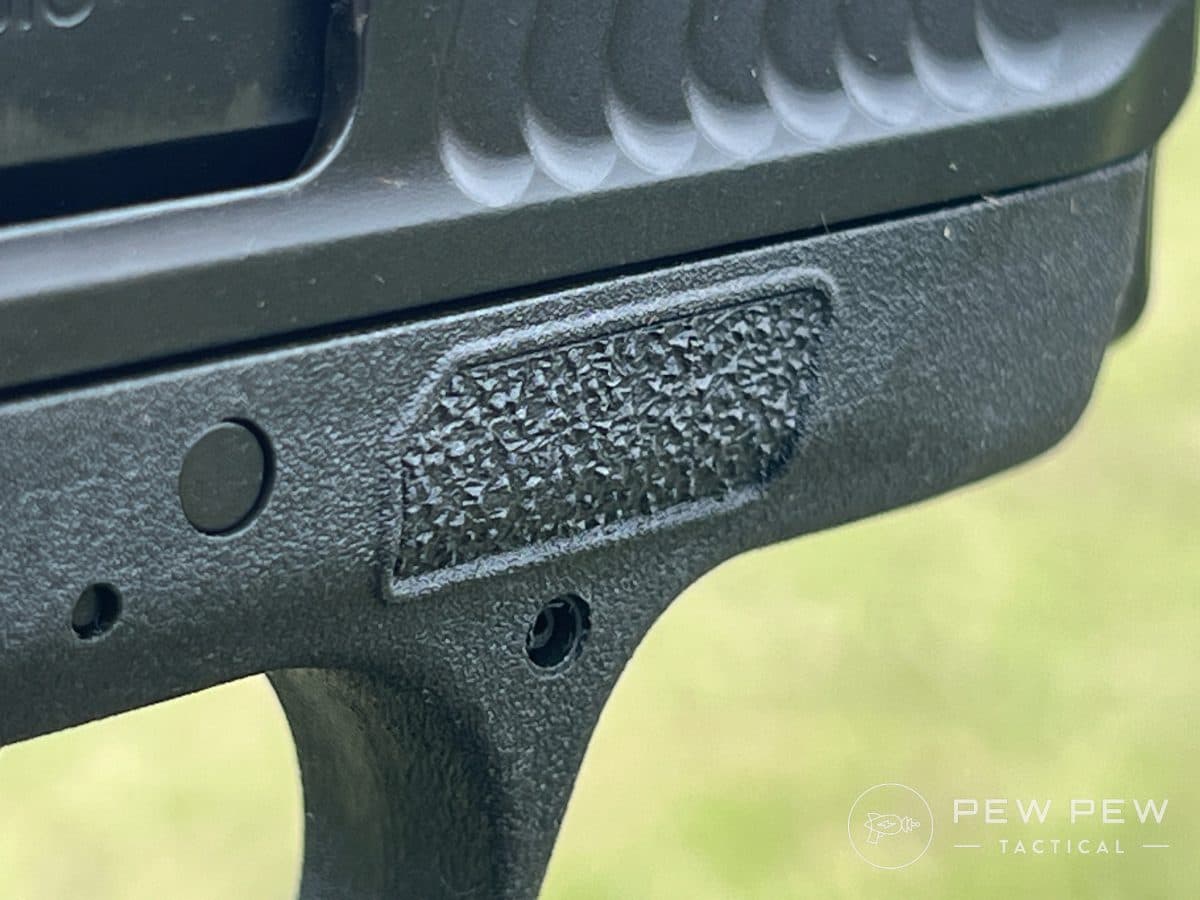
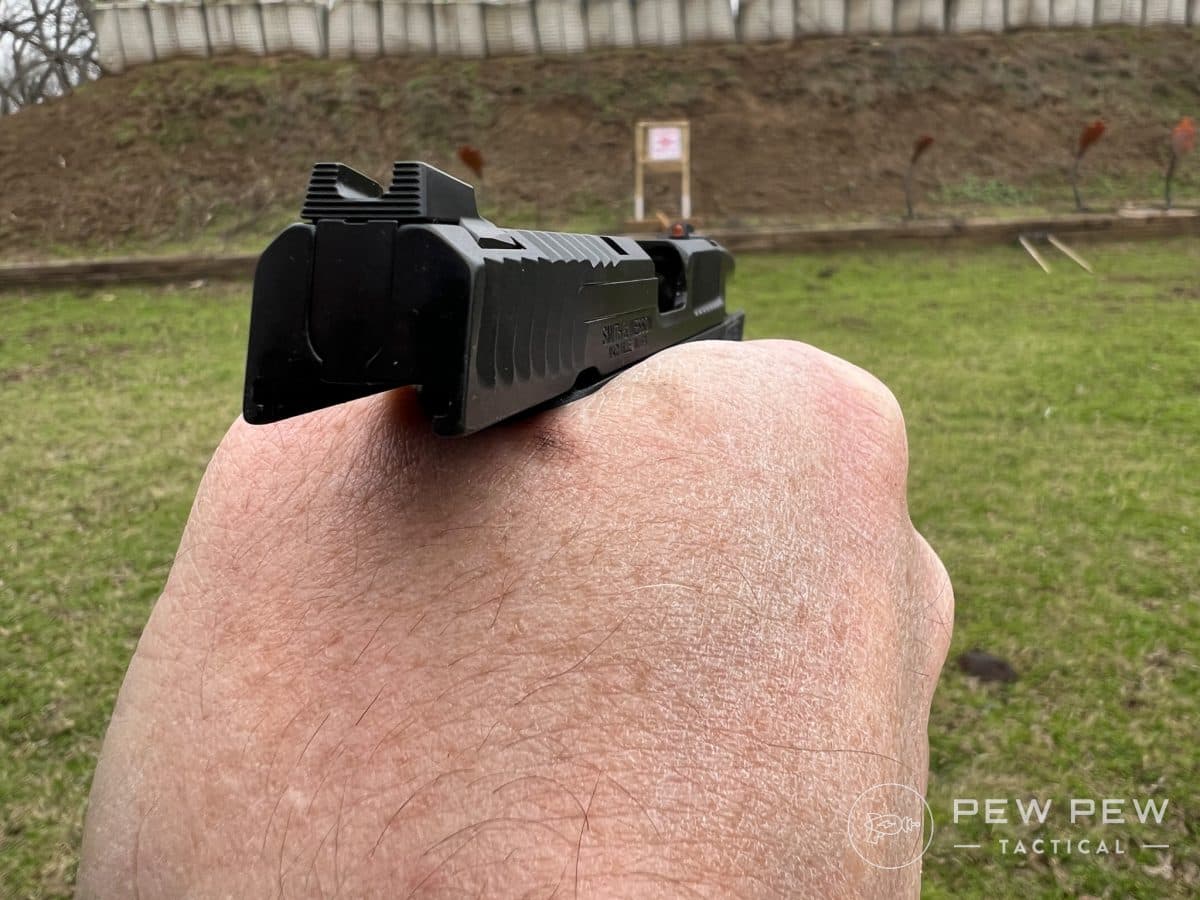
One notable improvement over the original Bodyguard (semi-auto) can be found on the slide. Serrations have been added to the front and increased in the rear.
I appreciate the fact that these cuts now extend at least in part to the top of the slide. This provides even more tactility for racking the Bodyguard or press checking.
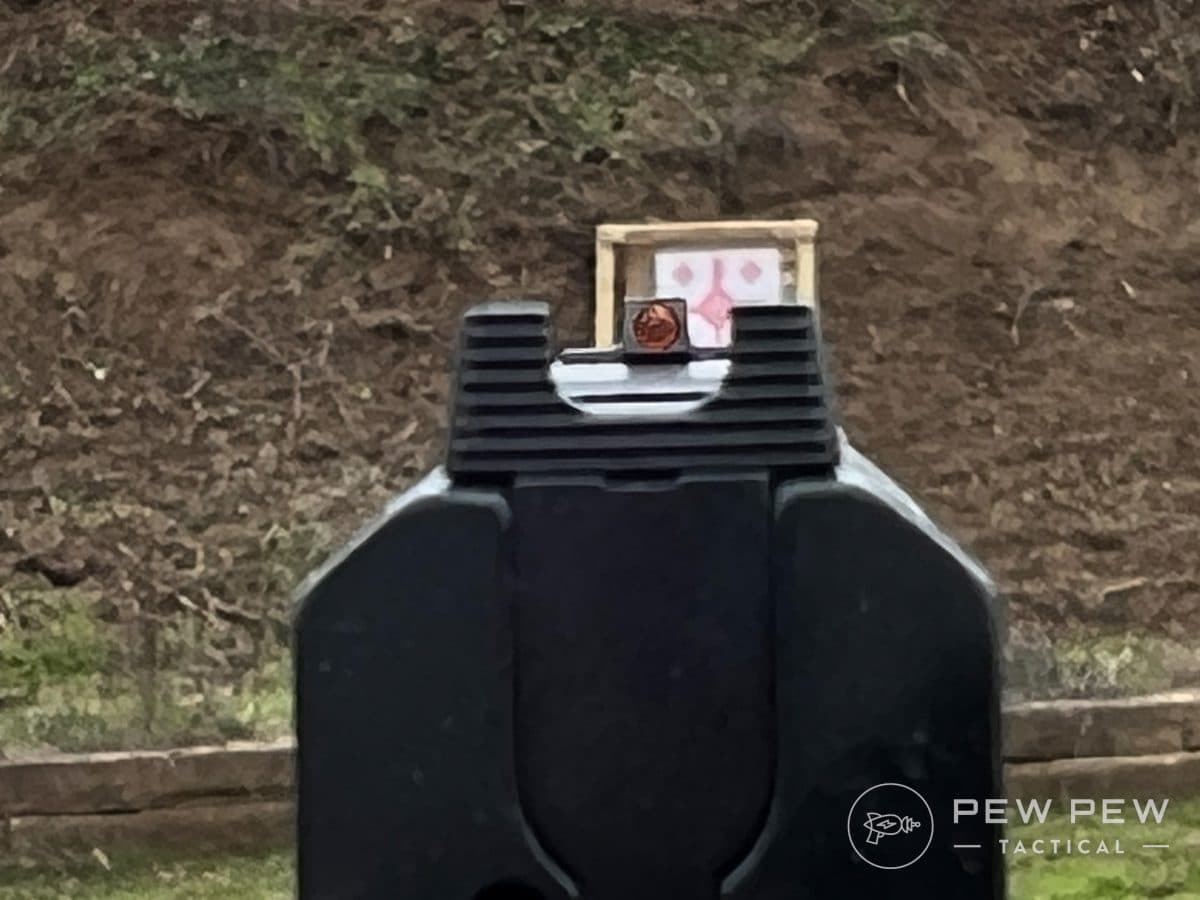
Another improvement Smith added to the Bodyguard 2.0 can be found in the sights. A tritium, orange dot graces the front while a blacked-out, serrated U-notch completes the set in the rear — both are made of steel.
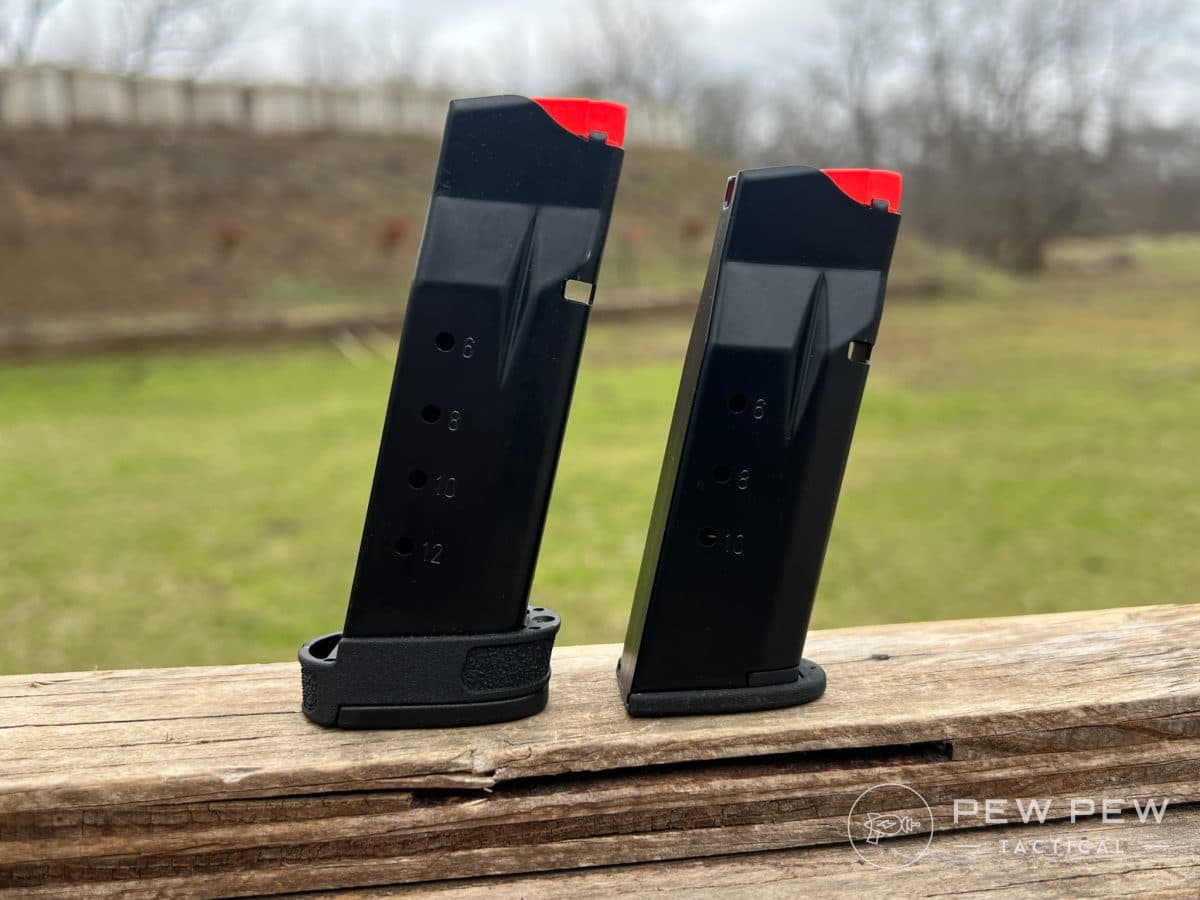
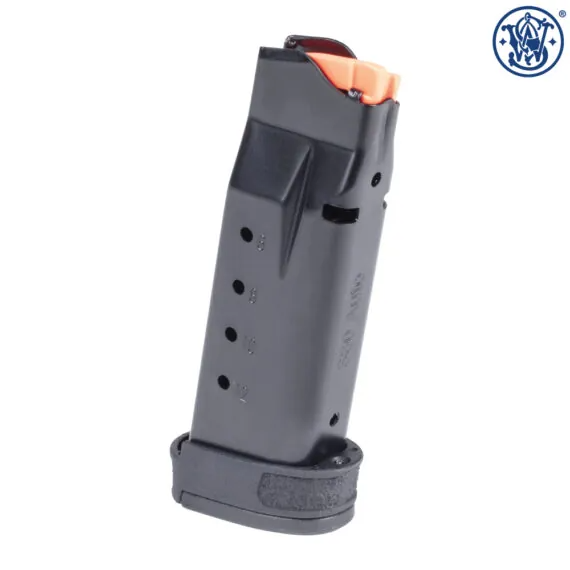
Also made of steel, the 10- and 12-round magazines feature a high-visibility orange follower and round-count windows on one side. Base pads are standard polymer, though the 12-round includes a collar to fill the gap between magwell and base.
Controls
Smith did an excellent job of laying out the controls on such a small pistol. They don’t feel cramped despite the lack of space to work with.
The slide stop/release was easy to reach, though it was almost too stiff to release with just the thumb. It is also located on the left side only.
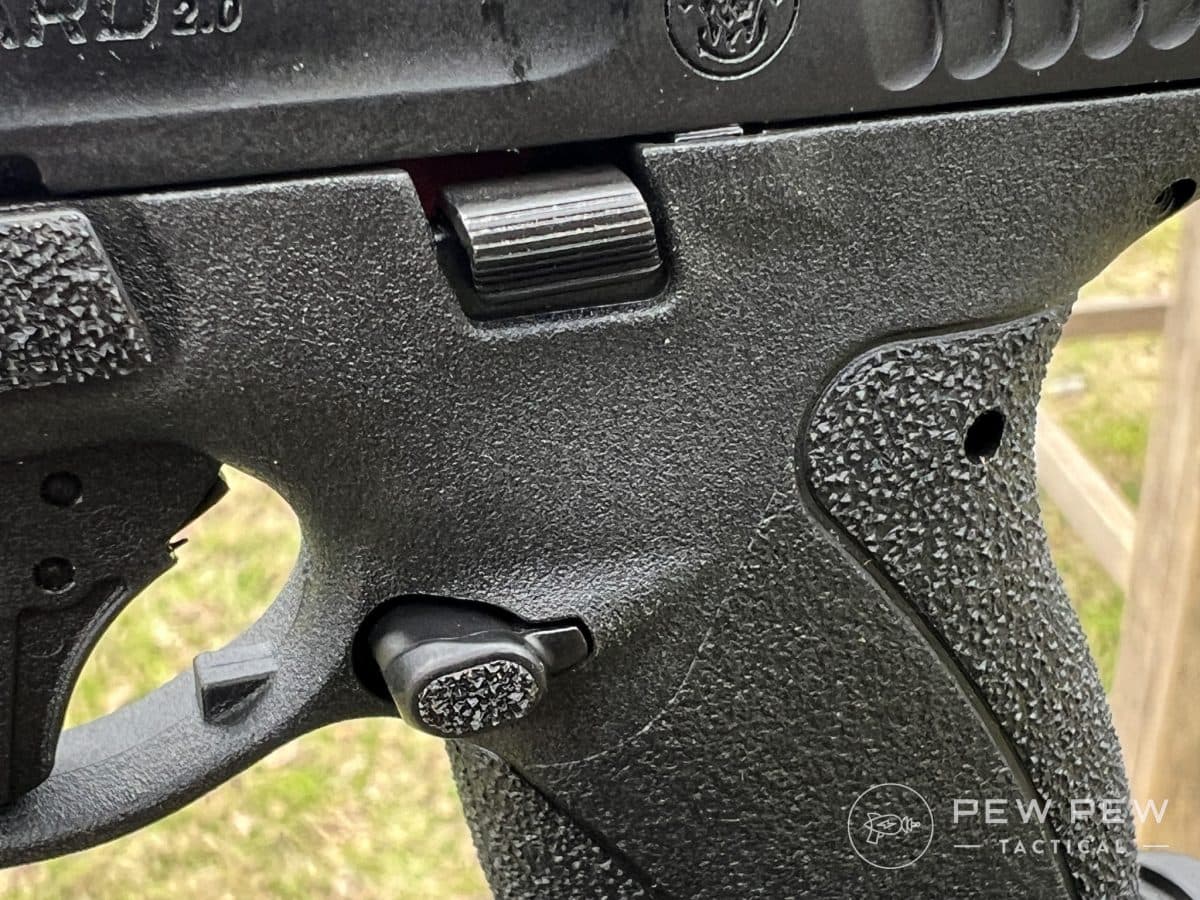
However, the magazine release was easy to use and is thankfully reversible for the lefties out there. Finally, the trigger features a nice flat bow and a safety device that compresses seamlessly when you press it back.
Using a Lyman Digital Trigger Gauge, I measured the Bodyguard 2.0’s trigger and found it averaged 2 lbs. 5.2 oz. The trigger traveled back a few millimeters before hitting a defined wall, then broke crisply.
Reset was light, though audible and tactile.
Range Testing the S&W Bodyguard 2.0 (Performance & Accuracy)
One of the biggest things I look for in a micro-compact is how effective it will be. This gun category is not designed to engage targets 50 yards out, but how useful is it within its intended purpose?

Some guns are so small and lightweight that their recoil impulse makes them challenging to control. There is no escaping sheer physics.
Thankfully, Smith & Wesson included enough weight and grip texture to strike a fine balance with the .380 chambering. The Bodyguard is still a little snappy, but not unreasonably so.
I was able to deliver several strings of fire and stay on target while shooting steel from 12 yards and in. More importantly, I was able to keep my established grip without adjusting my hands after shooting.
Accuracy was a bit more challenging. I’ll be the first to admit I don’t shoot irons as much anymore, so take my results with a grain of salt; you may do better!
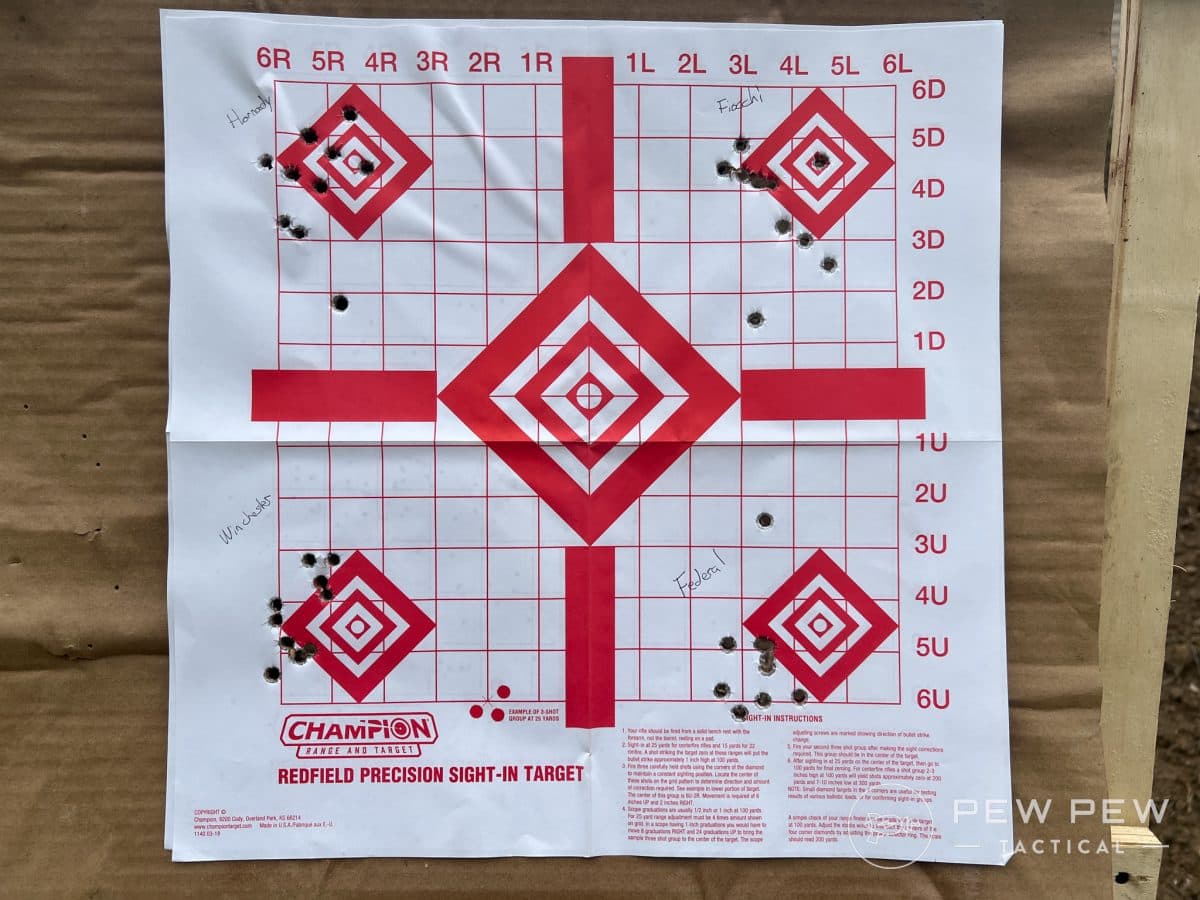
When shooting accuracy, I fired four 10-shot groups of different ammo from ten yards to see how the Bodyguard would perform. My groups were fairly consistent, but I also had fliers in three groups that resulted from me jerking the trigger.
My best group was 2.5 inches. That isn’t terrible, and the more I got used to the trigger, the fewer fliers I experienced. The shorter sight radius could be at play.
Another critical function I analyzed was reloading the Bodyguard 2.0. While this isn’t a problem I’d expect most people to have, magazines would often stay in the gun for me after I hit the release.
This was strictly based on the fact that the heel of my palm hangs out below the base pad and traps it in place. If I loosened my grip, I could experience normal function.
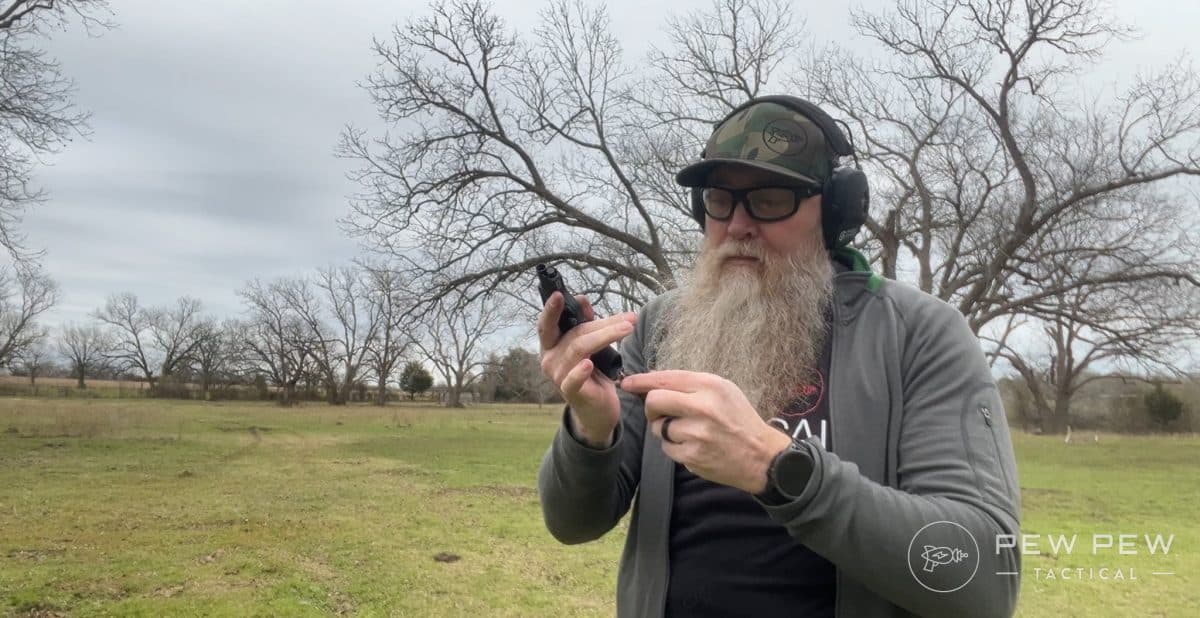
Otherwise, lockback, loading and reloading all functioned perfectly normally. Reliability on the whole was great, but it didn’t start out that way.
During my first outing with the Bodyguard 2.0, I had several occasions when the trigger would break, but the pistol would not fire. I was able to find a small stick and place it down the barrel to test the firing pin.
For whatever reason, the firing pin was only deploying intermittently. I’m not sure what caused this, but the second gun functioned perfectly in all respects.
.380 ACP Ammo in Stock
Who Is the Smith & Wesson Bodyguard 2.0 For?
A number of people might enjoy Smith & Wesson's Bodyguard 2.0 for various reasons.
First and foremost, small to large-handed shooters will appreciate the ergonomics and ability to conceal.

This series of guns also has a long history tied to law enforcement, whether as a main weapon (revolver) for detectives or as a backup gun for other officers. I wore a Bodyguard revolver on my ankle for years of uniformed service.
This gun is a great combination of small meets utility. It’s still effective enough to be used defensively but can be concealed just about anywhere.
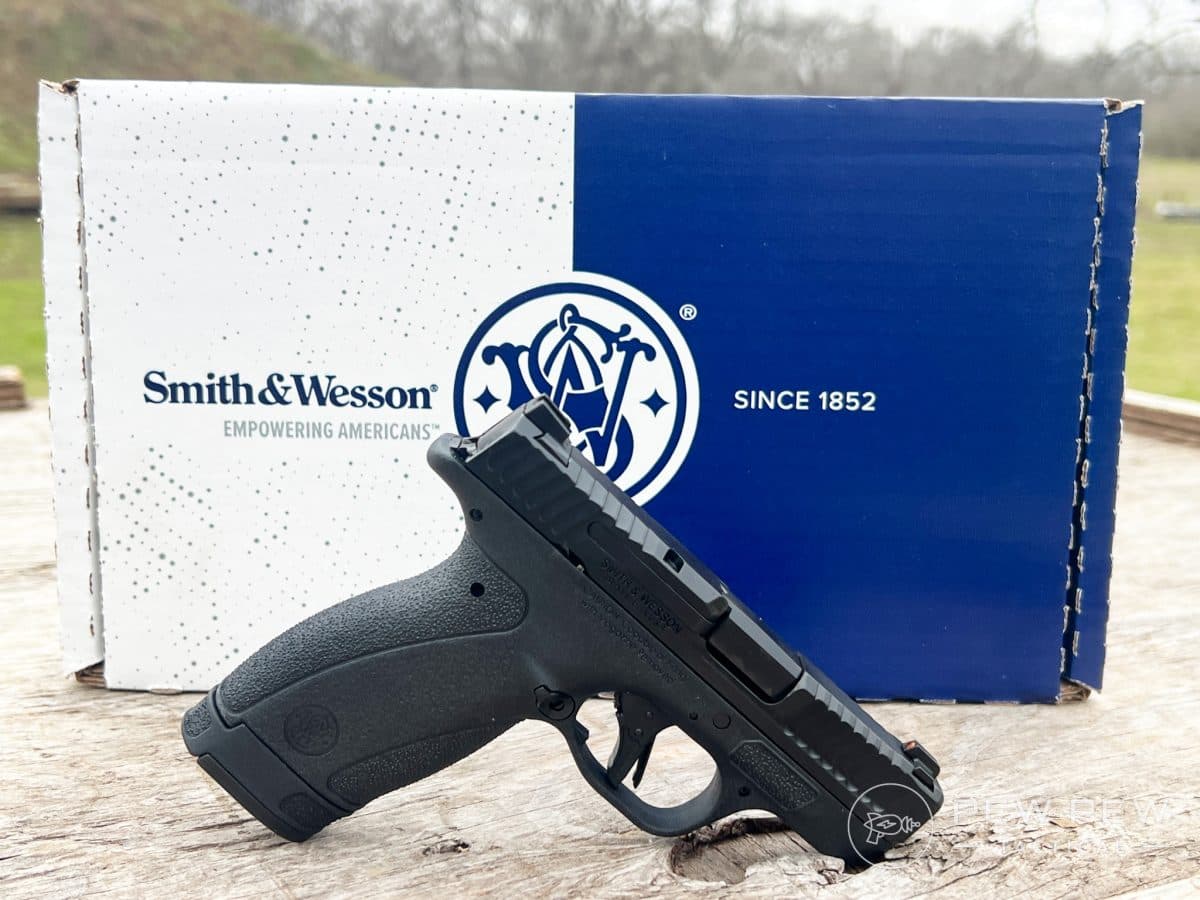
The upgrades Smith & Wesson applied to the Bodyguard, such as trigger refinements, slide serrations, and sights, greatly improve its overall usability without affecting its size.
In short, anyone wanting a micro-compact for personal defense should check out the Bodyguard 2.0.
By the Numbers
Reliability: 3/5
As mentioned above, our first test gun had an issue with the firing pin not consistently deploying. However, Smith replaced it quickly, and the second gun ran flawlessly.
Ergonomics: 4/5
Despite being very small, the Bodyguard 2.0 has good ergonomics that should work for a fairly wide range of hand sizes.
Accuracy: 3/5
With a shorter sight radius but good trigger, I assembled some decent groups at ten yards.
Customization: 2/5
The Bodyguard 2.0 is purpose-driven as a concealment pistol. There is no rail for accessories and no ability to mount a red dot, plus adding extended magazines would defeat that purpose.
Value: 3.5/5
Compared to other micro .380 pistols like the G42, the Bodyguard 2.0 has improved features and ergonomics at a comparable (sometimes better) price of around $400.
Overall: 3/5
Upgrades & Accessories
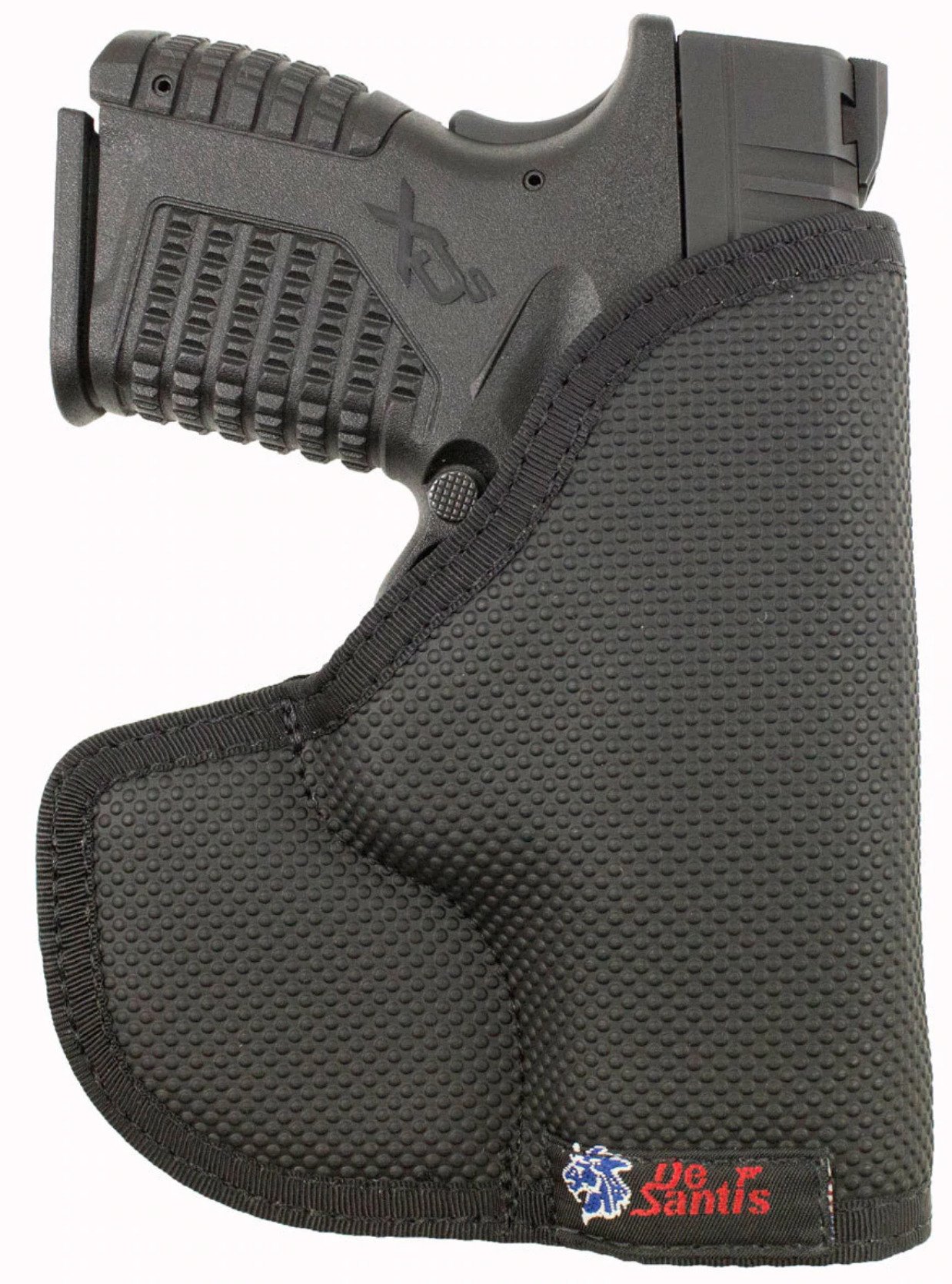
While we will be the first to suggest alternative methods for carry, a pocket gun lends itself to well... pocket carry. Just don't do it without a holster!
Stock up on mags too while you're shopping!
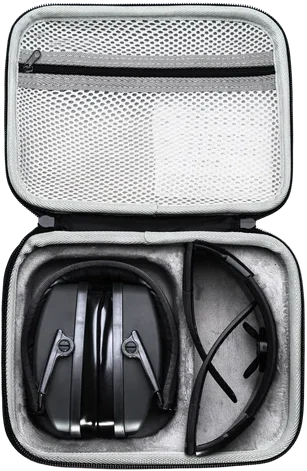
You'll definitely want to spend some time on the range with the Bodyguard 2.0 and make sure it cycles your favorite ammo. Do it safely and in style with some pro gear from ShellShock!
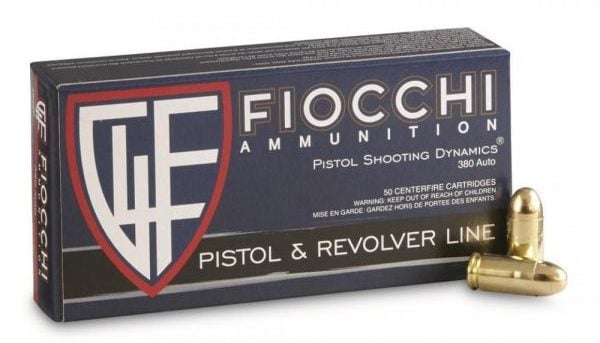
We ran Fiocchi through the Bodyguard 2.0, and it cycled fine while providing good accuracy.
FAQs
How We Tested the Smith & Wesson Bodyguard 2.0
For this review, we tested the Smith & Wesson Bodyguard 2.0 with iron sights only, shooting 10-round groups at 7 yards.
We went through 300 rounds of ammunition, using both practice ammo. Ammo included:
- Fiocchi 95gr FMJ
- Independence 90gr FMJ
- Winchester 95gr T-series
- Hornady Custom 90gr XTP
- Federal Premium 90gr Hydra-Shoks
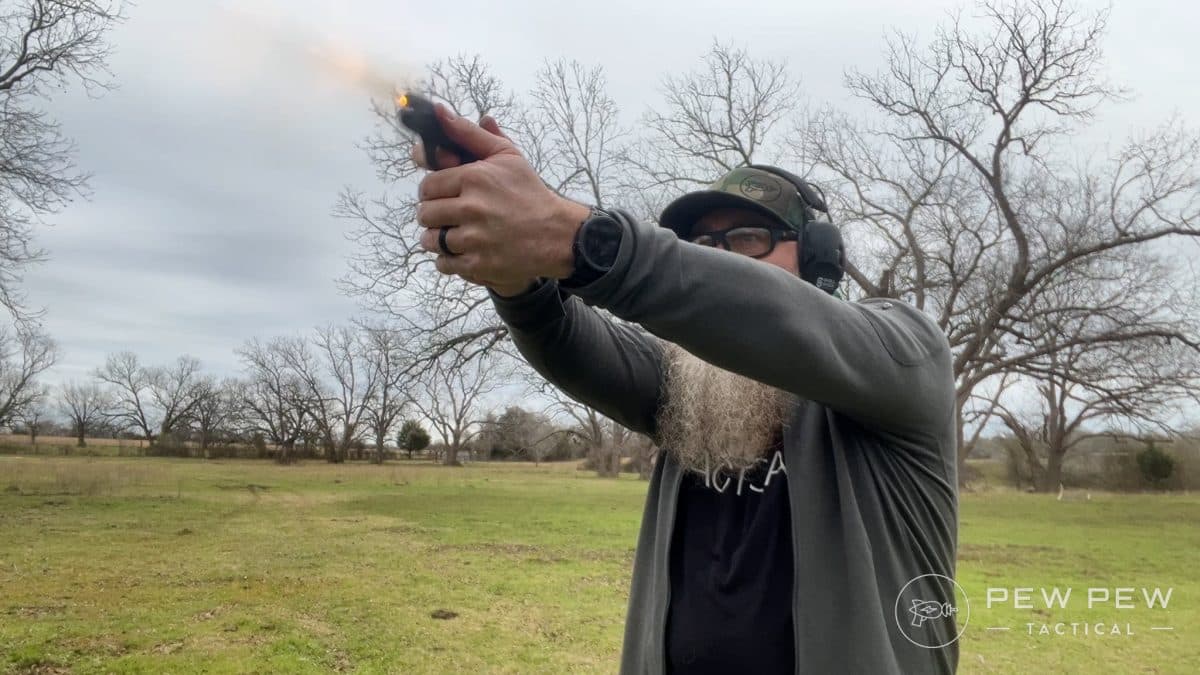
We also tested the trigger on the Bodyguard 2.0 with a Lyman Digital Trigger gauge to get an accurate assessment of the actual trigger pull weight.
Meet the Experts
At the helm of this review was Pew Pew Tactical Content Producer Sean Curtis. Sean has been shooting since childhood but really began to delve into guns more during his law enforcement career. He spent over two decades in law enforcement, where he became a POST-certified handgun instructor and NLEFIA Red Dot Instructor and received CLEFIA Advanced Firearms Instructor Training and AR-15 armorer training. He has since attended a variety of training, including Tactical Performance Center Handgun Mastery & Carbine Mastery, and earned USCCA rifle instructor certification. Aside from training and prior to joining the Pew Pew Tactical team full-time, Sean wrote for several gun publications evaluating and testing guns and gear and has written hundreds of articles.
This review was edited by Editor-in-Chief Jacki Billings, who runs Pew Pew Tactical’s experienced team of reviewers. Jacki is a member of the Society of Professional Journalists, ACES: Society for Editing, and the Professional Outdoor Media Association and has her bachelor’s degree in Mass Communications. She has worked as a media professional for close to 20 years, specializing in gun media for almost 10 years, and has worked as an editor for five years. She uses her extensive professional journalism and editing experience to set testing protocols and editorial standards.
Final Verdict
While the first Bodyguard 2.0 we took out experienced a problem with the firing pin, the second one experienced zero reliability issues. In fact, it performed really well for such a small gun.
The ergonomics are sound, the accuracy is decent, and recoil impulse shouldn’t be too much to handle for most shooters. If you’re looking for a pocket pistol, a backup gun, or just a tiny pistol you can conceal about anywhere, the Bodyguard 2.0 is a solid choice.