.223 vs 5.56 NATO vs .223 Wylde: Will Your Gun Blow?
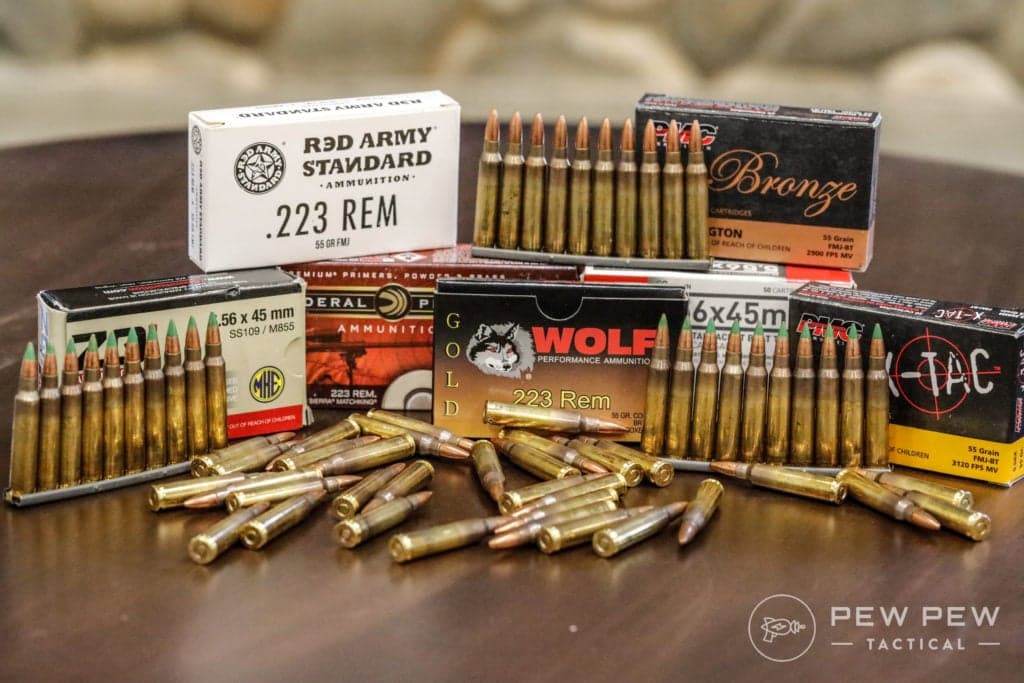
Want to quickly know the difference between .223 vs 5.56 and potential safety concerns? We cover both plus .223 Wylde so you'll know the best for your gun.

Professional writer & editor. Competitive shooter. Hobby-level gunsmith
We review products independently. When you buy through links on our site, we may earn a commission to help support our testing. Learn more.
What’s the difference between .223 Remington and 5.56x45mm NATO?
Do you know?
They’re basically the same right...or are they? Will my gun blow up if I get it wrong?
You might be thinking about purchasing or building an AR-15, or even a bolt-action or single-shot rifle in one of these calibers and find yourself understandably confused.
Worry not, we’re here to help.
It turns out .223 Remington, 5.56x45 NATO, and even the oddball .223 Wylde have a lot in common, but the differences are important.
So, let’s talk about it. We'll run you through the calibers and what sets them apart. Ultimately, you'll have a better understanding of .223, 5.56, and .223 Wylde.
Table of Contents
What is Safe, What Isn't?
So What’s the Actual Difference?
In a word...pressure.
Or at least the possibility of pressure.
The .223 Remington was designed as a civilian cartridge. But, when the U.S. military showed interest in it and after NATO started testing it, they increased the pressure of the cartridge to improve reliability in the newly designed AR-15.

As with many things, it's what’s on the inside that counts.
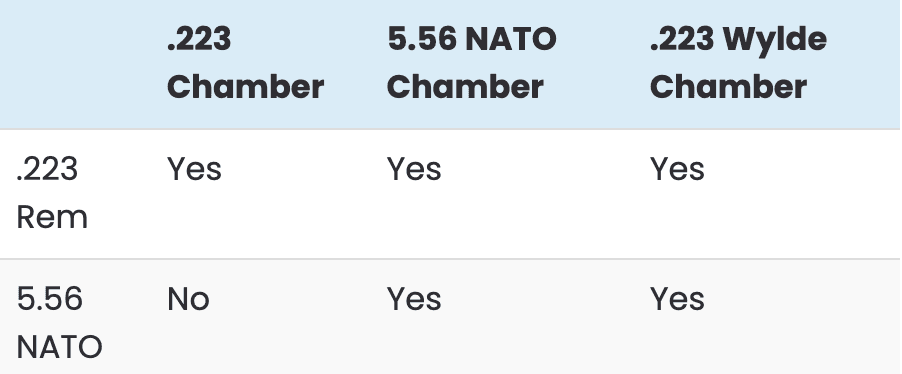
Even though the case and projectiles may be identical, the pressure difference between .223 and 5.56 NATO makes it inadvisable to shoot the 5.56 NATO out of a .223 chamber.
In a .223 chamber, the 5.56 NATO round doesn’t have that extra room to stretch its legs. Thus it starts building pressure sooner.
The increased pressure creates unsafe pressures, which can cause catastrophic failure.
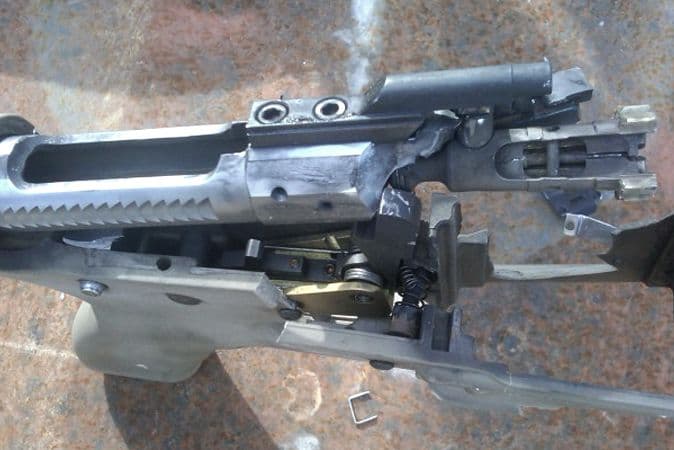
I don’t know about you but “catastrophic failure” isn’t a phrase I want to be associated with my firearms.
Going the other way, a .223 in a 5.56 NATO chamber is 100% safe -- just not as quite accurate as .223 ammo in a .223 chamber.
Choosing Between the Two
In years past, you had the option of getting an AR-15 in either .223 Remington or 5.56 NATO from most of the major builders.
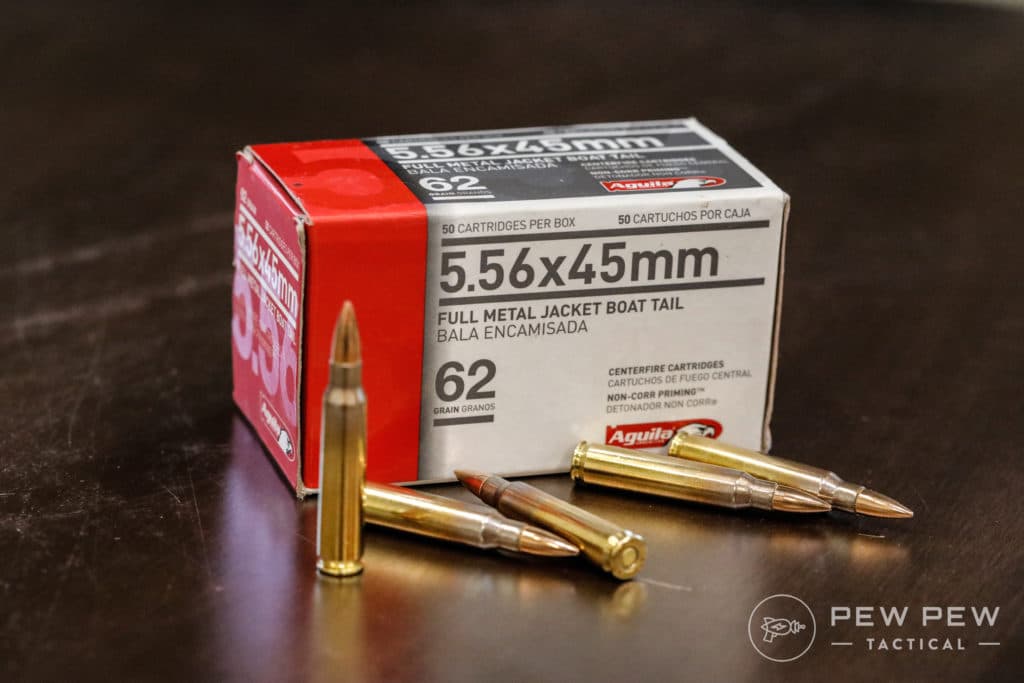
But these days, basically every AR-15 on the market will be in 5.56 NATO or some other cartridge entirely like 6.5 Grendel, .300 Blackout, etc.
If you want a .223 Remington rifle, you'll normally have to go the bolt-action route or get a barrel for your AR separate from the rifle.
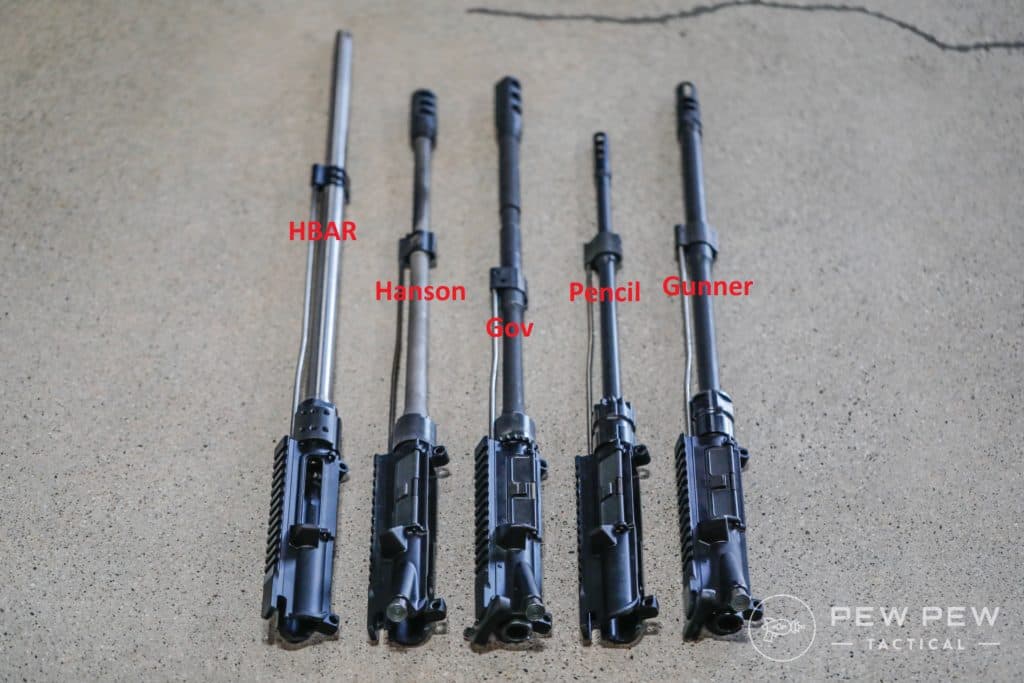
But, why would you do that?
Accuracy.

If you want a REALLY accurate rifle, then .223 is the way to go. But the applications for this rifle are normally limited to punching paper and sometimes hunting varments.
For the vast majority of people, an AR-15 in 5.56 NATO is going to be the gold standard.
.223 Wylde: Best of Both Worlds
It really shouldn’t have taken as long as it did for somebody to look at the .223 chamber, look at the 5.56x45 chamber and go “Hey, you know what? I can make one version that’s better than both of them.”
Bill Wylde looked at the two chamberings and came up with a Goldilocks design that truly is the perfect middle-ground.
He designed a chamber with the leade angle and external dimensions of the 5.56, but the leade diameter of the .223.
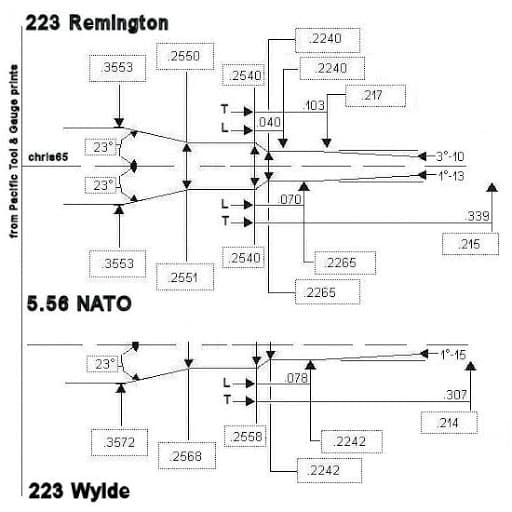
This gives you a chamber where the gas expansion is tight and controlled because of the smaller leade diameter of the .223. But also one you can fire 5.56 through because of the 5.56-style leade angle and length.
In practical terms, this means that both 5.56 NATO and .223 Rem ammo perform equally well in the .223 Wylde chamber.
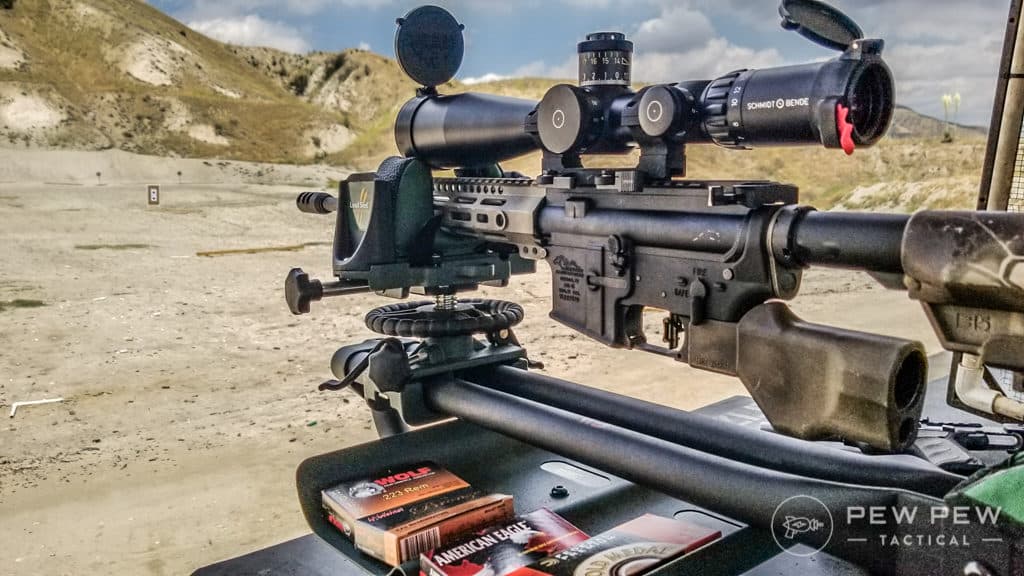
That said...the juice isn't really worth the squeeze.
Yes, .223 Wylde is more accurate than 5.56 NATO. And yes, it can fire both .223 and 5.56 NATO completely safely.
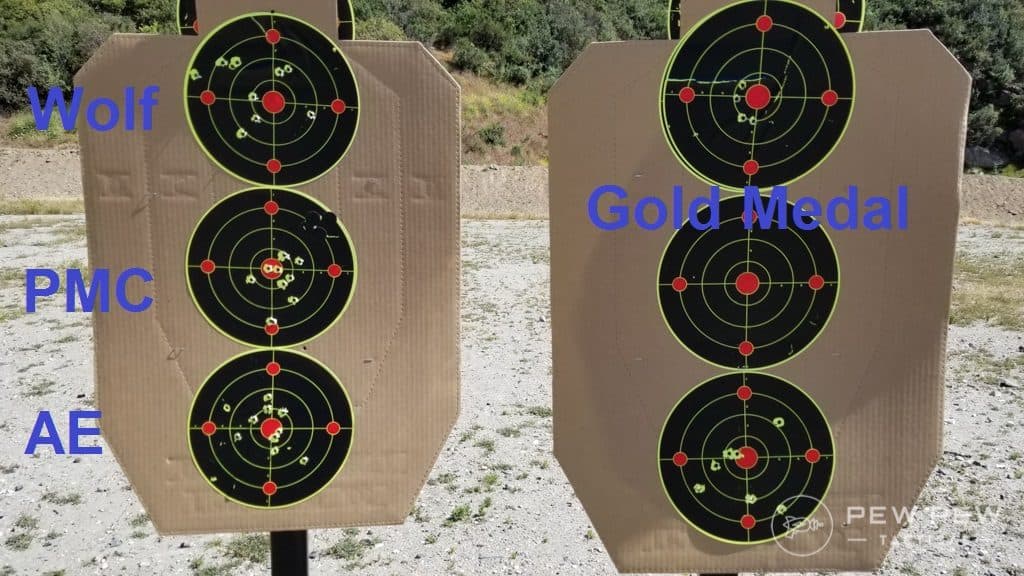
But with the ability to create sub-MOA AR-15s in 5.56 NATO, the accuracy gain presented by using .223 Wylde really isn't very much.
And almost never worth the price hike you'll normally pay.
Best .223 Remington and 5.56 NATO Ammunition
First off, there is no such thing as .223 Wylde ammo. It's a chamber...not a cartridge. (Like the blinker fluid of the AR-15 world...)
With that out of the way, these are some great ammo choices for you that DO exist!
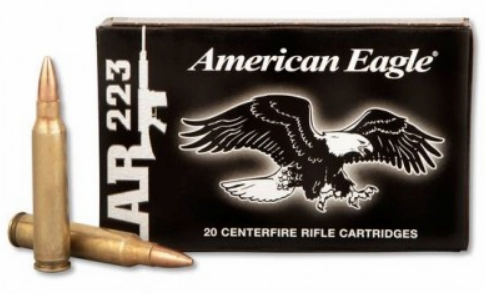
1. American Eagle XM193 55-grain
A great 5.56 round that is the classic 55gr ammo, perfect for plinking, training, or taking a class with.
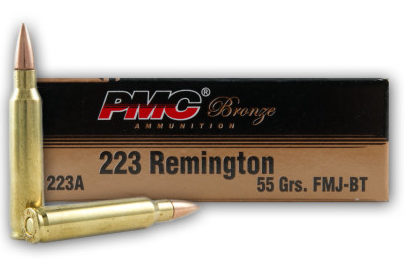
2. PMC Bronze .223 55-grain
Good quality .223 ammo, still plinking ammo but also good when reliability is important.
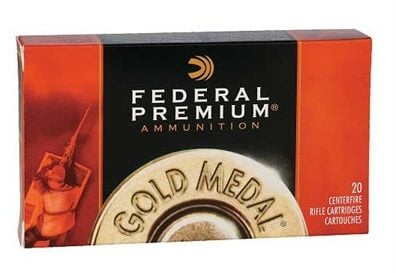
3. Federal Gold Match 69-grain
Need .223 that is accurate? Federal Gold Match has you covered. They know how to make accurate ammo while still keeping the prices reasonable.
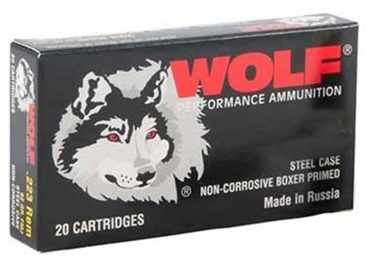
4. Wolf .223 Polyformance 55-grain
This is the truly budget stuff.
The steel-cased ammo isn't allowed at all ranges so check the rules before bringing it out the first time. That said, it always goes bang (for us at least) and is dirt cheap.
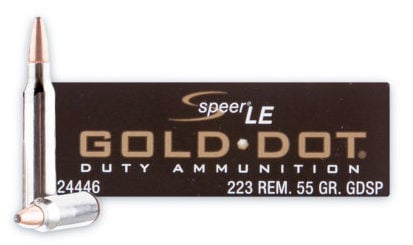
5. Speer Gold Dot Duty .223 55-grain
Speed Gold Dot Duty is a gold standard in defensive ammunition, this is what we load in most of our home defense AR-15s.
Conclusion
Hopefully, we answered all your questions about the differences between .223 Remington, 5.56x45 NATO, and .223 Wylde.

I know it's confusing at first, especially if you’re new to the debate, but this should give you get you started when choosing the best chambering to meet your needs.
Or you can do what I did and pick up one in each flavor and call the debate settled.
What's your preference in the .223 Rem vs. 5.56 NATO vs. .223 Wylde debate? Also, now that you know what chamber you want, take a look at our AR-15 Buyer's Guide to choose your rifle!