.300 Blackout (BLK) vs. 5.56: What’s Best For You?
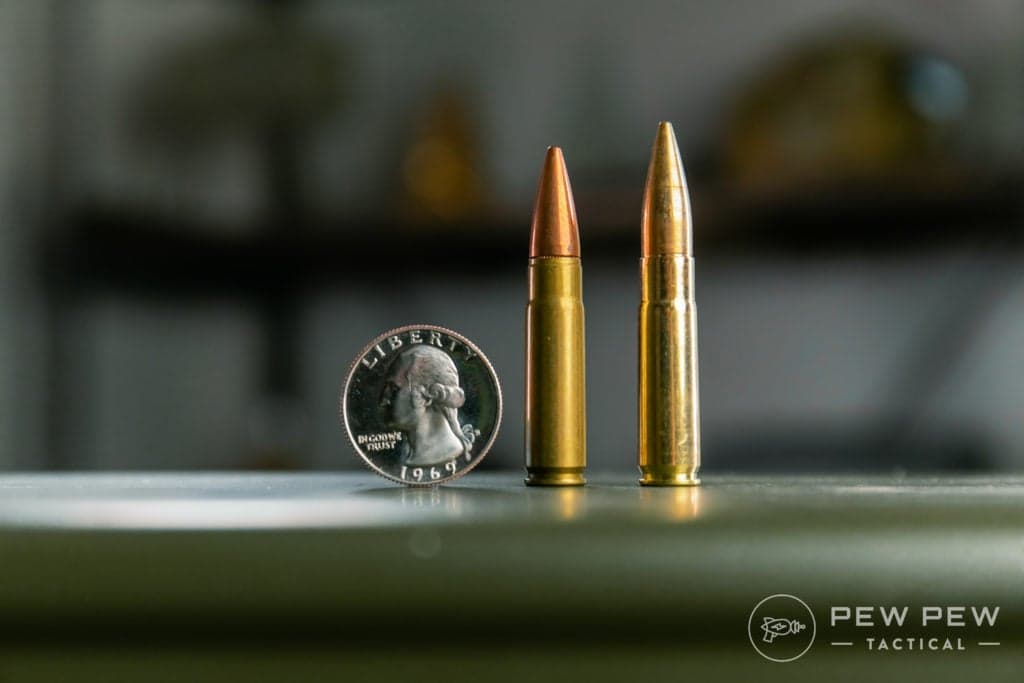
Thinking of going .300 Blackout? Find out how it compares to the 5.56 in ballistics and knockdown power.

USMC Veteran. Concealed Carry & NRA Pistol Instructor. 3-Gun Competitor. Career firearms writer
We review products independently. When you buy through links on our site, we may earn a commission to help support our testing. Learn more.
Time to cut through all of the chatter.
The .300 Blackout (BLK) has been called everything from the 5.56 killer to the black mamba.
Designed by Advanced Armament Company as a replacement for the MP5SD, a 9mm sub-machine gun favored by special ops, it had to have more power, same sound level, and compatibility with the M4/AR-15.
The .300 BLK did exactly that...and gave civilians a serious upgrade for the AR-15.

But should you consider an AR or upper chambered for .300 BLK? What are the pros/cons?
We'll walk you through the ballistics, cost, and real-world power of the .300 BLK vs 5.56/.223. And then if you want more...we have our standalone articles on the best uppers, ammo, & even optics.
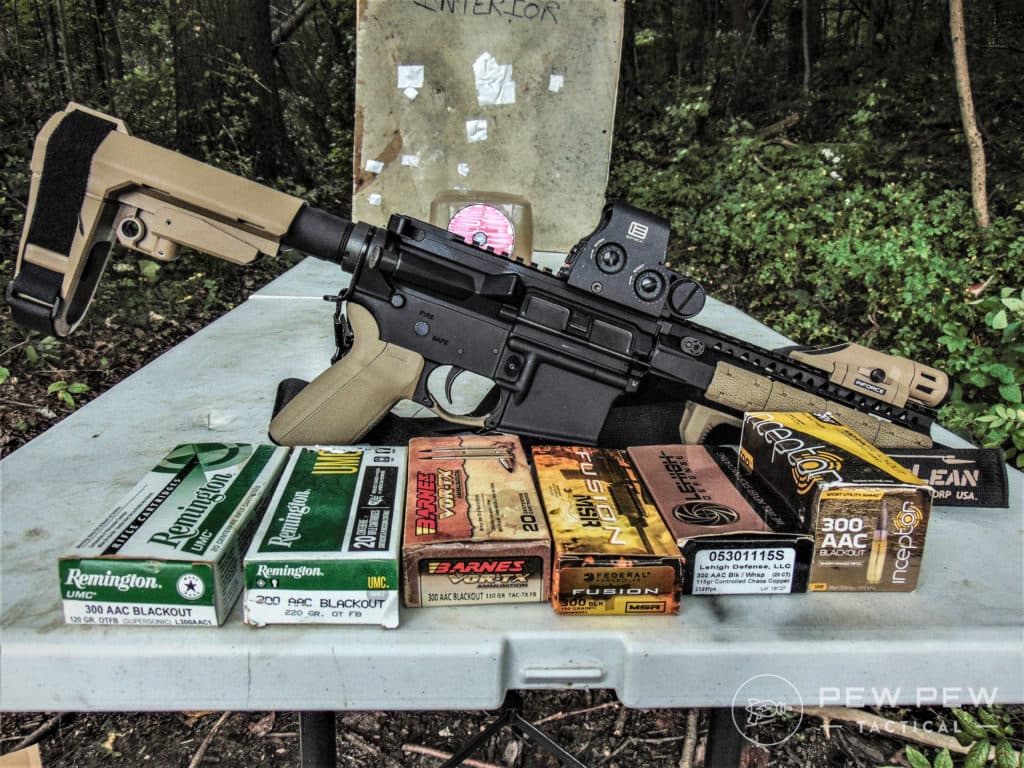
So, if you've ever caught yourself pondering the .300 BLK...keep reading.
Table of Contents
.300 BLK History
The .300 BLK has its origins in the .300 Whisper, a round designed...as the name suggests...to be shot suppressed.
The case is formed by stretching out the case of a 5.56mm NATO and trimming it down slightly.
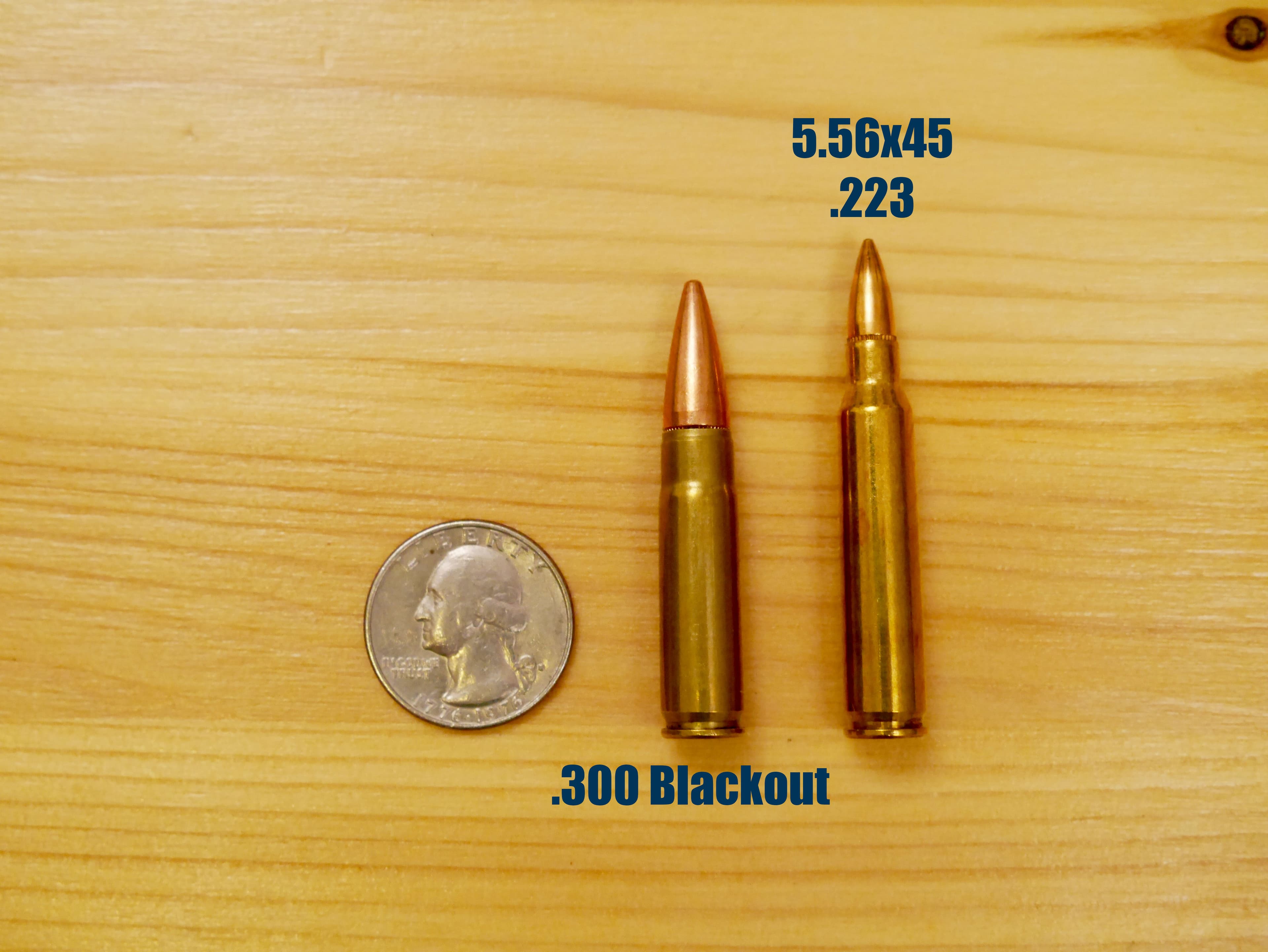
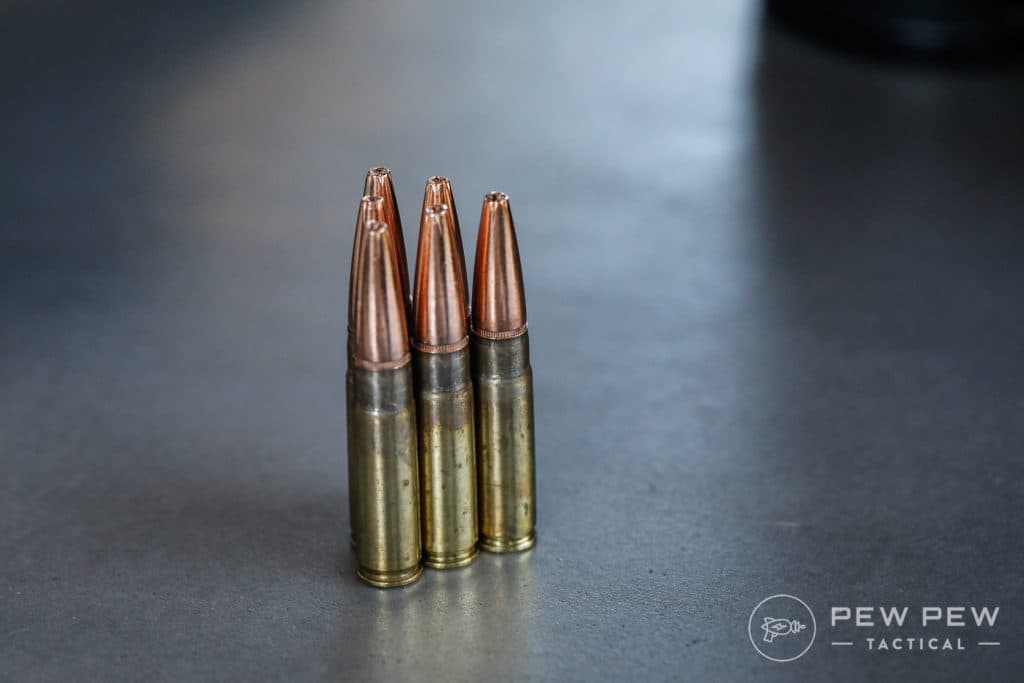
It is then stuffed with fast-burning powders and any number of bullets weighing from 110 to 220-grain.
Voila!

What you have now is the ultimate short-range thumper that will feed both supersonic and subsonic ammunition and get its full ballistic potential (complete burn of the powder) from a 9-inch barrel.

The .300 BLK is really what two long protracted wars in the Middle East have taught us about the modern gunfight.
You need a hard-hitting, short, light, and quiet, gun that will own 0 to 300 yards.
The AR-15/.300 BLK combo does this markedly better than the 5.56 NATO.
Why You May Want a .300 BLK Upper/Rifle
The .300 BLK has easily been the most successful new caliber in the last 20 years.
Besides the easy conversion between 5.56 and .300 BLK, the .300 BLK does a lot the 5.56 can’t.
First off, it’s a very versatile load with projectiles weights ranging from 110 grains to 220 grains.
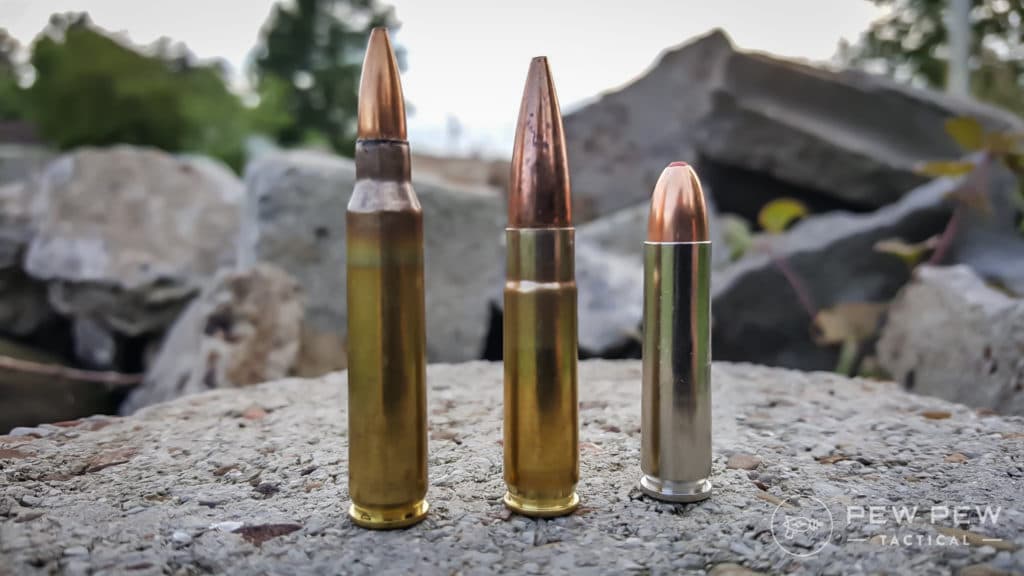
The 110-grain rounds are supersonic, and the 220 subsonic.
A subsonic round is much easier to suppress, and much quieter when suppressed. The .300 BLK also reaches peak ballistic potential from a 9-inch barrel.
The 5.56 requires a 20-inch barrel to reach peak ballistic performance.
.300 Blackout vs. 5.56 NATO
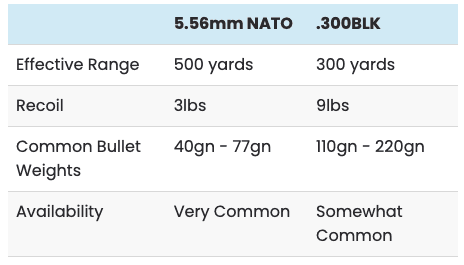
Strengths & Weaknesses
Both .300 BLK and 5.56 NATO are intermediate-class rifle cartridges for target shooting, hunting, home defense, and plinking.
The 5.56 is half the cost of 300 BLK and is available in more high-end loading suitable for precision rifle fire.
It also shoots flatter, experiences less recoil, and ammunition weighs about 40% less.

The .300 BLK offers a wider range of projectile choices, thanks to the .30 caliber bore, burns its full potential in a 9-inch barrel, and is a much better choice for hunting.
It also has the ability to cycle both super and subsonic ammunition without modification.
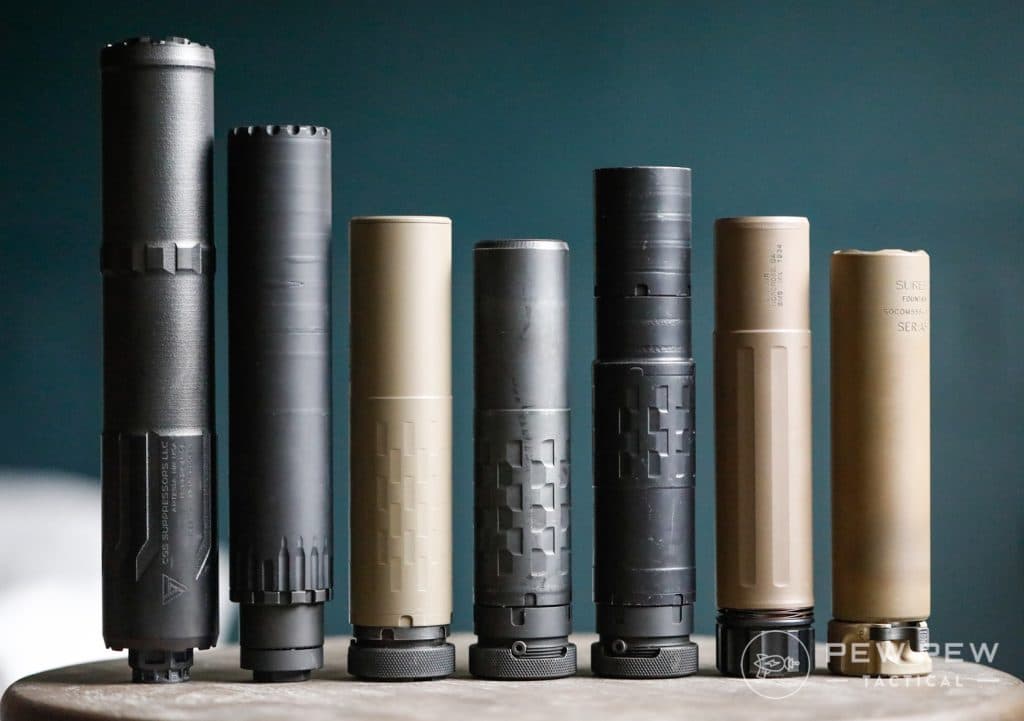
The .300 BLK also shows its strengths when short-barreled rifles and silencers are involved.
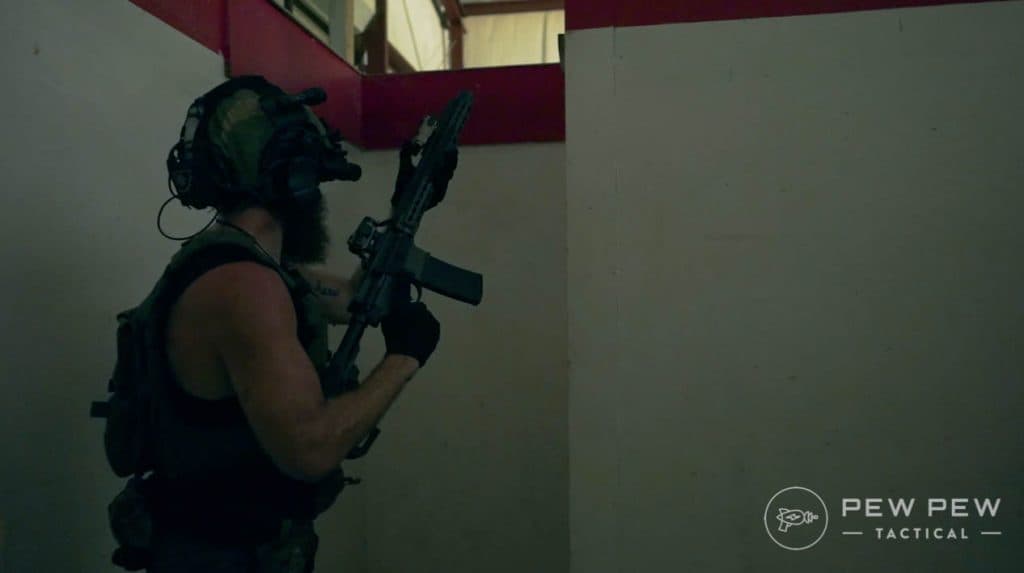
For a duty rifle that will conduct CQB work, this cartridge is a godsend.
Exterior & Terminal Ballistics
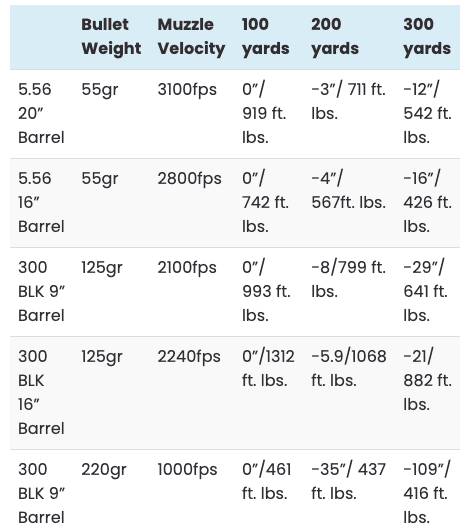
In the table above you can see the compared ballistics of both the .300 BLK and the 5.56 NATO.
It shows the barrels that the cartridges were designed around...20-inches for the 5.56, 9-inches for the .300 BLK, and the most popular civilian barrel length of 16-inches.
Exterior Ballistics
Exterior ballistics are the qualities associated with how a projectile flies through the air -- wind drift, bullet drop, and zero range all fall into this category.
You can see above that the 5.56 is significantly flatter than the .300 BLK in flight. This is due to a faster velocity.
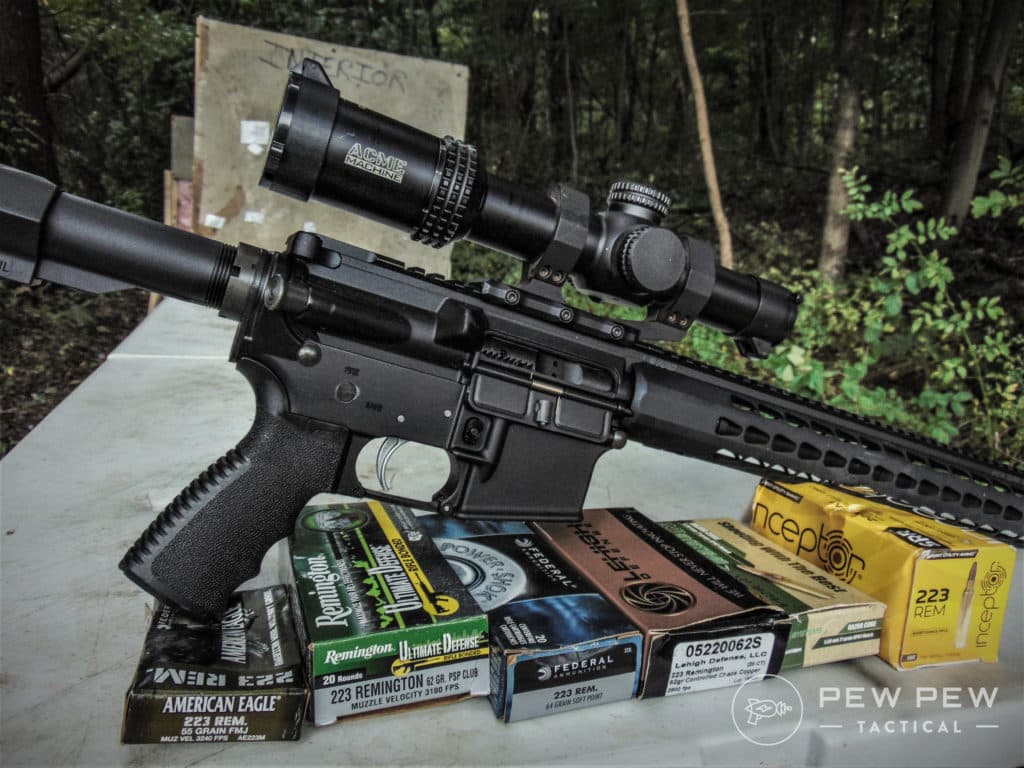
The .300 BLK uses bullets with a higher ballistic coefficient but isn’t moving fast enough to take advantage of its sleeker projectiles.
This is why the 5.56 shoots flatter and with less wind drift despite having almost half as much energy.
Terminal Ballistics
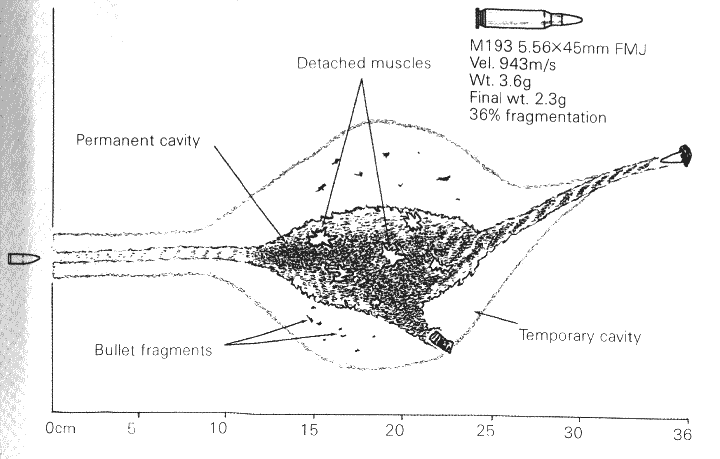
Terminal ballistics of a round are the qualities it has when it hits the target.
The round's sectional density, the relationship of its mass and its weight, its ability to penetrate rather than fragment, and the wound channel it creates due to its bore size are all the study of terminal ballistics.
It’s important to note that while energy numbers can give you an idea of power, it’s only a single data point.
To the untrained observer, the .300 BLK seems to have the edge in terminal ballistics.
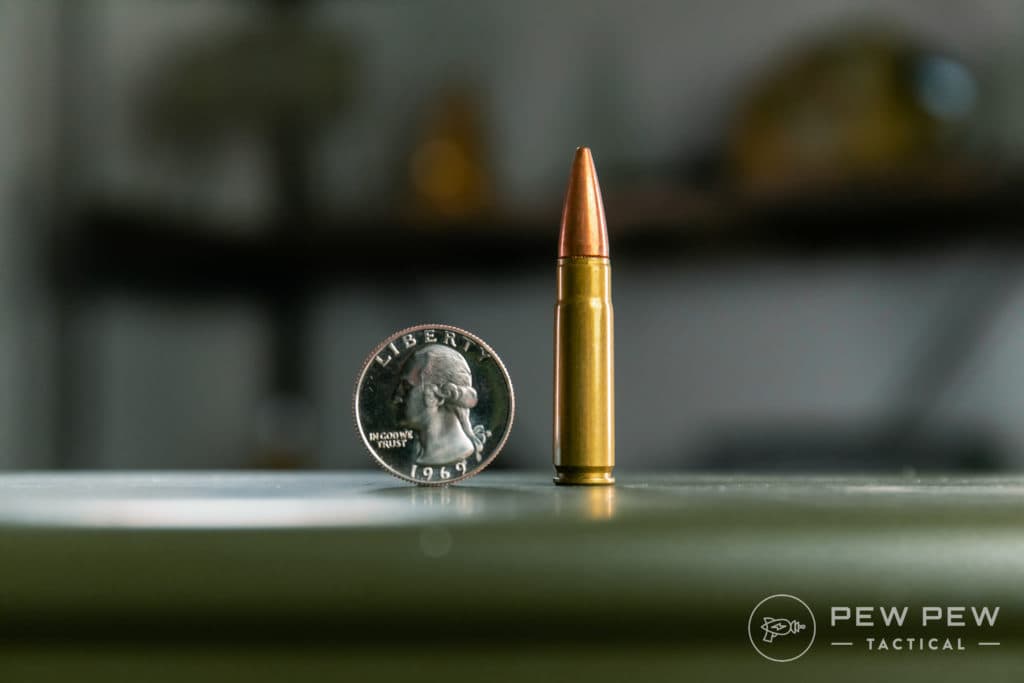
The stouter bullets, with more mass of a larger caliber, seem to be the more effective round.
While the .300 BLK does have slight obstacle defeating capabilities it isn’t markedly better in performance than the 5.56 with the correct loading.
Modern bullet design is closing the gap between calibers and making the smaller bores more and more effective.
Additionally, the 5.56mm NATO was designed to break up, tumble and flip end over end when it encounters a target.
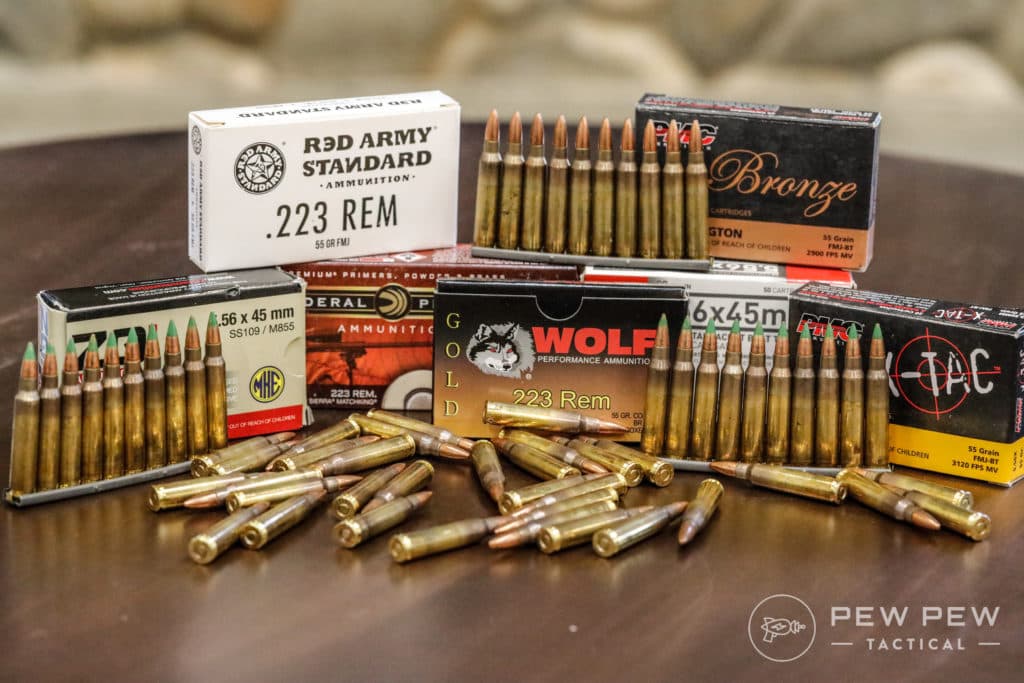
This is called high-velocity projectile fragmentation and deformation.
As far as a clear-cut winner goes...it entirely depends on what you want from the round.
General Shooting
Target shooting, training, or informal plinking, shooting is just plain fun.
It can get expensive so go with 5.56 NATO.
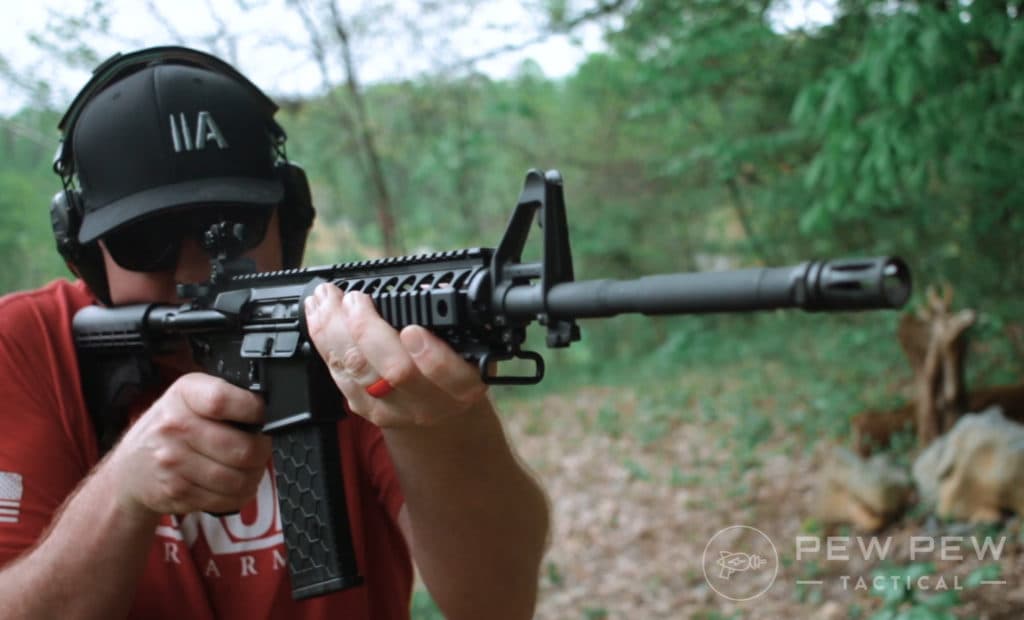
The .300 BLK’s benefits just aren’t needed when all you’re doing is punching paper.
Look for bulk cheap 5.56mm and use it. You can always switch to .300 BLK when the time comes.
Home Defense
Your home is your castle and for keeping the peace you should walk softly and carry a rifle.
.300 BLK and 5.56 both have their pros and cons and what's best for one person, may not be the best for another.
The best selling point for .300 BLK is that it can be used with a suppressor and a short barrel -- both of which are great for home defense.
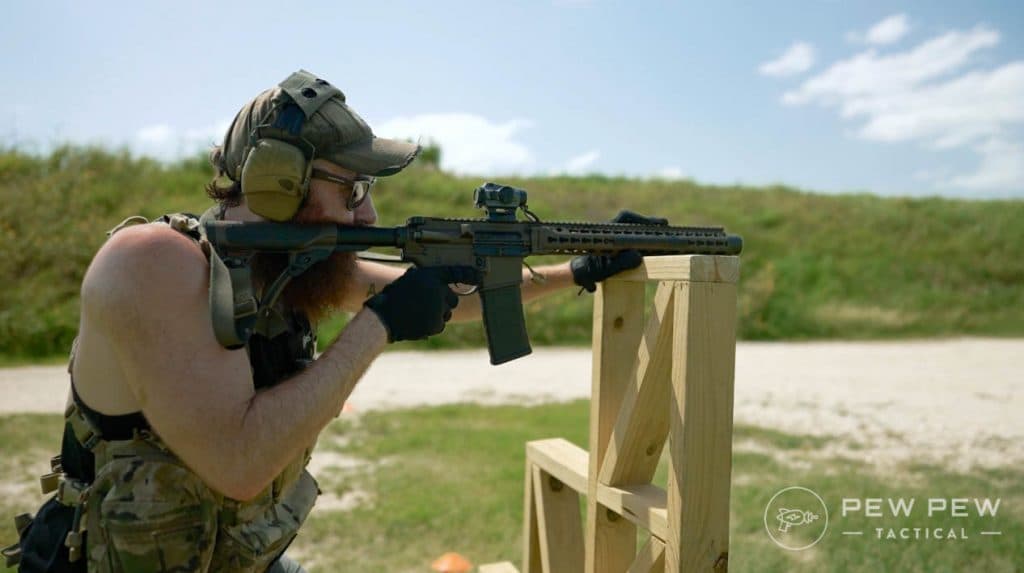
A short barrel makes it easier to move around your home and a suppressor protects you and your loved ones' hearing.
That said, a major downside to .300 BLK in home defense is they have a lot of barrier penetration. Meaning that if you miss (or even if you do hit your target) there is a very good chance those rounds will carry through the wall.
Over penetration makes .300 BLK a very poor choice for anyone living in an apartment.

On the other hand, 5.56 has poor barrier penetration (it will still go through several layers of drywall, but loses effectiveness much faster than .300 BLK).
So it might be a better fit for apartment living.
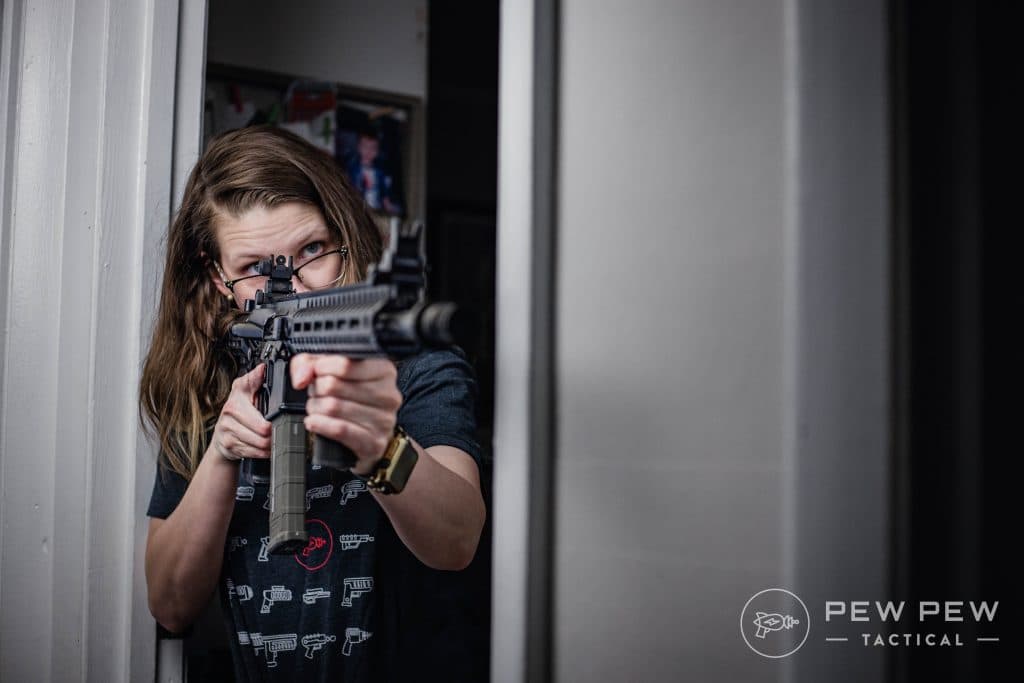
Hunting
With modern bullet designs, the gaps between the power of calibers are shrinking.
But what you're hunting and the range are the primary factors when choosing a hunting round.
If your quarry will include only small game, predators, or mid-sized deer at ranges inside 100 to 150-yards then go for the 5.56.
If you plan on hunting medium or large game -- such as deer, hogs, or smaller bears -- the .300 BLK is far superior.
The extra mass gives more reliable penetration than the 5.56. And the typical hunting ranges of these animals mean that the slight disadvantage of the trajectory is negligible.

However, if you're looking to hunt any game at distances greater than 150-yards or game larger than an above-average whitetail -- you should look at cartridges with a little more oomph to ensure ethical kills.
SHTF
Shoot both!
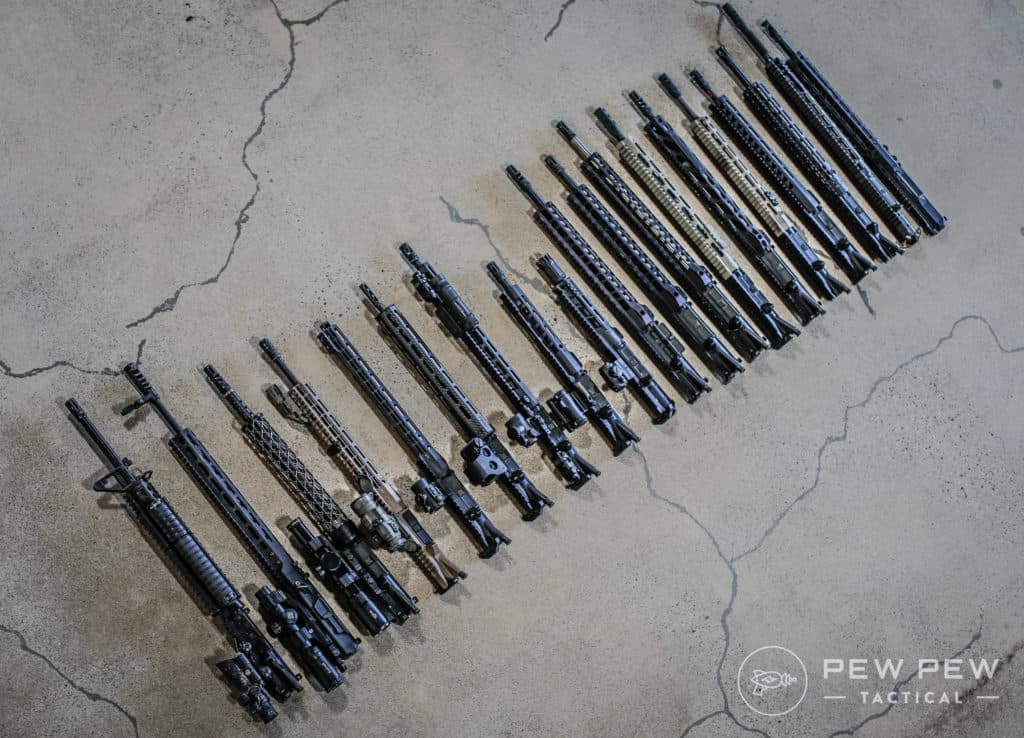
Uppers available for cheap online can make your weapons much more versatile.
Because the .300 BLK is derived from the case of the 5.56, all you have to do to switch caliber is change the barrel. In an AR-15 the best way to do this is to get a second upper receiver.
Keep all your mags, high-quality bolt, lower receiver, and take advantage of both cartridges.
.300 Blackout Safety
I do want to note one thing before you run out and get a new .300 BLK upper...you NEED to be careful when switching between uppers or even when you have a dedicated .300 BLK rifle and a 5.56 rifle.
.300 BLK can chamber in most 5.56 barrels, however, if you try to shoot it - your barrel (and sometimes more) will literally burst. Explosively.

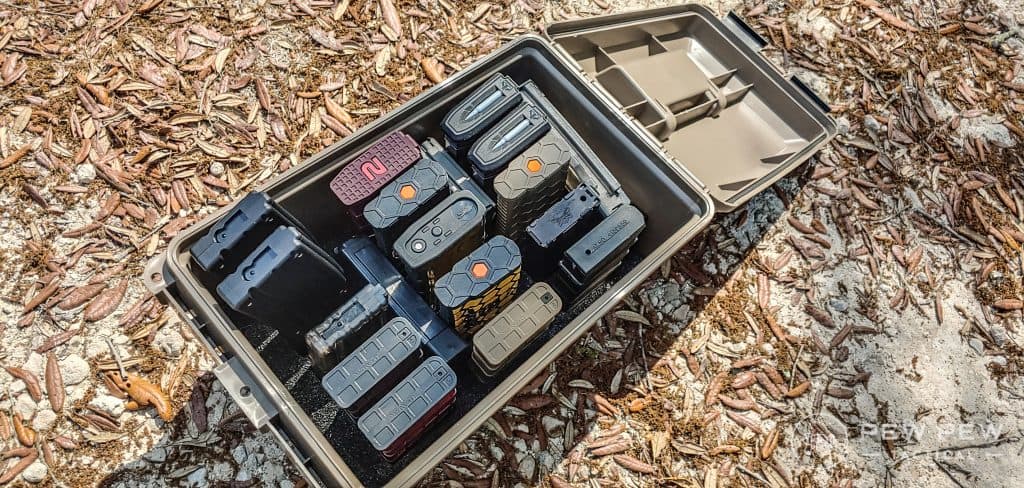
Make sure you keep ammo and mags separate.
Personally, I keep them organized by using different color mags -- FDE and black for 5.56 and Olive Drab for .300 BLK. I also double and triple-check things before loading a mag into the rifle.
Conclusion
The .300 BLK won’t ever supplant the 5.56 for the most ubiquitous AR-15 cartridge but it does have some key areas where it really shines.
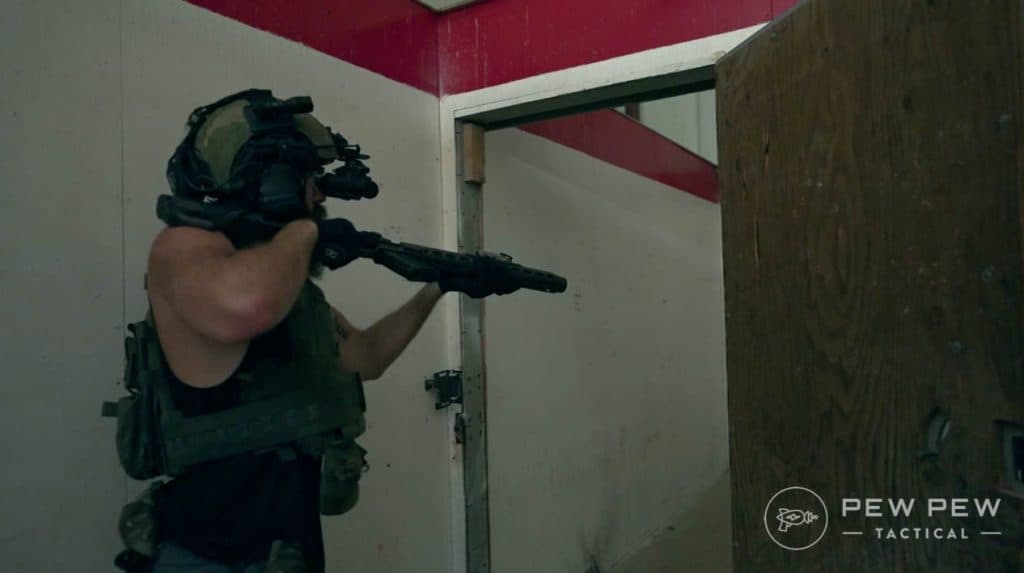
Most notably, it does great in CQB environments or alongside suppressors and can run on your existing AR-15 -- so long as you get a .300 BLK upper.
In short, we love the versatility of this cartridge.
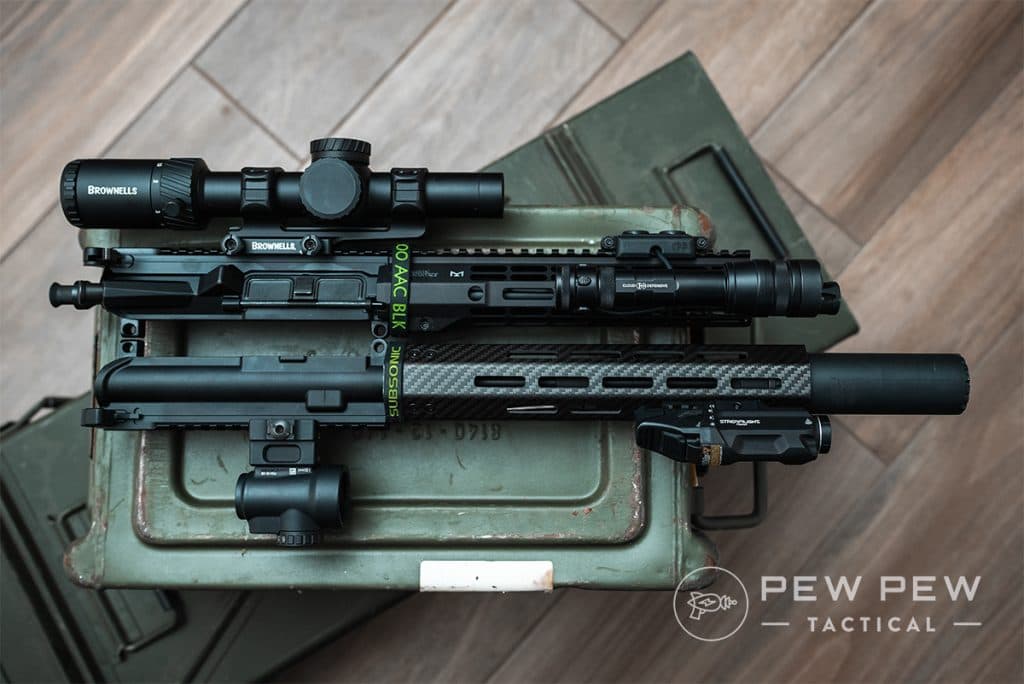
Does a .300 BLK make sense for you? We've got a lot more where this came from!