12 Common Concealed Carry Mistakes (And How to Avoid Them)
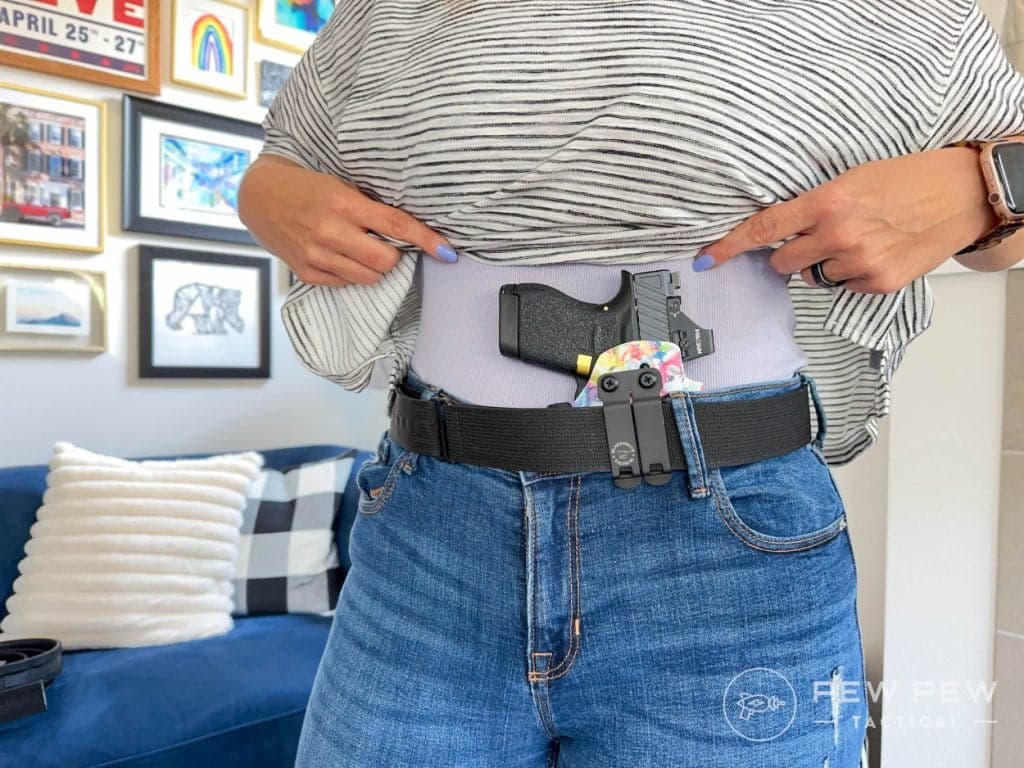
Do you carry concealed? Make sure not to make these mistakes! These are the lessons I learned the hard way from years of carrying and how to avoid them.

USAF veteran. Authored "Concealed Carry and Handgun Essentials for Personal Protection"
We review products independently. When you buy through links on our site, we may earn a commission to help support our testing. Learn more.
Do you carry concealed? What things do you think are the most important?
I can quickly think of 3 or 4 important things and related mistakes I made when I started carrying, but then my list suddenly began to expand. I ended up with 12 frequent concealed carry (CC) key mistakes I made.
Thankfully, I learned from these mistakes, errors, and omissions and maybe you can pick up something from them that may save you some time and maybe your hide.
Sometimes things become so routine and obvious to us that we overlook them, neglect them, or don't focus on them because they are so familiar.
Here are my basic CC mistakes and things I focus on, to help you not make the same ones. So benefit from my errors and mistakes on this list, so you can be more effective and safe when you CC.
12 Common Concealed Carry Mistakes
1. Not Having a Proper Mindset & Motivation
Carrying a firearm brings a lot of responsibility before and accountability after a deadly force shooting, so having a proper CC Mindset is extremely important. By "Mindset," I mean an established set of beliefs and attitudes that orients the way we individually behave and handle situations and problems.
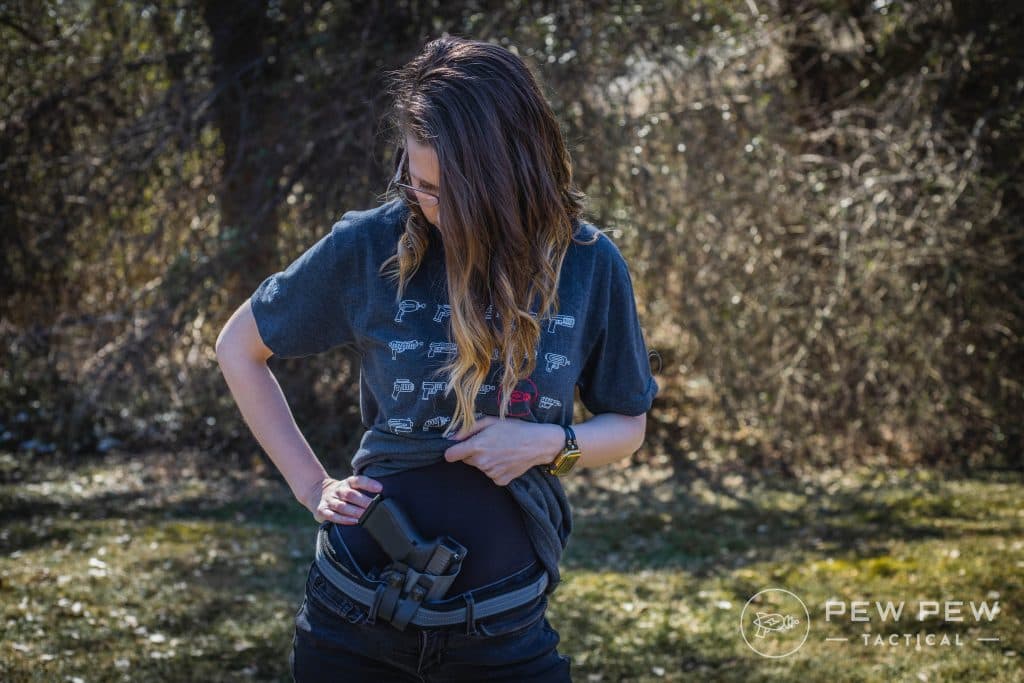
Those who carry must go out of their way to initially avoid conflict and confrontations.
To me, a CC mindset means that we must be disciplined with a controlled and mellow easy-going attitude. Most of us know that we have the gun skills and are motivated to protect ourselves and our families just in case trouble arises. We are prepared to respond in a deadly-force encounter, if the situation requires it.
But, we do not need to start the engagement to aggressively display our marksmanship expertise. We are not trying to show how good our gun skills are, to aggressively solve the world's problems, to right all societal wrongs, or to be the "police officer for society."

We are not carrying a gun to protect the community and all citizens, nor to be "cool."
Escaping , retreating, and avoiding a confrontation does not make you a wimp, a wussie, ineffectual, overly fearful, or a pansy!
This is not a sign of weakness, cowardness, or lack of skills, but rather recognition of the many varying factors that must be considered and our long-term priority to protect our lives and those of our loved ones.
The best way to "win" a gunfight is to avoid it all together.
2. Not Having Current & Complete Handgun Training
Your training should be comprehensive and include certain key topics, fundamentals, techniques, and safety. And they should be current and related to realistic CC situations you might actually encounter.
CC Training must include not only Marksmanship and proper gun handling, but also LEGAL and MORAL aspects of using a gun in self-defense.
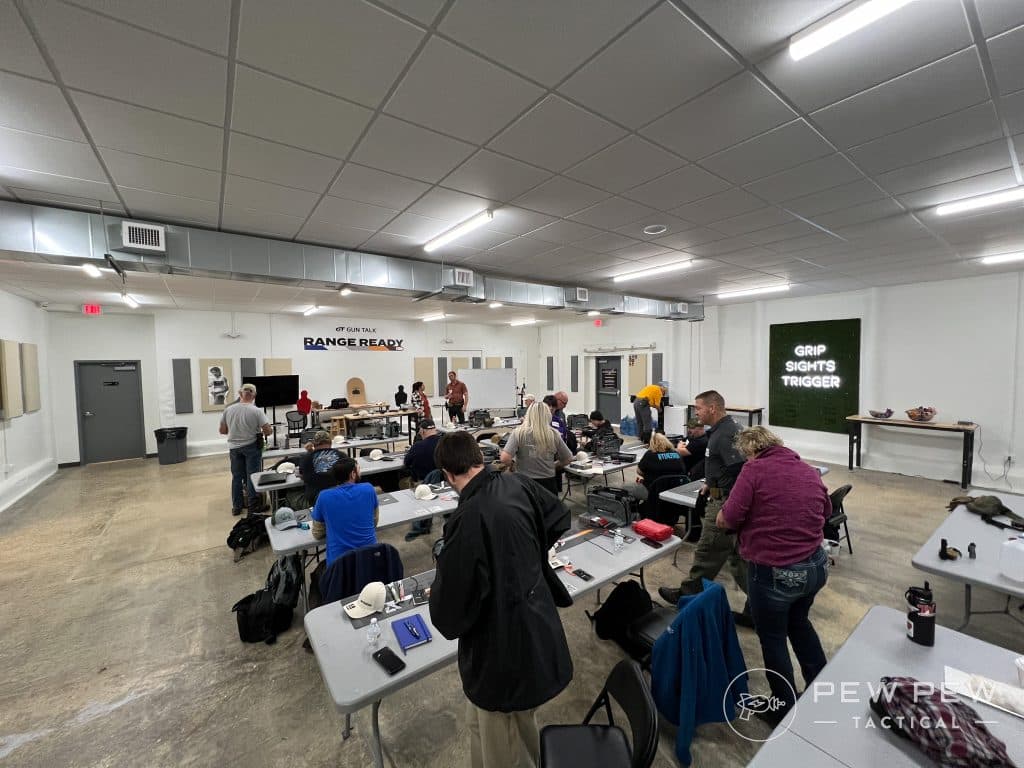
If the training you receive and the drills and repetitions you do in your practice are incorrect or incomplete, you will not be properly prepared and will embed the poor technique or incorrect fundamental into your subconscious memory. Under stress, we revert back to our training, so it's important that we strive for perfect practice.
Also, just because 5 years ago or so you received a solid basics course, techniques and methods improve and change, so you can learn something by attending a new fundamentals course as a refresher and update.
Find Pew Pew Tactical's reviews of some Online & In-Person Training Solutions.
3. Not Understanding Handgun Laws & Requirements In Your State & Jurisdiction
You must know for your state or jurisdiction legally when you can and cannot do regarding carrying a firearm.
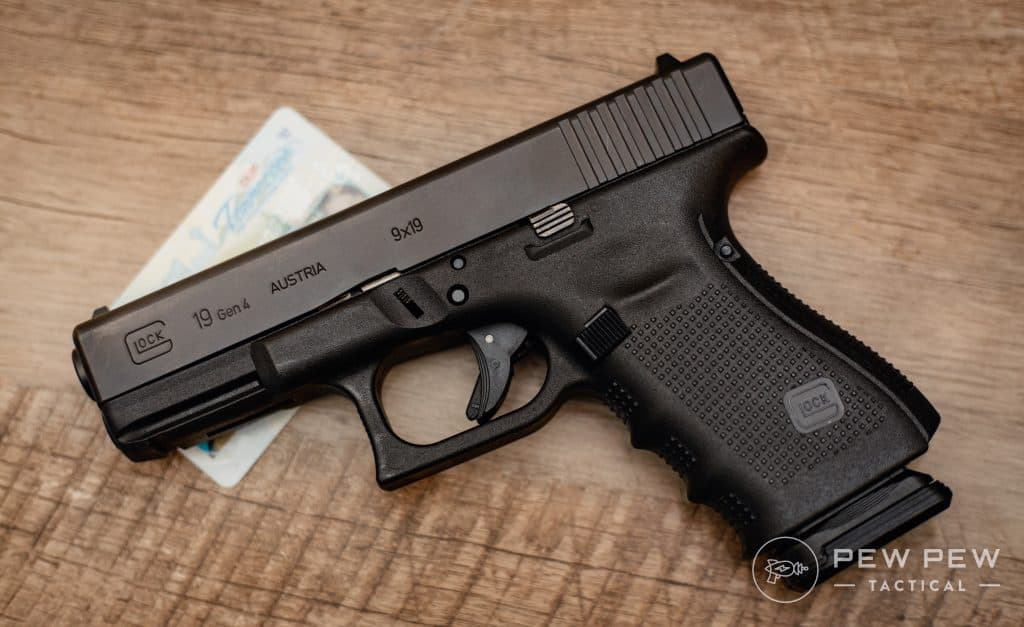
Regularly seek out current handgun LAWS and requirements for your state and jurisdiction from competent sources such as attorneys, local firearms instructors, or law enforcement. When researching applicable laws, use official websites for the jurisdiction.
Check out Pew Pew Tactical's Concealed Carry Laws by State resource.
4. Not Carrying Regularly
There are many reasons for someone not to carry their CC gun daily, after they took the time, effort, and expense to get a CC license/permit.
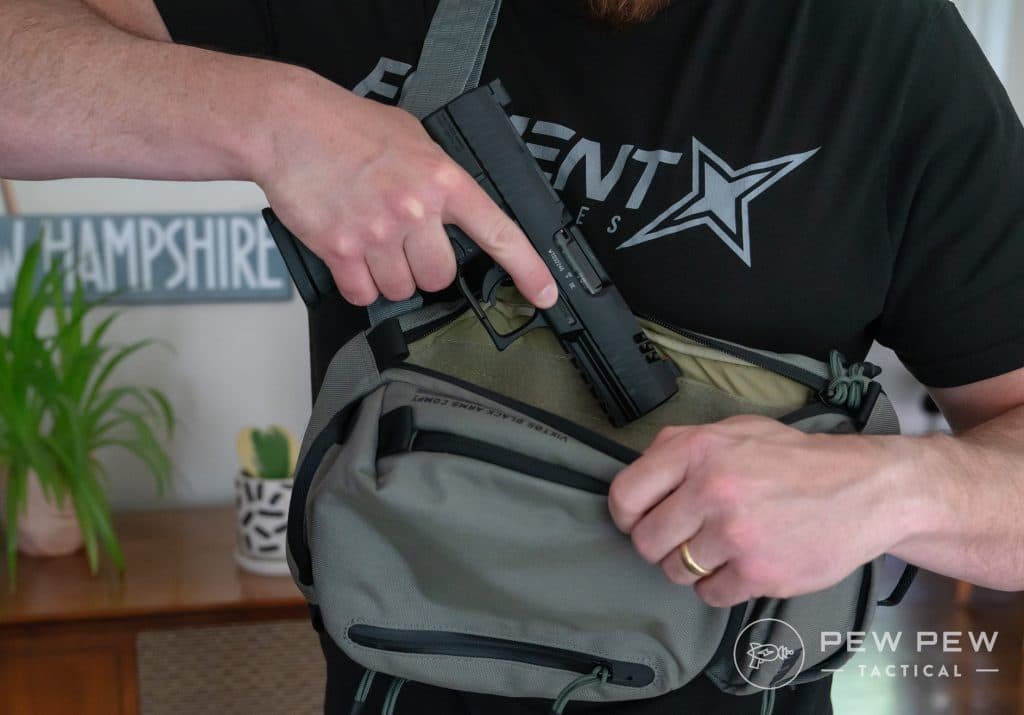
Why do some not carry all the time and only sporadically every now and then? Sometimes it doesn't work well with a particular outfit. Or maybe you can't carry at work or some other place you're frequenting.
I used to make this mistake. You never know when you will need your CC gun for an unexpected deadly-force encounter, so don't risk it.
We should carry all the time if we are legally permitted to do so.
5. Frequently Checking & Adjusting Your Carry Handgun
When I started carrying concealed, I was very conscious about where my gun was riding, if my shirt was properly covering it, if my pants were too tight to reveal the gun's outline, if my fat paunch accented my gun, etc.
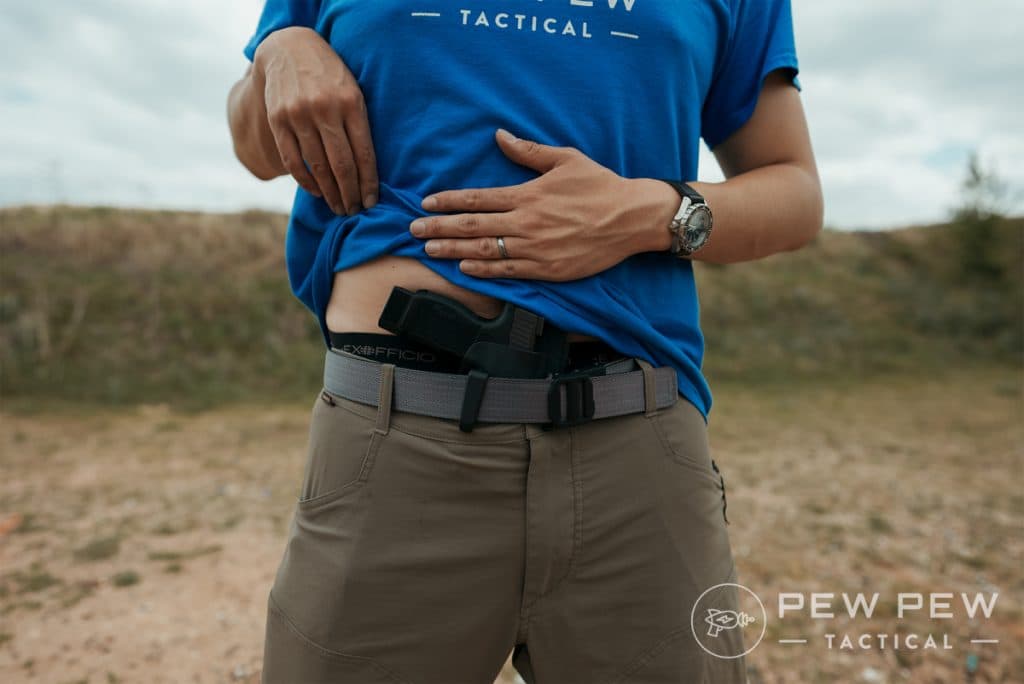
Then, I frequently kept adjusting, touching, and checking it. I would touch it through my shirt to see if it was properly positioned and still there. I would often move it around out of habit. After some time, I realized my mistake:
You can draw more attention to yourself and your concealed gun by touching, checking, and adjusting it often.
6. Not Practicing with Your Self-Defense Ammo & Carry Gun
Without any doubt, it is important to train and practice with the gun and ammo you will carry. The techniques and fundamental actions that you routinely and unconsciously perform in training and practice do influence your performance in actual self-defense and combat encounters.
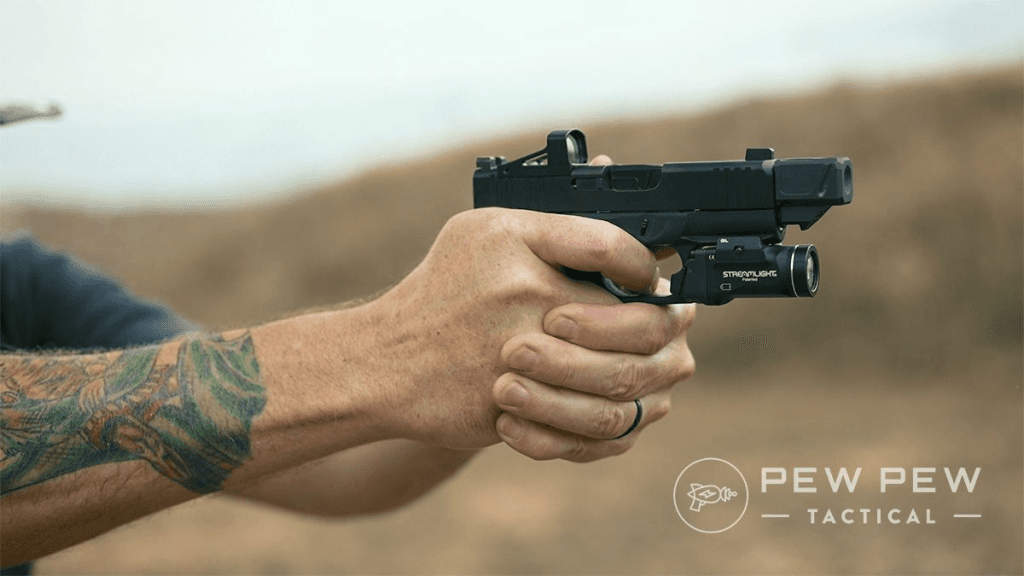
If you are not closely familiar with your gun, holster, ammo, and other accessories, how will you be able to operate and handle them successfully, smoothly, efficiently, and accurately in an emergency encounter?
7. Not Using a Proper Holster
It is important to use a quality-made custom holster from a reputable and proven manufacturer that is designed specifically for your carry gun, if you carry with a holster. I learned this lesson the hard way and now have 3 boxes of holsters. I do not use many of them.
A customized holster for your specific gun model will completely cover and protect the trigger from contact with outside objects, including your trigger finger.
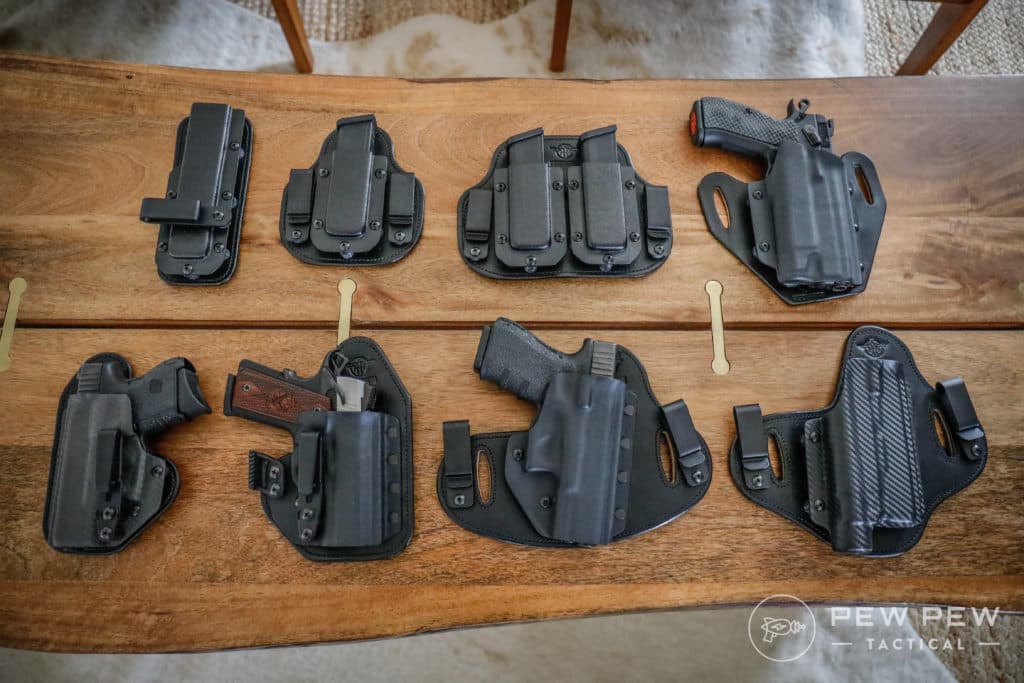
A properly-designed holster made specifically for your gun will retain the gun until you intentionally draw it. IWB holsters are usually more concealable, but also may be less comfortable. But they may also require a trouser and belt size adjustment to compensate for the added bulk.
An OWB holster is usually more comfortable, but also usually more difficult to conceal. You can make your carry gun very concealable, but sometimes at the cost of a much slower access and draw. Or you can have a faster access and draw, but with less concealability, giving up a major tactical advantage. A very personal decision.
Check out Pew Pew Tactical's picks for the Best Concealed Carry Holster.
8. Not Using a Proper Gun Belt
A gun belt is extremely important to properly support your handgun, especially when drawing and re-holstering it.
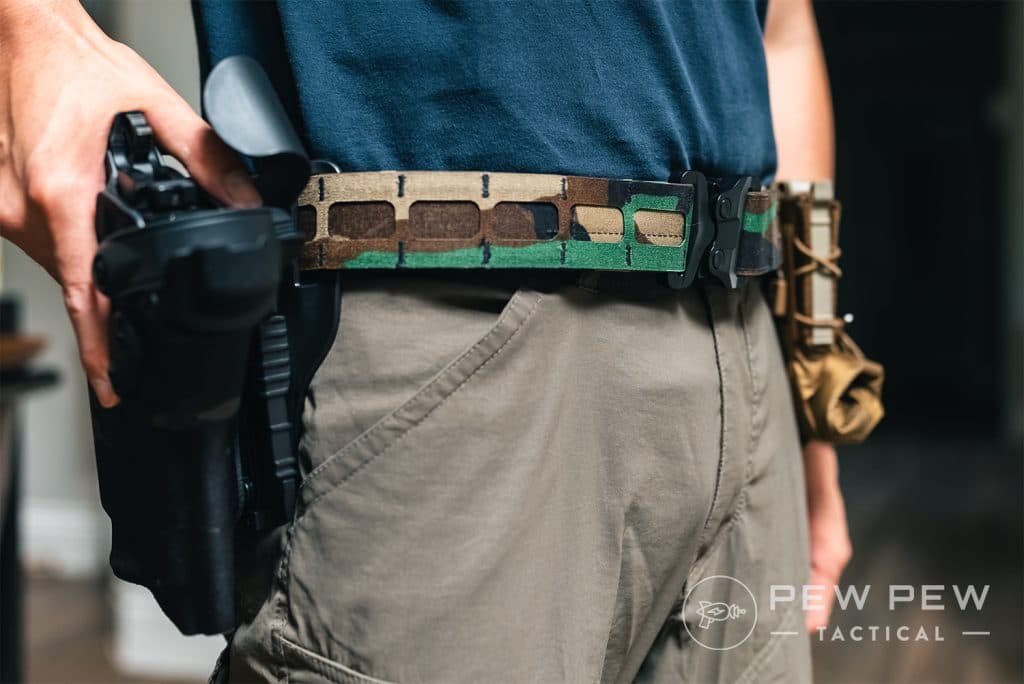
A rigid high-quality gun belt will help minimize movement of your gun, be strong and resilient for long-lasting durability, help distribute weight, and add to comfort.
Check out Pew Pew Tactical's Guide to Concealed Carry Belts.
9. Not Wearing Proper Clothing & Cover Garments
The climate, your job, lifestyle, daily activities, and your location have a significant effect on your CC clothing.

In some areas, you may carry the same way all year long, while in other locations, you may wear shorts and t-shirts in the summer and heavy coats and gloves in the winter. These differences can be frustrating and challenging, but you must adapt.
10. Not Being Totally Aware of Your Situation At All Times
Situational awareness is of critical importance for everyone at all times. This is simply knowing what’s going on AROUND YOU and knowing your SURROUNDINGS.
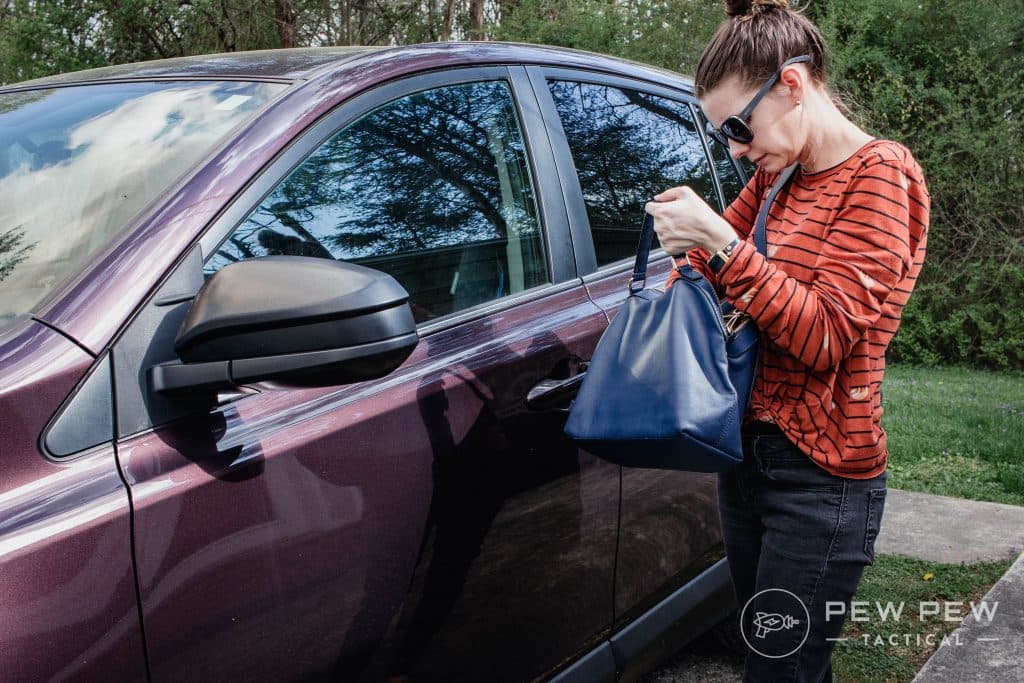
We should be cautious, practice observation, scan and assess our particular environment, and know the variables at play in each situation we encounter, even though it is very difficult to do so.
11. Not Frequently Cleaning & Maintaining Your Carry Gun
Regularly maintain and clean your CC gun. Honestly, I clean my gun after EVERY use, even if only shooting a box of 50 rounds.
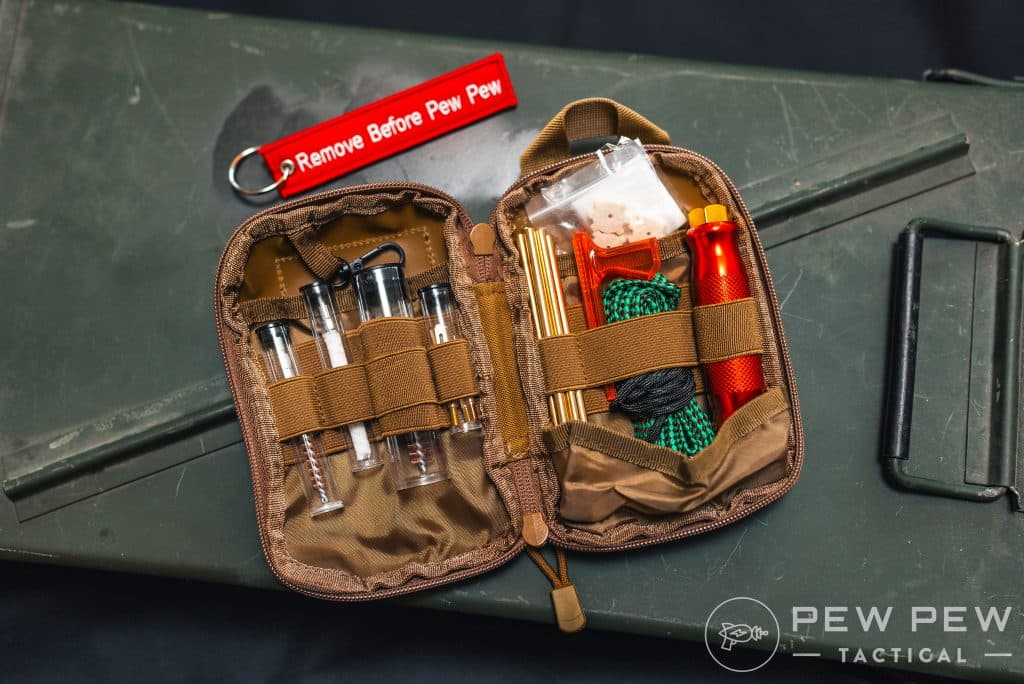
Check out Pew Pew Tactical's Guide to Cleaning & Lubricating a Firearm.
12. Not Regularly Practicing with Skill Drills & Snap Caps
Begin your CC training by analyzing your present shooting skills and where you need improvement. It is imperative to build positive and useful training and practice habits early. Not just shoot randomly at paper.
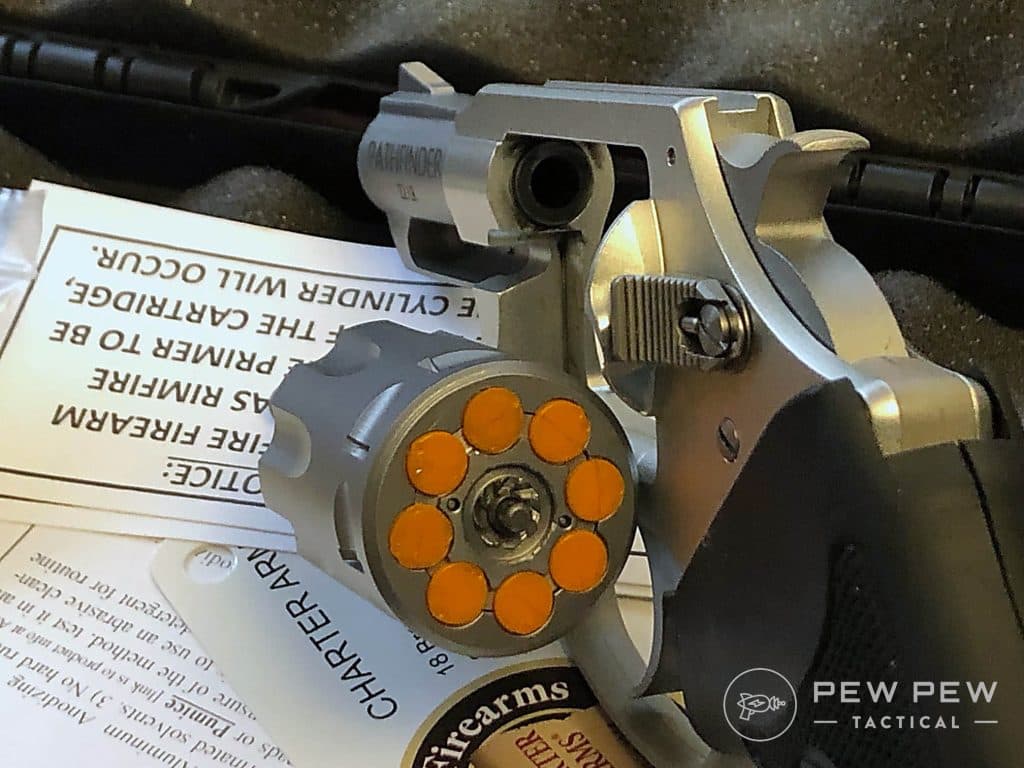
I believe shooters should review their training progress and skill areas on an annual basis and then design a practice plan with specific drills to help improve deficient identified skills or areas needing improvement. There is always something to learn or improve upon. My book has several fundamental skill drills to help.
Shooting fundamentals and skills are perishable and they deteriorate if not practiced.
So, you must practice on a regular basis. Check out Pew Pew Tactical's Guide to How to Shoot More Accurately. And also the Best Laser Cartridge & Targets for a more hi-tech training scenario.
Continued success! And be sure to check out Pew Pew Tactical's Concealed Carry resource for more tips.