
Glock Generations: Gen 3, Gen 4, Gen 5, Gen 6 [Guide]
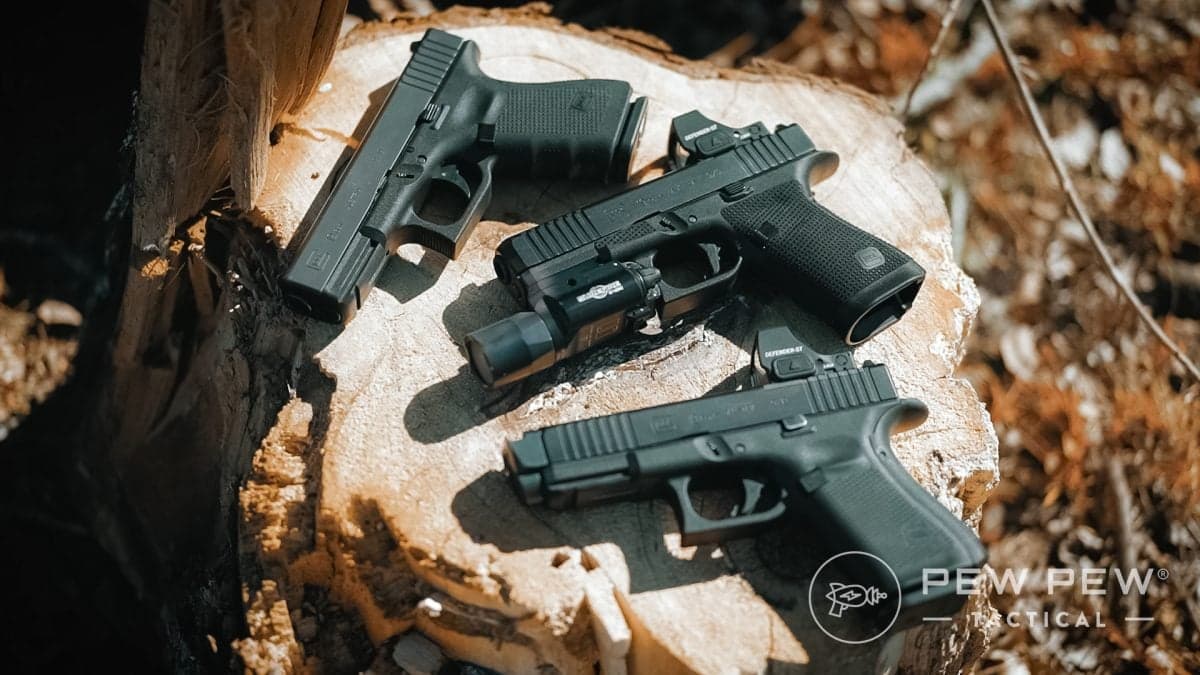
What's the difference in Glock Generations 1-5? We explore each of these generations and get to the bottom of what sets them apart.

USAF veteran. Competition shooter.
We review products independently. When you buy through links on our site, we may earn a commission to help support our testing. Learn more.
It is no secret that Glock is an industry giant. They supply pistols to law enforcement, government agencies, and militaries worldwide, in addition to their massive civilian sales.
Although they weren't the first to develop a polymer handgun, Glock was the first to achieve widespread market success with a polymer pistol.
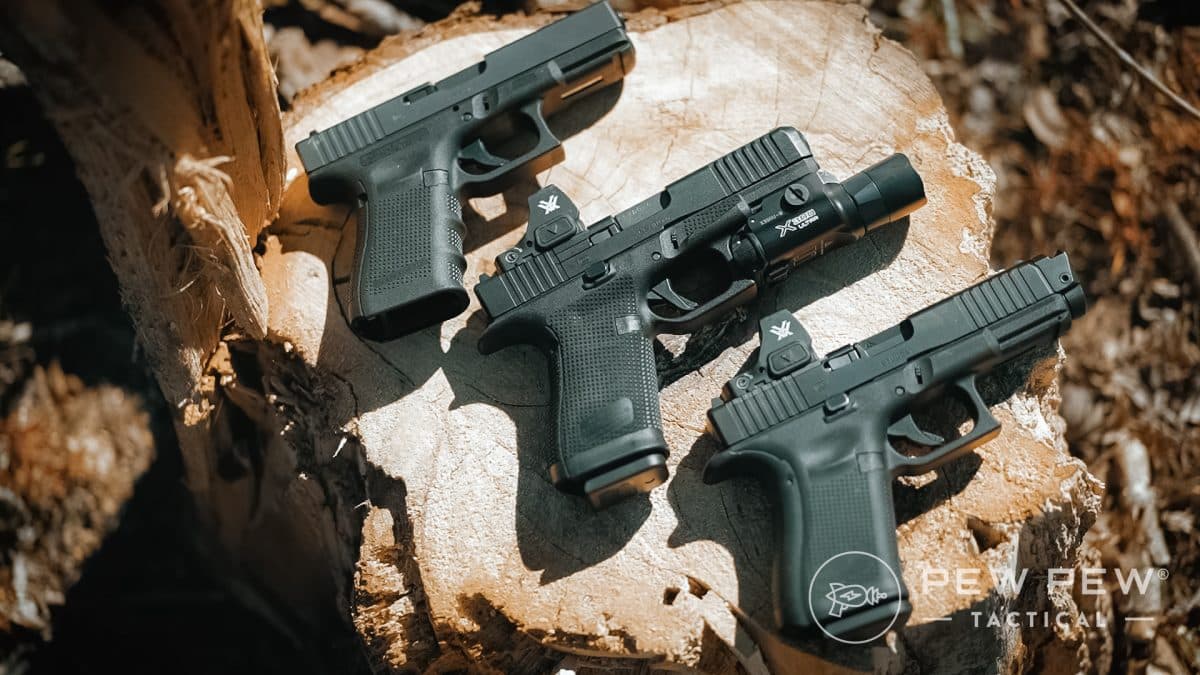
But with a history dating back to the 1980s and different generations of each model, shopping for Glocks can be a bit daunting if you don't know what you are looking for. But that's why you have us!
We'll go over Gen 3 through the newest Gen 6 models, cover when each generation got its start, and the unique features each generation offers.
So if you've got your heart set on a specific Glock but don't know which generation to go with, read on!
Table of Contents
Gen 1
Most people know about the legend of Gaston Glock by now. But if you don't, you're about to find out.
Founded in 1963, Glock did not start out as a firearms company. It was initially a wood, steel, and plastic manufacturing company. In the 1970s, Glock began manufacturing military products such as knives, grenades, machine gun belt links, and similar items.

Though they hadn't produced a firearm yet, the wheels inside Gaston's head were turning. He had expertise in synthetic polymers and big ideas for a gun that would eventually change the firearms world.
Glock created a working prototype of the Glock 17 — an innovative yet reliable and cost-effective pistol.
Under the name "P80" (not to be confused with polymer80), Glock entered the Austrian military handgun trials as a complete dark horse.
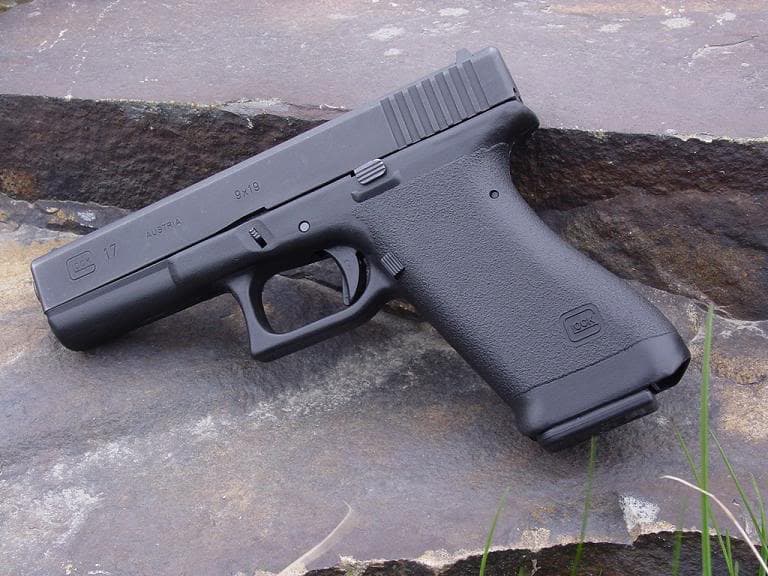
After thorough testing, it was accepted as the new Austrian sidearm, and thus, the first generation of Glock was born.
After that, Glock exploded in popularity. Agencies around the world began adopting the new polymer pistols. Glock didn’t hit the U.S. market until the late 1980s, but it took America by storm in both law enforcement and commercial markets.
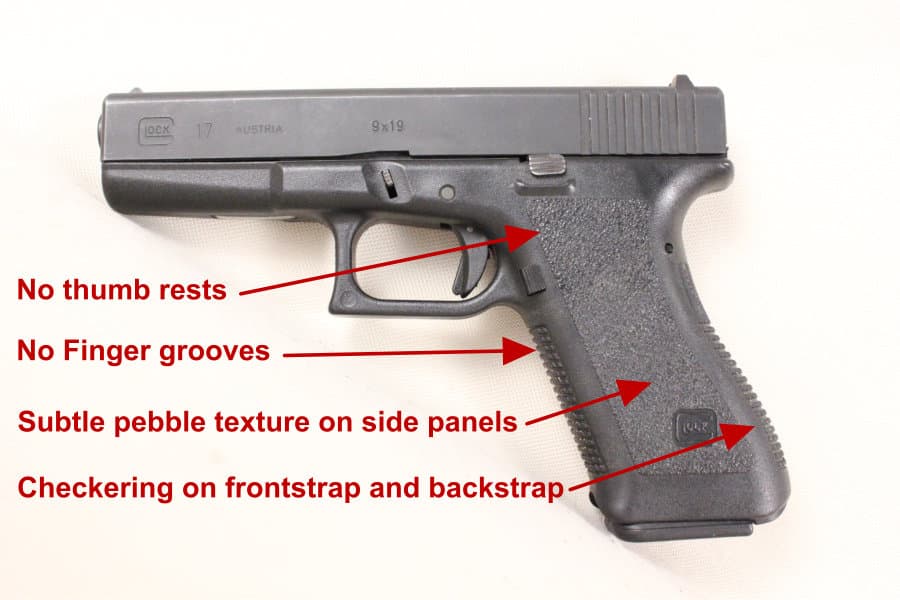
First-gen Glocks are easily identifiable by the soft "pebble" texture covering the entire grip and the lack of an accessory rail. There are no thumb rests or adjustable backstraps on these models.
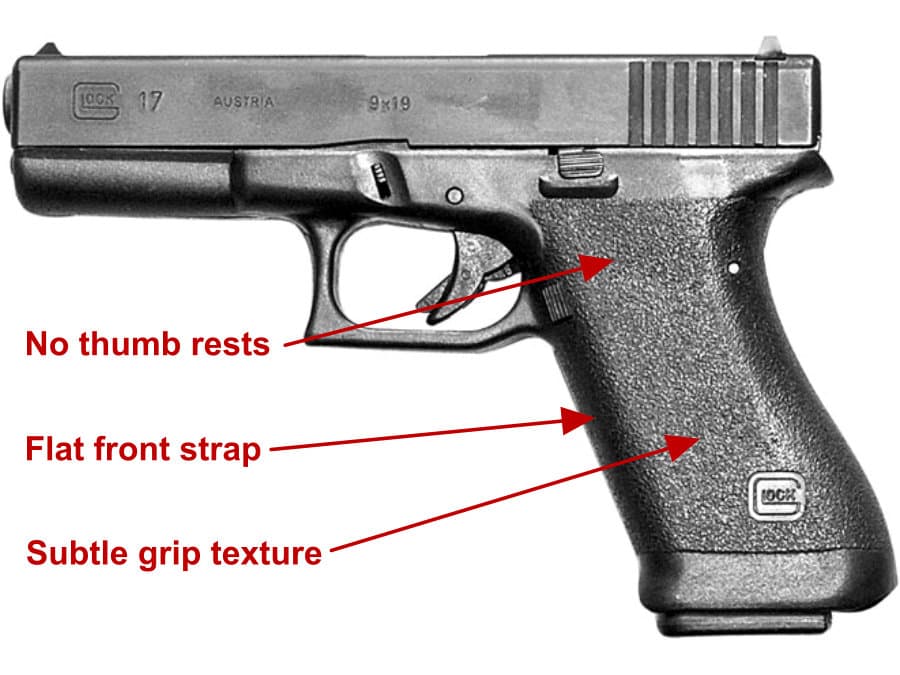
The vast majority of Gen 1 pistols were standard Glock 17s, with some Glock 17L (longslide) versions being made. Glock also produced Gen 1 Glock 18 machine pistols, as well as a few ultra-rare compact Glock 19s.
Gen 2
In 1988, Glock introduced its second-generation handguns.
Changes over the Gen 1 included more aggressive checkering on the front and back straps of the grip, a one-piece captive recoil spring, a small cutout at the front of the magwell, and the now-standard metal serial number plate at the bottom of the dust cover.
More importantly, Glock added several new models to its lineup. The ubiquitous Glock 19 became a standard model.
In addition, Glock introduced the subcompact G26, three .40 S&W models, and larger-framed models in .45 ACP and 10mm.
Gen 3
Glock released their Gen 3 models in 1998. But despite being almost 30 years old, some gun owners swear by Gen 3 over the newer models.
Gen 3 was the first generation to offer an accessory rail, thumb rests, and the ever-controversial finger grooves. A third locking block pin was also added above the trigger pin to help strengthen the Gen 3's newer, larger locking block, which was designed to better accommodate .40 S&W.
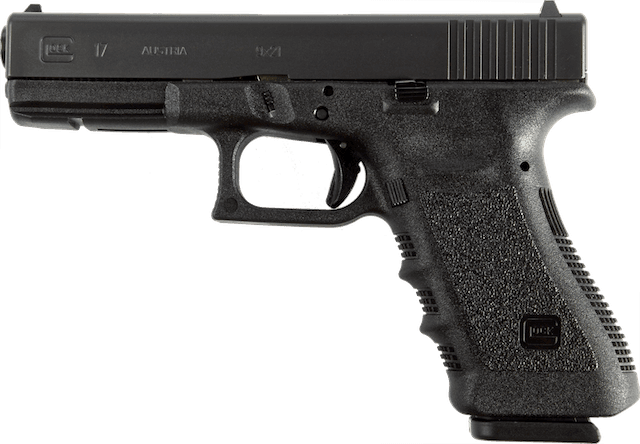
Thanks to its popularity and spot on the California-approved roster of handguns, Gen 3 Glocks remained in production up until late 2025. After Glock introduced their V Models and announced their upcoming Gen 6 pistols, they ceased mainstream production of their Gen 3 pistols.
The major functional patents for the Gen 3 expired around 2020, leading to the large influx of Gen 3 Glock clones from new manufacturers around that time.
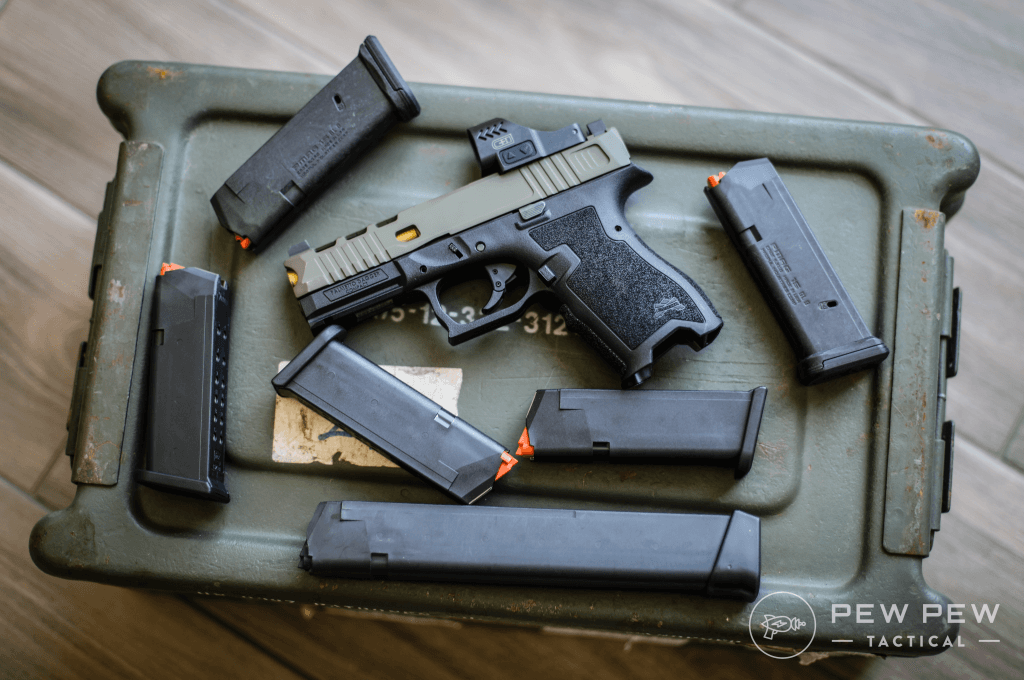
Between its long sales life, all of the clones, and the rising popularity of 3D-printed frames, the Gen 3 Glocks have the largest aftermarket of any generation by far.
Gen 4
Born in 2010, the Gen 4 Glock didn't feature anything particularly groundbreaking, but still boasted a few new updates.
We got a new grid-like grip texture, a larger magazine release button, as well a redesigned double recoil spring. To many people's dismay, the finger grooves remained.
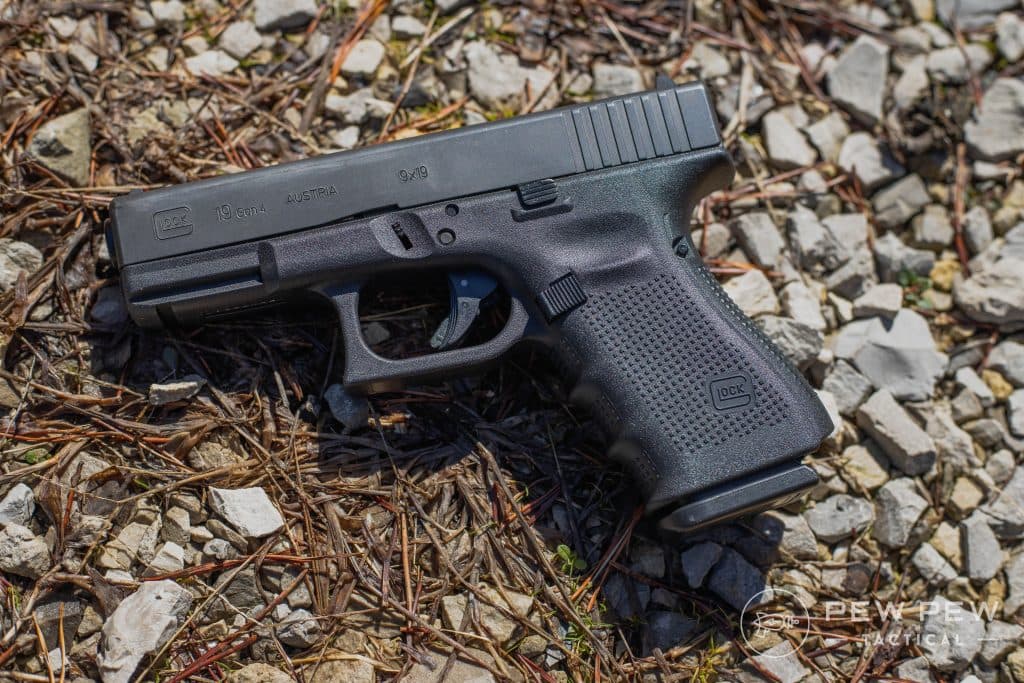
Glock also made some minor tweaks to the internals, which resulted in a trigger that was slightly heavier and mushier than the Gen 3 models.
The biggest upgrade is arguably the introduction of the interchangeable backstraps. Previous Glock generations only allowed for a single size grip, but every Gen 4 shipped with two additional backstraps - allowing for three different grip sizes.
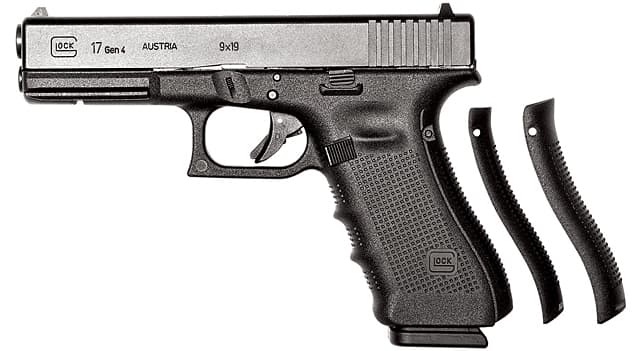
Most Gen 4 Glocks also featured a newer, matte-style finish on the slide. However, some earlier Gen 4 guns still retain the older Gen 3 "frying pan" finish, which is typically lauded for its better wear resistance.
Between the controversial finger grooves, the slightly worse trigger, and the lack of 100% compatibility with Gen 3 parts, the Gen 4s are typically looked back on as the least desirable "modern" generation.
The last of the Gen 4s were discontinued in late 2025.
Gen 5
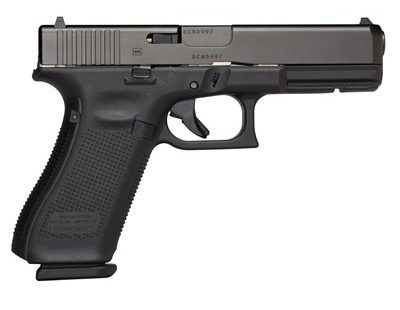
In 2017, Glock hit us with the Gen 5. Many consider the Gen 5 to be the biggest leap forward Glock made since the original guns came out.
Glock introduced some features that people had been clamoring for. That is to say, they listened to the consumers.
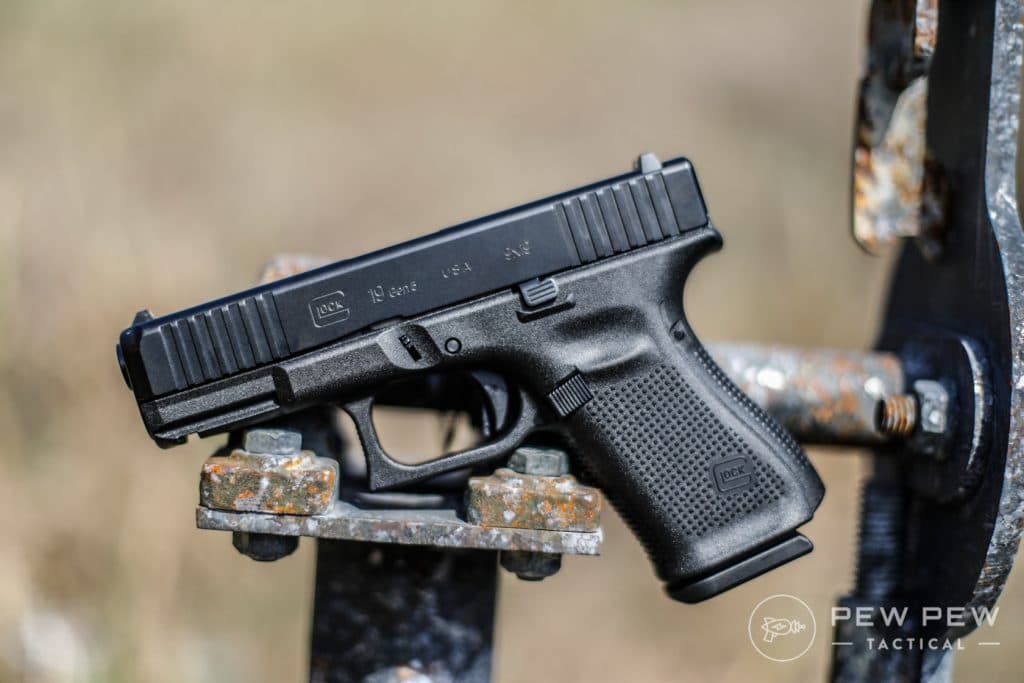
It is important to note that there are two different Gen 5 iterations out there: the original and the Front Serrations (FS) series.
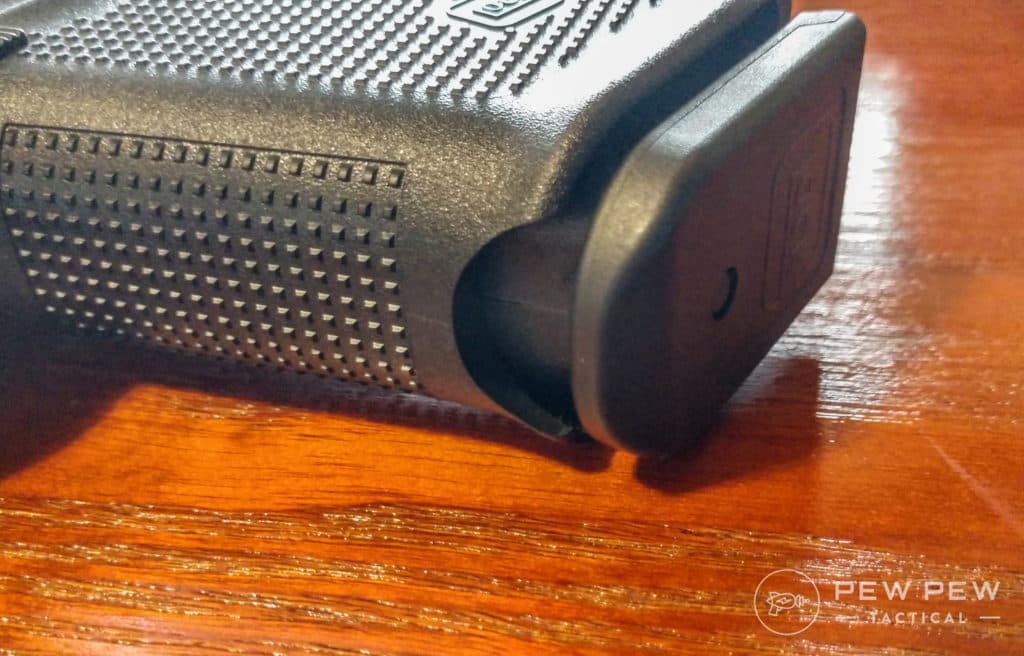
The original Gen 5 came with a half-moon cut in at the bottom of the grip and did not have front slide serrations.
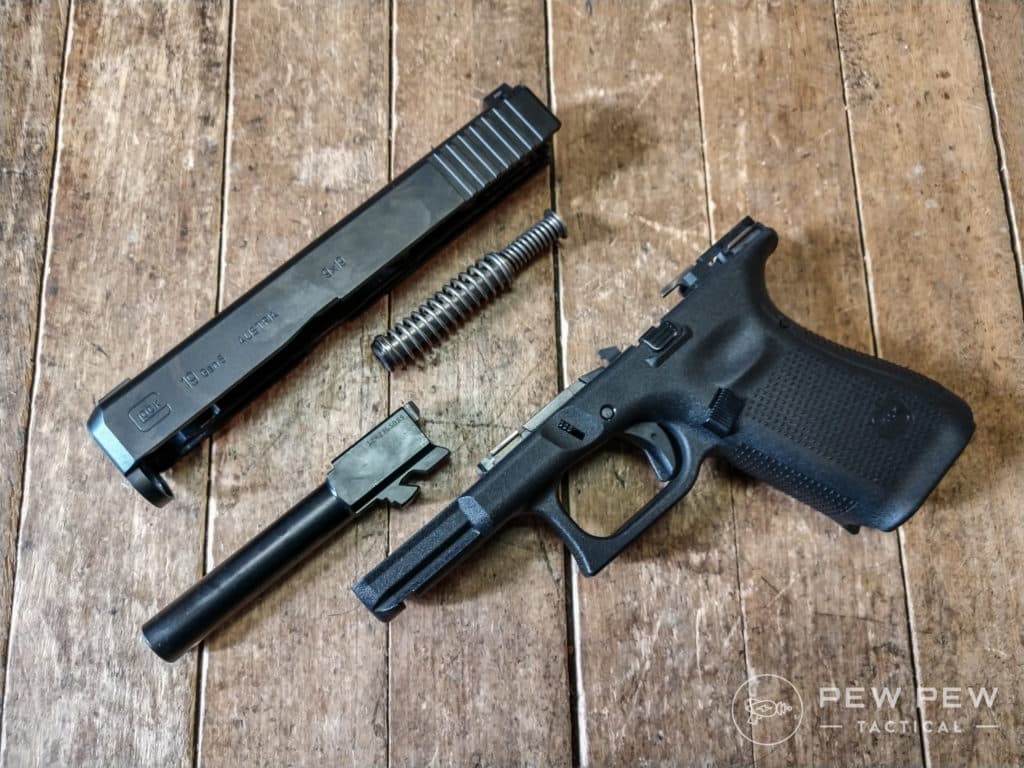
The half-moon was meant to help when/if magazines got stuck during a reload. It was later removed because well, they were kind of ugly and mostly useless outside of being a pinch point for your hand during reloads.
On the other hand, the FS model features front slide serrations to help with those high-speed press checks.
Both versions use a nDLC coating, ambidextrous slide release, improved trigger, flared magwells, and a new barrel dubbed the "Glock Marksman Barrel."
The Glock Marksman Barrel is a step back from the polygonal rifling that Glocks used to feature. It features traditional rifling and a thicker wall than previous generations. Both of these updates allow for a more accurate barrel, according to Glock.
Ultimately, the Gen 5 represents Glock’s pursuit of perfection over the pursuit of novelty. They looked at what works and built a Glock that is up-to-date and good to go straight out of the box.
Glock announced the discontinuation of all Gen 5 in late 2025. However, some remaining stock is still available as of early 2026.
Gen 6
Gaston Glock passed away in 2023 at the age of 94. As unfortunate as his passing was, it opened the door for more innovation within Glock.
In late 2025, Glock announced that the Gen 6 was just around the corner. This time around, they didn't just make minor improvements --- they took a big leap forward.
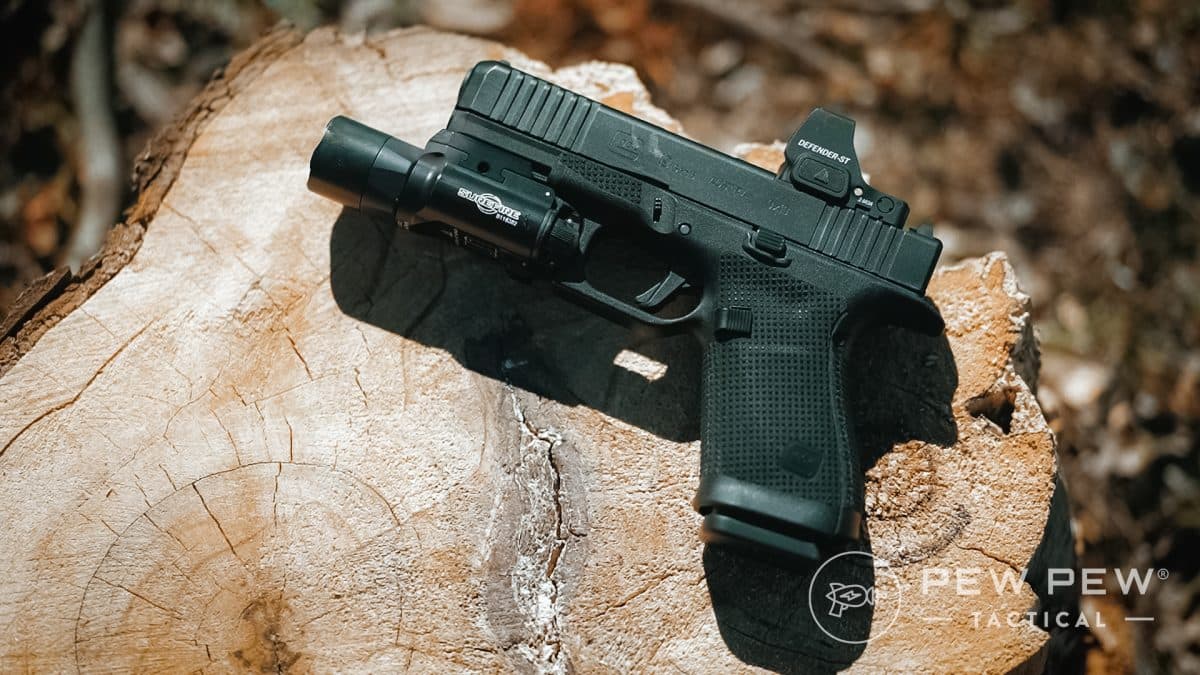
Many people feel that Glock has always fallen short in the ergonomics category. But Gen 6 rectified this issue by ditching the blocky 2x4-feeling grip.
The flat grip surfaces and hard corners have been left behind in favor of a much more rounded grip shape. We also got an extended beavertail, a more aggressive RTF6 grip texture, and a prominent flared magwell.
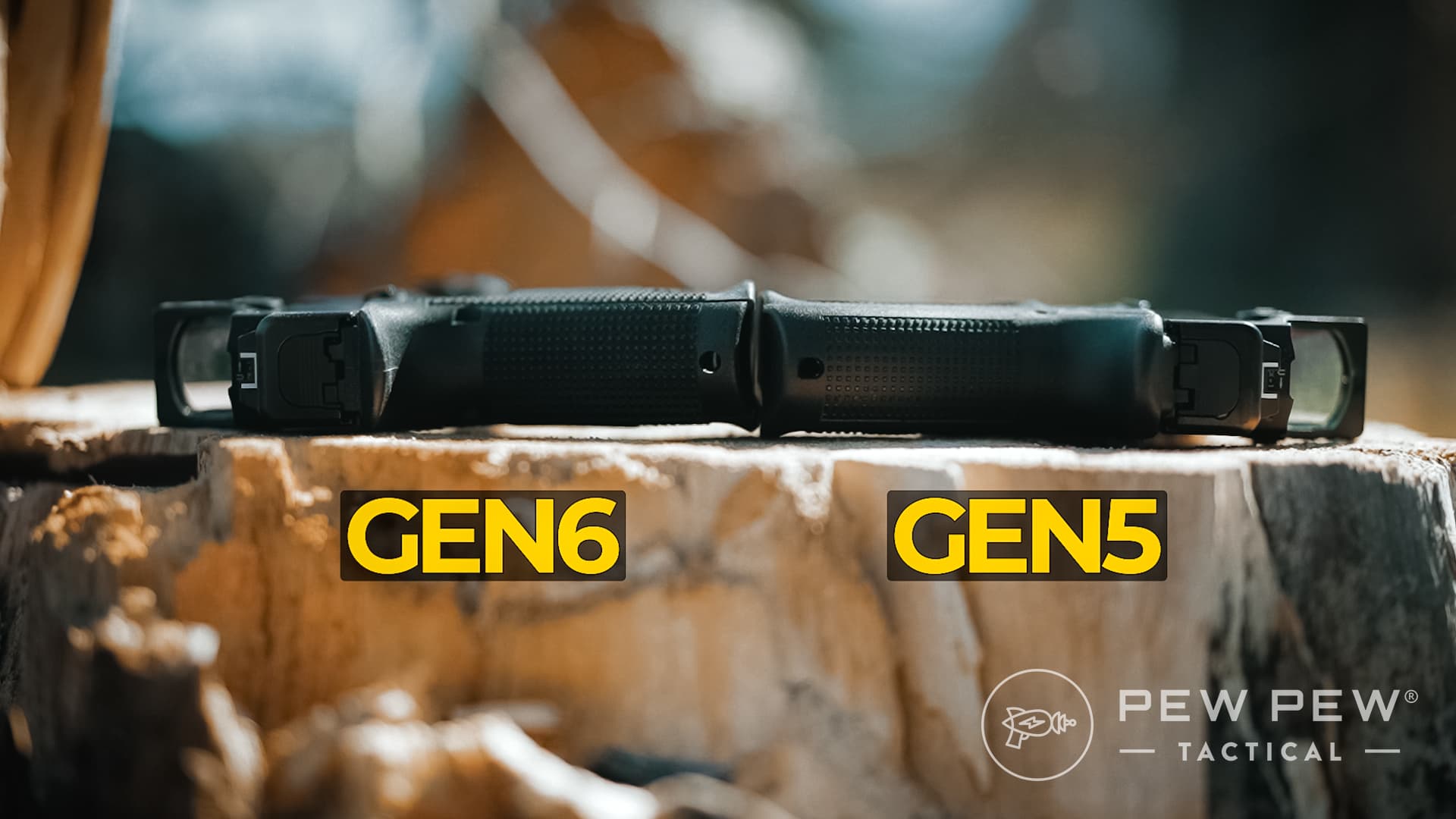
Unlike the Gen 5, the extended beavertail on the Gen 6 is not part of the backstrap. This means you can get all the benefits and comfort of the beavertail without adding any thickness to the grip.
Further improvements to ergonomics include the addition of thumb ledges for easy grip indexing and deeper front slide serrations.
Glock also wisely moved to a much-improved direct-mount optics system (and away from the weak MOS plates) and also a flat-face trigger that feels much nicer to use.
We also got a return to the flat-wound recoil spring, which offers an overall smoother recoil impulse.
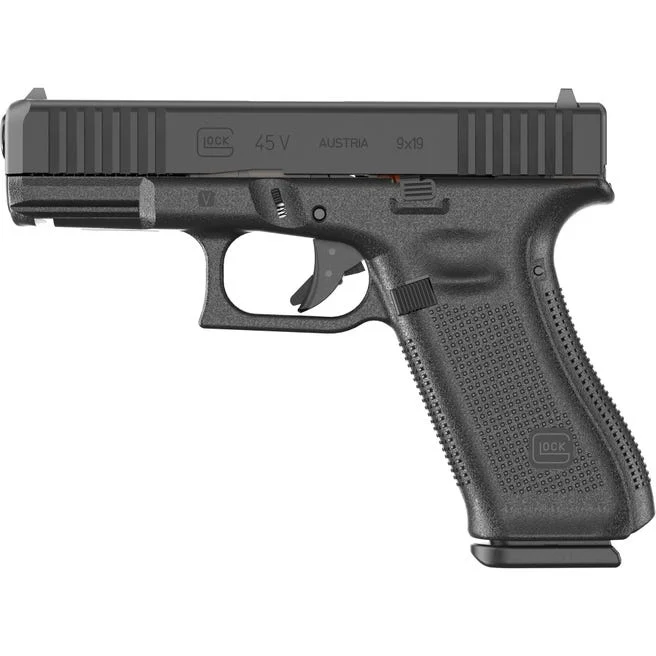
As of early 2026, Glock only offers Gen 6, V models (not to be confused with Gen 5), and Slimline models. The only currently available Gen 6 models are the G17, G19, and G45.
Overall, Glock managed to address many of the commonly complained about shortcomings of the Glock platform as a whole, while still keep the core feeling, reliability, and holster compability that shooters have come to expect.

Other Glock Models: Slimline & V
There are a few different Glock models that exist outside of the realm of specific generations. These usually have a mix of different generational features and don't fit neatly into one of the categories above.
Slimline
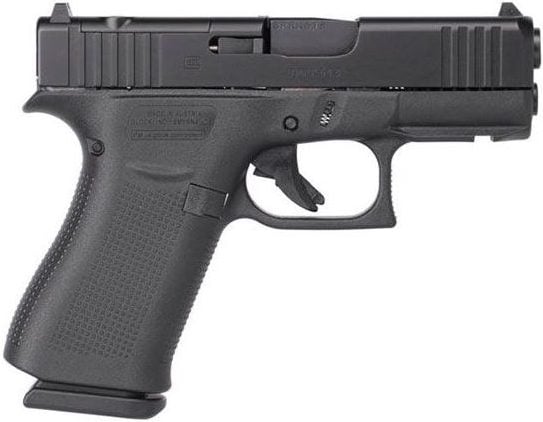
The Slimline series of Glocks are thinner, single-stack pistols designed with concealed carry in mind.
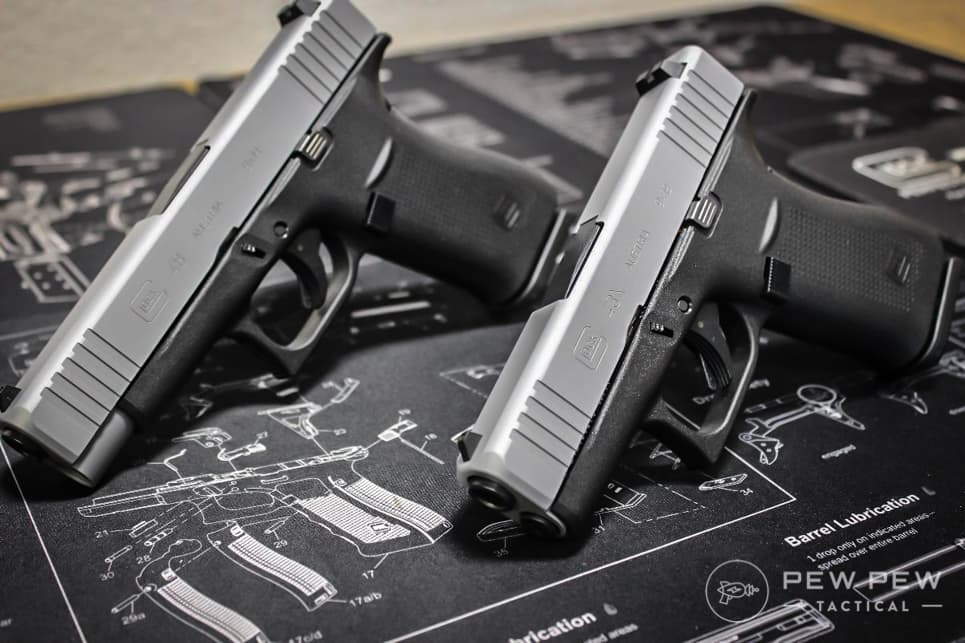
Slimline Glocks are technically neither Gen 4 nor Gen 5, but rather have features from both generations. The lineup for the Slimline Glocks includes the .380 ACP G42, and the 9mm G43, G43X, G43X MOS, G48, and G48 MOS models.
These models come with most of the bells and whistles of the Gen. 5, but in a smaller, single-stack package.
V Series
In 2025, Glock made the controversial move of completely ceasing production of Gen 4 and Gen 5 pistols.
California lawmakers had introduced a bill that would have outright banned all current Glocks due to being "easily convertible into machineguns" through the use of illegal backplate switches.
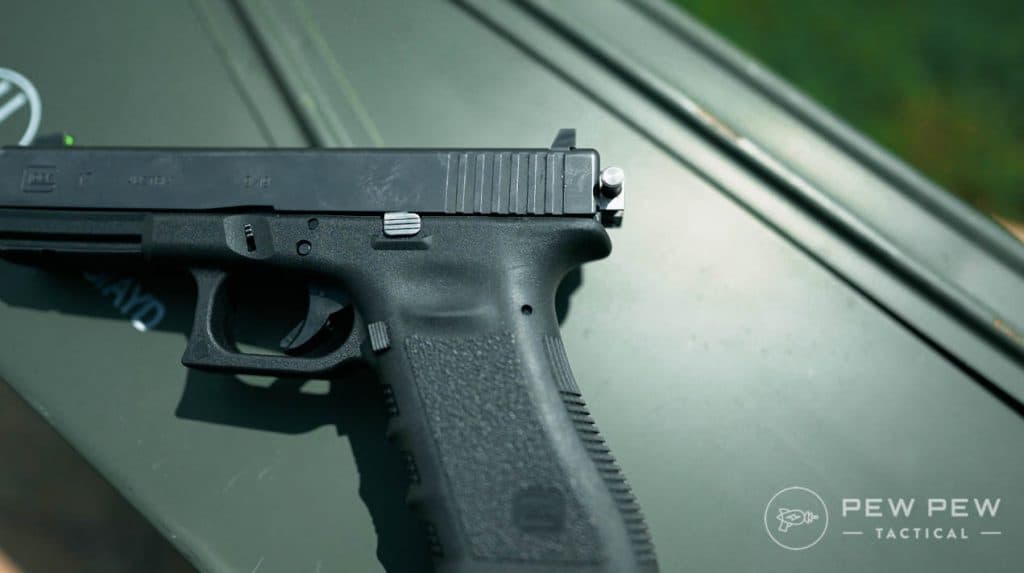
Glock hastily announced the new Gen V models, which featured a internal modifications that aimed to prevent the use of the aforementioned illegal full-auto switches. They acheived this by adding raised channels around the striker assembly and redesigning the backplate.
Aside from those changes, the Glock V is largely just a modified Gen 5. But for some reason, Glock does not currently offer any optics-ready (MOS) versions for any of the 9mm Glock V offerings.
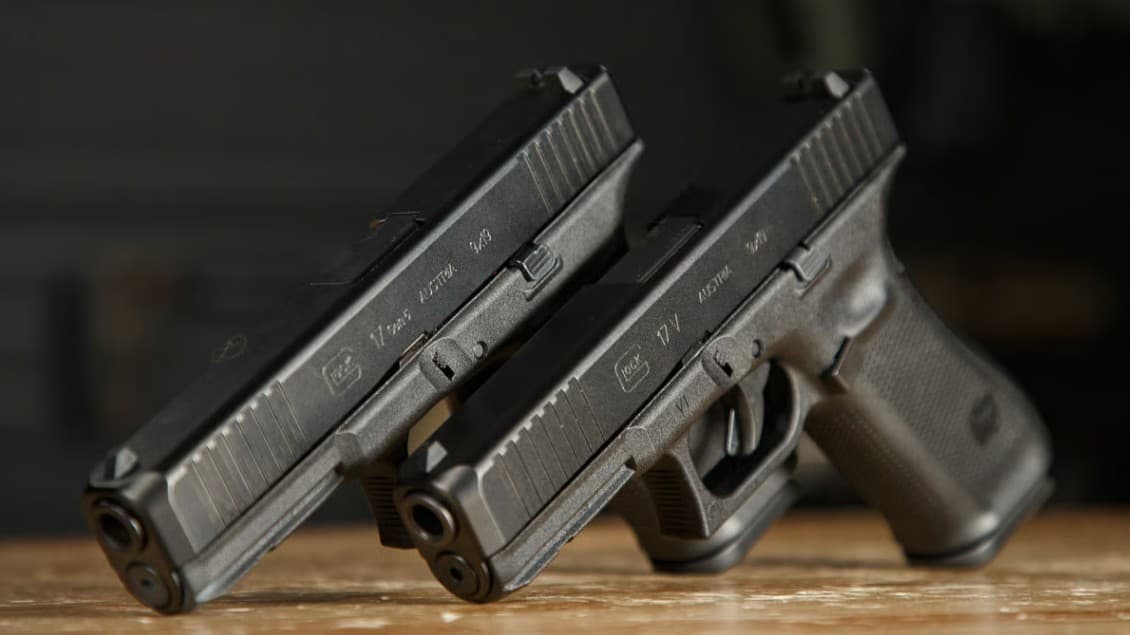
The lack of optics-ready options and the reduction in existing aftermarket parts compatibility from the redesigned trigger has caused many people to consider the V a "bastard" generation that serves no real functional purpose other than meeting the proposed California legal requirements.
Final Thoughts
Some Glock generations have been big steps forward, while others have only had small incremental changes. Some people prefer certain generations over others, and that is totally okay.

But the truth is, no matter which Glock generation you decide is right for you, you can count on all of them being rugged and reliable pistols across the board.
Which Glock generation and model is your fave? Share your thoughts in the comments! Read up on the Best Glock Upgrades to take your Glock to the next level or settle on a model with the Best 9mm Glocks or Best Glocks (Across All Calibers).
Latest Updates
- March 2026: Added information on Glock Gen 6 and V-series, as well as supplemental data and media to Generations 1-5.
- July 2024: Added information on Glock generations 1-2, as well as supplemental data and media to the existing Gen 3, 4, and 5.