
How To Set Up A Plate Carrier [Step-by-Step Guide]

Got body armor? Learn how to wear your plate carrier the right way with this helpful Marine’s how-to guide.

USMC Veteran. Concealed Carry & NRA Pistol Instructor. 3-Gun Competitor. Career firearms writer
We review products independently. When you buy through links on our site, we may earn a commission to help support our testing. Learn more.
Aren't plate carriers fun?
Body armor has gotten very popular in the civilian market, which is good, but a lot of folks buy great gear without knowing how to use it properly. Setting up a plate carrier is a little more complex than tossing it on and hitting the range.
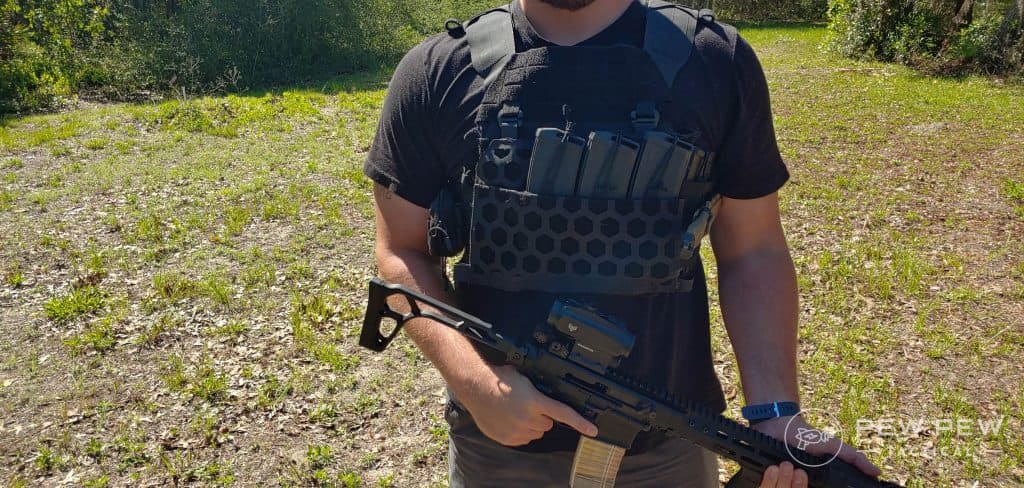
Good thing we’re here to help! Today, as the kids say, we are going to get your fit right.
Let’s dive in and figure out how to set up a plate carrier right the first time.
Table of Contents
What You Need Before You Start
Must-Have Items
- Plate carrier
- Body armor
Nice-to-Have Items
- Any pouches or accessories that you want to mount directly to your plate carrier
- Large mirror to check your work
- Moto patches to let everyone know you like to have a good time, too

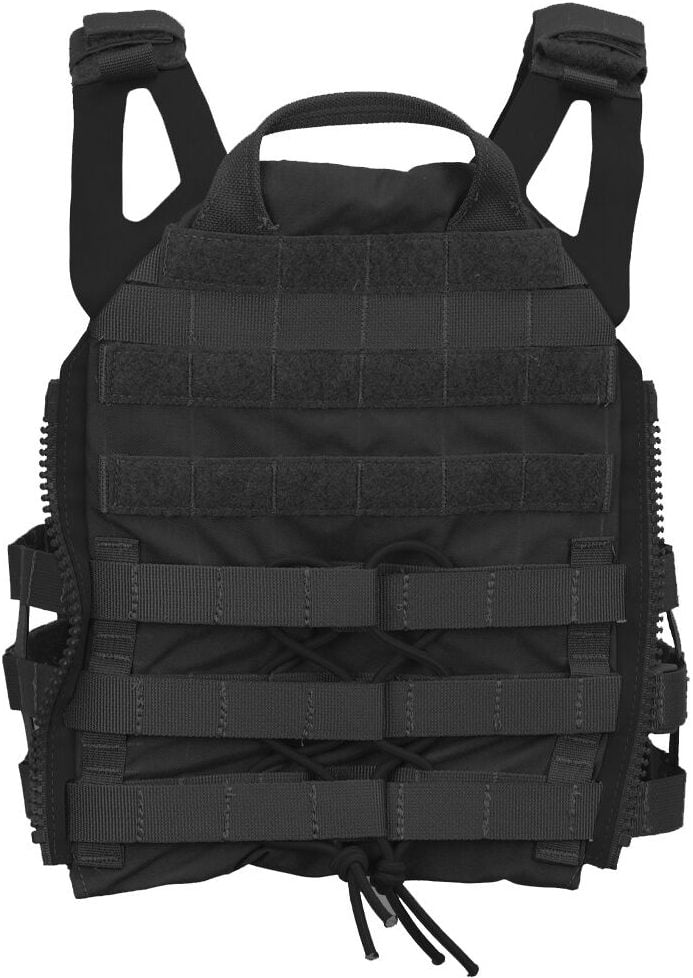
Picking the Right Size Plate Carrier
Unfortunately, picking your plate carrier size isn't as easy as using your shirt size. Boy, howdy, I wish it were.
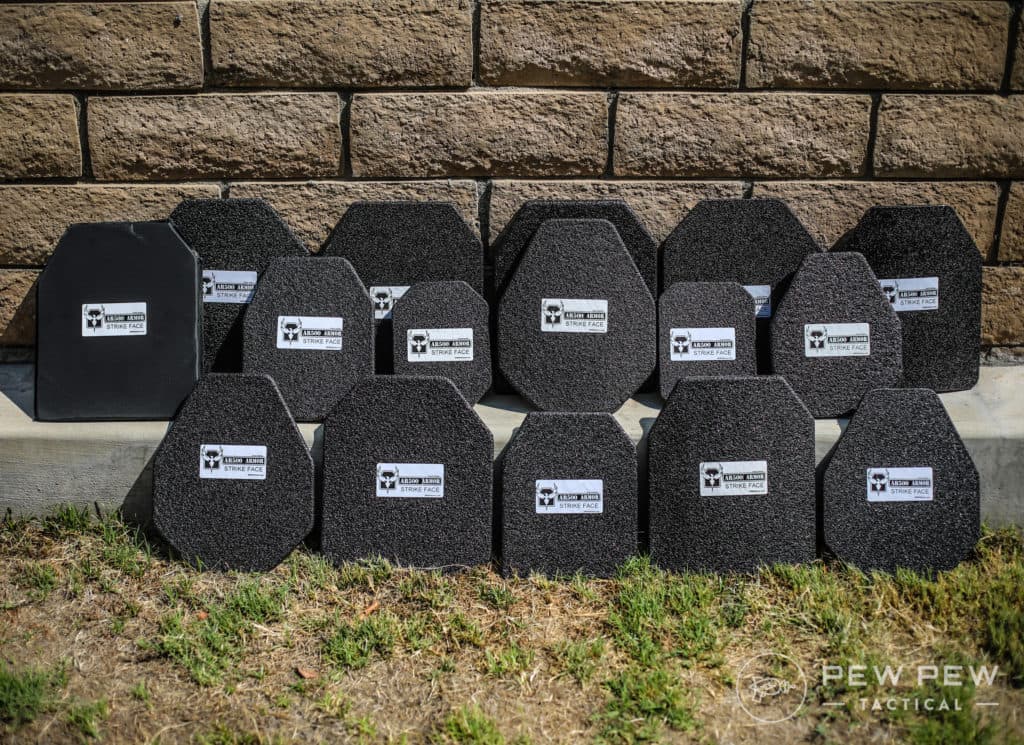
You'll pick your plate carrier size based on your body armor size and shape. There is slight variation between manufacturers but, for the most part, hard plates come in four different shapes or cuts.
Body Armor Cuts
- SAPI: SAPI plates are the cut used by the United States military. They have a 45-degree symmetrical clip with radius-rounded corners. This is the most common plate cut.
- Swimmer's Cut: The swimmer's cut features an extremely narrow upper portion that allows for maximum arm and shoulder movement.
- Shooter's Cut: The shooter's cut is kind of a happy medium between SAPI and swimmer's cut. It allows for decent arm movement without sacrificing much coverage.
- Full Cut: Full-cut plates are just squares. They’re typically used as backplates or, in the case of the smallest sizes, side plates. They aren't comfortable up front.
Body Armor Sizes
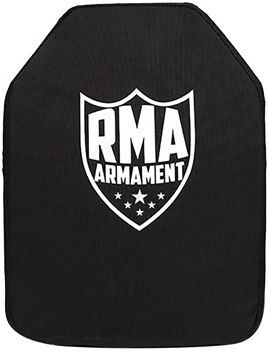
Since SAPI plates are the most popular, let's go over those quickly to give you an idea of the standard plate sizes. Most will be within half an inch or so of these settings.
- Small: 8.75" by 11.75"
- Medium: 9.5" by 12.5"
- Large: 10.25" by 13.25"
- XL: 11" by 14"
I also want to mention the “other” medium: 10 inches by 12 inches. It's not a standard size, but it's widespread enough in the industry to warrant a mention.
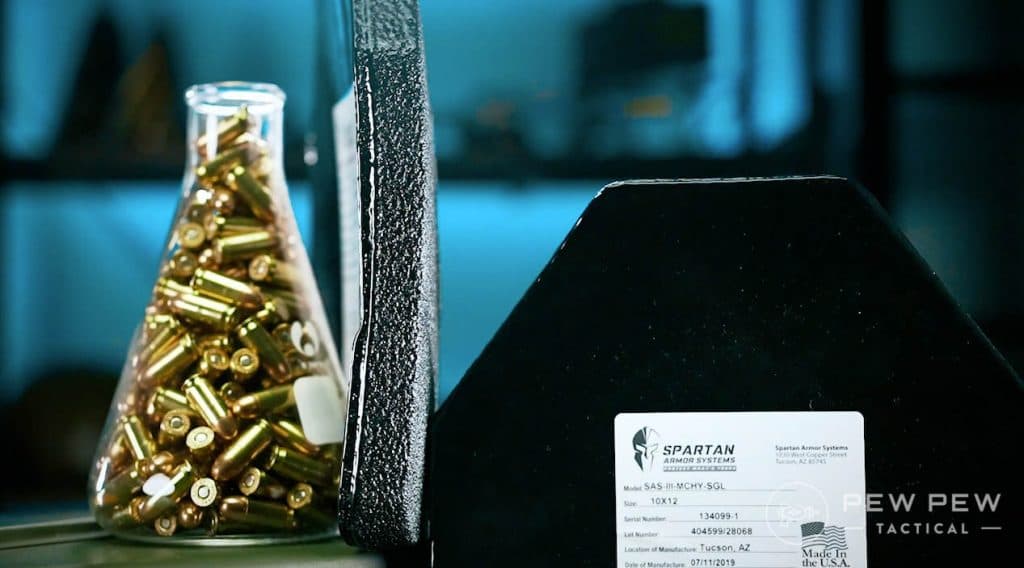
Another measurement you need to look for is thickness. Certain plate carriers can only accommodate plates of a certain thickness. Reputable plate makers and plate carrier producers will publish dimensions to help you out.
For example, with the Crye JPC, they advise purchasing a size up if the plate is more than 1.25 inches thick.
Torso Size
Now that we know the rough sizes of plates it's time to measure yourself to figure out the right size. There is a bit of a cheat code that avoids trying to hold a tape measure up in front of a mirror.
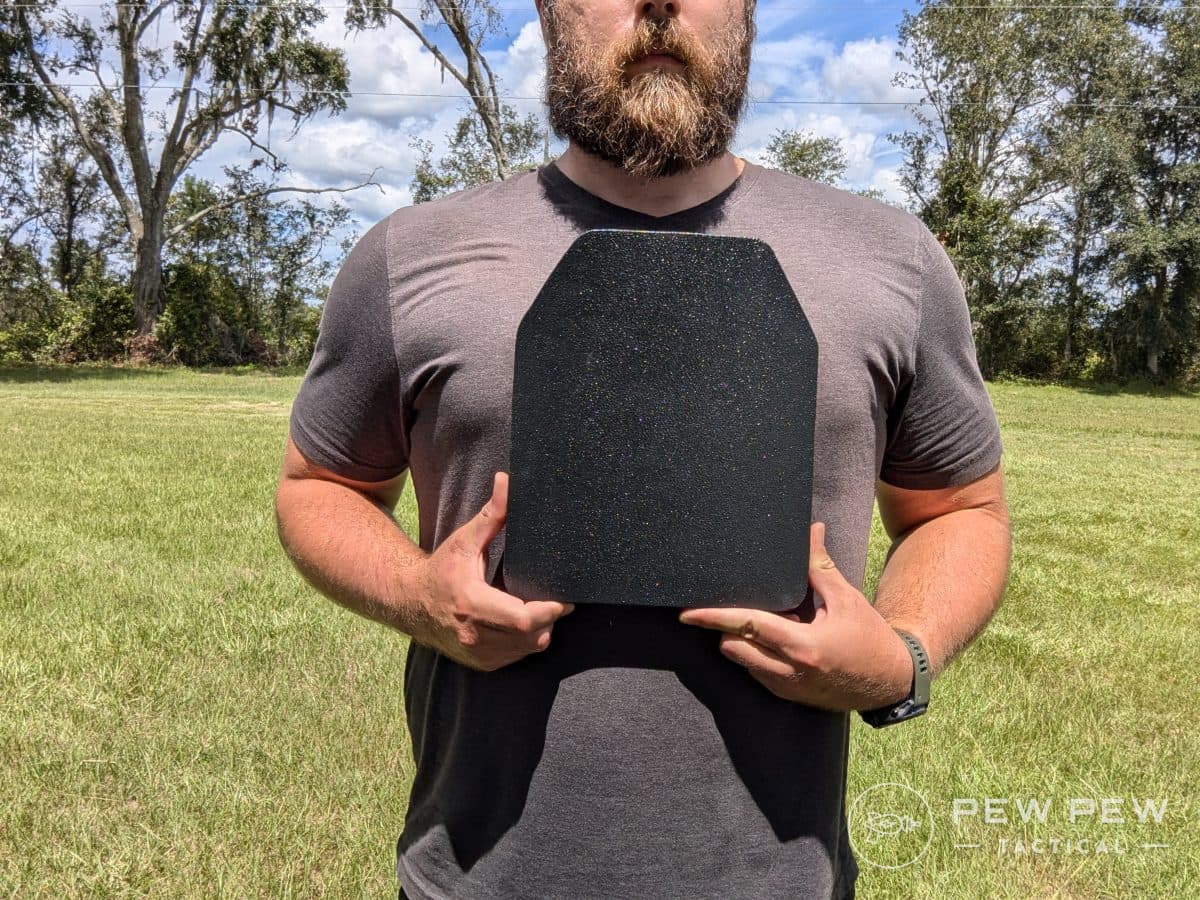
Take your shirt size and reduce it by one. If you wear a large shirt, start by mocking up medium plate dimensions.
Get a piece of paper or cardboard. Create a 9.25-inch by 12.5-inch square. Grab your scissors and cut out the template. Now you have a very easy size guide. Step up to your mirror, adjust your hair, and hold the cardboard plate up to your chest.

The plate should sit just on the top of your breastbone. It should be centered between your nipples but only just inside. If there is a lot of space, the plate may be too narrow.
For the height measurement, we need to sit down. When seated, the plate should be between one and three inches above your belly button.

You want a plate large enough to offer adequate protection. So the question arises: Why not just get a huge plate?
Well, plates get in the way. A plate that’s too big will get in the way when you shoulder your rifle, restrict arm movement, and limit your ability to bend at the waist.
With your plate size in mind, you can choose a plate carrier. Check out our guide to the Best Plate Carriers for some of our favorite recommendations!
Adjusting the Plate Carrier
Most plate carriers offer a good degree of adjustment to allow for a snug fit.
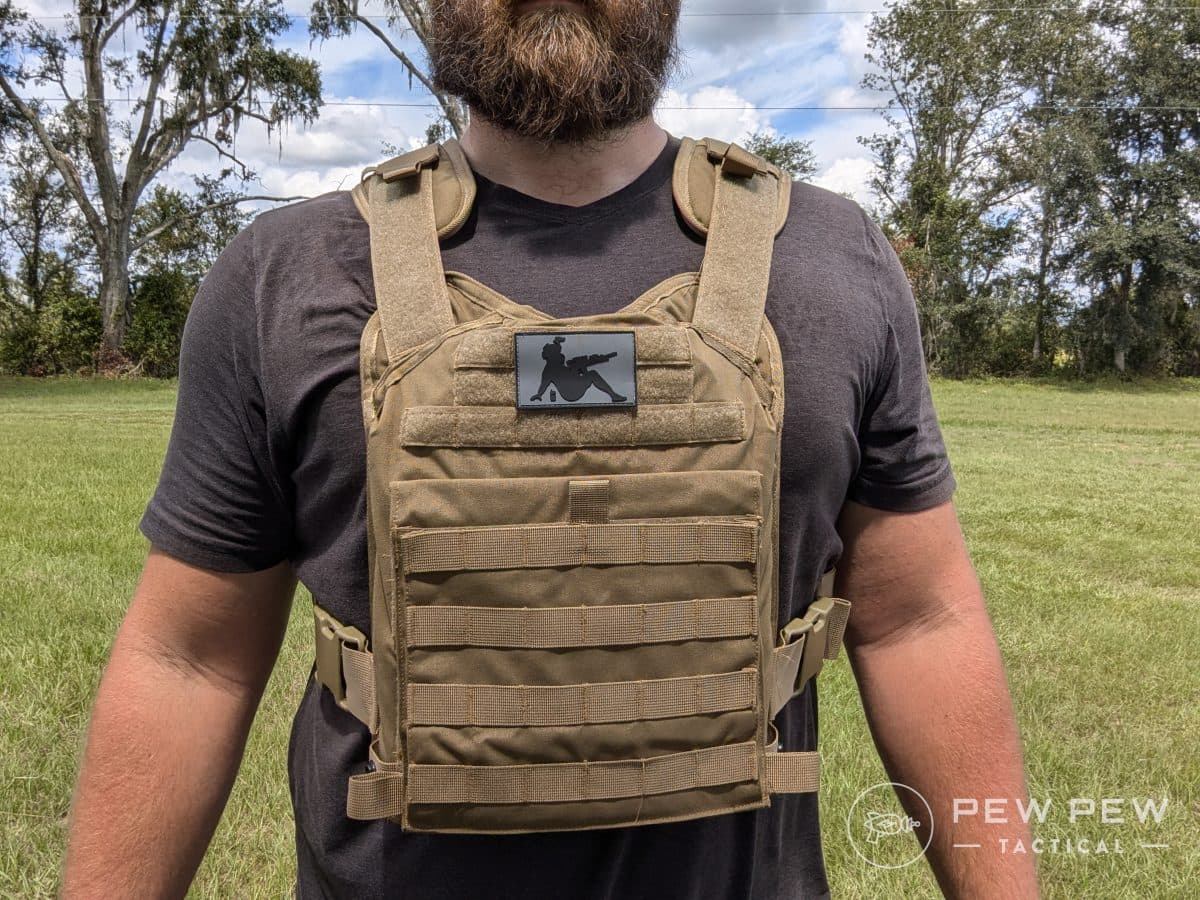
Your body type will play a major role. I'm a fridge, personally. You might be a pole or a chair, but regardless, your plate carrier needs to fit you.
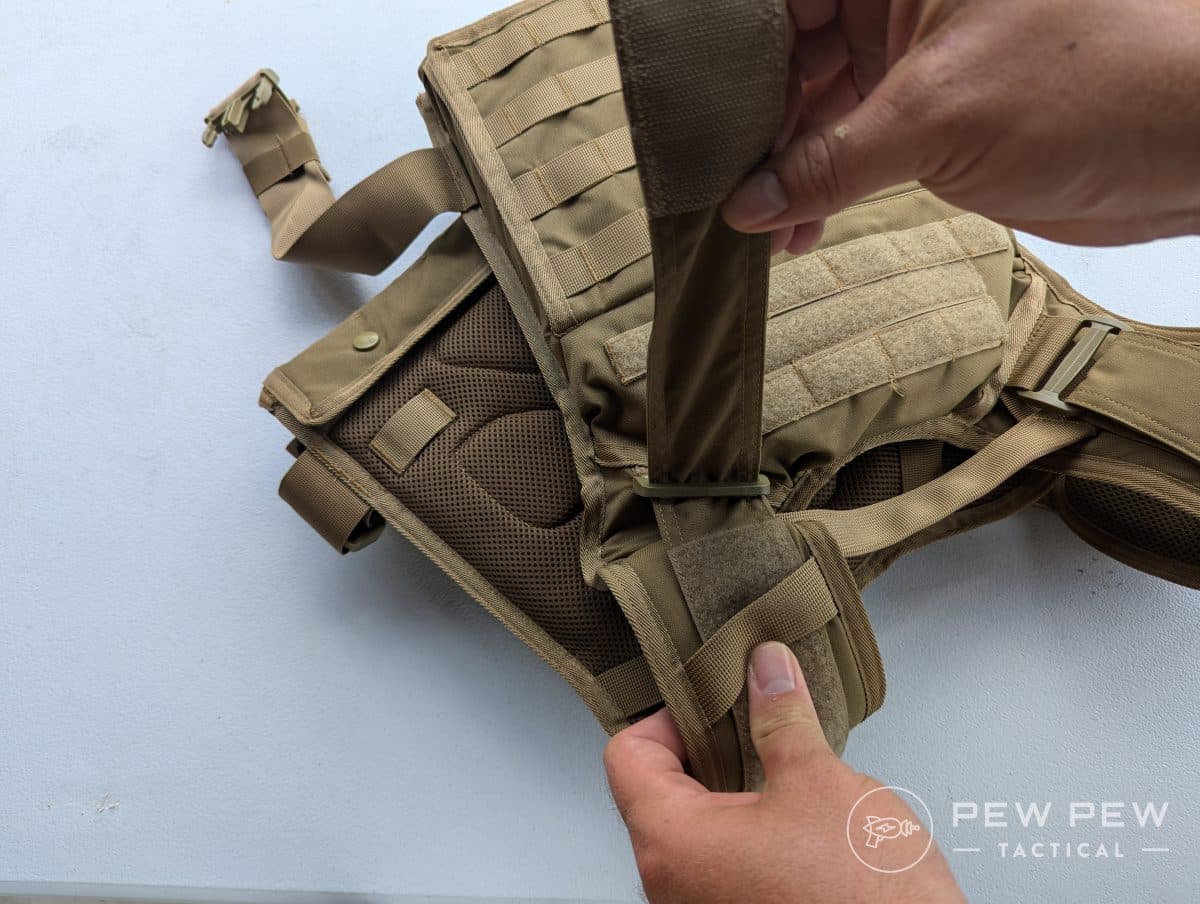
Once you've assembled your plate carrier, the first adjustment we want to make is height. At this point, I'd remove the cummerbund entirely. Let's just focus on the shoulder straps.
Our goal is to cover the cardiac box, which is home to our heart and lungs. Those are your most vital organs, so that's what your plate carrier needs to cover.
Start by finding your collarbone. Follow it from your shoulders to the center of your chest with your hands until you feel the divot below your neck. That's your jugular notch. The top edge of your plate should sit right against it.
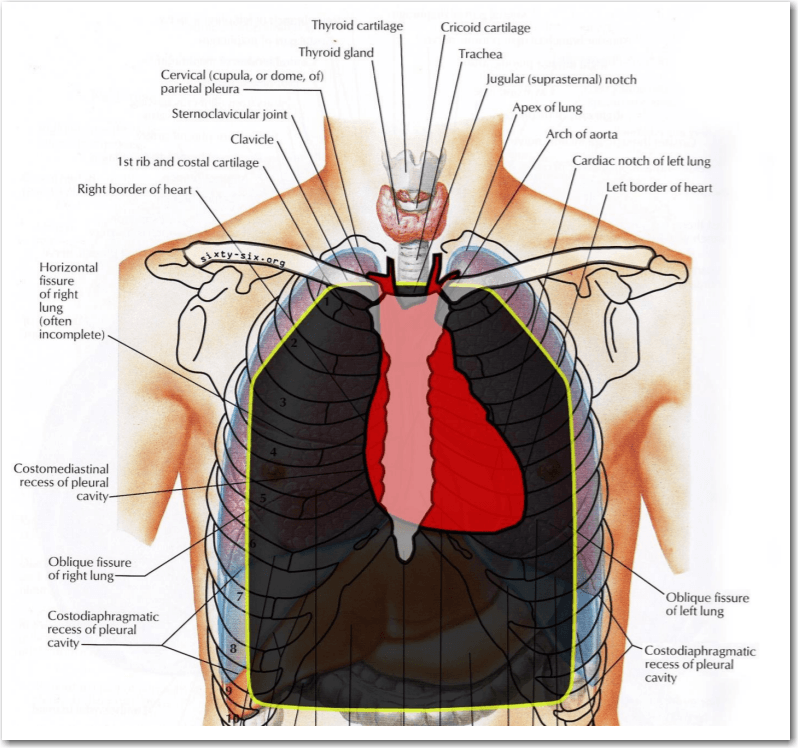
Your stomach may be more exposed when the plate carrier fits correctly, but that's fine. You're more likely to survive a stomach shot than a chest shot.
Next, install your cummerbund. Attach it to the rear portion first, ensuring it's centered on the rear panel. Put on the carrier and fasten the front.
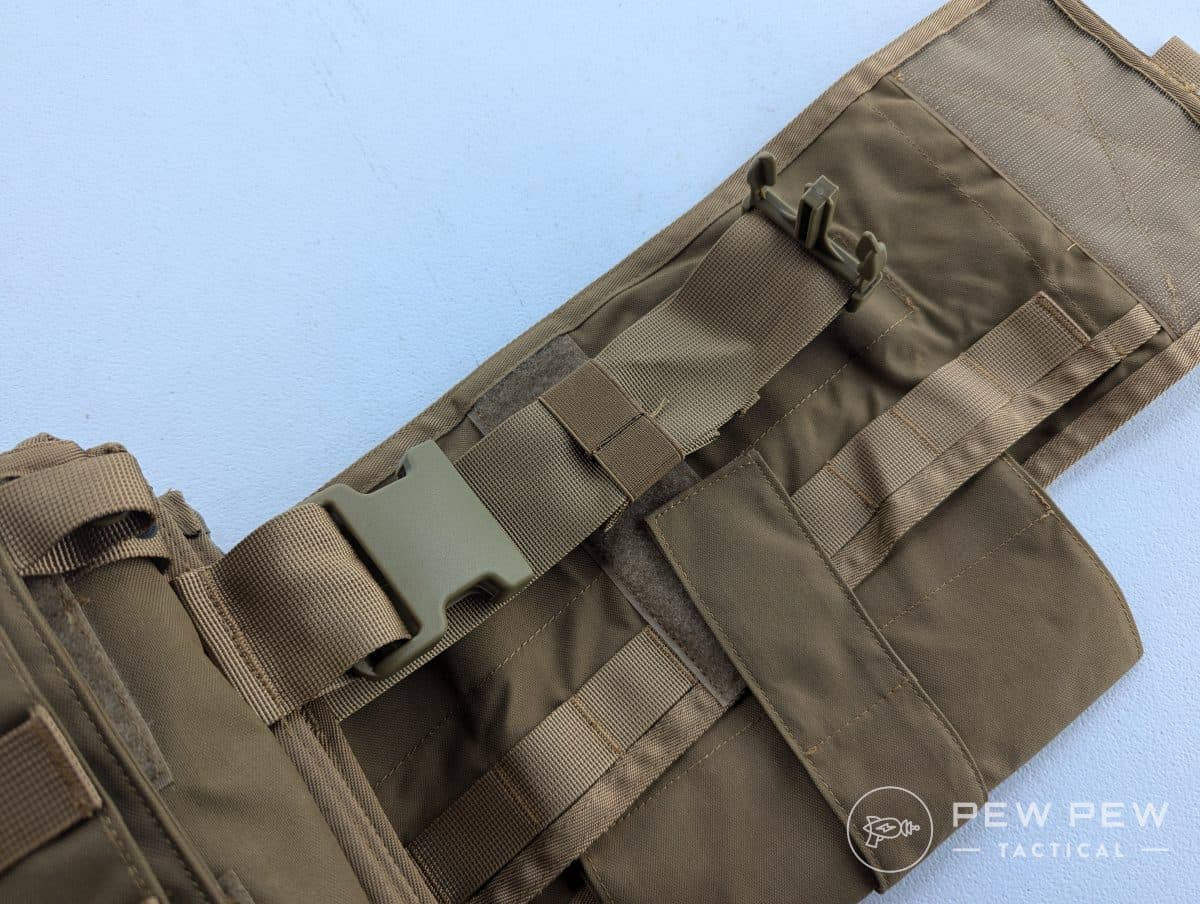
We want to aim for a good, tight fit. You should be able to breathe naturally and be relatively comfortable, but it may take some getting used to.
A snug carrier helps you distribute weight to your hips and takes a bit of strain off your shoulders. It also ensures that the carrier doesn't slide around when you move. Shifting plate carriers can cause chafing, which we don't want. The cummerbund and plates should both be centered. When you make adjustments, they should be mirrored on both sides.
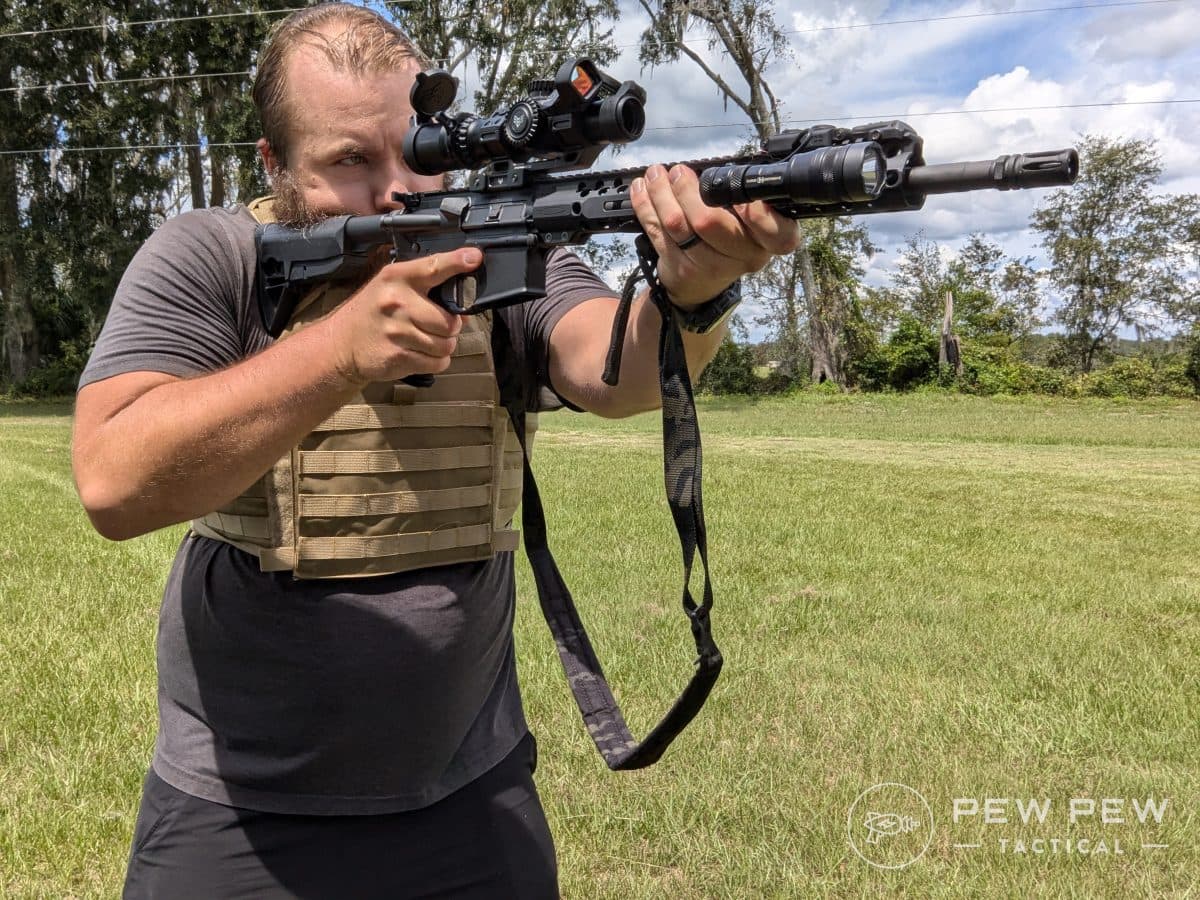
With a properly fitted plate carrier, you should be able to move your arms easily and freely. The carrier shouldn't affect your range of motion. You should also be able to shoulder a long gun without interference.
What About Gear?
Attaching gear and loadouts is more of a personal preference than anything else. Everyone is a bit different.
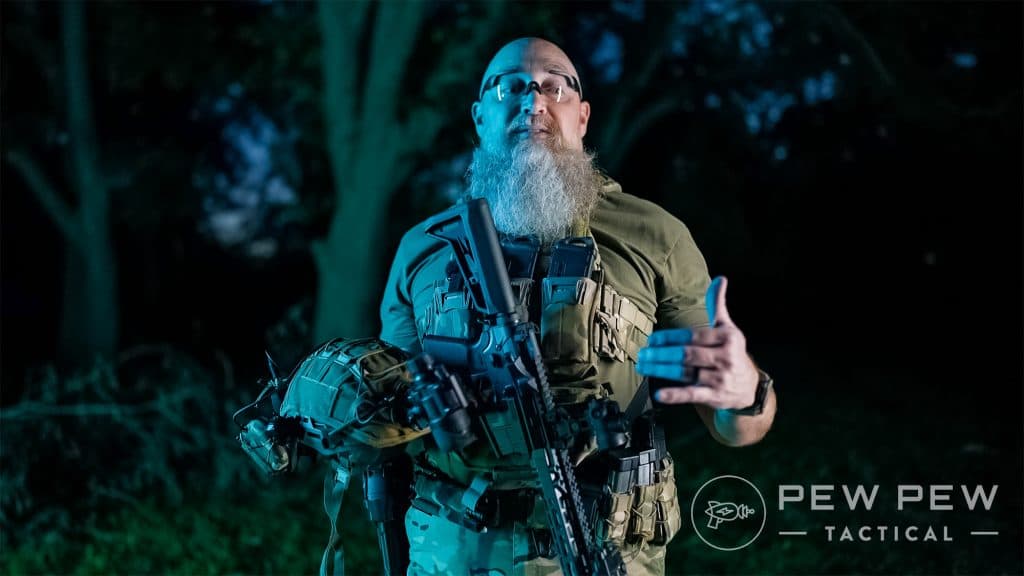
I have had a series of left shoulder injuries that limit my shoulder movements, so that comes into effect with my plate carrier setup.
You should be able to easily reach your magazines, IFAK, and any other critical gear. Test reloads and IFAK access in multiple positions.
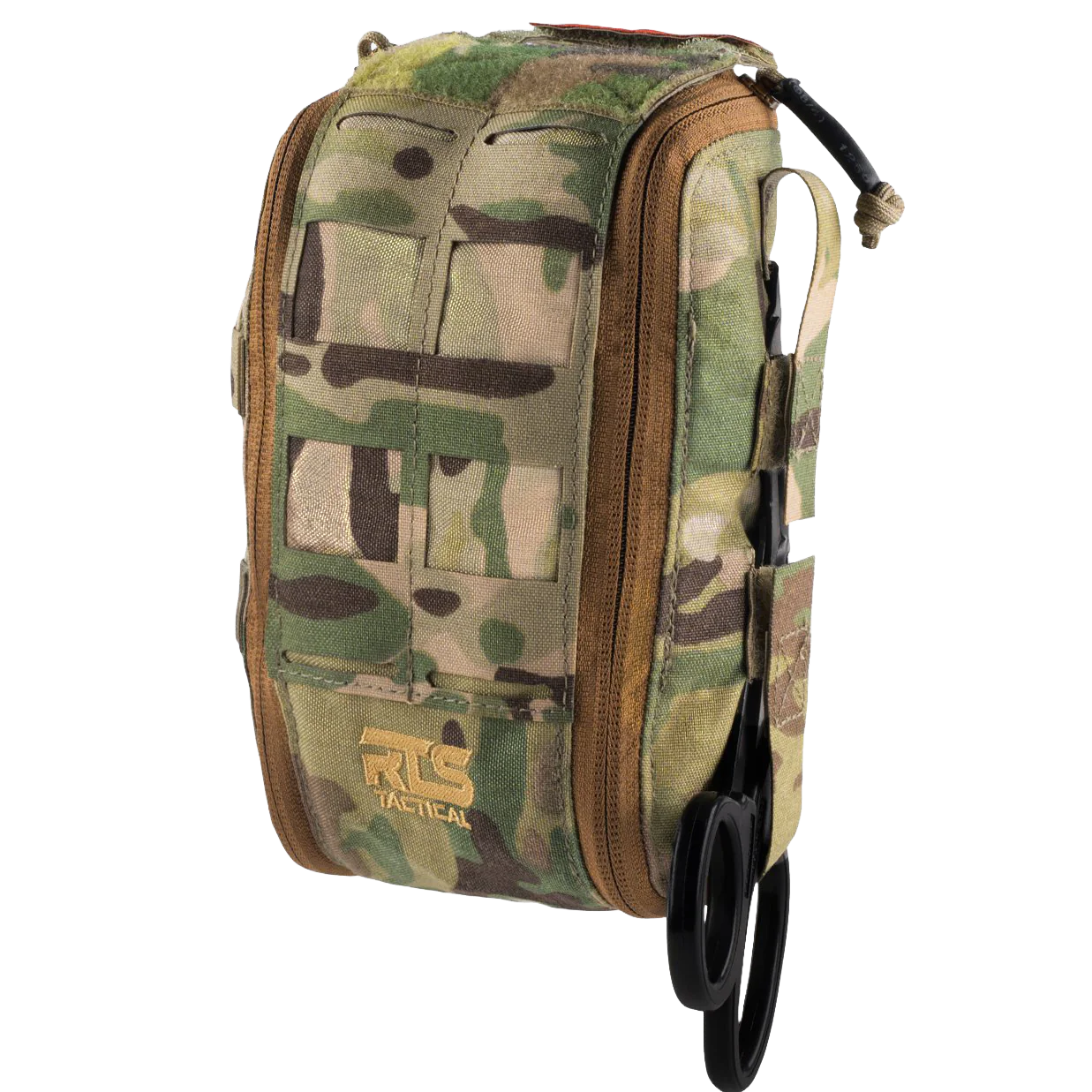
I always have my IFAK reachable with either hand, which means it rides on my belt most of the time rather than my plate carrier.
The best advice I can offer is to be willing to change it up. Set it up according to how you think it will work, and then give it a try. Keep what works, change what doesn’t.
Common Mistakes to Avoid
I will try not to be one of those annoying gun guys who criticize every piece of media that gets stuff wrong, but I can't help it.

If you use TV and movies as a guide to fit your plate carrier, you will have a bad time. One of the most common mistakes I see plate carriers fitting way too low.
Wearing a plate carrier over the center of your torso might be more comfortable at first since it takes some of the weight off your ribcage and lungs, but it hangs all the weight from your shoulders and leaves your most vital organs exposed, which defeats the purpose.
Meet the Experts
Heading up this article is Pew Pew Tactical author Travis Pike. Travis spent a lifetime shooting and hunting before joining the United States Marine Corps, where he spent five years as an infantryman. Travis is also an NRA-certified instructor and concealed carry instructor in the state of Florida.
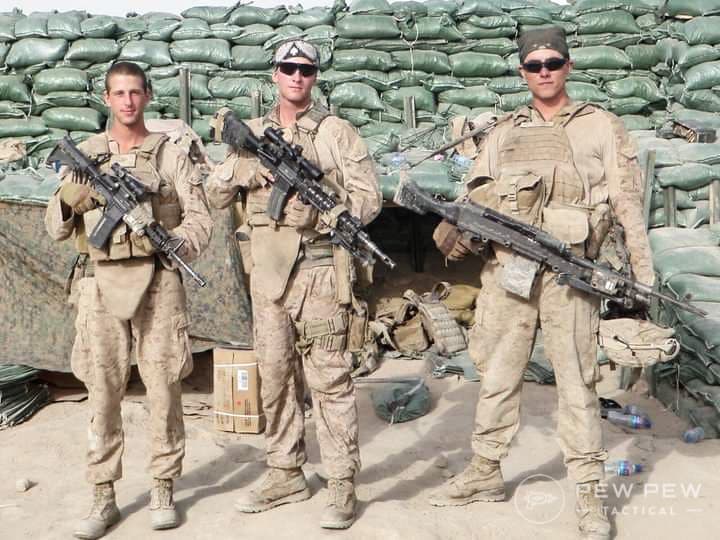
Editing this article is Scott Murdock. Scott is a Marine Corps veteran who competed and qualified as a rifle and pistol expert while in service. In addition to shooting, Scott has written for a variety of publications, testing, researching, and evaluating guns and gear. He brings that knowledge and skillset to this article, editing and fact-checking for accuracy.
Editor-in-Chief Jacki Billings runs our experienced team of reviewers. She is a National Rifle Association Basic Pistol Instructor as well as a member of the Society of Professional Journalists, ACES: Society for Editing, and the Professional Outdoor Media Association. Jacki has a bachelor’s degree in journalism and has worked as a media professional for close to 20 years, specializing in gun media for almost 10 years. With 2,000+ articles to her name, she uses her professional journalism and editing experience to set testing protocols and editorial standards for Pew Pew Tactical.
Final Thoughts
I think too many people focus on the pouch aspect of gear and less on making sure it fits right and works when they use it. If it fits right your comfort and protection will improve drastically.
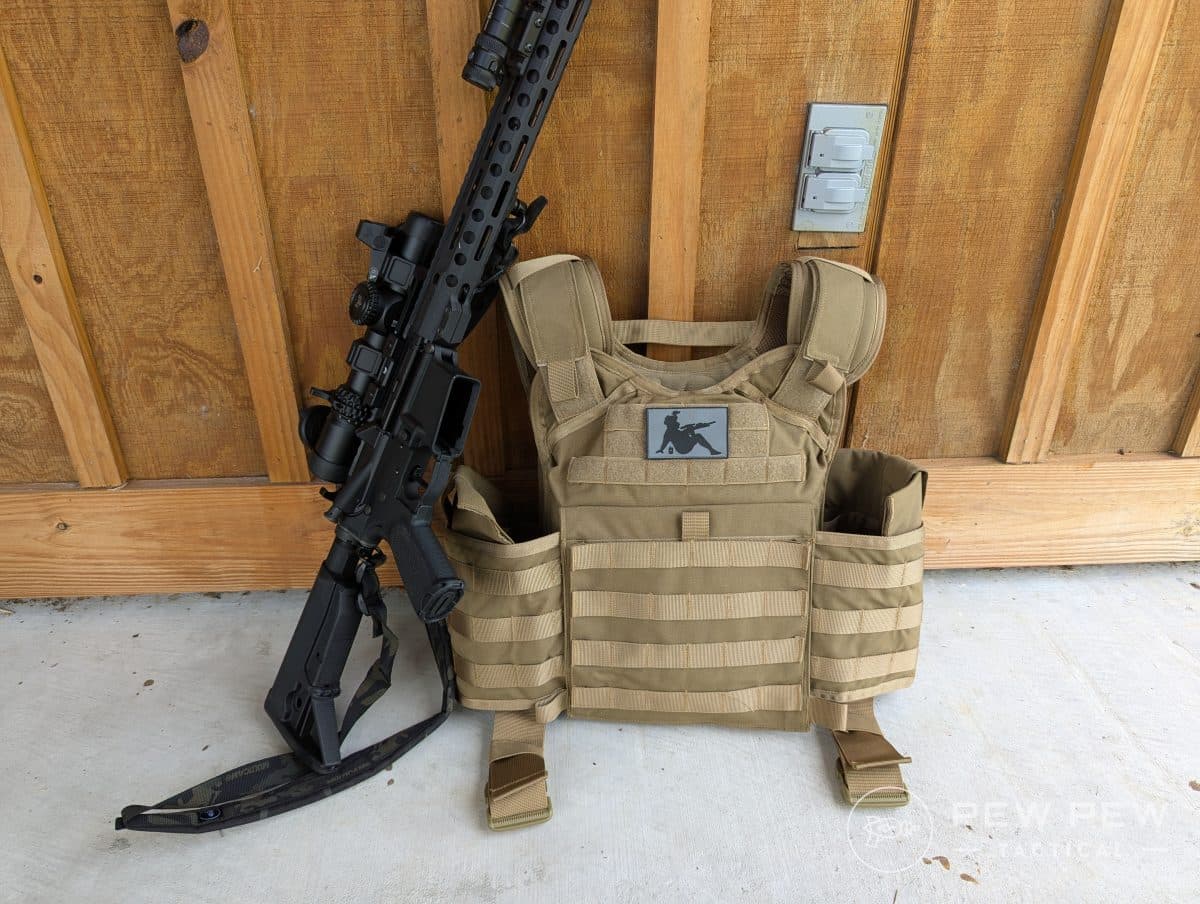
Getting the vitals covered, the right size plates and the proper fit are a lot more critical than where your morale pouch goes.
That's my opinion on it, anyway. What's yours?
Do you have a favorite plate carrier? Let us know in the comments. Want to carry even more gear? Let us show you How to Set Up the Best Battle Belt and Plate Carrier combo!