
Tip of the Week: How to Tape Arthritic or Injured Fingers for Shooting
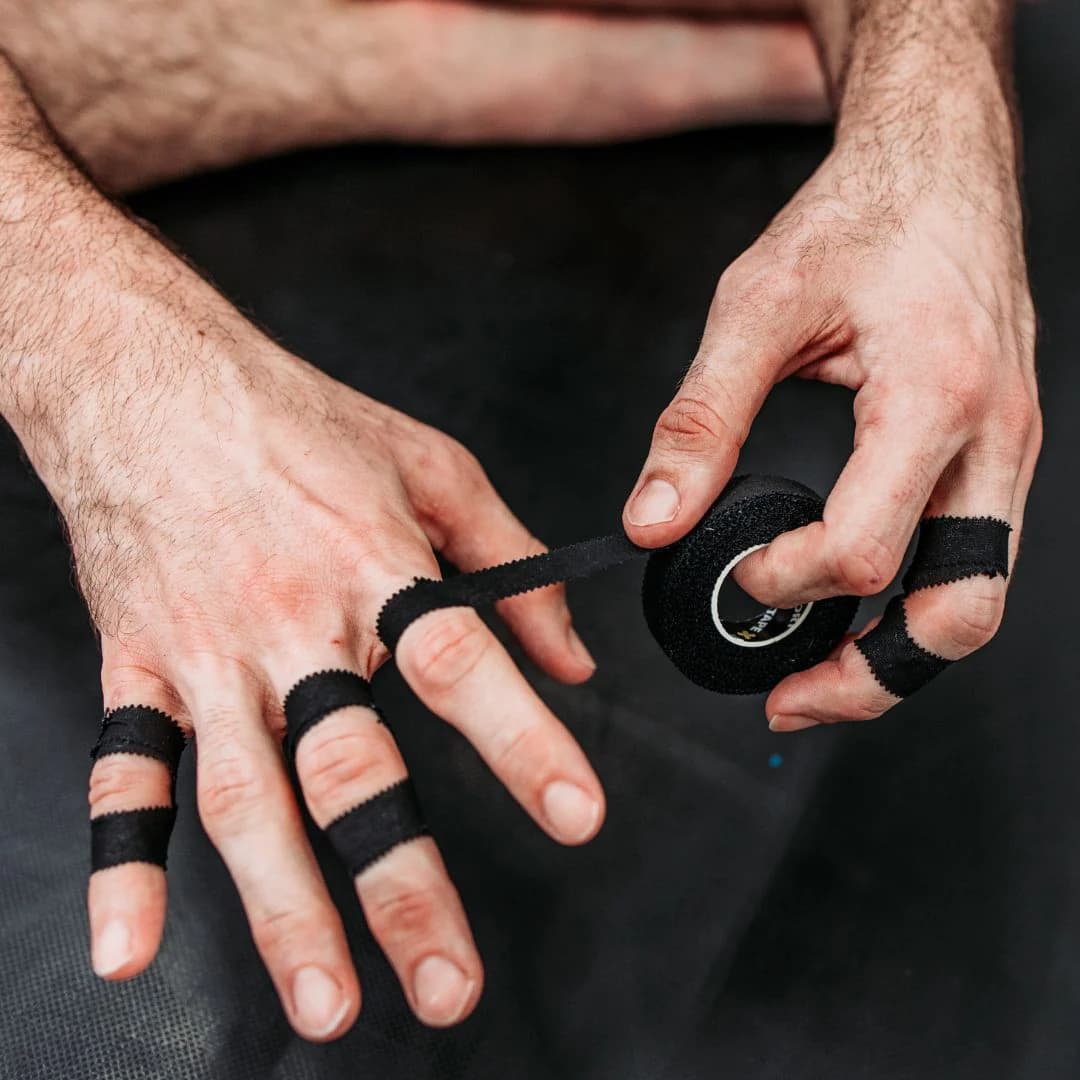
We cover a special method of taping your fingers before shooting to help alleviate some pain for those with arthritic or injured fingers.

PPT Editor. NRA & USCCA instructor. Hunter, former competitive shooter, collector (200+ firearms)
We review products independently. When you buy through links on our site, we may earn a commission to help support our testing. Learn more.
Shooting can become an absolute chore if your hands aren’t quite up to the task.
Whether it is arthritis, injury, or just general fatigue, weak wrists, hands, and fingers can cause people to avoid going out shooting due to sheer discomfort.
I suffer from rheumatoid arthritis and some other nervous issues and inflammatory diseases myself. Over the years, I've used standard-type braces for wrist support, as well as topical pain ointment and other remedies for the main part of the hand itself.
But for the longest time, I couldn’t find a good way to help reduce the pain in the fingers and knuckle joints, especially in a way where it didn’t interfere with a proper shooting grip.
The Secret Method
When most people think of finger taping, they think of a straight wrap around the finger or sometimes taping two fingers together to prevent one from bending too much. While this can be effective when dealing with serious sprains, it typically limits the movements of the finger and knuckle joints.
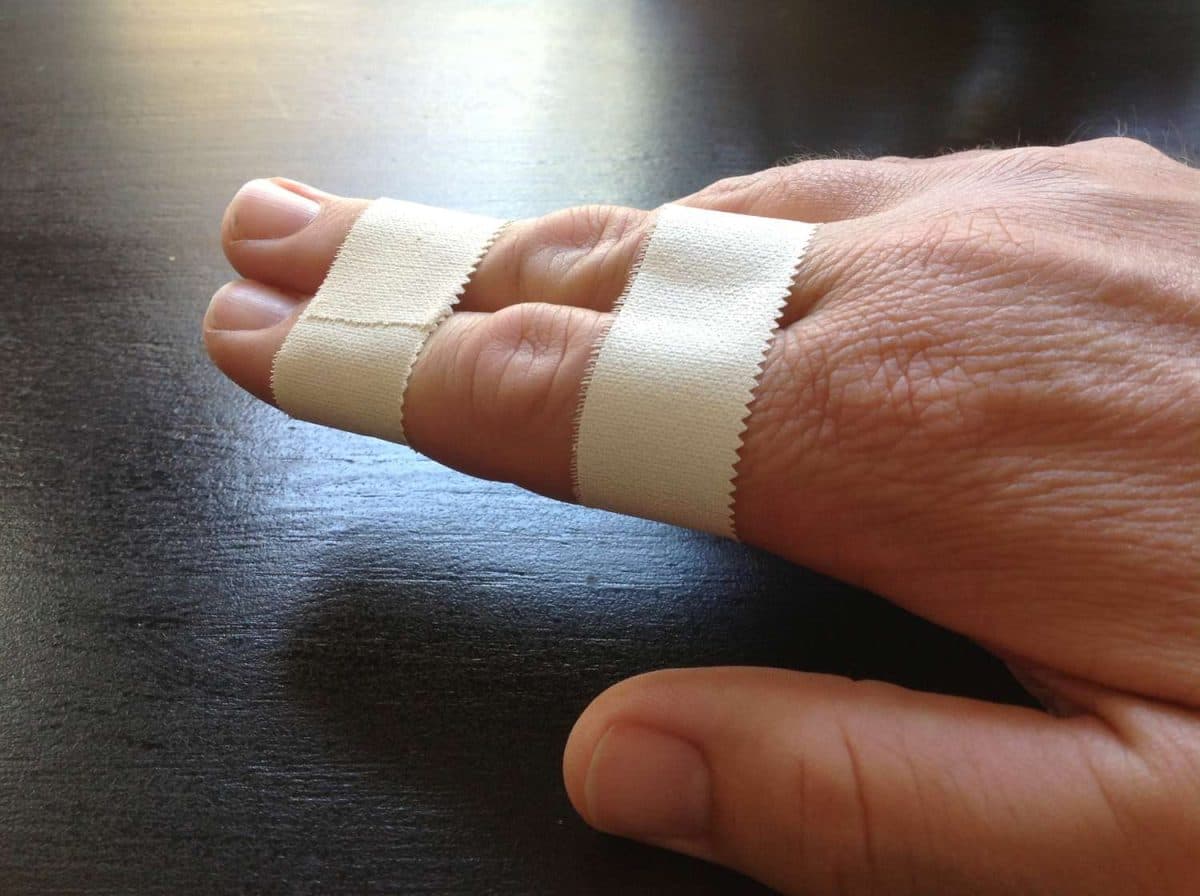
Obviously, the lack of ability to move the fingers freely can prevent you from getting a proper grip, especially on a handgun.
But everything changed when I was doing Brazilian Jiu-Jitsu (BJJ), and someone introduced me to a finger-taping method that they used to help combat swelling and promote grip strength.
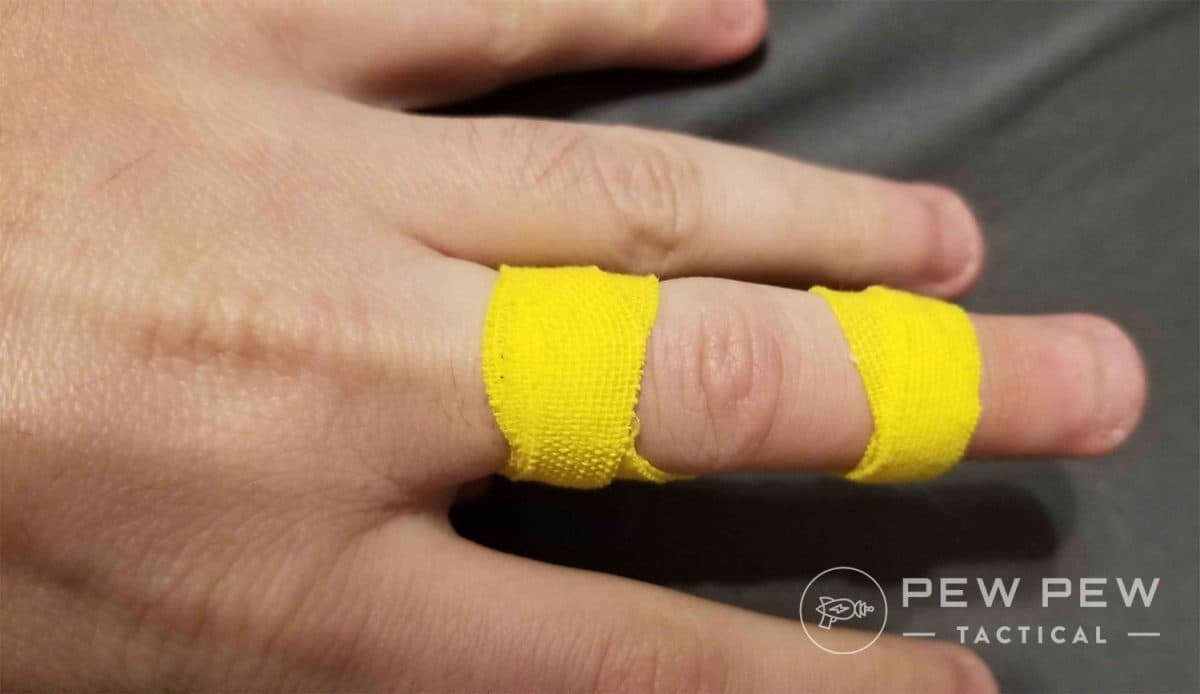
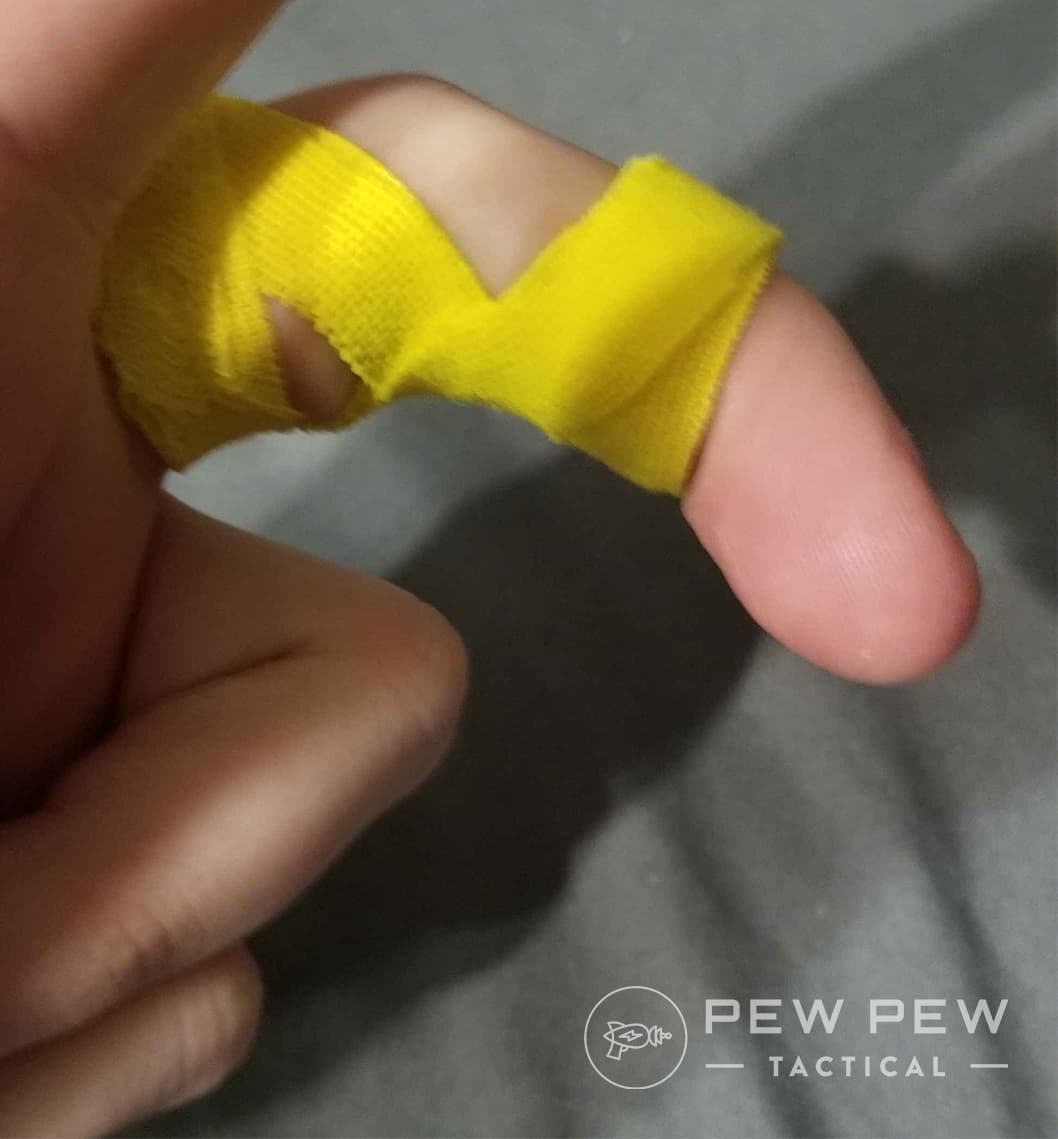
The BJJ taping method leaves the top part of the knuckle exposed, offering a much more increased range of motion compared to a conventional taping method.
This technique involves using skinny pieces of tape to make a ring on either side of the joint, with an x-shaped support that runs along the bottom of the finger.
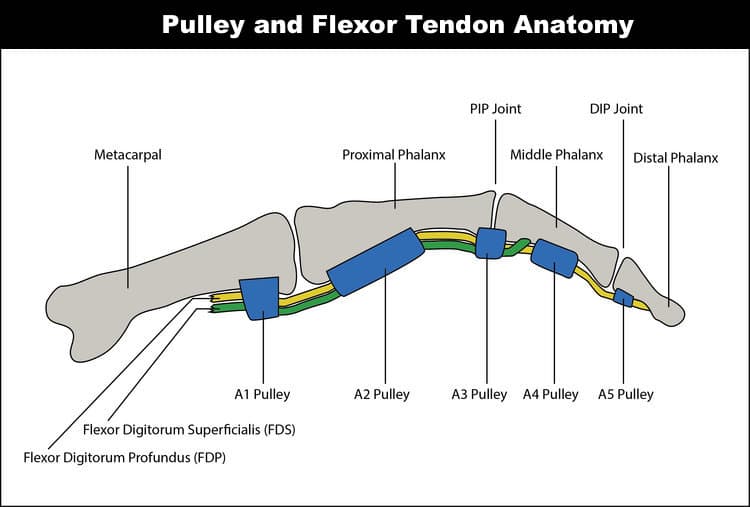
Since the tendons in our fingers are just pulley systems, the tape on the bottom of the finger helps the finger spring back into place, which means you are taking some of the load and strain off of the pulleys and tendons.
The tape itself can also help reduce swelling like normal taping would. Another benefit is that the tape itself can help increase grip on the firearm, especially when your hand is interfacing with a textured surface.
Instead of trying to read through my step-by-step instructions on how to apply the tape, check out this excellent tutorial video from Stasis Jiu-Jitsu & Yoga.
Does It Actually Work?
I try not to rely on taping unless I absolutely need it. But when I do use it, it always seems to help or, at the very least, prevent things from getting any worse.
While this technique is most closely associated with martial arts, I have used it over the last eight or so years for various other things such as shooting, woodworking, typing, and general day-to-day activities.
I have never had any ill effects other than the occasional itchiness that can come with the combination of tape and sweat.
I have also taped other people’s fingers this way, with most people letting me know after a day or two that it helped.
Considerations
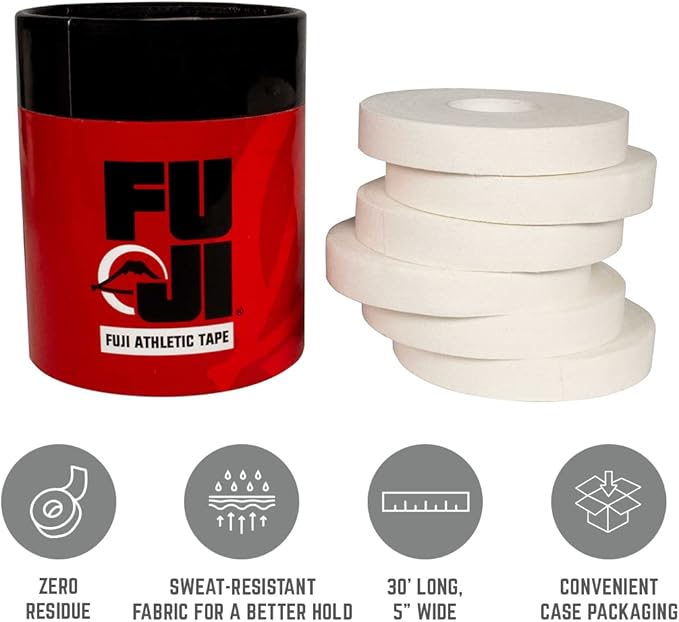
As the above video mentions, different types of tape can be used. While athletic tape and hockey tape used to be the most prevalent, you can now buy pre-cut skinny jiu-jitsu finger tape right from Amazon.
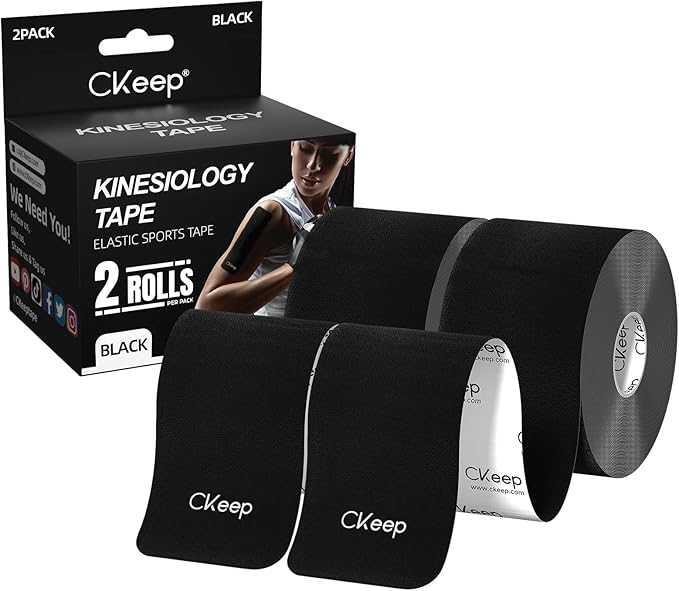
One type of tape that wasn’t mentioned in the video is kinesiology tape, also known as k-tape. This type of tape has much more stretch to it, which allows for a less restrictive feeling and even more range of motion, but at the cost of being less supportive than stiffer tape.
I like to use k-tape on my trigger finger sometimes to allow for more range of movement, but I also use it on other fingers to reasonable effect as well. Since k-tape doesn't come in thin strips, I just use scissors to cut it to an appropriate width.
Tape can absorb much of what it comes in contact with, such as gun oil, lead, carbon, and other nasty stuff. If you shoot with tape on, remove it shortly after you are done with your range session so you can thoroughly wash your hands to avoid any contamination. Apply clean tape after if necessary.
Also, be sure to not leave the tape on for too long. I usually keep the tape on for no more than 2-6 hours at a time to avoid any blood flow or skin issues. If it feels uncomfortable, take it off.
Final Thoughts
Everyone’s physiology is different, and finger taping may not be comfortable or effective for you. But for those who suffer from finger and joint pain, it is worth a try at least once to see if you get any relief.
Shooting is a perishable skill, and I strongly believe in finding ways to mitigate and work through some discomfort to try and get a bit of practice in if you can — even if it is just a few mags.
What do you think of this taping method? Do you have a technique that you use to help with finger pain and swelling? Let us know in the comments below! If you suffer from diminished hand strength, be sure to check out our article on How To Rack a Pistol Slide With Weak Hands.