
[History] The Sten Gun: From WWII to Now

We take a look at the Sten and why this submachine gun built in a home workshop took Europe by storm during WWII.
We review products independently. When you buy through links on our site, we may earn a commission to help support our testing. Learn more.
Perhaps no other weapon signifies the role of resistance fighters throughout World War II better than the unmistakable Sten gun.
Its crude metal appearance gives it a made in someone’s garage vibe...and with good reason. It very well might have been.
Thanks to its few working parts, and the easy-to-make design, the Sten gun was made in partisan workshops throughout World War II.
Had it not been so, the outcome of the war may have been very different indeed.

So what is it that makes the Sten gun so special?
Well, let’s take a deeper look to show you just why the Sten gun was one of the most indispensable weapons of war for the heart of Europe.
Table of Contents
Trending: Best AR-15s, Best Pistol Lights (Re-Test), & Ammo in Stock
Where It All Began
The British were toast.
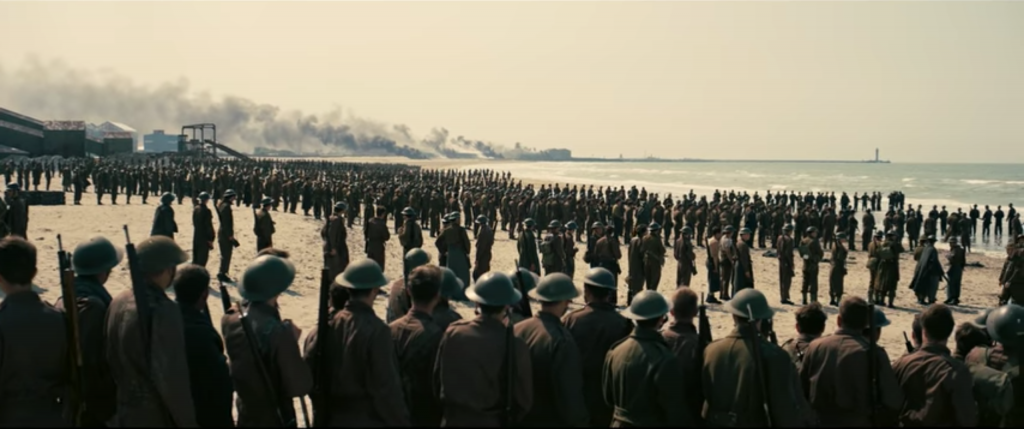
Dunkirk failed spectacularly, and though a hastily put together ad hoc fleet of civilian vessels was able to evacuate over 330,000 British troops ver 10 days, there wasn’t enough room for a lot of the weapons.
The result?
While the men were saved, roughly 11,000 machine guns and tens of thousands of rifles, pistols, and submachine guns were left behind in the sand.
Consequentially, that left England unarmed.
Though the soldiers’ rescue was admirable, should the Germans decide to attack English soil, the Brits now had no way to repel them.
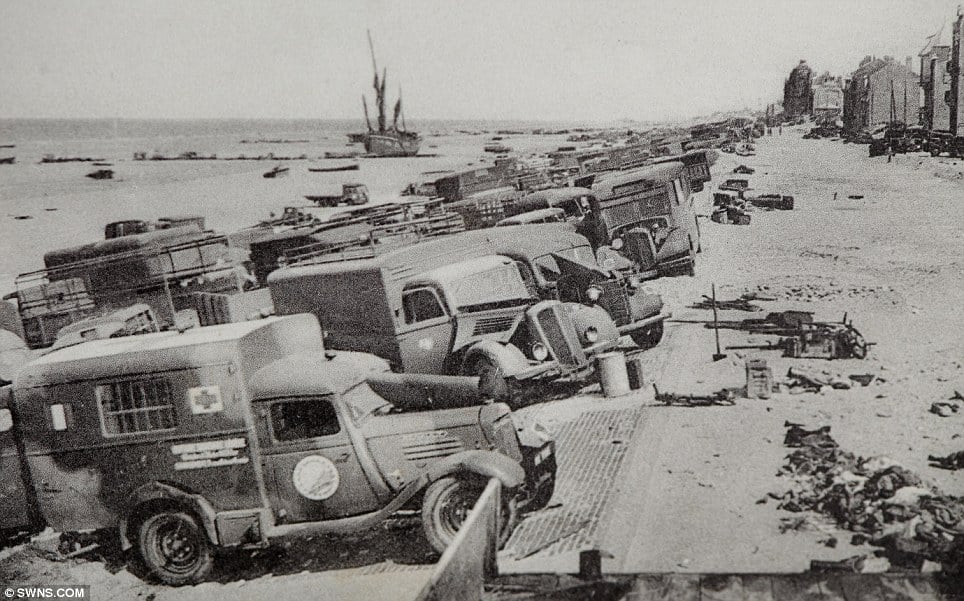
Britain’s Home Guard (their version of our National Guard) comprised roughly 1.5 million men; but, so starved for weapons, they began to run drills with broomsticks.
I know bringing a knife to a gunfight is bad, but a broomstick? You may as well just stay at home.

To further complicate the issue, the few weapons the British did have weren’t as effective as the German arms for close combat.
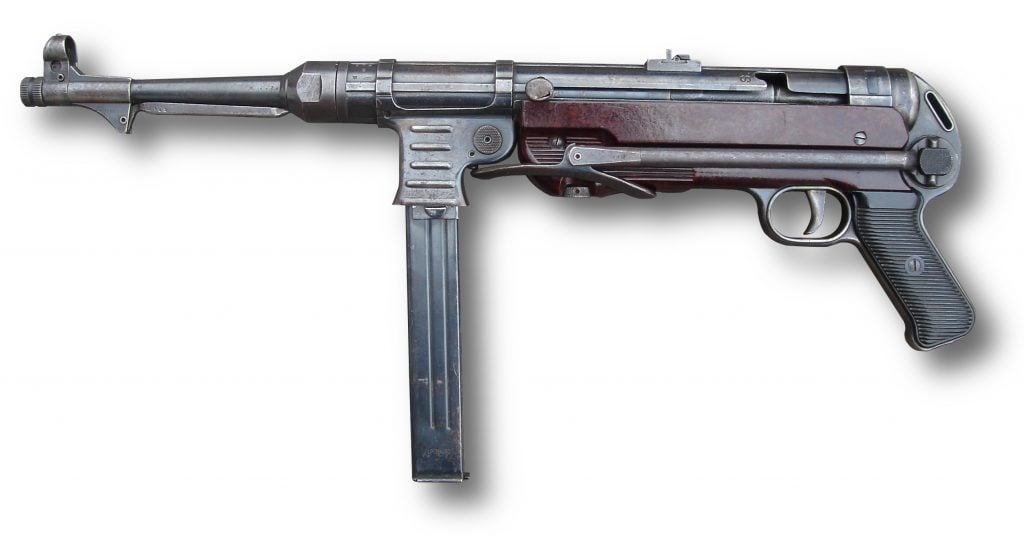
The British relied on bolt-action .303 Lee-Enfield No.4 rifles with 10-round magazines, while the Germans used 9mm automatic MP38 and MP40 submachine guns.

While the Lee-Enfield would prove superior over longer distances, much of World War II was fought in urban environments. This meant a slower rate of fire could easily end with the rifle laying in a bloody patch of dirt.
Something needed to be done, and it needed to be done fast. The fate of Great Britain, and perhaps the war, depended on it.
Birth of the Sten
Major Reginald Shepherd and Harold Turpin worked together for years – both small arms and engineering experts at the Royal Small Arms Factory Enfield after the failure of Dunkirk.
They knew if someone didn’t churn out some type of inexpensive, easy to make, submachine type weapon to compete with the MP38 and MP40, their country was doomed.
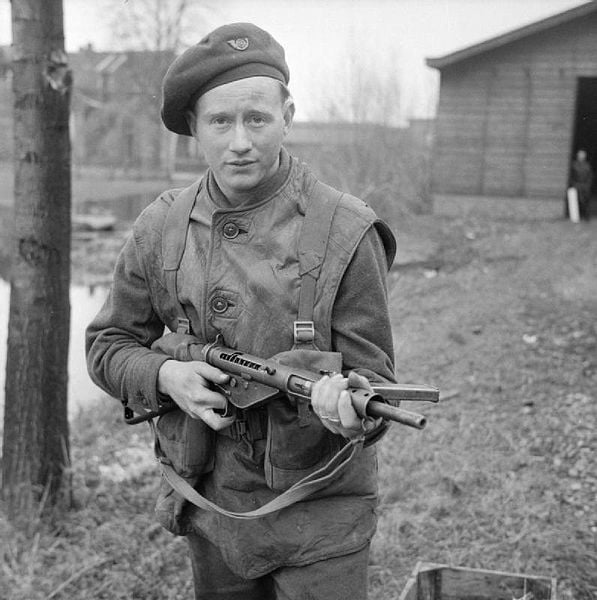
Working mainly after hours, the pair began designing a suitable gun in December 1940.
Parts of the prototype were created in Turin’s home workshop, and 36 days after the first idea, the T40 was born.

By March 7, 1941, the T40 was approved for military use, and 100,000 guns were ordered.
The only change the gun saw during this time was its name. Out went the T40, and in came the Sten gun.
Its name served as an acronym -- ‘S’ for Shepherd, ‘T’ for Turpin, and ‘EN’ for either Enfield or England (there’s a bit of debate as to which).
Sten Variants
Mark I
With British military approval, both Great Britain and Canada began cranking out large volumes of the first version of the Sten gun – the Mark I.
Due to its design, this proved relatively easy to do.

A blowback-operated submachine gun made from machined steel, it took roughly five man-hours to make just one gun.
Production cost equaled roughly $10 at the time. Today, that’s about $130 per weapon. Not bad.

All in all, it took only 47 different parts to craft a workable Sten. Out of these 47 parts, only two of them – the barrel and the bolt – needed machining.
Ironically, the Sten utilized 9mm Parabellum ammunition -- a round specifically designed for the German military and their infamous pistol, the Luger.
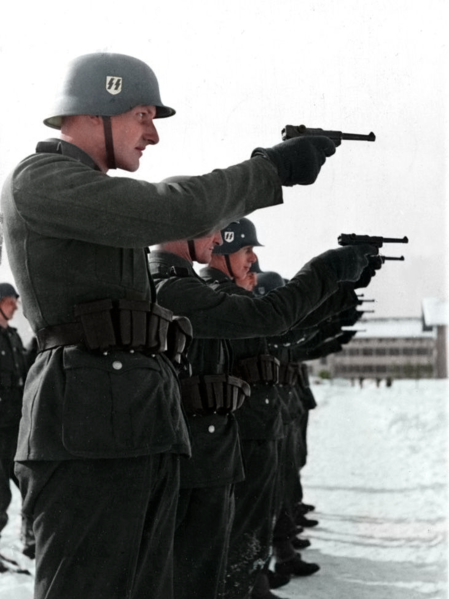
Yes, the 9mm round was a good one, but there was also an ingenious practicality about using this ammunition.
To successfully repel the Nazis, resistance fighters needed ammunition. What better way to get it than by harvesting it off dead soldiers and at conquered German supply stores?
As such, there would virtually never be a shortage of ammunition for the Sten.

The magazine for the Sten was a blatant copy of that used for the German MP40 as well. Unfortunately, this led to some problems.
The MP40 relied upon a dual-stacking, single-feed mechanism – a design prone to jamming.
Somewhat alleviated by not filling the 32-round magazine with any more than 30 rounds, it still occasionally caused issues.

Mark II
As with most weapons, the Sten went through a number of upgrades as time went on.
While the Mark I had a wooden foregrip and flash hider, production could be amplified by removing these accessories.
As a result, the Mark II quickly grew into the most famous of the Sten Mark variants.
It offered no barrel jacket. Adjustments were made to the safety slot, and the magazine housing now swung down to protect the feed ejection openings against dirt.

Production cost for the Mark II came in around 2.87 British pounds per gun.

The Best Gun Deals, Coupons and Finds
Subscribe to Pew Pew Tactical's sales and deals email.
Mark III & IV
The next iteration, the Mark III, decreased costs further. However, this came at the cost of concealability due to the fixed magazine housing and non-removeable barrel.
A final model, the Mark IV, was produced but never issued.
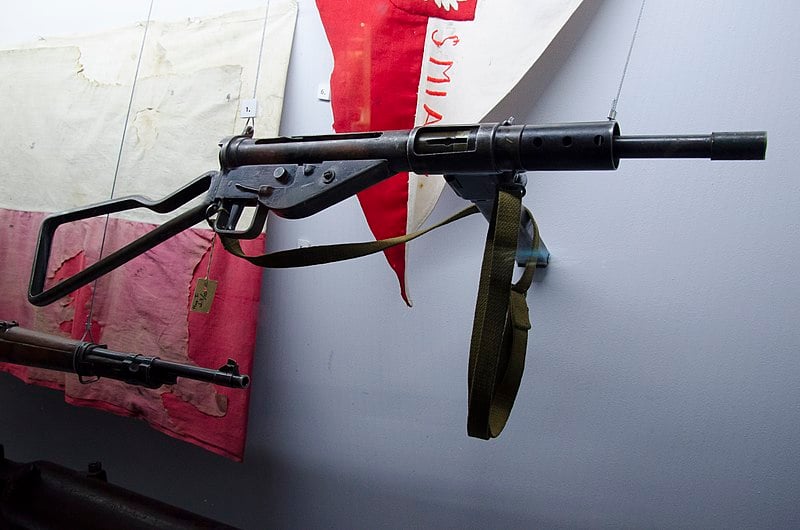
Mark V
By the time the Mark V came around, the British seemed to have a bit more leeway when it came to making more professional weapons.
As such, the Mark V featured a wooden grip and stock and could accept a bayonet.
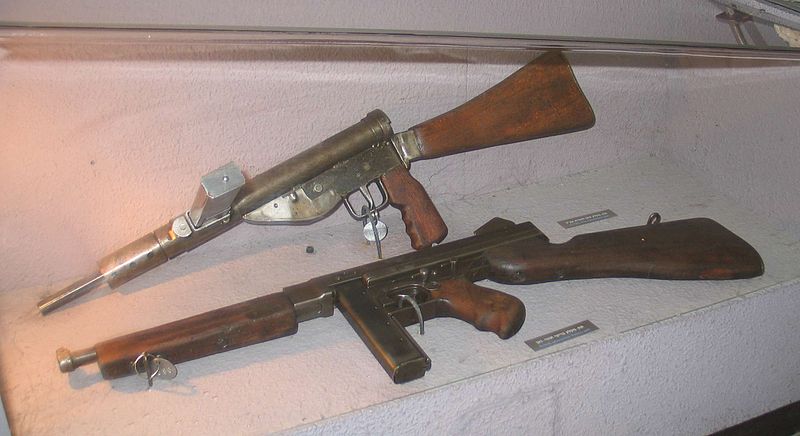
It later played a significant role in the Battle of Arnhem.
A Few Flaws
Though an effective combat weapon, the Sten certainly had its flaws. Chief among these -- its tendency to fire uncontrollably in full-auto.
If bumped with enough force, the recoil spring could chamber a round. That’s something that could easily turn into an issue.
Such an action wounded four parachutists on November 16, 1942. Others accidentally killed themselves with their own weapons when dropped.
However, creative troops soon found a use for such a malady...by using a loaded Sten as something of a grenade.

When Germans hid inside any form of structure with a window, Allied troops could throw a loaded Sten through the glass. Upon impact, it would go into an uncontrollable full-auto burst.

The other main problem the Sten gun faced was jamming.
Aside from the magazine design, the incredibly long opening in the weapon where the cocking handle sat contributed to this problem.
Dirt and debris could easily enter the port, and the weapon would refuse to fire as a result.

The most famous example of this issue came during Operation Anthropoid – a quest to kill the mastermind behind the Final Solution responsible for much of the Jewish genocide, Reinhard Heydrich.
Also known as The Butcher of Prague, Heydrich was traveling in an open-top Mercedes when a Czech agent fired at him with his Sten from point-blank range.
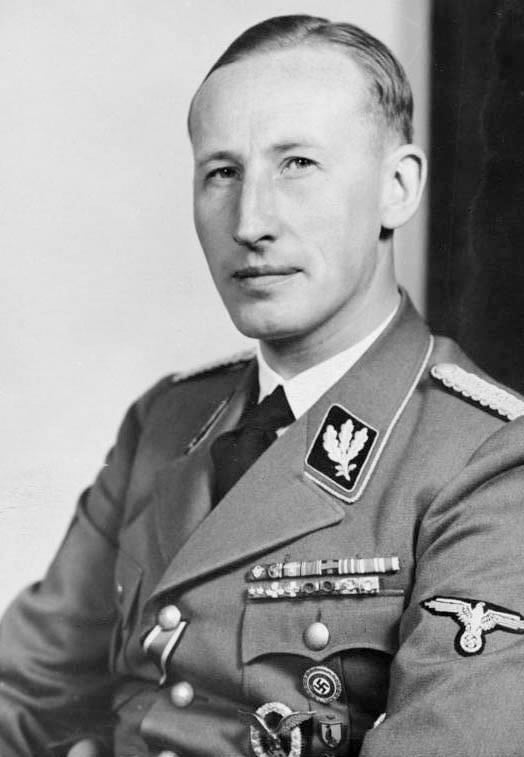
The gun jammed before letting out even one shot.
Thankfully, a compatriot of the agent had a grenade handy, which he deftly tossed into the Mercedes.
It filled Heydrich’s torso with shrapnel and leather upholstery, and The Butcher died from blood poisoning just a few short days later.

The Sten, British Troops, & Resistance Fighters
There was a lot of initial skepticism amongst the British troops in regards to the Sten.
It looked ugly and crude, lacking all of the sophistication of other weapons soldiers previously used.

And it didn’t help that the first true combat test, Operation Rutter, failed. (In part because the Stens issued prior to the raid came clogged with the packing grease they shipped in.)
A full 60% of Allied soldiers at Dieppe were killed, wounded, or captured as a result.
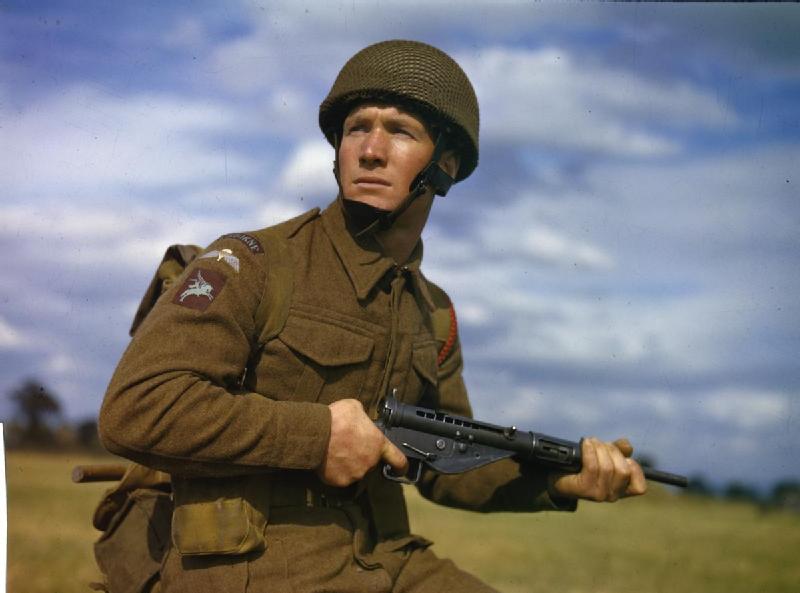
Despite this, the Sten quickly grew to become a favorite of British airborne troops and glider forces.
Its rapid rate of fire – over 500 rounds/minute -- simplicity and ability to fire in either semi- or full-auto made for an excellent close-quarters combat weapon.

“When you went into a village or went into a house, whatever it was, it was a reliable weapon. It wasn’t a reliable instrument for anything over 100 yards, but for anything close-quarters, it was very reliable,” Alan Lee, a member of the British Parachute Regiment during WW2, recalled.

Our Most Popular Posts


Resistance Fighters
From the start, the Sten gun proved a favorite of resistance fighters throughout Europe.
The Allies dropped tens of thousands of them via parachute throughout Nazi-occupied regions as well as to the Chinese attempting to fight off Japan.
As a result, it easily became one of the most common weapons found amongst underground movements.
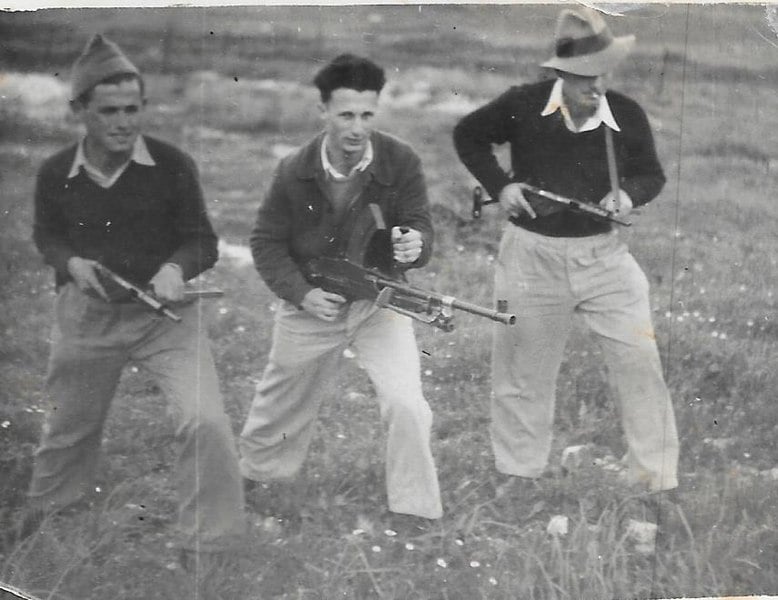
Due to the low cost and easy-to-make design, several partisan units throughout Europe ended up crafting their own in-basement workshops.
The Danish resistance made around 1,000 of their own Sten guns, while the Norwegians created roughly 800 and Polish resistance fighters manufactured around 1,300.
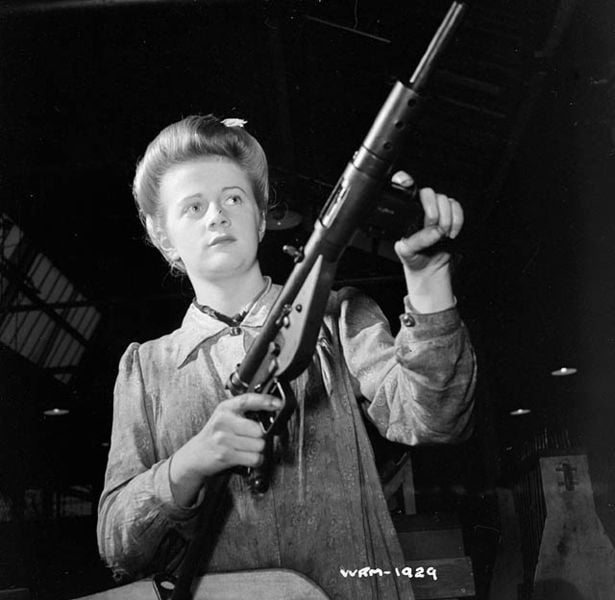
Interestingly enough, the production of Polish Sten guns involved nearly everyone from metal workers to local blacksmiths, resulting in a true hand-crafted weapon.
Due to its simplicity, it took virtually no training to become proficient.
Once someone knew how to load and unload the weapon, you had a resistance fighter.
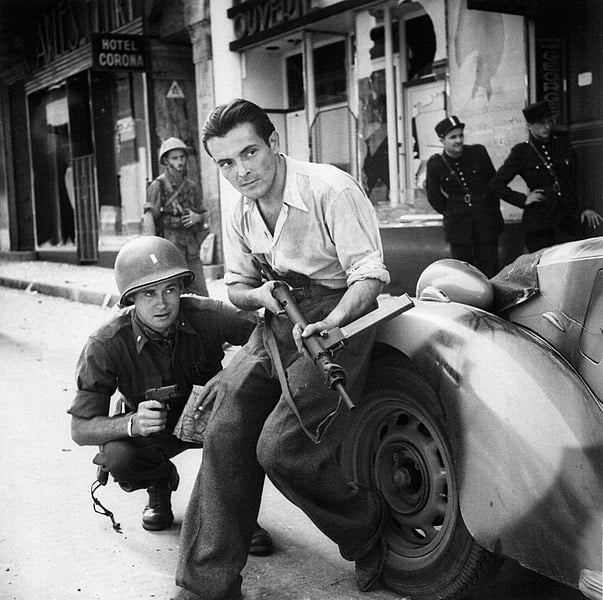
And due to the weapon’s removable stock and barrel disassembling in seconds, it was readily concealable as well.
This alone was of extreme importance to resistance fighters.
The Nazis were not known for their mercy. Anywhere Sten guns were found was viewed as proof that British-supported resistance fighters were in the region.
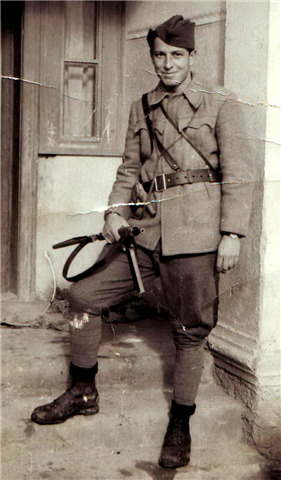
This was a threat to everything the Third Reich stood for, and it would not be tolerated.
In 1942, Reichskommissar Josef Terboven found a Sten gun hanging by parachute in a tree while in Norway and decreed that any members of the populace found in possession of such a weapon would be executed.

Similar decrees sprang up throughout the rest of occupied Europe as well.
One single British-made 9mm round found under a farm’s haystack by Germans in France doomed the entire family living there to death.
These actions were commonplace and meant to send an unmistakable message: defy the Nazis, and such a fate awaits you.
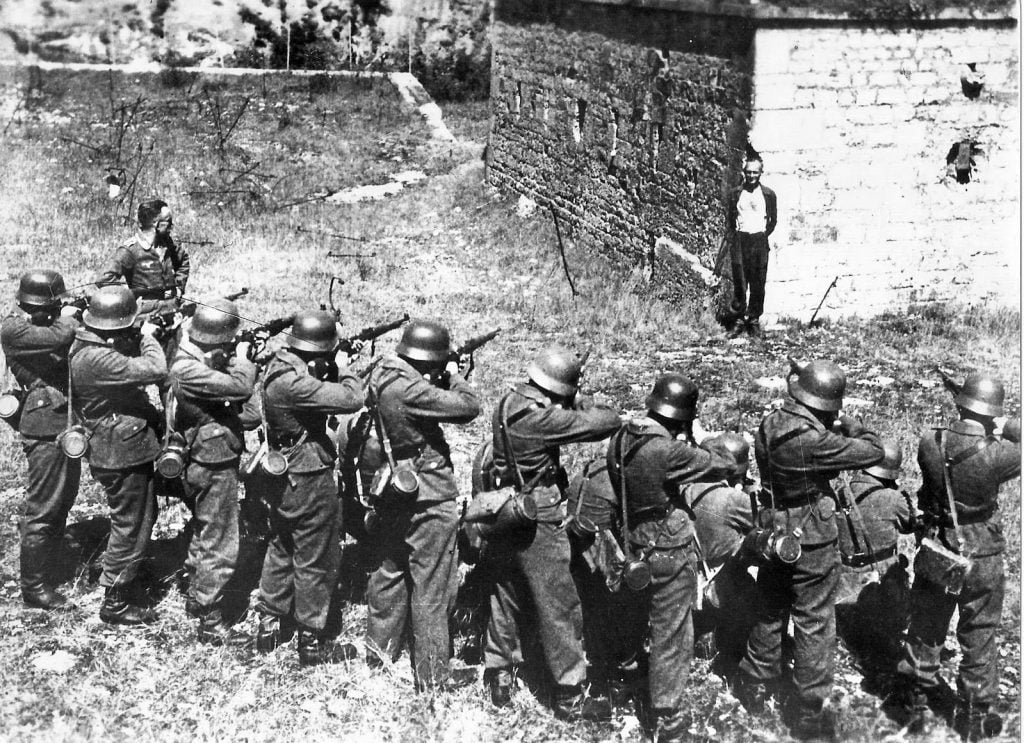
As a result, resistance fighters hid Stens and other weapons in obscure places. So obscure, in fact, that some of them are still found today.
In 2017, a French couple renovating their home in Burgundy found a cache of three Sten guns, 15 magazines, over a thousand rounds of ammunition, three pistols, and over a dozen grenades positively tied to a French Marquis resistance fighter that had lived at the house decades prior.

Stens in the Modern Era
“The Stench Gun,” as it was affectionately called, remained in service until the 1950s. But, its usefulness led to infamy, even in modern times.
During Ireland’s “Troubles,” the IRA raided a Northern Ireland British Army barracks, making off with 50 Stens.

Al-Qaeda weapons caches have been found containing Stens.
Not to mention, copies of the Mark 2 popped up amongst the Viet Cong during the Vietnam War.
Though it served its time in WWII, it remains relevant today as an iconic piece of history.
Due to its full-auto capabilities, it does fall under the National Firearms Act, meaning that owning one can be tricky.
But for those die-hard fans who want a Sten gun of their own, parts kits are available to DIY one yourself – a non-full auto version, of course, lest the ATF come knocking.

Conclusion
The Sten gun earned its place in history as one of the most easily identifiable and useful weapons of all time.
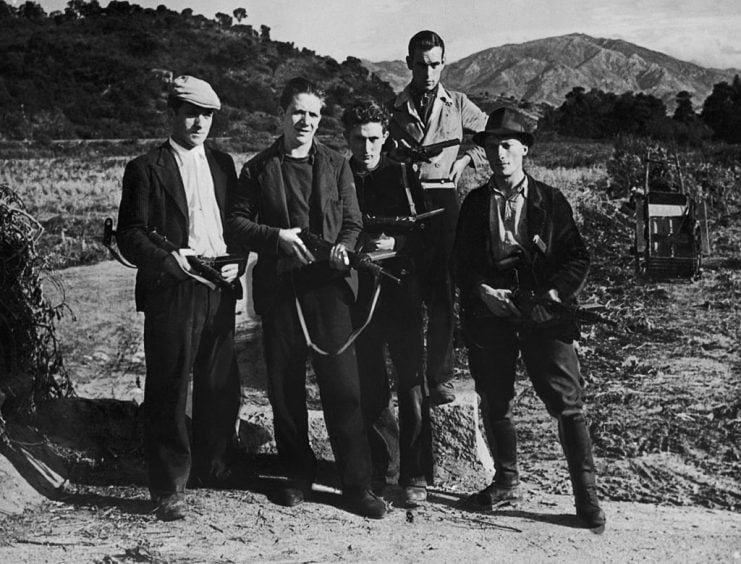
Though it had its flaws, had it not been for the Sten, the Europe of today would look like a very different place.
Are there other aspects of the Sten that we didn’t cover? Have you ever had the opportunity to use one? Let us know in the comments below! Want another historical perspective of two very popular guns? Check out our look at the Galil and HK MP5.