
[History] Heckler & Koch MP5: A Pop Culture SMG Icon

Ready to take a walk through memory lane? We're looking at the history of HK's iconic MP5 submachine gun and its influence on the world.
We review products independently. When you buy through links on our site, we may earn a commission to help support our testing. Learn more.
What's the most famous firearm out there? The AK-47? The AR-15 and its variants?
The Glock or 1911? All are worthy contenders of the title, but there’s one firearm in particular that comes to my mind...the MP5.

The Machienpistole 5 might be Heckler and Koch's most popular weapon.
Not only was the MP5 utilized by elite police and military forces, but it became massively popular in the civilian realm of firearms ownership.
Today we are going to be talking all about MP5.
We’re going to explore the weapon's storied history, its popularity, and what made it such a worthwhile firearm.
And who better to help than my buddy Mark Miller. Mark is a fellow firearms writer and owner of Paragraph 4 media. Oh, he was also a Green Beret and later a Customs Officer armed with an MP5.
He attended the German MP5 Armorers course and has more experience than most.

When digging into this iconic firearm's history and popularity, I figured it was worthwhile to let someone who had regular experience handling it weigh in.
So, let’s dive in!
Table of Contents
Trending: Best AR-15s, Best Pistol Lights (Re-Test), & Ammo in Stock
Heckler, Koch...and Siedel?
We can't talk about the MP5 without talking about Heckler and Koch.
HK was founded by three men, Edmund Heckler, Theodor Koch, and Alex Seidel.
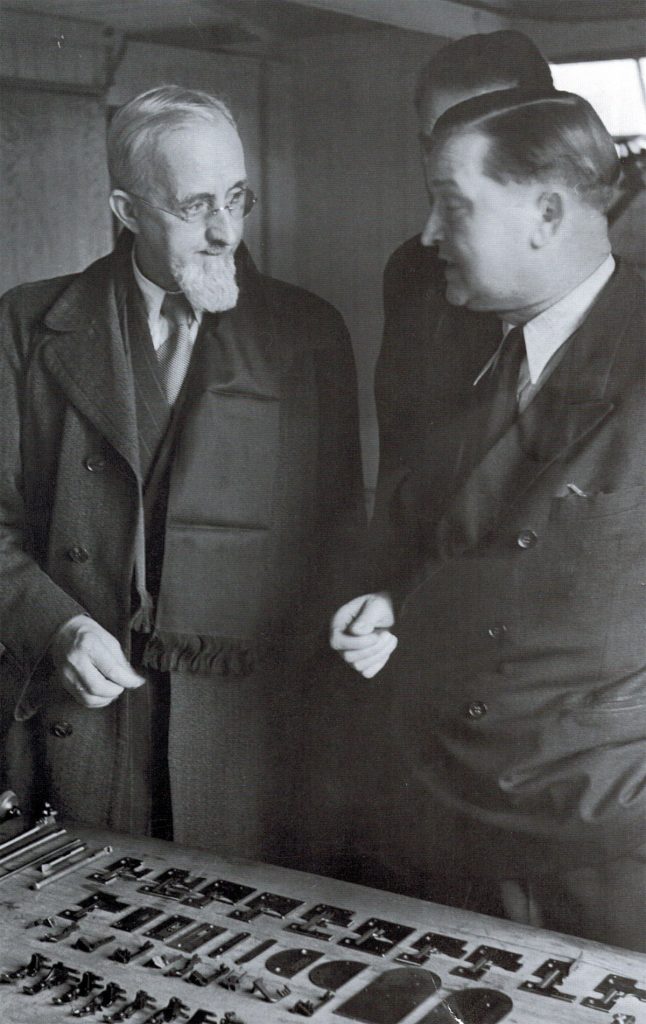
Though poor Alex never got his name on the logo. (I can't seem to find a definite reason why.)
These three fellas came together in 1948 on the heels of World War II, previously working together as engineers at Mauser.
When they started the Engineering Office of Heckler and Koch, they produced various goods that included sewing machine parts, tools, and other items that were in no way related to firearms.

It wasn't until 1956 that HK produced its first firearm – The G3 battle rifle.
The German Federal Army, a.k.a. the Bundeswehr, needed a new rifle. In response, HK churned out the G3.
With the submission of the G3, HK began its long fascination with roller-delayed blowback systems.

Shortly after that, the HK54 submachine gun was developed, which evolved into the MP5.
A Star Is Born
The year was 1969, and it was a good one. We got the Beatle's Come Together, a gun-filled film called The Wild Bunch, and we even landed on the moon.
HK also had a good year as the MP5 debuted. Development started in 1964, but it would be a few years for the MP5 would land in the hands of shooters.

In 1966, the MP64 -- the MP5’s name at that point -- gained its first users in the German Federal Police, border guard, and special operation's troops.
As the 1960s gave way to the 1970s, HK released numerous models of the MP5.
Models and Designations
- MP5 - Original MP5s has slotted aluminum handguards and a fixed buttstock
- MP5A1 - MP5 with a collapsing stock
- MP5A2 - The MP5A2 saw the addition of traditional MP5 hooded front sight and drum rear sight with changes were done to the barrel beyond the handguard to better accommodate muzzle devices. Fitted with a fixed stock and SEF trigger group.
- MP5A3 - Same as MP5A2, but fitted with collapsing stock.
- MP5A4 - Fixed stock, outfitted with 3 round burst trigger.
- MP5A5 - Collapsing stock, outfitted with 3 round burst trigger.
- MP5/10 - 10mm variant
- MP5/40 - 40 S&W variant
- MP5K - Kurz version of the MP5, aka the compact variant. No stock, vertical foregrip, short 4.5-inch barrel.
- MP5KA1 - Smooth upper receiver, low-profile iron sights, and SEF trigger.
- MP5KA4 - Regular iron sights with four-position 3-round burst trigger.
- MP5KA5 - Smooth upper receiver, low-profile iron sights, and a four-position 3-round burst trigger group.
- MP5K-N - "Navy" trigger group and 3-lug/threaded barrel for mounting suppressors
- MP5K-PDW - Personal Defense Weapon, adds a side-folding stock, 5-inch 3-lug barrel for mounting a quick-detachable suppressor, and an ambidextrous 4-position trigger group with a 3-round burst mode.
- MP5SD - MP5 designed with an integrated suppressor system. Smaller and more compact than an MP5 with an attached suppressor.
- MP5SD1 - No stock and SEF trigger
- MP5SD2 - Fixed stock and SEF trigger
- MP5SD3 - Collapsing stock and SEF trigger
- MP5SD4 - No stock with 3-round burst trigger
- MP5SD5 - Fixed stock with 3-round burst trigger
- MP5SD6 - Collapsing stock with 3-round burst trigger
- MP5SD-N1 - Fixed stock, "Navy" trigger group, KAC suppressor
- MP5SD-N2 - Collapsing stock, "Navy" trigger group, KAC suppressor
The Birth of Terrorism & Its Effect on the MP5
The MP5 spread across the globe rapidly, adopted by 40 countries and countless police and military forces.
But why was the MP5 so successful?
Well, it’s a lightweight, easy shooting, accurate, and ergonomic firearm. Not to mention, it’s reliable to a fault.
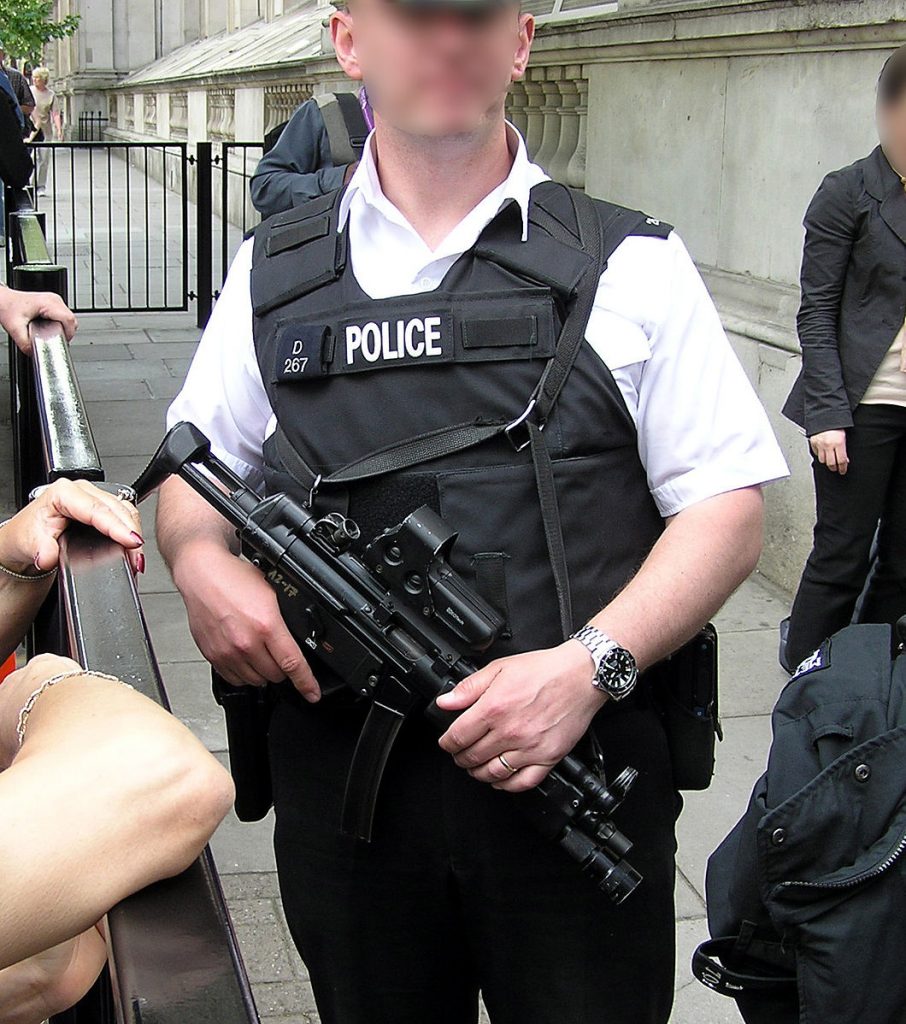
All good reasons leading to success, but that's not what makes a gun go “viral,” for lack of a better term.
Nope, we can't look at this gun in a vacuum because the world around the MP5 shaped it.
In the late 1960s and throughout the 1970s, history saw the birth of modern terrorism.
Airline hijackings, bombing, assassinations, kidnapping, and hostage situations occurred in first-world nations in numbers not seen today. It was rampant across the globe.
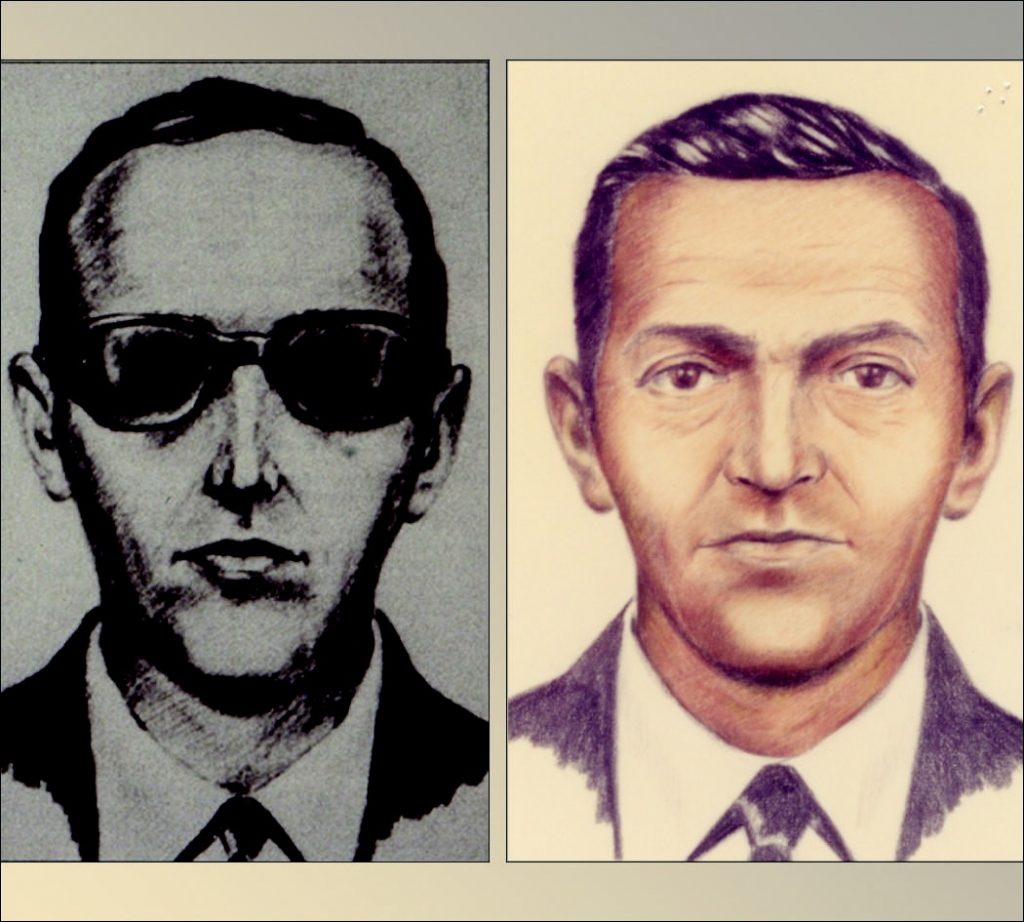
In 1969, the world witnessed terrorists kidnap an American ambassador in Brazil and the murder of Israeli athletes in Munich. In 1970, Palestinians hijacked five commercial airliners while terrorist Carlos the Jackal was in his prime.
The rise of terrorism meant the rise of anti-terrorism forces in both police and military units.
However, rifles at that time were not well-suited for close quarter's combat.

Guns like the G3, FN FAL, and M16 were rather large rifles and couldn’t accommodate the needs of the CQB fighter.
Military special operations and police counter-terrorism units needed a smaller, lighter weapon. One that was easy to shoot and handle in close confines.
For the era, this meant a submachine gun.

The Best Gun Deals, Coupons and Finds
Subscribe to Pew Pew Tactical's sales and deals email.
SMGs
Gun nerds are well aware that SMGs were everywhere in the 1960s, 70s, and 80s.
Since World War II, the SMG had acted as a mainstay of combat firearms.
So, in a world already full of submachine guns, how did the MP5 succeed?
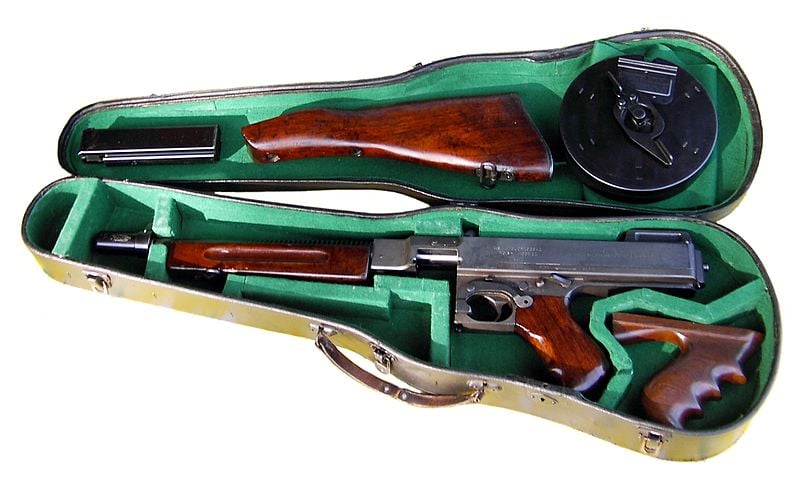
Though the MP5 competed in a crowded arena with SMGs that had been kicking around since WWII, it still stood out.
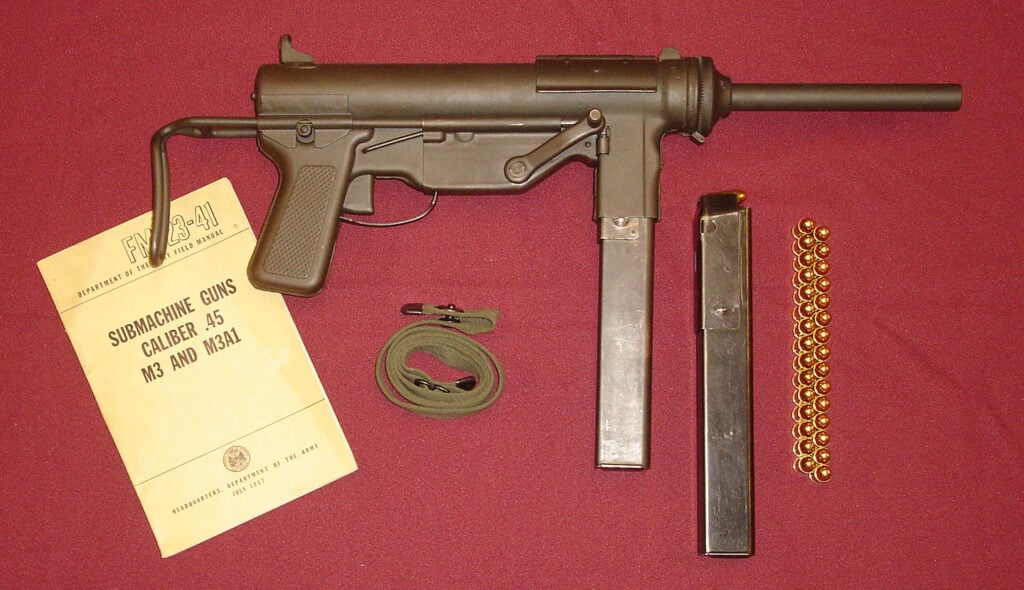
Old school SMGs like the Thompson, M3 Grease Gun, MP40, and PPSH series were all rather large and heavy.
While the M3 was the most compact, it still weighed as much as an M16. It was also rather roughly made.
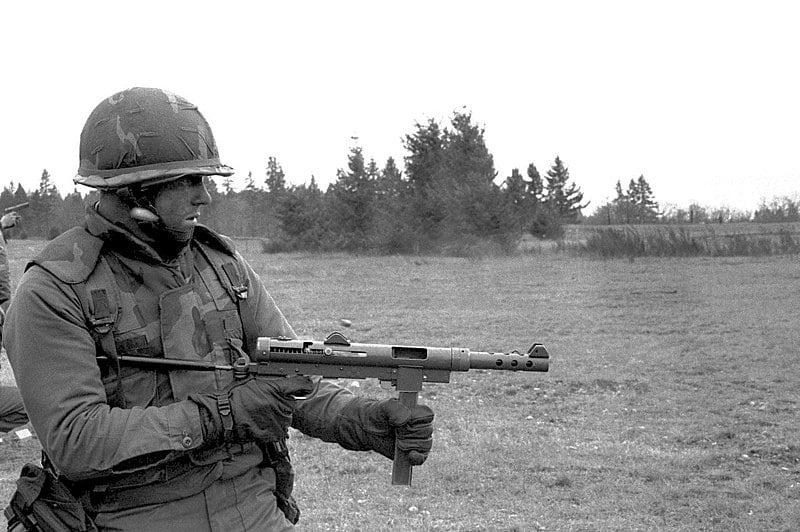
Contemporaries like the Swedish K, UZI, Steyr MPi 69, Walther MP series, and even the MAC SMGs were smaller and lighter than World War II-era guns; yet, they all had the fatal flaw of open bolt designs.
An open bolt design means the bolt is locked to the rear. When the weapon fires, the bolt launches forward and fires and then resets to the open position.
It's an effective and cheap way to produce a submachine gun.
Open bolt designs have their downsides, though.
They operate on a simple blowback design that delivers more recoil than necessary. Open bolt guns tend to be less accurate and reliable.
Being drop safe isn't a thing with open bolt guns, and the open breach invites tons of dirt and debris into the chamber.
Guess which gun worked on a fancy closed bolt design?
Yep, it's ya boi, the MP5.
The MP5 was lighter than most SMGs. Further, it offered a more accurate, safer, and reliable design. Bonus, it operated on a roller delayed blowback action.
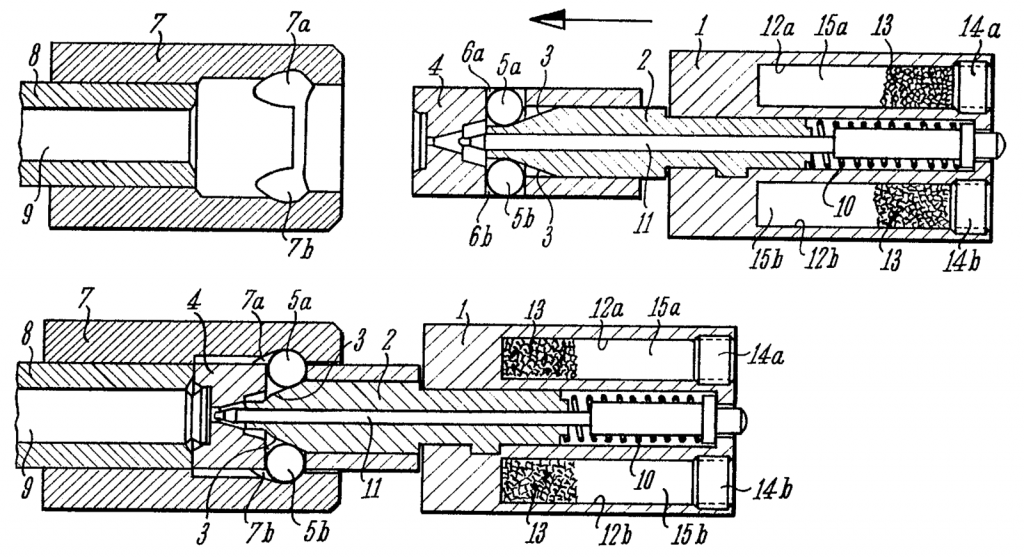
A roller delayed blowback design eliminated the need for an unnecessarily big bolt and this decreased recoil.
Blowback guns and their massive bolts can give rifle-like recoil from a pistol caliber.
The MP5 was the Lexus of submachine guns in the 1970s.

It met the demands and needs of police and military forces in both conventional and anti-terrorism roles.
Our Most Popular Posts


Pop Culture: The MP5 in Film & TV
We can't talk about the MP5 without talking about its place in pop culture.
The MP5 is everywhere, and its notable appearances are too numerous to list. (Seriously, go check the IFMDB, but prepare to scroll...)
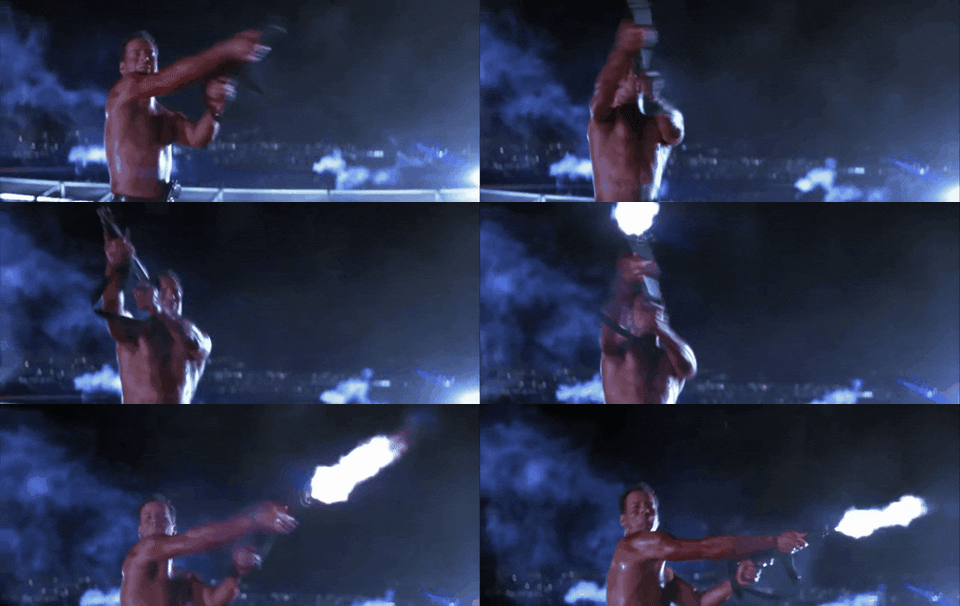
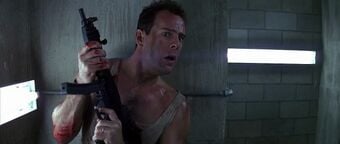
Your favorite Christmas Movie, Die Hard, featured the MP5 brilliantly in the famed "Now I Have a Machine Gun Scene."
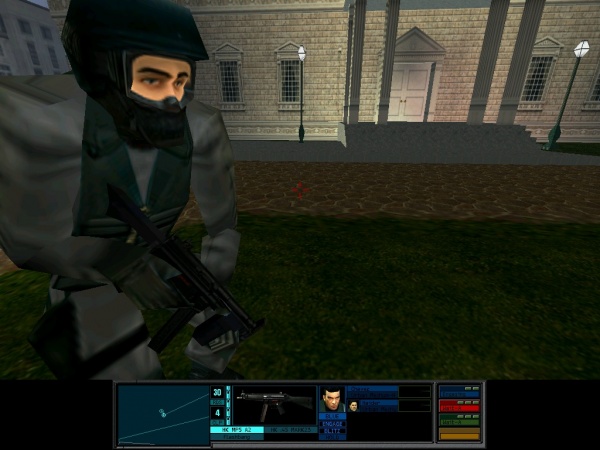
Video games like Rainbow Six and Counter-Strike put the weapon in the virtual hands of thousands of shooters.
Television shows like the A-Team and Miami Vice exposed Americans to the MP5 season after season.
It also entered the consciousness of the world during the Iranian Embassy Siege.
Pictures of SAS commandos armed with MP5s became front-page news.
While the SAS commandos were massively successful, the MP5 became the star of the show.
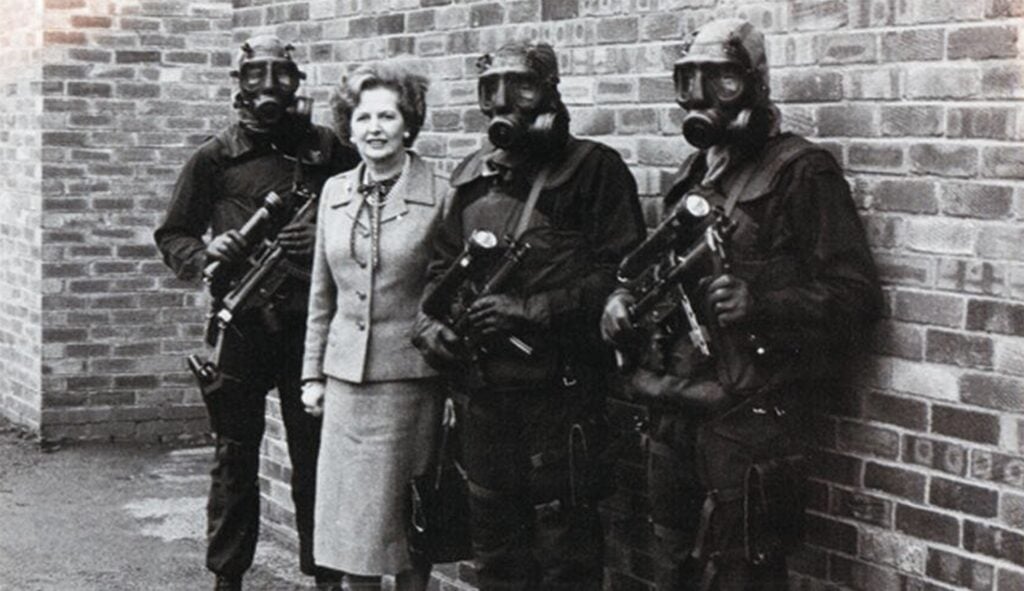
The world was hooked on the MP5.
Like the AK-47 and M16, the MP5 is a household name.
From gamers to housewives, everyone knows what an MP5 is.
That popularity among civilian shooters brought us a half dozen different options from a half dozen different manufacturers.
HK, Zenith, POF, Dakota Tactical, and so many more produce pistol and rifle variants of the MP5 for civilian consumption. (You can see some MP5 clones here!)

Is It Still Relevant?
To this day, the MP5 remains an icon. However, its age is catching up to it, given that the role of the SMG shrunk considerably.
The lightweight carbine now rules -- some form of AR design with a short barrel in 5.56 NATO or 300 Blackout.

Improvements in the AR platform have made it the go-to for police and counter-terrorism forces worldwide.
A short carbine offers better range, superior ballistics, and much better penetration against soft armor, and so forth.

Though the SMG isn't dead, the MP5's time might be nearly over. A Baby Boomer, getting near retirement. The 1911 of the SMGs.
Yes, it has a glorious past, but more modern options outperform it. Submachine guns have advanced.
Guns like the MPX, the CZ Scorpion, the various B&T guns, and even HK's own MP7 offer more modern options.

These modern SMGs make mounting optics, lights, and accessories easier.
They offer more ambidextrous features, better stocks, and even things like last round bolt hold-open devices.
That said, the game-changing MP5 paved the way for modern SMGs.
Conclusion
As a service firearm, HK’s MP5 saved countless lives while serving various operations across the world. Though more modern models have emerged since its introduction in the 1960s, it remains an icon both in the gun world and popular culture.
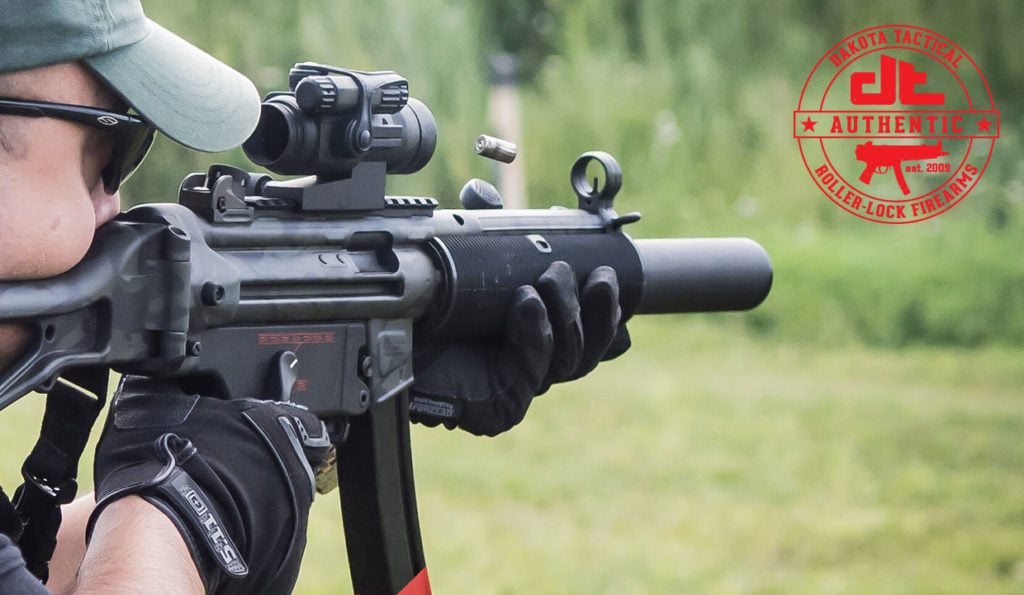
The MP5 is a straight-up legend and deserves its place in the Firearms Hall Of Fame.
What do you think of the MP5? Share your thoughts below. Want your own MP5 variant? Check out our recommendations on the Best MP5 Clones (You Can Maybe Get).